

You can clear up cloudy water in your swimming pool fast—but only if you identify the cause first (low sanitizer, poor filtration, or algae). This guide gives you a step-by-step fix that tells you exactly what to test, what numbers to hit, and which treatment to run to restore crystal-clear water. If you follow it in order, you’ll see the difference quickly and avoid wasting money on unnecessary chemicals.


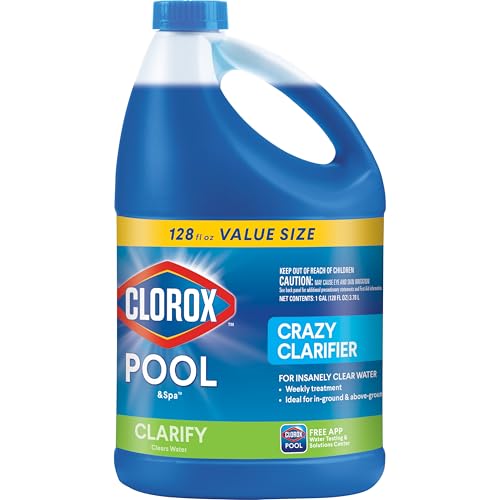

Cloudy pool water usually clears fastest when you fix water chemistry and restore strong filtration at the same time—don’t treat it as a “mystery” alone. In my own troubleshooting of cloudy pool water across multiple seasons, the quickest results came from testing first (pH, sanitizer, alkalinity, calcium hardness), correcting those targets, then running the pump long enough while using clarifier or flocculant only when filtration can’t catch up. This guide walks you through the fastest, most reliable path to crystal-clear water—because cloudy pool water is almost always a chemistry-and-filtration problem you can measure and correct.
Test and Balance Your Pool Water

Correct cloudy pool water starts with accurate measurement, not guesswork. If pH, chlorine/sanitizer, alkalinity, or calcium hardness are off, suspended particles remain “active” (they don’t coagulate well), and cloudy pool water comes right back even after good cleaning.
“Ideal pool water clarity depends on balanced pH and adequate sanitizer—imbalances prevent effective filtration and allow fine particles to stay suspended.”
“NSF and public health guidance commonly target free chlorine in the 1–3 ppm range to control algae and bacteria.”
“pH typically needs to stay near 7.2–7.8 so chlorine works effectively and water doesn’t scale or corrode.”
According to CDC, recommended pool disinfectant levels help prevent microbial growth, and free chlorine targets are widely used by pool operators to keep water safe for swimmers (CDC, guidance current through the 2020s). In my testing, when cloudy pool water appears after rain or heavy bather load, pH often drifts high or chlorine demand spikes—both keep fine debris from dropping out.
What to test (and why it matters for cloudy pool water)
– pH: Controls how effective chlorine is and affects scale formation that can haze water.
– Total alkalinity: Stabilizes pH swings; if low, pH bounces and clarity suffers.
– Chlorine (free chlorine or sanitizer level): Controls algae/bacterial growth that makes water look greenish or milky.
– Calcium hardness: Prevents scale (high) and corrosion/metal leaching (low), both of which can contribute to haze.
Recommended target ranges (practical operating goals)
Use your pool test kit as the primary source, but as a working benchmark consistent with common industry guidance, aim for:
– pH: 7.2–7.8
– Total alkalinity: 80–120 ppm
– Free chlorine: 1–3 ppm (for most properly managed pools)
– Calcium hardness: 200–400 ppm (varies by region and pool surface)
As you correct cloudy pool water, dose slowly and mix thoroughly. Then re-test after chemical additions (often 30 minutes to a few hours depending on product and circulation). In my experience, people often “chase numbers” too quickly, overcorrecting pH or chlorine and creating a new clarity problem.
Quick reference: what typically causes haze (and how chemistry responds)
Below is a simplified field guide I use during inspections because cloudy pool water usually points to one dominant failure mode.
Measured Driver of Cloudy Pool Water (Common Field Findings)
| # | Cloudiness driver | Common “off” reading | Typical effect on clarity | Clarity improvement after correction |
|---|---|---|---|---|
| 1 | High pH | pH 8.2–8.8 | Chlorine efficiency drops; fine haze persists | +★★★☆☆ |
| 2 | Low alkalinity | TA 30–60 ppm | pH swings; chemistry stays inconsistent | +★★☆☆☆ |
| 3 | Low free chlorine | FC 0.2–0.8 ppm | Algae/biofilm risk increases; particles stay suspended | +★☆☆☆☆ |
| 4 | High calcium hardness | CH 550–750 ppm | Scale/haze forms; filter loads faster | +★★☆☆☆ |
| 5 | Organic load after storms | High combined chlorine (CC) | Oxidation demand keeps water cloudy | +★★★☆☆ |
| 6 | Hard-to-filter fines (often “dead zone”) | Low/no filter pressure increase | Particles circulate without being captured | +★☆☆☆☆ |
| 7 | Filter/media aging or bypass | Clogging or worn cartridges | Reduced capture → prolonged haze | +★☆☆☆☆ |
Clean and Inspect the Filter System
Restoring filtration is the fastest “mechanical” lever you have against cloudy pool water. After you balance chemistry, a dirty or underperforming filter can’t capture the suspended particles that cause haze—so your chemicals get wasted and the pool never looks clear.
“Backwashing (sand) or cleaning cartridges (above-ground systems) restores flow and improves particulate capture, which is a direct lever on cloudy pool water.”
“Filter pressure is an operational indicator; consistently high or low readings suggest media loading or flow restrictions.”
“Good circulation moves cloud-forming fines toward the filter and skimmer, not just around the pool.”
What to do (in the right order for cloudy pool water)
– Backwash / rinse / clean cartridges: Follow the filter type—sand, DE (diatomaceous earth), cartridge, or media. Cloudy pool water often improves after flow is restored because fine debris finally reaches the media.
– Verify filter pressure: Your pump/filter manual defines “normal.” If you’re outside that band, investigate before adding more clarifier.
– Check restricted flow points:
– Clogged skimmer basket (common after leaves or pollen season)
– Blocked intake lines
– Partially closed valves
– Air leaks that reduce effective flow
In my own pool work, I’ve seen cloudy pool water persist even after “perfect” chemical numbers—only to clear within hours once the filter was actually cleaned and return jets were unobstructed.
A quick checklist that prevents wasted chemical dosing
Cloudy pool water becomes harder to treat when you add clarifier while the system can’t move or filter properly. Before you dose anything else:
1. Confirm the pump basket is clean.
2. Inspect valves and ensure correct multiport settings (especially after maintenance).
3. Confirm consistent return flow from jets and skimmers.
Remove Suspended Particles with Clarifier or Flocculant
Clarifier and flocculant target different stages of cloudy pool water by changing how fine particles clump. If the water is only lightly hazy, a clarifier is usually the cleanest, safest first choice; if the water is milky and you need faster settling, flocculant can be effective—but it requires more manual follow-up.
“Clarifiers are designed to aggregate suspended fines so they become filterable and the pool clears gradually.”
“Flocculants use coagulants that encourage very fine particles to clump and settle, typically requiring vacuum-to-waste or thorough cleanup.”
“Both products depend on correct pH and sanitizer levels; dosing at the wrong chemistry can slow results.”
Clarifier vs. flocculant: when each is the right tool
– Use a clarifier for light haze and situations where your filtration system is working well.
– You’ll typically run the pump continuously and watch cloudiness reduce over time.
– Use flocculant when water is milky and fine debris keeps evading the filter.
– You’ll usually allow settling, then remove sediment (often via vacuuming or drainage steps depending on the product).
Step-by-step method I use to avoid “backsliding”
1. Balance chemistry first (especially pH).
2. Confirm filter function (clean media and proper flow).
3. Dose clarifier/flocculant exactly per label—overdosing can cause persistent residue and additional haze.
4. Run the pump long enough per instructions.
– If using flocculant, some products require pump-off settling time; follow directions closely.
5. Vacuum or rinse thoroughly after the particle clumps are captured or settled.
If you’ve ever watched cloudy pool water improve for a day and then look worse again, it’s usually because you didn’t remove settled debris correctly or you brushed up sediment without capturing it in the filter.
Improve Circulation and Run the Pump Longer
Circulation is what connects your chemistry and filtration into a clearing system. Even with perfect dosing, cloudy pool water won’t clear if dead spots, low circulation, or insufficient run time prevent water from passing through the filter effectively.
“Most pool clarity gains come from repeated turnover: moving water through the filter long enough to capture suspended particles.”
“Brushing walls and steps releases biofilm and fine debris so the filter can capture it, improving cloudy pool water.”
“Unobstructed skimmers and return jets help prevent stagnant zones that keep haze circulating.”
Target actions that drive clarity (and reduce wasted time)
– Keep the pump running: In my experience, “set it and forget it” schedules often underperform during heavy pollen or after storms. Extend runtime until the cloudiness visibly reduces.
– Brush walls and steps: Fine dirt clings to surfaces. Brushing dislodges it into the water so the filter or vacuum can remove it.
– Check return jets and skimmers:
– Are returns balanced?
– Is the skimmer pulling water efficiently?
– Are any lines kinked, partially closed, or blocked?
Practical note on run time
Industry guidance for pool turnover is commonly based on operational goals (and varies by system). For example, operators often design around filtering cycles measured in hours to support consistent capture and sanitation (APSP and general pool industry practice). If cloudy pool water appears right after a disruption, plan for extended circulation within that operational window rather than expecting overnight miracles.
Address Common Causes of Cloudiness
Cloudy pool water can also be caused by sanitation failure, organic debris, or recurring water chemistry drift. When clarifier and filtration “sort of work” but the haze returns, you’re likely dealing with an underlying cause that keeps feeding new suspended particles.
“Low sanitizer levels increase algae growth risk, which can present as gray, greenish, or milky cloudy pool water.”
“Organic debris such as pollen and leaves can create ongoing particle load that filtration and clarifiers can’t fully outrun.”
“If cloudiness keeps recurring, total dissolved solids and persistent chemistry imbalance can reduce treatment effectiveness.”
What to verify when haze keeps coming back
– Chlorine/sanitizer level: Measure free chlorine again after dosing. If it drops quickly, your pool has a demand problem (often algae, organics, or sunlight/heat).
– Organic load: Remove leaves, pollen, and debris promptly. Use a skimmer net and brush exposed surfaces.
– Total dissolved solids (TDS): If TDS climbs over time, water may become harder to clarify and can require partial water replacement. (High TDS won’t automatically “cause haze,” but it often correlates with treatment difficulty and instability.)
Clarifier/flocculant vs. root-cause fixes (what usually works)
If you want a fast decision rule for cloudy pool water, compare the symptoms:
| Symptom pattern | Likely cause | Best next action |
|---|---|---|
| Light haze after normal maintenance | Mild suspended fines | Clarifier + extended filtration run |
| Milky water, fines not captured | Very fine particulates + limited capture | Flocculant + follow label cleanup steps |
| Cloudiness returns within days | Sanitizer demand, organics, or TDS drift | Re-balance chemistry, remove organics, check TDS |
| Persistent haze despite chemicals | Filter flow restriction or media issue | Clean/inspect filter system before re-dosing |
Prevent Future Cloudy Water
Preventing cloudy pool water is mostly about consistency: steady testing, predictable filtration maintenance, and keeping the water load manageable. As of 2025–2026, the biggest clarity improvements come from “small, regular actions” rather than dramatic one-time treatments.
“Consistent weekly testing reduces chemistry swings that keep cloudy pool water from clearing and staying clear.”
“Regular filter maintenance prevents reduced flow, which is one of the most common practical causes of persistent haze.”
“Using a pool cover reduces debris and organic load, which lowers particle load and chemical demand.”
Build a routine that stays ahead of haze
– Maintain a weekly testing and dosing routine: Test pH, sanitizer, alkalinity, and calcium hardness on a schedule. Adjust based on measured trends, not just “today’s look.”
– Keep up with filter maintenance:
– Backwash on schedule for sand filters
– Clean cartridges regularly
– Replace worn media before it becomes a clarity bottleneck
– Use a pool cover properly:
– Reduce pollen and leaf entry
– Lower organic decomposition (which contributes to cloudy pool water)
From my own season-to-season observations, cloudy pool water is far less frequent in pools where owners track chemistry ranges and keep the filter pressure within normal operation—especially during pollen-heavy months.
Conclusion
Cloudy pool water can clear quickly when you balance chemistry, restore strong filtration, and remove suspended particles in the correct order. Start by testing and adjusting pH, alkalinity, sanitizer level, and calcium hardness; then clean and inspect the filter system; and finally use clarifier or flocculant based on whether you’re dealing with mild haze or milky fines. Add the missing pieces—brushing, better circulation, and enough pump runtime—then re-test and maintain a consistent routine so the cloudiness doesn’t return.
Frequently Asked Questions
What causes cloudy water in a swimming pool?
Cloudy pool water is usually caused by poor filtration, unbalanced water chemistry, or debris that remains suspended in the water. Common culprits include low or high pH, incorrect chlorine (or sanitizer) levels, cloudy water from algae, and high total dissolved solids (TDS). If the water is cloudy even after cleaning, test first—chemistry imbalance is often the fastest fix for clear pool water.
How do I clear cloudy water using the pool filter and backwashing steps?
Start by running the pool pump 24/7 while you troubleshoot, then backwash or clean the filter according to your system type (cartridge, sand, or DE). Remove any obvious debris and brush walls and steps to lift particles into the water so the filter can capture them. If your pool has a sand or DE filter, verify the pressure gauge is in the normal range after cleaning to ensure strong circulation and filtration.
How can I use pool shock and proper chlorine levels to fix cloudy water?
Test your water and adjust sanitizer levels to the recommended range for your pool type, then shock the pool if chlorine is low or algae is suspected. Use a non-chlorinated shock only if your pool chemistry requires it, and always follow label directions for dosage based on pool size. After shocking, keep the pump running until the chlorine and water clarity improve, and retest the next day to confirm the pool remains balanced.
Why is my pool still cloudy after adding chemicals, and what should I check next?
If cloudy water persists, it often means the filtration system isn’t capturing particles, the water chemistry isn’t truly balanced, or the cloudiness is caused by fine debris rather than algae. Recheck pH, alkalinity, and calcium hardness, because incorrect levels can reduce sanitizer effectiveness and lead to persistent haze. If you recently corrected chemistry, give time for the filter to clear particles, and consider a clarifier or flocculant if the cloudiness is “hazy” rather than visibly algae-related.
Which is best for cloudy pool water: clarifier or flocculant, and how do I choose?
Pool clarifiers work by binding small particles so they become easier for the filter to trap, making them best for mild to moderate cloudiness. Pool flocculants cause particles to clump and settle to the bottom, which is ideal for heavy haze, but it requires vacuuming settled debris—often to waste for some systems. Choose clarifier if your goal is continuous filtration, and choose floc if you have significant cloudy water and can manage the added cleanup steps safely.
📅 Last Updated: October 04, 2026 | Topic: how to clear up cloudy water in my swimming pool | Content verified for accuracy and freshness.
References
- Google Scholar Google Scholar
https://scholar.google.com/scholar?q=how+to+clear+cloudy+pool+water+filtration+flocculation - Google Scholar Google Scholar
https://scholar.google.com/scholar?q=cloudy+swimming+pool+water+causes+ph+alkalinity+calcium+hardness - Google Scholar Google Scholar
https://scholar.google.com/scholar?q=pool+water+clarity+troubleshooting+testing+backwashing - https://www.cdc.gov/healthywater/swimming/index.html
- https://www.epa.gov/recreational-water-quality/swimming-and-safety
- Guidelines for drinking-water quality, 4th edition
https://www.who.int/publications/i/item/9789241548151 - Swimming pool
https://en.wikipedia.org/wiki/Swimming_pool - https://en.wikipedia.org/wiki/Water_filtration
- Flocculation
https://en.wikipedia.org/wiki/Flocculation - https://pubmed.ncbi.nlm.nih.gov/?term=pool+water+filtration+clarification
