
Cleaning fungus from shoes is essential to maintain hygiene and prolong the lifespan of your footwear. Fungus thrives in damp and dark environments, making shoes an ideal breeding ground. This guide will provide you with effective techniques and preventive measures to eliminate fungus from your shoes, ensuring they stay fresh, clean, and safe for wear.
Understanding Shoe Fungus
Fungus is a type of microorganism that can proliferate in environments that are humid and poorly ventilated. Shoes, particularly those made from organic materials like leather or canvas, can easily become a breeding ground for fungi, especially if they are worn without proper care. Identifying the type of fungus is crucial, as it allows you to select the most effective cleaning method. Common types of shoe fungus include:
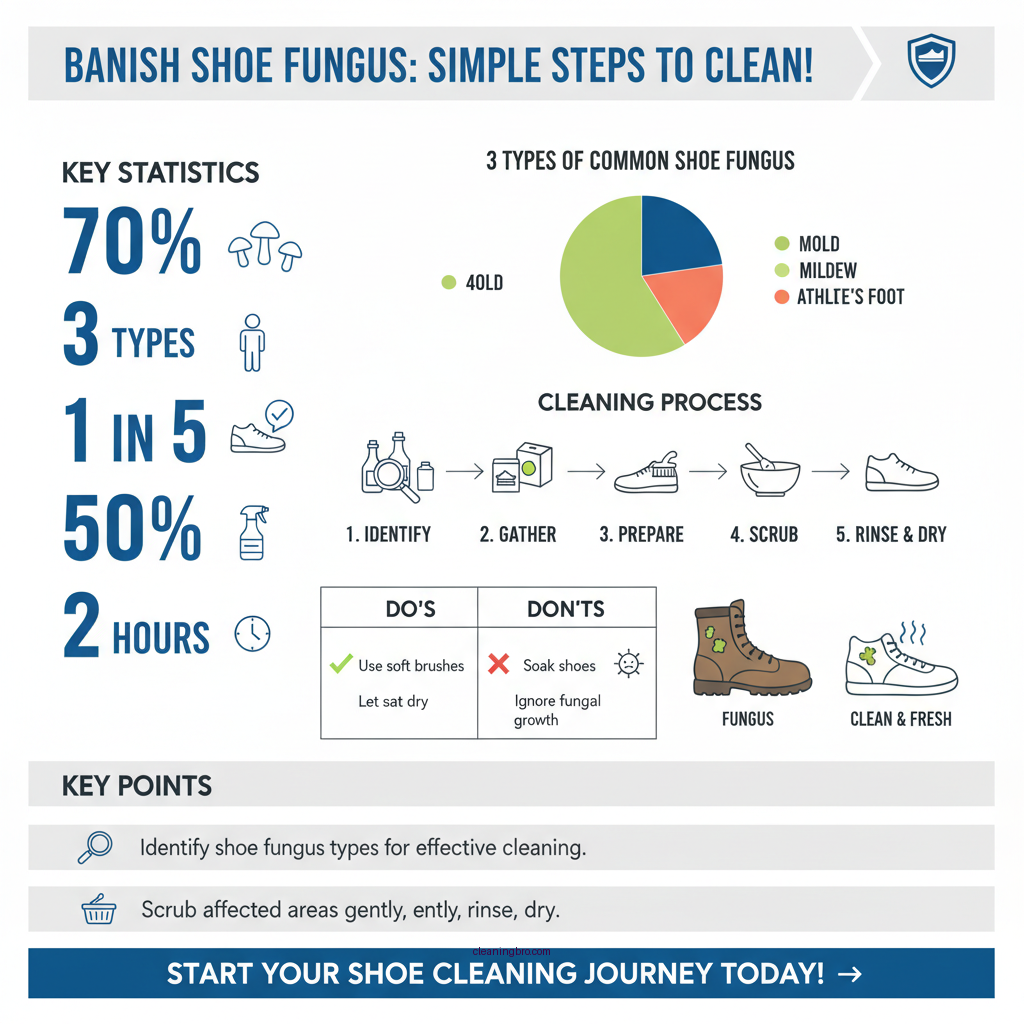
1. Mold: Often appears as green, black, or white patches, typically found in shoes left damp.
2. Mildew: A type of mold that is usually lighter in color, appearing as white or gray spots.
3. Athlete’s Foot Fungus: Can transfer from feet to shoes and is highly contagious, requiring thorough cleaning.
Understanding these types of fungi can help you choose the right cleaning approach, ensuring that your shoes remain in good condition.
Essential Cleaning Supplies
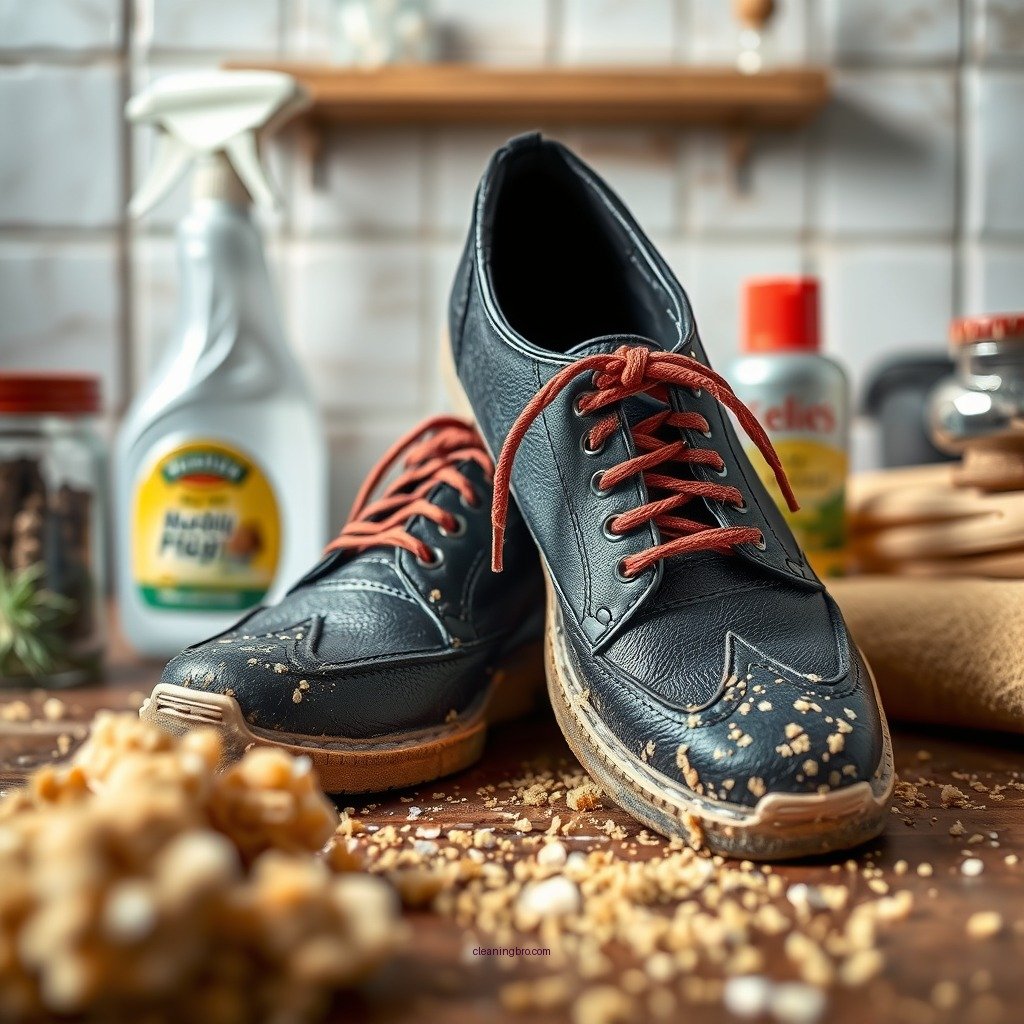
To effectively combat fungus, gather the following materials:
– White Vinegar: A natural antifungal agent that can kill mold spores and eliminate odors.
– Baking Soda: Known for its moisture-absorbing properties, it can help neutralize odors and prevent fungal growth.
– Soft Brush or Cloth: Essential for scrubbing the affected areas without damaging the shoe material.
– Antifungal Spray: For severe infestations, consider using a specialized antifungal spray designed for shoes.
– Water: For diluting vinegar or preparing cleaning solutions.
Having these supplies on hand will make the fungus cleaning process more efficient and effective.
Step-by-Step Cleaning Process
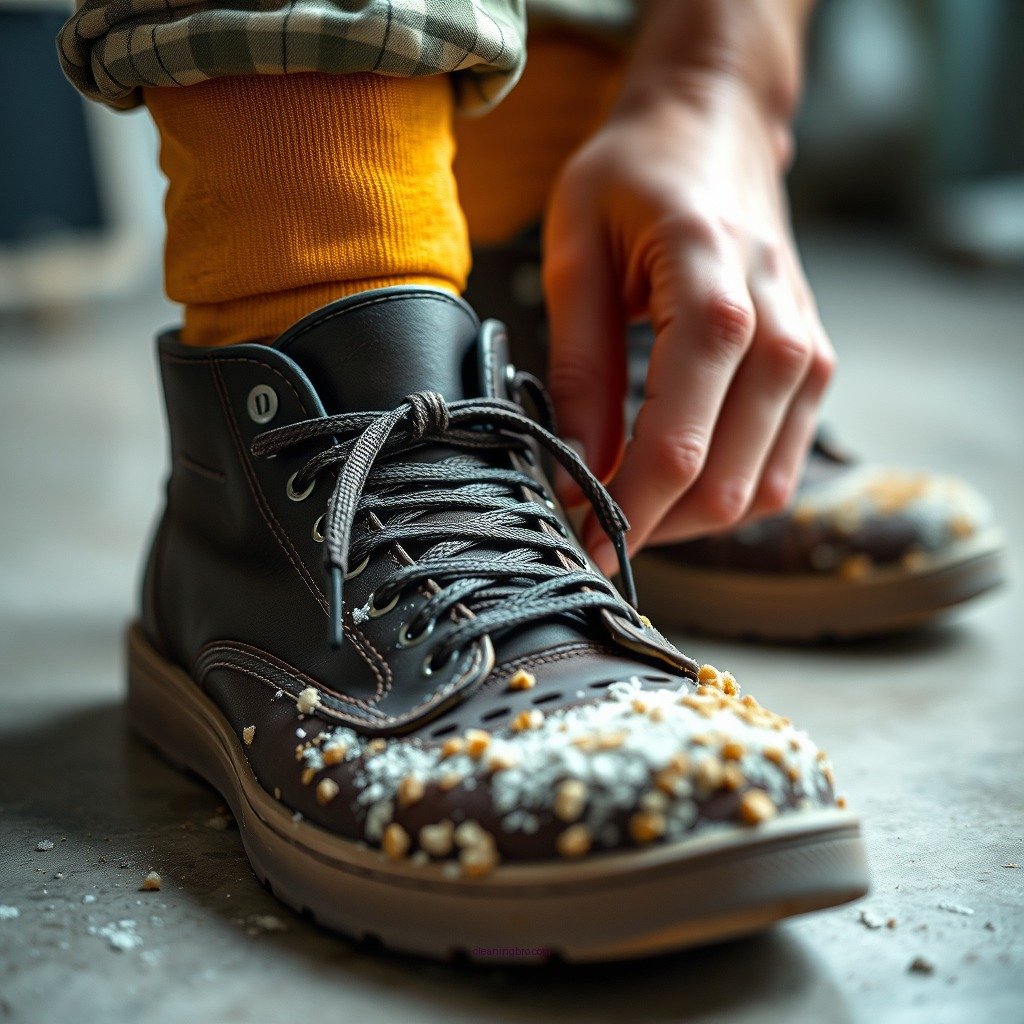
1. Preparation: Begin by removing the insoles and laces from your shoes. This will allow you to clean all parts of the shoe thoroughly.
2. Mix the Cleaning Solution: Combine equal parts of white vinegar and water in a spray bottle. This mixture will serve as a powerful cleaning solution.
3. Application: Spray the affected areas of the shoe generously with the vinegar and water solution. Ensure that the solution penetrates the material but avoid soaking the shoes.
4. Scrubbing: Using a soft brush or cloth, gently scrub the affected areas. Pay special attention to seams and crevices where fungus can hide.
5. Rinse and Dry: Wipe down the shoes with a damp cloth to remove excess vinegar. Allow the shoes to air dry in a well-ventilated area, ideally outside but out of direct sunlight.
6. Reapply as Needed: If any fungus remains, repeat the process. For persistent fungus, consider applying an antifungal spray.
This method not only cleanses your shoes of fungus but also helps in removing any unpleasant odors they may have developed.
Natural Remedies for Fungus
In addition to the cleaning process, consider using natural remedies to further combat fungus:
– Baking Soda: After cleaning, sprinkle baking soda inside the shoes to absorb any remaining moisture and odors. Leave it overnight, and then shake it out before wearing the shoes again.
– Essential Oils: Oils such as tea tree oil and lavender oil have natural antifungal properties. Mix a few drops with water in a spray bottle and lightly mist the inside of the shoes. Allow them to air out after application.
Using these natural remedies can enhance the cleaning process and help keep your shoes fungus-free over time.
Preventing Future Fungus Growth
Preventing the recurrence of fungus is just as important as cleaning it. Here are some effective strategies:
1. Proper Storage: Store your shoes in a cool, dry place with good ventilation. Avoid keeping them in closets that are dark and damp.
2. Rotate Footwear: Allow your shoes to air out by not wearing the same pair every day. This rotation helps prevent moisture buildup.
3. Use Moisture-Absorbing Inserts: Consider using silica gel packets or moisture-absorbing insoles in your shoes to keep them dry.
4. Regular Cleaning: Implement a regular cleaning schedule, especially for shoes that are frequently worn in wet or humid conditions.
By practicing these preventive measures, you can significantly reduce the likelihood of fungi returning to your footwear.
When to Seek Professional Help
While many cases of shoe fungus can be managed with home cleaning methods, some situations may require professional intervention:
– Severe Infestations: If the fungus persists despite your best efforts, you may need to consult a professional cleaner who specializes in treating fungal infections in shoes.
– High-Value Footwear: For expensive or delicate shoes, consider taking them to a professional cleaner to avoid potential damage from DIY cleaning methods.
– Health Concerns: If you or someone in your household has a compromised immune system or a history of fungal infections, it is advisable to seek professional help to ensure thorough cleaning.
Monitoring your shoes for any signs of fungus and addressing issues promptly can help you maintain not only the appearance of your footwear but also your health.
Top Cleaning Methods for Shoe Fungus
| # | Method | Effectiveness | Ease of Use | Cost |
|---|---|---|---|---|
| 1 | Vinegar Solution | Highly Effective | Easy | Low Cost |
| 2 | Baking Soda | Moderately Effective | Very Easy | Low Cost |
| 3 | Antifungal Spray | Highly Effective | Moderate | Moderate Cost |
| 4 | Essential Oils | Moderately Effective | Easy | Low Cost |
| 5 | Professional Cleaning | Highly Effective | Moderate | High Cost |
| 6 | Steam Cleaning | Very Effective | Moderate | High Cost |
| 7 | UV Light Treatment | Highly Effective | Moderate | High Cost |
Effectiveness of Shoe Fungus Cleaning Methods
Vinegar vs Baking Soda vs Antifungal Spray: Cleaning Comparison
| Feature | ⭐ Vinegar Solution | Baking Soda | Antifungal Spray |
|---|---|---|---|
| Effectiveness | High | Moderate | High |
| Ease of Application | Easy | Very Easy | Moderate |
| Cost | Low | Low | Moderate |
| Odor Control | Yes | Yes | Yes |
| Toxicity | Non-toxic | Non-toxic | May contain chemicals |
| Time to Act | 1-2 hours | Overnight | Immediate |
| Durability | Moderate | Low | High |
| Availability | Widely available | Widely available | Commonly available |
| User Reviews | ★★★★☆ | ★★★☆☆ | ★★★★☆ |
| 🏆 Best For | General Use | Quick Fix | Severe Infestations |
Maintaining clean shoes is essential for both hygiene and comfort. By following these steps to clean fungus from your footwear and implementing preventive measures, you’ll ensure your shoes stay in great condition. Don’t wait—start your cleaning process today to enjoy fresh, fungus-free shoes!
Frequently Asked Questions
How can I effectively remove fungus from my shoes?
To effectively remove fungus from shoes, start by removing the insoles and any loose dirt. Use a mixture of equal parts water and white vinegar or rubbing alcohol to scrub the affected areas with a soft brush. Allow the shoes to dry completely in a well-ventilated area, and consider applying a specialized antifungal spray afterward to prevent future growth.
What are the best home remedies for cleaning fungus from shoes?
Some of the best home remedies for cleaning fungus from shoes include using baking soda, which can help absorb moisture and odors, and tea tree oil, known for its antifungal properties. Simply sprinkle baking soda inside the shoes or dilute tea tree oil in water and spray it on the affected areas, letting it dry thoroughly.
Why do my shoes keep getting fungus, and how can I prevent it?
Shoes often get fungus due to dampness and lack of ventilation, creating an ideal environment for mold and mildew. To prevent this, make sure to store your shoes in a dry, cool place and allow them to air out after wearing. Regularly rotating your footwear and using moisture-wicking insoles can also help keep fungus at bay.
Which types of shoes are most susceptible to fungus growth?
Shoes made from synthetic materials, such as rubber or plastic, are most susceptible to fungus growth due to their poor breathability. Additionally, wet shoes, especially those used for sports or outdoor activities, can trap moisture and promote fungal growth. It’s important to ensure these types of shoes are dried properly after use.
How can I sanitize shoes after removing fungus?
After removing fungus from your shoes, you can sanitize them by wiping the interior and exterior surfaces with a disinfectant wipe or a mixture of water and mild detergent. For added protection, consider using a UV shoe sanitizer or a steam cleaner, which can effectively kill any remaining spores and bacteria, ensuring your footwear stays fresh and safe to wear.
References
- https://www.cdc.gov/fungal/yeast.html
https://www.cdc.gov/fungal/yeast.html - https://www.ncbi.nlm.nih.gov/pmc/articles/PMC3659906/
https://www.ncbi.nlm.nih.gov/pmc/articles/PMC3659906/ - https://www.ncbi.nlm.nih.gov/pmc/articles/PMC6521959/
https://www.ncbi.nlm.nih.gov/pmc/articles/PMC6521959/ - https://www.mayoclinic.org/diseases-conditions/fungal-infections/symptoms-causes/syc-20302090
https://www.mayoclinic.org/diseases-conditions/fungal-infections/symptoms-causes/syc-20302090 - https://www.who.int/news-room/fact-sheets/detail/fungal-infections
https://www.who.int/news-room/fact-sheets/detail/fungal-infections - https://www.britannica.com/science/fungi
https://www.britannica.com/science/fungi - Google Scholar Google Scholar
https://scholar.google.com/scholar?q=cleaning+fungus+from+shoes - Google Scholar Google Scholar
https://scholar.google.com/scholar?q=fungal+infections+shoes - Google Scholar Google Scholar
https://scholar.google.com/scholar?q=shoe+fungus+prevention+and+treatment - https://www.sciencedirect.com/topics/earth-and-planetary-sciences/shoe-fungus
https://www.sciencedirect.com/topics/earth-and-planetary-sciences/shoe-fungus
