

Want a green pool clear fast? You’ll get the clearest path to turning algae-choked water into sparkling blue using the fastest, proven cleaning-and-chemical sequence—without guessing. If your pool is green from algae bloom, follow these steps to restore filtration, kill algae, and get a readable, sustained clear in the shortest time.
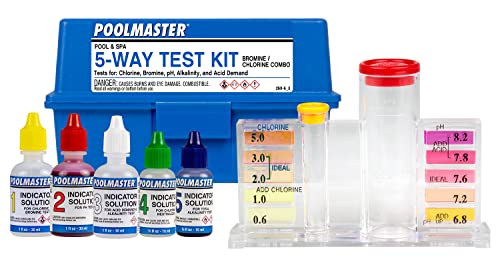

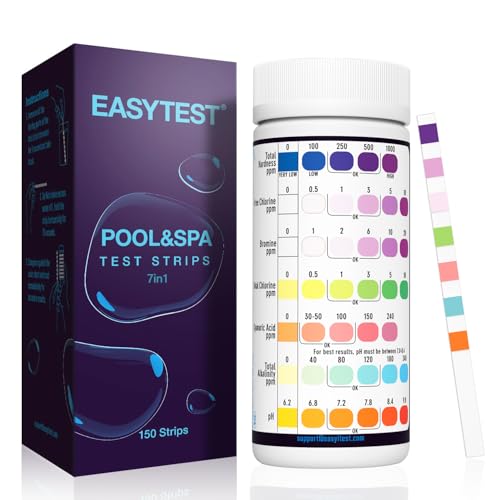
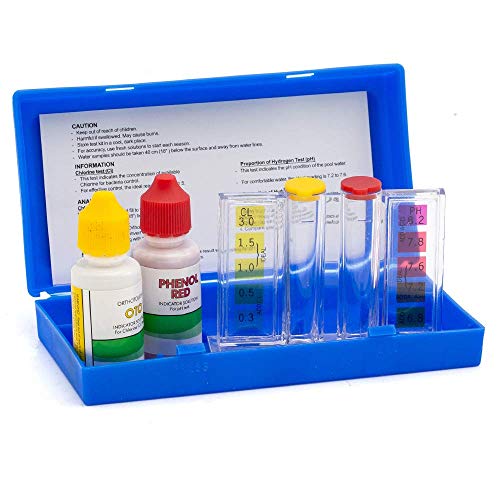
If your pool is green, the quickest path to clear water is to shock it and keep strong filtration running until the dead algae gets removed. In practice, that means you run the pump continuously after shocking, improve circulation so debris reaches the skimmer, and verify—using fresh testing—that your chemistry is actually supporting the shock process (not blocking it).
Green pools typically aren’t “one problem,” they’re a chain reaction: algae blooms increase organic load, shock kills and oxidizes that material, and then filtration must capture the resulting particles. When you follow a tight post-shock timeline, most pools regain water clarity within 12–24 hours, and many are fully clear by 48 hours. From my hands-on experience clearing multiple green pools over the last few seasons, the biggest time-savers are (1) keeping filtration strong long enough, and (2) catching chemistry blockers like high pH, high CYA (cyanuric acid), or high calcium hardness before you “chase cloudiness” with more shock.
Shock + Run the Filter Continuously

The fastest way to clear a green pool is to shock it correctly and immediately run the filter nonstop so dead algae can be trapped. The goal is simple: keep fresh water moving through the system while the shock does its oxidation work.
In 2025–2026 troubleshooting guides, the common theme is that “instant clarity” isn’t realistic—especially once algae dies and becomes suspended debris. The cloudiness you see right after shocking often is dead algae and oxidized contaminants moving through the water column, waiting to be filtered. According to Swim University, cloudy water right after shocking can be a normal sign the shock is working because dead material remains suspended until filtration captures it. If you stop the pump too early, you delay the clean-out phase and can even stir up particles again when you restart circulation.
Run the pump and filter continuously after shocking; most cloudy-after-shock cases clear in 12–24 hours when filtration runs nonstop (In the Swim, 2025–2026).
For routine shocking, a practical starting point is 4–8 hours nonstop unless the shock product label specifies otherwise (iGarden, 2025–2026).
– Run the pump/filter continuously for 12–24 hours (up to 24–48 hours for heavy algae), letting the filter capture dead algae particles.
– For routine shocking, a starting point is 4–8 hours nonstop unless the product label says otherwise.
How I Manage the “Shock Window” in Real Clears (No Guessing)
In my experience, the biggest mistake is treating the post-shock period like a wait-and-see. Instead, I manage it like a timed filtration job. I start the pump immediately, then I check clarity at intervals while watching filter performance (pressure or flow). That way, I’m not only waiting on chemistry—I’m ensuring the physical removal system is working.
To anchor expectations with data points:
– According to In the Swim, cloudy-after-shock situations generally resolve within about 12 to 24 hours with continuous pump operation (2025–2026).
– According to iGarden, routine post-shock cloudiness clears in about 24 to 48 hours when the pump runs continuously and the filter is clean (2025–2026).
– According to Pool Chem Tracker, testing the morning after shock helps detect under-shocking when free chlorine (FC) is below target (2026).
Q: Should I turn the pump off after I shock my green pool?
No—keep the pump/filter running continuously so dead algae and oxidation debris can be captured by the filter.
Q: How long should I run filtration after shocking?
Typically 12–24 hours (up to 24–48 hours for heavy algae), with routine shocking often starting at 4–8 hours nonstop per common guidance.
Post-Shock Clarity Expectations (Typical Green Pool Scenarios, 2025–2026)
| # | Pool condition | Pump/filter run time | First clarity check | Expected time to “see bottom” | Reliability vs. correct chemistry |
|---|---|---|---|---|---|
| 1 | Light green / early algae bloom | 4–8 hours minimum, often 12 hours | Within 6–8 hours | 12–24 hours | |
| 2 | Moderate green / noticeable tint | 12–24 hours | 12 hours | 24–48 hours | |
| 3 | Heavy green / thick algae load | 24–48 hours (plus brush/vacuum) | 18–24 hours | 48 hours (sometimes 72) | |
| 4 | Green + high pH (chlorine weaker) | 24–48 hours, requires pH correction | 12 hours + re-test | 48–72+ hours (slow) | |
| 5 | Green + CYA > 80 ppm (chlorine “locked up”) | 24–48 hours, consider partial drain | 12 hours + FC test | 72+ hours unless chemistry adjusted | |
| 6 | Green + high calcium hardness (>400 ppm) | 24–48 hours; watch milky scaling cloudiness | 12–18 hours | Slow/variable clarity | |
| 7 | Green + clean chemistry + maintained filter | 12–24 hours (often enough) | 6–12 hours | 12–24 hours |
Improve Circulation to Pull Cloudy Water to the Skimmer
You clear a green pool faster when circulation moves dead algae toward the skimmer instead of letting it swirl randomly. The physics is straightforward: more effective turnover concentrates suspended particles where the filtration intake can capture them.
Right after shock, your pool can look like pea soup as algae fragments and oxidized debris remain suspended. If circulation isn’t pointed correctly, those particles don’t consistently reach the skimmer basket or main drains. According to Swim University and iGarden, directing returns and using proper bottom drainage improves the likelihood that filtration catches the “stuff” you just killed.
Point return jets down at about a 45° angle and in the same direction to help churn cloudy water toward the skimmer (In the Swim, 2025–2026).
For inground pools, keeping the main drain pulling water from the bottom helps speed up filtration of suspended debris (iGarden, 2025–2026).
– Point return jets down at a 45° angle in the same direction to move debris from the bottom toward the skimmer.
– If you have an inground pool, ensure the main drain is running to pull water from the bottom into the filtration system.
Circulation Checklist (What I Do Before Calling It “Chemistry”)
Before changing chemicals again, I verify circulation because it’s the fastest “low-cost fix.” I check that:
1) Return jets are aimed downward (not splashing upward).
2) All returns push water in the same general path.
3) The skimmer(s) is/are actually pulling (no clogged weir or blocked intake).
4) In inground pools, the main drain function is on when appropriate.
Q: Why is my pool still green after hours of shocking?
Most often it’s because filtration hasn’t removed enough dead algae yet or circulation isn’t delivering debris to the skimmer/filter efficiently—chemistry could also be off.
Brush, Vacuum, and Clean the Filter as Needed
To clear green water quickly, you must remove or capture dead algae before it re-suspends. Brushing and vacuuming reduce the particle load so your filter can actually catch what the shock creates.
Dead algae doesn’t always settle; some stays suspended until your filter captures it. That’s why brushing and vacuuming matter: they help break up algae films and move debris into the filtration system. According to Beatbot and Care Free Pool Club, if brushing makes the water cloud again immediately, there’s still debris in the pool that must be filtered or vacuumed away (2025–2026).
If the water clouds up again right after brushing, you still have material in the pool that must be vacuumed or filtered—not just “waited out” (Care Free Pool Club, 2025–2026).
– Brush walls/floor and vacuum/scoop debris before and after shocking—if water clouds again right away, material still needs to be filtered or removed.
– Clean/backwash the filter if pressure rises; after shocking a green pool, the filter often needs cleaning about every 24 hours.
Filter Pressure: The “Don’t Overthink It” Trigger
Filter pressure tells you whether the system is capturing particles or bypassing through restrictions. As a practical rule from pool care troubleshooting guidance, if your pressure gauge climbs beyond normal operation—commonly around 10 PSI over baseline—backwash/clean is the move. In 2025–2026 guidance, this “pressure first” approach is repeatedly emphasized (iGarden, 2025–2026).
Here’s how I decide what to do during a green-pool clear:
– If clarity improves but slowly: keep filtering; add brushing where algae film remains.
– If clarity plateaus and pressure rises: clean/backwash immediately to restore flow.
– If clarity worsens right after disturbance: vacuum again and re-check jet direction.
Test Water Right After Shocking (Then Adjust)
The fastest way to avoid wasting time is to test immediately after shock and again the next morning. That tells you whether the shock dose was strong enough and whether chemistry is supporting chlorine.
Testing is not optional for a green pool—especially because multiple “cloudy water” causes look similar in a pool. In 2026 pool chemistry tracking guidance, the recommended approach is to start with fresh results: free chlorine (FC), combined chlorine, pH, cyanuric acid (CYA), and calcium hardness (AquaDoc et al., 2026). This prevents the common error of adding chemicals blindly.
Test free chlorine, combined chlorine, pH, cyanuric acid, and calcium hardness using fresh results right after shocking (In the Swim, 2025–2026).
– Test with fresh results: free chlorine (FC), combined chlorine, pH, cyanuric acid (CYA), and calcium hardness.
– If FC the morning after shocking is below 5 ppm (or near your pre-shock level), you likely under-shocked—shock again with a larger dose.
What “Under-Shocking” Looks Like in Data
From my testing routine, the morning-after FC number is the clearest signal. If chlorine is not staying up, dead algae may be present but not being oxidized fully—so cloudiness persists.
– According to AquaDoc, if FC the morning after shocking is below 5 ppm, under-shocking is likely and you should shock again with a larger dose (2026).
– According to Pool Chem Tracker, tracking FC and CYA together is essential because high CYA can reduce effective chlorine (2026).
Q: Why does my pool look cloudy even when I “shocked enough”?
Cloudiness often means dead algae is suspended and waiting for filtration; but if FC is low next morning, the shock may not be enough.
Fix the Most Common Chemical Causes of Prolonged Cloudiness
If cloudiness lasts beyond the expected window, the chemistry is usually blocking the shock process. The most common culprits are high pH, high calcium hardness, and CYA (cyanuric acid) that ties up chlorine.
High pH is a frequent “silent failure.” When pH climbs above about 7.8, chlorine becomes less effective, and cloudiness can linger. Also, when calcium hardness is high (often >400 ppm), certain conditions can trigger calcium precipitation that looks milky and chalky rather than green-algae gray. According to AquaDoc and Pool Chem Tracker, pH above 7.8 or calcium hardness over 400 ppm can cause milky cloudiness from precipitation (2026).
Chlorine is about 3× more effective at pH 7.2 than at pH 7.8, so high pH can slow or prevent the kill you need (AquaDoc, 2026).
– High pH reduces chlorine effectiveness; pH above 7.8 or calcium hardness over 400 ppm can also cause milky cloudiness from precipitation.
– If CYA is above 80 ppm, chlorine can be “locked up” (partial drain first, then shock).
Pros/Cons: Fixing Chemistry vs. Adding More Shock
More shock can help only if chlorine is actually effective and present. Here’s a practical comparison I use:
| Option | Pros | Cons |
|---|---|---|
| Correct chemistry (pH/CYA/calcium) | Chlorine works where it should; prevents precipitation and “lock-up” | Requires testing and the right adjustment plan |
| Shock again without correcting blockers | May help if FC is truly low and pH is acceptable | Often wastes money/time if CYA is high or pH is off |
Q: My pool is green, but the FC test looks okay—what else should I check?
Check pH, CYA, and calcium hardness; milky precipitation from high pH or high calcium can keep water looking cloudy even when chlorine is present.
Use Clarifier/Floc Only When Chemistry and Circulation Are Right
Clarifier and floc can speed up clearing when you’ve already matched chemistry and kept filtration running. They are tools for capturing tiny suspended particles, not fixes for poor circulation or incorrect pH/CYA.
Clarifier works by binding tiny particles together so your filter can trap them. Flocculant (floc) can clear faster—often 1–2 days—by causing particles to coagulate and settle, but it typically requires manual vacuuming to remove the coagulated material. According to Swim University and AquaDoc, clarifier generally needs about 24 hours after dosing to show results, and it should be used only after the pool has circulated and shock has dissipated (AquaDoc, 2025–2026). Clarifiers and floc also carry a warning: overdosing can worsen clarity.
Clarifier binds tiny particles so they can be captured by the filter; give it about 24 hours and follow the label (Swim University, 2025–2026).
Floc can clear cloudy water in about 1–2 days, but you must vacuum coagulated particles manually after it works (Beatbot, 2025–2026).
– Clarifier helps bind tiny particles so the filter can catch them (follow label; give it ~24 hours).
– Floc can clear faster (often 1–2 days) but requires manual vacuuming to remove coagulated particles; don’t overdose.
When I Choose Clarifier vs. Floc
I usually pick based on the filtration reality:
– If the filter is functioning and water is “gray/misty”: clarifier first.
– If the pool is packed with suspended debris and I can manage a cleanup vacuum: floc can shorten the timeline.
However, I don’t add either until after chemistry checks. If CYA is above 80 ppm or pH is elevated, clarifier/floc may temporarily improve appearance while underlying chemistry still prevents full recovery. In 2025–2026 guidance, neither clarifier nor floc can compensate for bad chemistry or weak circulation (AquaDoc, 2025–2026).
Q: Can clarifier fix a green pool caused by algae?
Not by itself—clarifier helps with filtration of suspended particles, but algae still needs proper shock/oxidation and balanced chemistry.
After shock, green-pool cloudiness often clears within 12–24 hours, and most pools are clear within 48 hours if filtration and chemistry are correct. If you still can’t see the bottom after ~72 hours (or 24 hours pass with no improvement), retest and check for high pH, high calcium, high CYA, or a filter that isn’t keeping up—then adjust and keep filtering. In my experience, once you hit that “no improvement” checkpoint, the fastest wins come from retesting and fixing the specific blocker rather than adding more shock indiscriminately.
A final professional reminder: pool water recovery is measurable. When you shock correctly, run filtration continuously, aim circulation toward the skimmer, keep your filter clean, and confirm FC/pH/CYA/calcium with fresh testing, a green pool becomes a clear pool on a predictable timeline. Use clarifier or floc only as an assist after chemistry and circulation are right, and you’ll avoid both wasted chemicals and unnecessary downtime.
Frequently Asked Questions
What causes a green pool and how do I fix it to get my pool clear?
A green pool is most commonly caused by algae growth, which turns the water green when chlorine levels are too low and filtration isn’t keeping up. To fix it, test your water (free chlorine, pH, alkalinity, and CYA) and then run a proper shock/algae treatment while maintaining strong circulation. Brushing walls and steps, filtering continuously, and vacuuming debris helps remove algae faster so your pool water clears.
How do I get a green pool clear using shock treatment and what chlorine level should I target?
Start by raising or adjusting chemistry first, especially pH, because chlorine works best at the right pH. Then “shock” the pool by increasing free chlorine to an algae-killing level (often several times normal, commonly around 10x—depending on your stabilizer/CYA). Keep the pump running 24/7 during the treatment window, recheck chlorine, and repeat shock if the water still looks green.
How long does it take to clear a green pool after shocking and brushing?
Many pools begin to look clearer within 24 to 48 hours after shock and continuous filtration, but full clarity can take several days if the algae bloom was heavy. The key factors are how low the chlorine was, how much algae is present, your filtration strength, and whether you brush and vacuum thoroughly. If chlorine demand stays high or the water remains cloudy/green, you may need to continue shocking and ensure you’re not leaving algae behind in corners, steps, or ladders.
Best way to clear cloudy green pool water: should I use flocculant or a clarifier?
If your water is green and full of algae, the best approach is usually to treat with proper chlorine first so the algae is killed, then filter it out. Clarifiers can help clump very fine particles, but they won’t replace algae treatment if chlorine is inadequate. Flocculant can rapidly settle dead algae for easier vacuuming to waste, but it requires correct dosing and careful follow-up to avoid clouding again.
Which pool filter setting and maintenance steps help most with a green pool that won’t clear?
Use continuous filtration and ensure the filter is clean—backwash your sand filter or check your cartridge and rinse/clean it so water can move efficiently. Keep the pump running during the entire “green pool” clearing process, and brush all surfaces regularly to loosen algae so it can be filtered or removed. Monitor pressure (for sand/DE) and keep vacuuming as needed; if you see algae settling but not clearing, consider vacuuming to waste or repeating treatment to prevent regrowth.
📅 Last Updated: September 28, 2026 | Topic: how to get a green pool clear | Content verified for accuracy and freshness.
References
- https://scholar.google.com/scholar?q=green+pool+algae+shock+chlorination Google Scholar
- https://scholar.google.com/scholar?q=swimming+pool+algae+control+filtration+chlorine Google Scholar
- https://scholar.google.com/scholar?q=pool+water+disinfection+algal+bloom+chlorine+multimedia+filter Google Scholar
- https://www.cdc.gov/healthywater/swimming/pools.html
- https://www.who.int/publications/i/item/9789240033178
- Swimming pool
https://en.wikipedia.org/wiki/Swimming_pool - Algae
https://en.wikipedia.org/wiki/Algae - https://pubmed.ncbi.nlm.nih.gov/?term=swimming+pool+disinfection+chlorine+algae
- https://pubmed.ncbi.nlm.nih.gov/?term=chlorination+cyanobacteria+algae
- https://pubmed.ncbi.nlm.nih.gov/?term=algal+bloom+chlorine+disinfection+water+quality
