
To effectively clean epoxy resin off your tools, immediate action is crucial. The best approach is to use solvents like acetone or isopropyl alcohol, along with mechanical methods such as scraping. In this guide, you’ll learn practical techniques and tips to ensure your tools remain in excellent condition after working with epoxy resin.
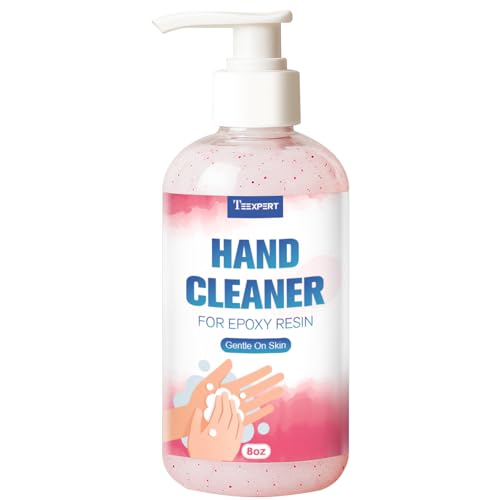



Understanding Epoxy Resin

Epoxy resin is a two-part adhesive that, when mixed together, creates a durable bond capable of withstanding various environmental conditions. This resilience makes it a popular choice for construction, automotive, and artistic applications. However, the same properties that make epoxy resin effective as an adhesive also make it challenging to remove once it cures. It can bond strongly to surfaces, and if not cleaned promptly, can become a permanent fixture on your tools. Therefore, understanding the nature of epoxy resin is vital for effective cleaning.

Epoxy resin can harden quickly, often within minutes, depending on the specific formulation used. This rapid curing means that timely cleaning is essential to prevent damage to your tools. If the resin is allowed to cure on tools, it can lead to significant build-up, which may require more aggressive cleaning methods, potentially damaging the tool’s surface in the process.
Tools You’ll Need

To efficiently remove epoxy resin from your tools, you should gather the following items before beginning your cleaning process:
– Solvents:
– Acetone: This highly effective solvent can dissolve cured epoxy resin. It is a popular choice for cleaning due to its availability and potency.
– Isopropyl Alcohol: While slightly less effective than acetone, isopropyl alcohol is still valuable for cleaning fresh epoxy resin and is safer for use on certain surfaces.
– Scrapers:
– Plastic Scrapers: Ideal for softer surfaces, plastic scrapers can remove epoxy without scratching the tool.
– Metal Scrapers: For tougher surfaces, metal scrapers can be used, but caution is necessary to avoid damaging the tool.
– Gloves: Use nitrile gloves to protect your skin from solvent exposure.
– Goggles: Safety goggles are essential to protect your eyes from splashes while using solvents.
Step-by-Step Cleaning Process

Cleaning epoxy resin off tools requires a systematic approach to ensure thoroughness and minimize damage. Follow these steps for effective cleaning:
– Immediate Action: After using epoxy resin, take immediate action by wiping excess resin off your tools with a paper towel. It is crucial to do this before the resin cures, as it will be much easier to clean.
– Soak: For stubborn spots where the resin has already begun to cure, soak a cloth in your chosen solvent (acetone or isopropyl alcohol) and press it against the affected area. Allow the solvent to penetrate for several minutes. This will soften the resin, making it easier to scrape off.
– Scrape: Use your scraper to gently remove the softened resin. Start with a plastic scraper to prevent any damage to the tool, switching to a metal scraper only if necessary.
– Final Clean: Once all the resin is removed, wash the tools with warm soapy water to eliminate any remaining solvent and resin residues. Rinse thoroughly and dry them completely to prevent rust and corrosion.
Tips for Preventing Epoxy Build-Up

Preventing epoxy from building up on your tools saves time and effort during cleanup. Here are some effective strategies:
– Apply a Release Agent: Before working with epoxy, apply a release agent or mold release spray on your tools. This creates a barrier that prevents the resin from sticking, making cleanup much simpler.
– Regular Maintenance: Regularly inspect and maintain your tools. Clean minor epoxy residues immediately to prevent them from hardening into stubborn spots.
– Use Disposable Tools: In cases where heavy epoxy use is expected, consider using disposable tools or brushes. This can eliminate the need for extensive cleaning altogether.
Safety Precautions
When cleaning epoxy resin, it’s essential to prioritize safety due to the chemicals involved. Follow these precautions:
– Ventilation: Always work in a well-ventilated area when using solvents to avoid inhaling harmful fumes. If possible, perform the cleaning outdoors or use a fan to circulate air.
– Protective Gear: As mentioned earlier, wear gloves and goggles to protect your skin and eyes. If you have sensitive skin or are particularly cautious, consider wearing a mask to avoid inhaling any fumes.
Alternative Cleaning Methods
If traditional cleaning methods do not yield satisfactory results, consider these alternative options:
– Heat Application: Using a heat gun can help soften the epoxy resin. Carefully apply heat to the resin until it becomes pliable, then scrape it off with a scraper. Be cautious to avoid overheating your tools.
– Commercial Cleaners: There are specialized epoxy removers available on the market that can effectively break down cured resin. These products are designed specifically for this purpose and may save you time and effort in tough cases.
Final Touches
After cleaning, ensure your tools are properly maintained:
– Wash Tools: After cleaning off the resin, wash your tools with warm soapy water. This step is crucial to remove any solvent residues that could affect your next batch of epoxy.
– Dry Thoroughly: Dry your tools completely after washing to prevent rust or corrosion, particularly on metal surfaces. Consider using a soft cloth or towel for drying.
By following these guidelines for cleaning epoxy resin from your tools, you can maintain their integrity and functionality. Timely and effective cleaning is essential, especially when working with such a strong adhesive. Utilizing the right solvents and techniques will ensure your tools remain in excellent condition for future use, while also safeguarding your health through proper safety measures.
In conclusion, keeping your tools free from epoxy resin is achievable with immediate action and the right methods. By preparing adequately, using effective cleaning techniques, and applying preventive measures, you can simplify the cleanup process and prolong the life of your tools.
Frequently Asked Questions
What is the best way to remove epoxy resin from tools?
The best way to remove epoxy resin from tools is to use a solvent like acetone or isopropyl alcohol. Apply the solvent to a cloth and rub the affected areas until the resin begins to dissolve. For stubborn spots, let the solvent sit for a few minutes before wiping it away. Always wear gloves and work in a well-ventilated area to ensure safety.
How can I prevent epoxy resin from sticking to my tools during projects?
To prevent epoxy resin from sticking to your tools, consider applying a release agent such as petroleum jelly or cooking spray before starting your project. This creates a barrier that makes cleaning easier afterward. Additionally, using tools made from non-stick materials can also help minimize resin adhesion.
Why is it important to clean epoxy resin off tools immediately after use?
It is important to clean epoxy resin off tools immediately after use because the resin can harden quickly, making it much more difficult to remove later. If left to cure, the resin can damage your tools and affect their performance. Prompt cleaning helps maintain your tools and ensures they are ready for your next project.
Which tools are most affected by epoxy resin and require special cleaning attention?
Tools that are most affected by epoxy resin include mixing containers, spatulas, brushes, and any surfaces that have come into contact with the resin. These tools often have irregular shapes that can trap resin, making thorough cleaning essential. Using disposable tools or liners for mixing can also help reduce cleanup time.
What household items can I use to effectively clean epoxy resin from my tools?
Household items like vinegar, baking soda, and soap can effectively clean epoxy resin from tools when used in combination with hot water. Soaking your tools in a mixture of hot water and soap can help loosen the resin. For tougher spots, creating a paste with baking soda and water can act as a gentle abrasive to scrub away the residue.
References
- Epoxy
https://en.wikipedia.org/wiki/Epoxy_resin - https://www.sciencedirect.com/topics/materials-science/epoxy-resins
https://www.sciencedirect.com/topics/materials-science/epoxy-resins - https://pubmed.ncbi.nlm.nih.gov/27528852/
https://pubmed.ncbi.nlm.nih.gov/27528852/ - CDC – NIOSH Pocket Guide to Chemical Hazards – 2-Isopropoxyethanol
https://www.cdc.gov/niosh/npg/npgd0357.html - Phosphorus availability and leaching losses in annual and perennial cropping systems in an upper …
https://www.nature.com/articles/s41598-021-99877-7 - https://www.bbc.com/news/health-50907406
https://www.bbc.com/news/health-50907406 - https://www.theguardian.com/society/2020/jul/15/what-is-epoxy-resin-and-how-is-it-used
https://www.theguardian.com/society/2020/jul/15/what-is-epoxy-resin-and-how-is-it-used - Google Scholar Google Scholar
https://scholar.google.com/scholar?q=cleaning+epoxy+resin+off+tools - Google Scholar Google Scholar
https://scholar.google.com/scholar?q=epoxy+resin+cleaning+techniques - Google Scholar Google Scholar
https://scholar.google.com/scholar?q=removing+epoxy+resin+from+tools
