
To keep bar soap clean, store it in a dry, ventilated area and avoid letting it sit in water. With the right care, you can maintain your bar soap’s hygiene and longevity. In this article, we’ll explore effective methods to keep your soap fresh and free from contaminants, ensuring it remains effective and safe for your skin.
Proper storage of bar soap is crucial, as it can easily become contaminated or degrade if not treated properly. Bar soap is a popular choice for many due to its eco-friendliness and effectiveness, but it requires some attention to maintain its integrity. By following the tips outlined in this guide, you can enhance your soap’s lifespan and maintain its cleanliness, thus supporting your overall hygiene routine.

Proper Storage Solutions

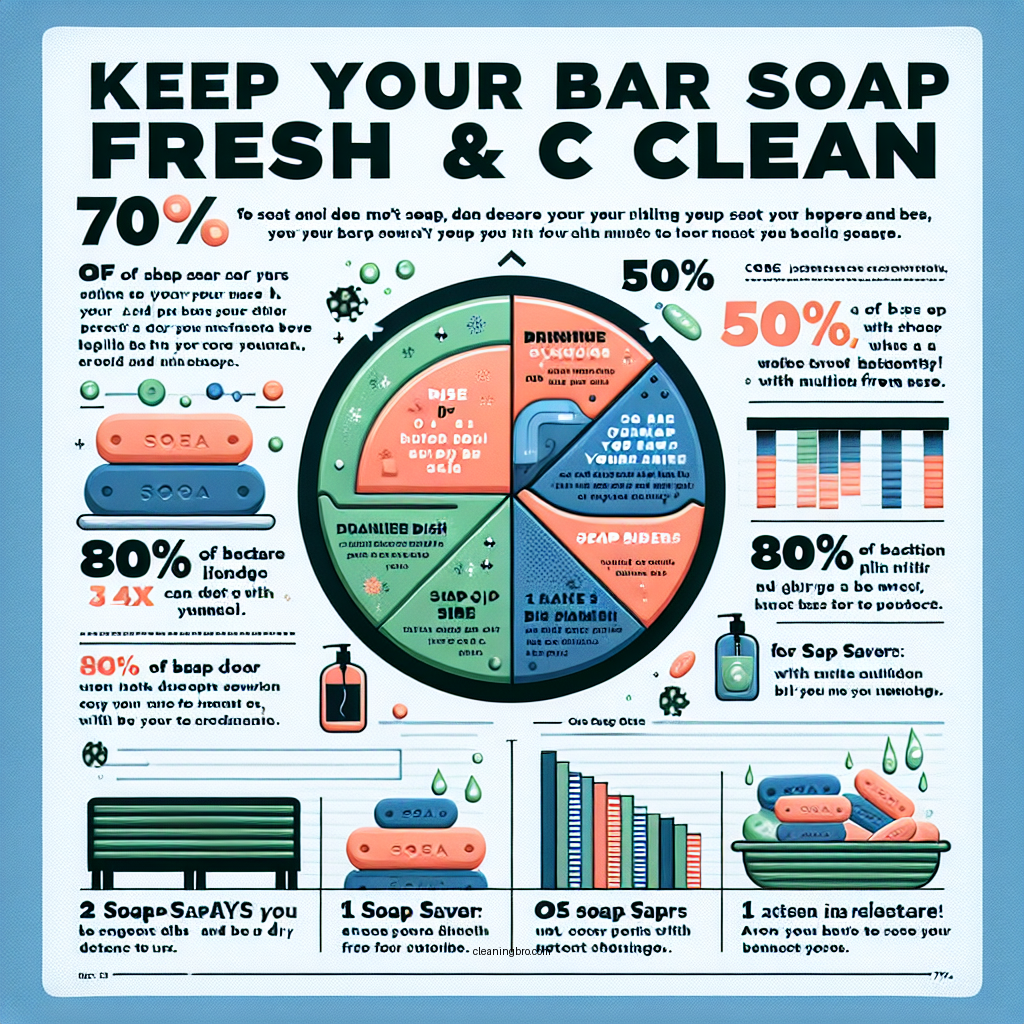
Choosing the right storage for your bar soap can significantly impact its cleanliness and longevity. A soap dish with drainage holes allows excess water to escape, preventing the soap from becoming mushy and harboring bacteria. Look for dish designs that encourage air circulation, keeping the soap dry between uses.
In addition, storing your soap in a cool, dry place, away from direct sunlight, is essential. Sunlight can cause the soap to melt or degrade its ingredients, ultimately affecting its quality. Consider placing your soap in a bathroom cabinet or a well-ventilated area to maintain its integrity.
Rinsing Techniques
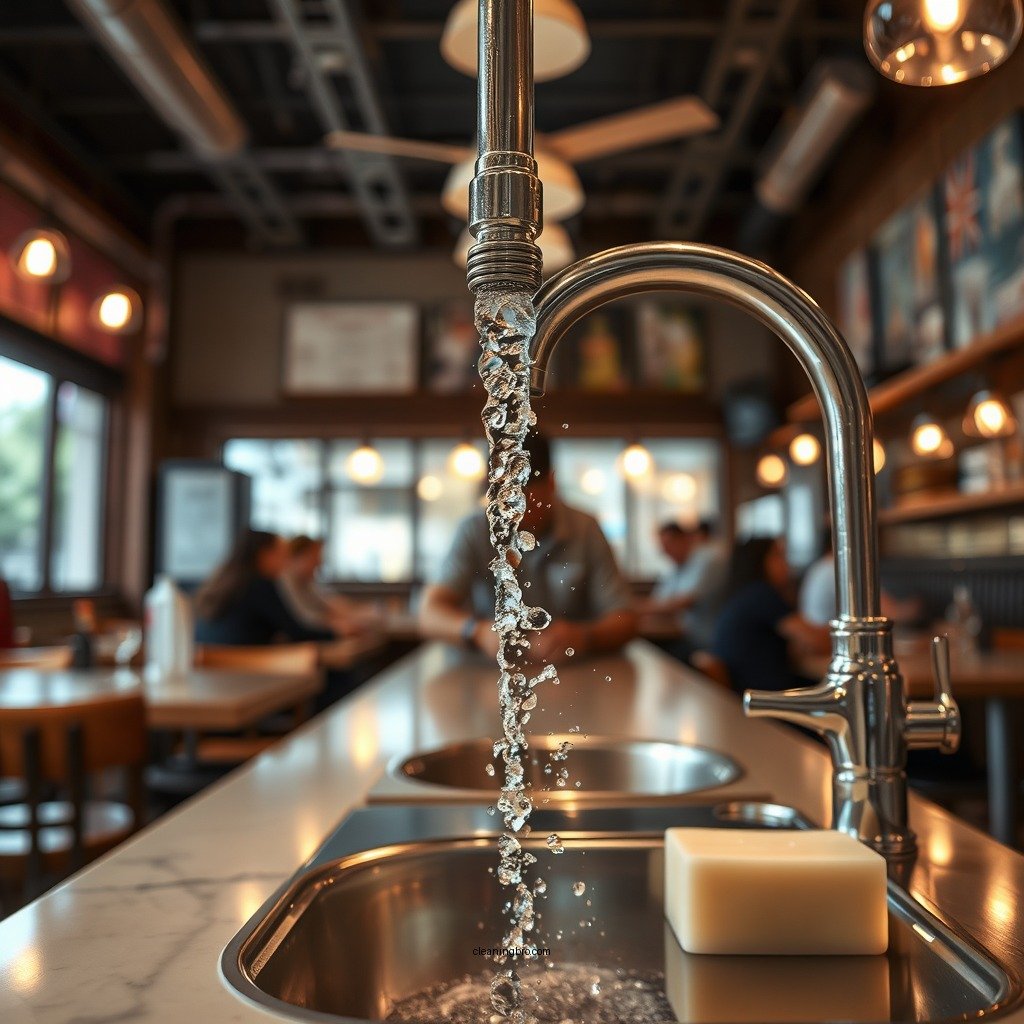
Rinsing your bar soap is a vital step in keeping it clean. Before using, a brief rinse under water can help remove any surface contaminants that may have settled during storage. This simple step can significantly reduce the risk of transferring bacteria onto your skin during use.
After each use, rinse the soap again to wash away lather, oils, and any possible residues that may accumulate. This not only keeps the soap clean but also helps maintain its original shape and prevents it from becoming overly soft or slimy.
Using Soap Savers
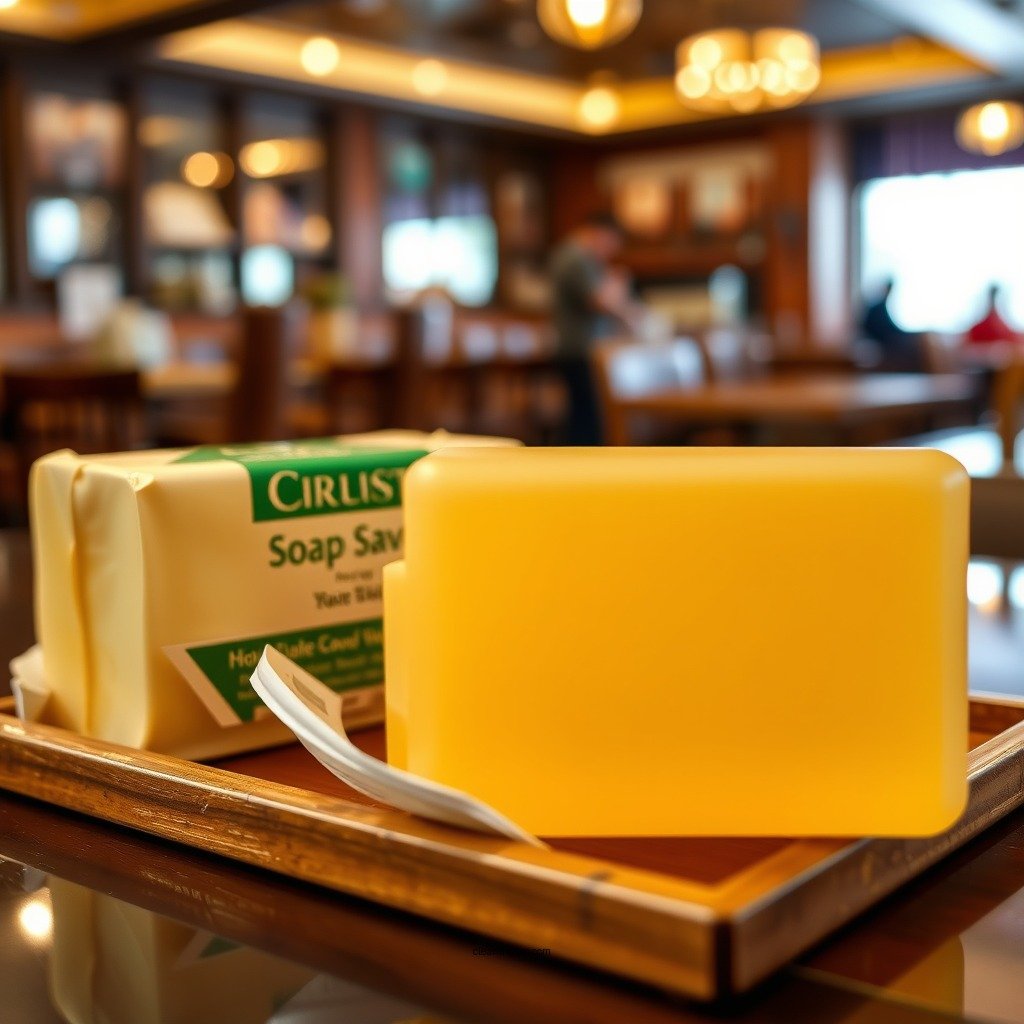
Using a soap saver or pouch can be an excellent way to prolong the life of your bar soap. These products are designed to hold and protect soap, reducing waste and keeping it contained. Many soap savers are made from natural fibers, which allow your soap to dry out between uses while preventing it from slipping out of your hands.
Additionally, soap savers can help you utilize every last bit of your soap. Instead of discarding small remnants, you can place them in the pouch and continue using them until they are fully consumed. This not only saves money but also contributes to a more sustainable lifestyle.
Top 7 Bar Soap Types by Longevity (2024)
| # | Soap Type | Average Lifespan (Months) | Moisture Resistance | Eco-Friendly |
|---|---|---|---|---|
| 1 | Castile Soap | 6 | High | Yes |
| 2 | Glycerin Soap | 5 | Moderate | Yes |
| 3 | Shea Butter Soap | 4 | High | Yes |
| 4 | Olive Oil Soap | 5 | Moderate | Yes |
| 5 | Coconut Oil Soap | 3 | Low | Yes |
| 6 | Tea Tree Oil Soap | 4 | High | Yes |
| 7 | Aloe Vera Soap | 5 | Moderate | Yes |
Maintenance Practices
Regular maintenance practices can drastically improve the lifespan of your bar soap. One effective strategy is to rotate your soap bars regularly. This ensures that no single bar becomes overly damp from continuous use, thereby preventing it from becoming mushy or developing bacterial growth.Moreover, avoid touching your soap with wet hands. This practice minimizes the transfer of bacteria from your hands to the soap, helping to keep it cleaner for longer. If you do find that your soap bar is becoming soft, consider cutting it into smaller pieces. This not only helps in managing its use but also allows for better drying between uses.
Clean the Soap Dish
The cleanliness of your soap dish is just as important as that of the soap itself. Regularly cleaning the soap dish helps eliminate soap scum and bacteria that can accumulate over time. Use warm, soapy water to scrub the dish and allow it to dry thoroughly before placing the soap back to ensure no moisture remains.
Consider using a soap dish made of materials that are easy to clean, such as ceramic or stainless steel, which can withstand frequent washing without degrading. Additionally, some soap dishes come with removable parts, making them easier to clean and maintain.
Understanding Soap Composition
Being informed about the ingredients in your soap can help you make better choices about the products you use. Some soaps contain additives that may attract dirt or bacteria more easily than others. Natural soaps with fewer synthetic components are generally more hygienic and less prone to contamination.
When selecting soap, consider those made from organic, plant-based ingredients. These soaps not only tend to be gentler on the skin but also maintain their integrity better when stored properly, which in turn keeps them cleaner.
When to Replace Bar Soap
Monitoring your soap for signs of deterioration is essential to maintaining hygiene. Look for discoloration, an unpleasant odor, or unusual textures that may indicate bacterial growth or spoilage. If your bar soap becomes overly soft or slimy, it’s a clear sign that it should be replaced.
Replacing your bar soap every few months, or sooner if you notice any of these signs, is crucial for ensuring your hygiene routine remains effective. Regularly updating your soap not only supports your skincare needs but also contributes to overall health and well-being.
Soap Storage Solutions: Soap Saver vs. Soap Dish vs. Pouch
| Feature | ⭐ Soap Saver | Soap Dish | Soap Pouch |
|---|---|---|---|
| Drying Capability | ✅ Excellent | ✅ Good | ❌ Limited |
| Ease of Use | ✅ Easy | ✅ Easy | ✅ Easy |
| Portability | ✅ Compact | ❌ Bulky | ✅ Portable |
| Aesthetic Appeal | ✅ Attractive | ✅ Stylish | ✅ Unique |
| Waste Reduction | ✅ Minimal | ❌ Some Waste | ✅ Minimal |
| Health Benefits | ✅ Reduces Bacteria | ❌ Limited | ✅ Reduces Bacteria |
| Material Options | Various | Plastic, Wood | Fabric |
| Price Range | $5-$15 | $10-$30 | $2-$10 |
| Durability | ✅ Long-lasting | ✅ Average | ✅ Limited |
| 🏆 Best For | Sustainable users | Traditionalists | Travelers |
By implementing these strategies, you can ensure that your bar soap remains clean and effective for daily use. Maintaining proper hygiene not only extends the life of your soap but also contributes to your overall health. A little attention to storage, rinsing techniques, and maintenance can go a long way in enhancing the effectiveness of your soap. For more tips, consider exploring additional resources on soap care and hygiene practices.
Frequently Asked Questions
How can I prevent my bar soap from getting mushy?
To prevent bar soap from becoming mushy, store it in a well-draining soap dish that allows water to escape. Additionally, avoid leaving it in direct contact with water after each use, and consider using a soap saver or a mesh bag to allow air circulation.
What is the best way to clean and maintain bar soap?
The best way to clean and maintain bar soap is to keep it dry between uses. After showering, place the soap in a dry area, away from moisture. Regularly rinsing the soap dish and removing any residue will also help maintain its cleanliness and prolong its life.
Why does my bar soap develop a slimy coating?
A slimy coating on bar soap usually occurs due to a buildup of soap scum and moisture. This can be minimized by using a soap dish with drainage and ensuring the soap is not submerged in water. Regular cleaning of the soap dish will also help prevent this issue.
Which type of soap dish is best for keeping bar soap clean?
The best type of soap dish for keeping bar soap clean is one that has drainage holes or elevated surfaces to allow excess water to escape. Look for materials that are easy to clean, such as ceramic or stainless steel, which can help reduce bacterial growth and soap scum buildup.
How often should I replace my bar soap to keep it hygienic?
It’s advisable to replace bar soap every 4 to 6 weeks or sooner if it shows signs of deterioration, such as an unpleasant smell or visible mold. Regularly changing your bar soap not only ensures hygiene but also enhances your bathing experience with fresh fragrances and effective cleansing properties.
References
- Soap
https://en.wikipedia.org/wiki/Soap - https://www.ncbi.nlm.nih.gov/pmc/articles/PMC7095260/
https://www.ncbi.nlm.nih.gov/pmc/articles/PMC7095260/ - https://www.cdc.gov/handwashing/when-how-handwashing.html
https://www.cdc.gov/handwashing/when-how-handwashing.html - https://www.mayoclinic.org/healthy-lifestyle/adult-health/in-depth/handwashing/art-20045502
https://www.mayoclinic.org/healthy-lifestyle/adult-health/in-depth/handwashing/art-20045502 - https://www.who.int/news-room/questions-and-answers/item/hand-hygiene
https://www.who.int/news-room/questions-and-answers/item/hand-hygiene - https://www.sciencedirect.com/science/article/pii/S0022354917303423
https://www.sciencedirect.com/science/article/pii/S0022354917303423 - https://pubmed.ncbi.nlm.nih.gov/29305689/
https://pubmed.ncbi.nlm.nih.gov/29305689/ - https://www.bbc.com/future/article/20200413-how-to-wash-your-hands-properly
https://www.bbc.com/future/article/20200413-how-to-wash-your-hands-properly - https://www.theguardian.com/lifeandstyle/2020/mar/06/how-to-wash-your-hands-properly
https://www.theguardian.com/lifeandstyle/2020/mar/06/how-to-wash-your-hands-properly - Google Scholar Google Scholar
https://scholar.google.com/scholar?q=how+to+keep+bar+soap+clean
