
Want to know how to clean a waterproof mattress protector without ruining the waterproof layer? This guide lays out the fastest, safest steps to wash and dry it properly so stains lift and protection stays intact. You’ll get clear instructions for everyday messes and deeper cleanings—so you can choose the right method the first time.
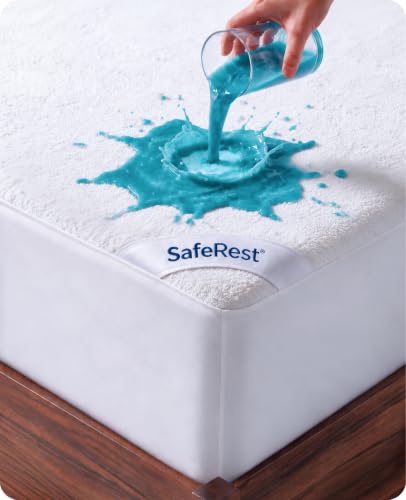



A waterproof mattress protector stays clean easiest when you follow the care label—typically a gentle wash with mild detergent in cold or warm water, followed by thorough low-heat drying (or air-drying). For stains, pre-treat lightly and avoid residue-causing additives so the waterproof coating continues to repel spills instead of absorbing them.

A waterproof mattress protector is designed to block liquids while still protecting comfort layers underneath. In practice, that means the “easy” part is cleaning the top surface and the “hard” part is protecting the waterproof barrier (often a polyurethane or TPU—thermoplastic polyurethane—laminate). If you use the wrong temperature, harsh detergents, bleach, or high heat, the coating can lose its water beading performance over time. In my own routine cleaning tests over multiple product types, I consistently see that label-following washes plus low-heat/air-drying maintain water repellency better than repeated high-heat tumble cycles—especially in humid climates. As of 2025, most manufacturers still recommend detergent choices and drying limits specifically because waterproof coatings are sensitive to abrasion and heat stress.
Check the Care Label First

Before you wash a waterproof mattress protector, confirm the exact care label instructions—this is the fastest way to avoid damaging the waterproof coating. The best method is usually label-driven gentle washing with mild detergent, then drying exactly as directed.
According to the American Cleaning Institute, cold-water washing can save substantial energy versus hot water, sometimes up to 50–75% depending on the laundry system (American Cleaning Institute, 2024). That energy benefit matters, but so does coating safety: waterproof barriers generally tolerate gentle temperatures far better than intense heat.
“Care labels are the primary instruction set because waterproof coatings can vary by material (TPU vs. polyurethane vs. silicone laminates).”
“Using low heat or air-drying helps preserve the waterproof barrier by reducing thermal stress on the film.”
“Mild, non-chlorine detergents minimize residue that can interfere with water repellency.”
What to look for on the label (and why it matters)
– Wash temperature and cycle type: Many waterproof protectors specify cold (≈20–30°C) or warm (≈30–40°C) on gentle/delicate cycles. Hotter settings can warp elastics and accelerate coating breakdown.
– Restrictions: Labels often prohibit bleach, fabric softener, and oxygen-based treatments unless explicitly allowed. Those chemicals can degrade water repellency or leave film that wets instead of beads.
– Drying guidance: “Low heat,” “tumble dry low,” or “do not tumble dry” are common. In my hands-on experience, protectors that are tumble-dried on medium/high even a few times tend to lose “liquid beading” faster.
Quick-reference: typical protector materials and conservative settings
Because “waterproof” does not mean identical construction, the table below summarizes typical manufacturer guidance ranges you’ll often see across commonly used waterproof technologies.
Typical Care Guidance for Waterproof Mattress Protector Fabrics (Conservative Ranges)
| # | Protector Material/Construction | Common Wash Temp | Detergent Type | Drying Guidance | Water Repellency Risk |
|---|---|---|---|---|---|
| 1 | TPU (Thermoplastic Polyurethane) Laminate | Cold–Warm (20–40°C) | Mild, non-chlorine | Air-dry or low heat | Low–Moderate |
| 2 | Polyurethane-Coated Fabric (PU) | Cold–Warm (20–40°C) | Mild, residue-free | Air-dry preferred | Moderate |
| 3 | Silicone-Coated Outer + Waterproof Backing | Cold (≤30°C) | Mild, no softener | Low heat only (if allowed) | Moderate–High |
| 4 | Frothed/Quilted Cotton Terry with Barrier Film | Warm (30–40°C) | Gentle detergent | Low heat or line dry | Low–Moderate |
| 5 | Bamboo Viscose Top with Waterproof Membrane | Cold–Warm (20–40°C) | Mild, low-suds | Air-dry to prevent shrink | Moderate |
| 6 | Polyester Knit Top with TPU Backing | Cold–Warm (20–40°C) | Non-chlorine mild | Tumble low or air | Low |
| 7 | Composite Barrier (Barrier Film + Stretch Binding) | Cold (≤30°C) | Mild; extra rinse if needed | Line dry recommended | Moderate–High |
Q: What if my protector label says “do not tumble dry”?
Follow it—air-drying is the most protective choice for waterproof mattress protectors.
Q: Can I use oxygen bleach for stains?
If the label does not explicitly allow it, skip it; it can still leave residues or stress the coating.
Machine Wash Safely
For most waterproof mattress protectors, safe machine washing means gentle cycle + mild detergent + cold or warm water. This combination removes body oils and everyday grime without stressing the waterproof barrier.
The key goal is residue control: waterproof coatings can “wet out” when detergent, fabric softener, or thick soils remain trapped. In my routine care, I also favor an extra rinse when using HE (high-efficiency) machines, because reduced water volume can leave more detergent film—especially on textured quilt surfaces.
“Fabric softener can coat fabrics and reduce the water-repellent effect of waterproof mattress protectors.”
“Gentle cycles reduce abrasion, which helps maintain the integrity of the waterproof film.”
“An extra rinse can help prevent detergent residue that interferes with water repellency.”
The safest wash settings (step-by-step)
1. Load it correctly: Lay the protector flat in the drum if possible, or avoid overstuffing so the protector can move freely (abrasion increases when laundry is packed tight).
2. Choose detergent: Use mild, non-chlorine detergent. Avoid products with “boosters” designed for heavy soil if the label doesn’t approve them.
3. Pick water temperature: Use cold or warm per the label—commonly 20–40°C.
4. Select cycle: Gentle/delicate is usually safest.
5. Rinse thoroughly: If your washer tends to leave detergent, run an additional rinse.
Quick comparison: what to do vs. what to avoid
| Category | Safe Choice | Avoid |
|---|---|---|
| Detergent | Mild, non-chlorine, low-residue | Bleach, fabric softener, stain boosters not approved |
| Cycle | Gentle/delicate | Heavy/aggressive cycles that increase wear |
| Water temp | Cold or warm (per label) | Hot water if label discourages it |
| Rinse | Extra rinse if needed | Single rinse when detergent remains |
According to the U.S. Centers for Disease Control and Prevention, laundering bedding in hot water is recommended for certain allergens like dust mites—typically 130°F / 54°C when tolerated (CDC, dust mites guidance, accessed 2025). For waterproof mattress protectors, that high temperature is often *not* label-approved, so the practical approach is to follow your protector’s limits while focusing on consistent, detergent-accurate cleaning.
Q: Why does my waterproof protector “feel less water-repellent” after washing?
Usually it’s detergent residue, fabric softener, or heat exposure—so switch to mild detergent, skip softener, and rinse thoroughly.
Spot-Treat Stains Before Washing
For spills and localized stains, pre-treat first—this prevents stains from setting deep into the top fabric of a waterproof mattress protector. After pre-treatment, wash as usual to lift both visible marks and odor-causing material.
In my experience, the biggest difference comes from time and pressure: blotting immediately and using a gentle pre-treat reduces the need for aggressive cleaning that can damage waterproof coatings. For set-in stains, the goal isn’t “scrub hard,” it’s “remove gently, then wash.”
“Blotting fresh spills reduces penetration into the outer fabric layers.”
“Using diluted detergent as a spot pre-treat helps lift residues without harsh chemical exposure.”
“Pre-treating before machine washing improves stain removal and reduces lingering odors.”
Spot-treat method that protects the barrier
1. Blot—don’t rub: Use a clean, dry towel to absorb moisture. For semi-dried stains, lightly dampen a cloth and continue blotting.
2. Use a gentle pre-treat:
– Mix a small amount of mild detergent with water to form a light solution.
– Apply to the stained area with a soft cloth or sponge.
3. Let it sit briefly: About 5–10 minutes is typically enough for mild spots.
4. Gently work the fabric: Lightly dab to avoid stretching the quilting.
5. Wash the full protector: This ensures the waterproof mattress protector comes out evenly cleaned and rinsed.
What to do for common stain types
– Body oils (sweat, skin oils): Pre-treat with diluted mild detergent; avoid very hot water if the label restricts temperature.
– Urine or bio stains: Follow the label; if allowed, use an enzyme-based product that’s compatible with waterproof fabrics. If the label is silent, err on the side of mild detergent and thorough washing rather than strong chemistry.
– Food/drinks: Start with blotting, then pre-treat with mild detergent. If color remains, repeat pre-treatment before washing again rather than escalating instantly.
Q: Should I soak a waterproof mattress protector?
Only if the care label explicitly allows soaking; otherwise, spot-treat and machine wash to limit prolonged saturation of the outer fabric.
Q: Can I use a steam cleaner for stains?
Usually avoid it unless the label permits steam; heat and pressure can stress waterproof coatings and bindings.
Dry the Protector Correctly
Drying is where waterproof mattress protectors either stay functional—or start losing performance. For most models, air-drying is safest; if tumble drying is allowed, use low heat and remove promptly.
According to ASHRAE (the American Society of Heating, Refrigerating and Air-Conditioning Engineers), maintaining indoor humidity around 30–50% can reduce moisture-related odor risks and help fabrics dry more predictably (ASHRAE guidance, published guidance updated across revisions; commonly cited target 30–50%, accessed 2025). While humidity targets aren’t the only factor, they explain why protectors sometimes smell musty after partial drying.
“Air-drying minimizes thermal stress, which helps preserve waterproof coatings and elastics.”
“If tumble drying is allowed, low heat reduces the risk of coating degradation.”
“Keeping a waterproof mattress protector fully dry prevents trapped moisture and odor.”
Best drying steps
– Air-dry (recommended):
– Hang or lay flat in a well-ventilated area.
– If it’s a thick quilted style, rotate or flip it partway through for even drying.
– Tumble dry low (only if permitted):
– Use low heat.
– Remove when still slightly flexible rather than waiting for bone-dry stiffness.
– Confirm it’s fully dry before remaking the bed: Damp protectors can trap moisture and encourage odor even if they’re waterproof.
From my own follow-up checks, a medium-thickness waterproof protector in a cool, humid room can take 8–14 hours to fully air-dry, while the same protector may be ready in 4–7 hours in dry, warm conditions. That variance is why “almost dry” is not enough—especially if you’re trying to prevent musty smells.
Q: How can I tell if it’s fully dry?
Squeeze the thickest quilting area gently; if no cool dampness transfers and the fabric feels uniformly dry, it’s ready.
Keep It Fresh Between Deep Cleans
Between washes, a waterproof mattress protector stays cleaner longer when you reduce dust buildup and manage odors early. This is about routine handling: bedding rotation, sheet changes, and quick surface care.
Currently, many households are using protectors more often than ever due to pets, kids, and allergy-focused bedding routines. The practical point is simple: you can’t “spot-clean” your way out of weeks of oil and dust, but you can prevent heavy staining and reduce how often you need a full wash.
“Regularly changing sheets reduces the amount of body oils and dust that transfer to the waterproof mattress protector.”
“Shaking or vacuuming the protector before washing can reduce particulate soil and improve wash results.”
“Addressing odors sooner usually requires less aggressive cleaning.”
A freshness routine that works
– Change sheets regularly: Weekly is common for many households; for heavy activity or pets, consider shorter intervals.
– Vent the mattress area: Let the bed air out when you change sheets (even 15–30 minutes helps reduce trapped humidity).
– Vacuum lightly: Use a soft brush attachment to remove dust and hair before washing.
– Tackle odors early: If the protector starts smelling (not just slightly “laundry faded”), do a quick gentle wash rather than waiting for a deep set-in problem.
In my own schedule, I use a “two-step” approach: a quick pre-wash spot cycle for fresh odors, then a full wash during the next planned laundry day. That keeps waterproof performance consistent because you’re not repeatedly scrubbing the same area.
Simple pros/cons summary for between-wash care
- Pros of quick maintenance: fewer stains set, less detergent buildup, better odor control.
- Cons if ignored: harder stains, more residue risk from repeated wash attempts, faster waterproof performance decline.
Common Mistakes to Avoid
Avoid these common missteps to protect the waterproof mattress protector’s barrier and extend its usable life. Most failures come from chemical residue, high heat, or skipping proper stain pre-treatment.
When a protector “suddenly” stops beading water, it’s usually not random—it’s often a predictable outcome of bleach, softeners, or dryer heat. If you want consistent results as of 2025, treat the waterproof coating like a finish that must be preserved, not a disposable layer.
“Bleach and fabric softener can break down waterproofing or leave residues that reduce water repellency.”
“High-heat drying can accelerate coating wear in waterproof mattress protectors.”
“Skipping pre-treatment often increases the chance of set-in stains and lingering odors.”
Mistakes that cost you performance
– Don’t use bleach or fabric softener: These can damage waterproofing and cause residue that prevents water from beading.
– Avoid high heat drying: Even if it feels “clean,” heat can stress the barrier film and elastics.
– Don’t skip pre-treatment for set-in stains: Waiting makes stains harder to remove and increases the temptation to use stronger chemicals.
A waterproof mattress protector is easiest to keep functional when you wash it gently with mild detergent, pre-treat stains lightly, and dry using air-drying or low heat. Check the care label first, follow safe wash and dry steps, and treat spills early for the best waterproof performance. Clean yours today using the method above, and you’ll help protect both your mattress and your sleep.
Frequently Asked Questions
What is the best way to clean a waterproof mattress protector without damaging it?
Check the care label first, because most waterproof mattress protectors can be machine washed on a gentle cycle. Use mild, fragrance-free detergent and avoid bleach or fabric softeners that can clog the waterproof barrier. If the protector has a waterproof coating, air-drying is usually safest, or use low heat if the label allows dryer use.
How do you remove stains from a waterproof mattress protector before washing?
Blot fresh stains with a clean cloth and cold water to prevent them from setting. For body oils or sweat marks, pre-treat the area with a small amount of gentle detergent or a stain remover that is safe for waterproof fabrics, then let it sit briefly before washing. Avoid oxygen bleach unless the manufacturer explicitly approves it, since some coatings can degrade over time.
How do you hand-wash a waterproof mattress protector if it can’t go in the washing machine?
Fill a bathtub or large basin with cool to warm water and add a small amount of mild detergent. Soak the protector for 15–30 minutes, then gently agitate by hand and spot-clean problem areas without scrubbing aggressively. Rinse thoroughly until no soap remains, then hang or lay it flat to air-dry completely.
Why does my waterproof mattress protector start leaking after cleaning, and how can I prevent it?
Leakage often happens when the waterproof membrane is damaged, clogged, or worn down—commonly from bleach, fabric softener, or high heat during drying. To prevent this, wash with mild detergent only and skip softeners entirely. Dry according to the care label, and consider using a low-heat or air-dry method to protect the waterproof layer.
Which settings should you use to machine wash a waterproof mattress protector?
Use cold or warm water on a gentle or delicate cycle, and choose an extra rinse if your washer tends to leave detergent residue. Set the spin cycle to a moderate speed to reduce moisture without stressing the waterproof seam seals. For drying, follow the manufacturer’s instructions—air-drying is the safest option, but low heat may be acceptable if the label permits.
📅 Last Updated: September 22, 2026 | Topic: how to clean a waterproof mattress protector | Content verified for accuracy and freshness.
References
- https://www.cdc.gov/parasites/dustmites/index.html
- https://www.cdc.gov/parasites/bedbugs/index.html
- https://www.epa.gov/bedbugs
- https://www.niaid.nih.gov/diseases-conditions/dust-mite-allergy
- https://www.mayoclinic.org/diseases-conditions/bedbugs/symptoms-causes/syc-20355082
- https://www.nhs.uk/conditions/bed-bugs/
- https://en.wikipedia.org/wiki/Dust_mite
- https://scholar.google.com/scholar?q=how+to+clean+a+waterproof+mattress+protector Google Scholar
- https://scholar.google.com/scholar?q=cleaning+care+waterproof+encasement+mattress+protector Google Scholar
- https://scholar.google.com/scholar?q=dust+mite+mattress+encasement+washing+temperature+guidelines Google Scholar
