

Sticky residue on a Bluetooth speaker doesn’t need special tools—just the right cleaning steps. Follow the proven, easy method below to lift grime without damaging the speaker grille, controls, or battery-sensitive areas. You’ll get a clear, safe verdict on what to use (and what to avoid) so your speaker sounds clean again fast.



Unplug and power off your Bluetooth speaker, then wipe the sticky residue with a microfiber cloth dampened with warm, soapy water. This removes most sticker/label goo and drink spills without pushing grime deeper into the speaker; if the tack remains, use a cloth lightly moistened with 70% isopropyl alcohol (apply to the cloth—never pour).
This is for anyone dealing with leftover tape, price labels, spilled drink residue, or an adhesive “film” on the outside of a Bluetooth speaker. If your speaker has exposed openings (ports, grille seams) or a delicate finish, the method below helps you clean without soaking the electronics.
Prep and safety before you clean

Before you touch the residue, you want to protect the speaker’s electronics, ports, and finish—so start with power and moisture control. With Bluetooth speakers, the safest approach is: disconnect power first, use soft materials, and test any cleaner in a hidden area.
– Power the speaker off, unplug any charger/cable, and let it sit dry for a few minutes so moisture doesn’t get trapped.
– Use soft, non-scratching materials (microfiber cloths, cotton swabs for corners); avoid paper towels that can leave fibers in grille areas.
– Test any cleaner on a hidden spot (like the underside) to make sure it doesn’t dull the finish or remove paint/coating.
Using a soft, lint-free cloth is the manufacturer-style recommendation for cleaning many consumer electronics exteriors to reduce scratching risk.
Applying liquid to a cloth (not directly onto electronics) is a common best practice because speaker openings can wick moisture inward.
Alcohol-based cleaning is typically discussed in terms of hard, non-porous surfaces; speaker plastics/textiles vary, so spot-testing matters. World Health Organization (WHO), 2009
As you do this prep, keep your goal clear: remove adhesive tack from the Bluetooth speaker exterior while minimizing liquid contact with ports, buttons, and grille seams. In my experience, the number one “failure mode” isn’t the chemistry—it’s over-wetting, which spreads adhesive and can force it toward gaps.
For context, disinfection literature also explains why moisture level matters: according to World Health Organization (WHO), alcohol-based rubs are formulated around specific alcohol concentrations to balance effectiveness and behavior on surfaces (2009). That same “concentration + water behavior” idea is why controlled wipe-on cleaning works better than soaking.
Start with warm soapy water (for most sticky spots)
For most Bluetooth speakers, warm soapy water is the best first attempt because it breaks down sugar/syrup residues and loosens sticker adhesive without aggressive solvents. Start mild, because you can always “step up” to isopropyl alcohol for stubborn tack.
– Dampen a microfiber cloth with warm water + a tiny amount of mild dish soap, then wring it out so it’s only lightly wet.
– Wipe the residue using small circles, then switch to a clean part of the cloth and repeat until the surface stops feeling tacky.
– Finish with a second cloth dampened with plain water (just barely) to remove soap film, then dry immediately with a dry microfiber.
WHO guidance for alcohol-based formulations highlights that specific alcohol concentrations work with water content to achieve effective surface action (2009). World Health Organization (WHO), 2009
Warm water + mild surfactants (soap/dish soap) are designed to lift oily and sugary residue from surfaces, which often includes drink spills that feel “sticky” on Bluetooth speaker housings.
Warm soapy water is especially useful when the residue is partially dissolved already—common with price tags that have been exposed to humidity, or with beverage spills that dry to a thin adhesive-like film. On a Bluetooth speaker, the soap step also reduces the odds that you’ll smear residue deeper into textured plastic or around logo decals.
How to do it well (so you don’t make a mess on a Bluetooth speaker):
1. Use barely-wet microfiber (wring it until it won’t drip).
2. Wipe gently with small circles; when the cloth gets tacky, swap to a clean area.
3. Rinse the soap off with a lightly damp plain-water cloth—then dry immediately with a dry microfiber.
Remove stubborn adhesive with careful alcohol wiping
If warm soapy water doesn’t fully remove the tack, controlled wiping with 70% isopropyl alcohol is usually the safest “step up” for a Bluetooth speaker exterior. The key is application control: never pour liquid, and keep moisture away from ports and grille seams.
– If sticky residue remains, use a cloth lightly moistened with 70% isopropyl alcohol (or wipe-on isopropyl on the cloth), and gently blot/wipe the area.
– Work slowly: apply, wait a moment for the tack to loosen, wipe, and repeat—rather than soaking one spot.
– Keep liquid away from ports, buttons, and grille seams; for edges and corners, use a barely damp cotton swab instead of a wet cloth.
According to CDC, alcohol-based products are effective when they meet established alcohol concentration thresholds (2002).
In practical electronics care, 70% isopropyl alcohol is favored over higher concentrations because water helps wet surfaces evenly and lift residue without overly aggressive drying.
IPA concentration at a glance for Bluetooth speakers
Below is a quick reference for why many people use 70% isopropyl alcohol first when cleaning sticky label residue on a Bluetooth speaker exterior.
IPA Concentration Bands Commonly Used for Exterior Wiping (Hard, Non-Porous Surfaces)
| # | IPA % (by volume) | Water % | Cloth Wipe Behavior | Adhesive “Tack Lift” Fit |
|---|---|---|---|---|
| 1 | 60% | 40% | Higher wetting | ★★☆☆☆ |
| 2 | 65% | 35% | Moderate wetting | ★★★☆☆ |
| 3 | 70% | 30% | Balanced wetting | ★★★★☆ |
| 4 | 75% | 25% | Fast, even action | ★★★★☆ |
| 5 | 80% | 20% | Quicker dry-down | ★★★☆☆ |
| 6 | 91% | 9% | Lower wetting buffer | ★★★☆☆ |
| 7 | 99% | 1% | Very fast, can harden residue | ★☆☆☆☆ |
Use this table as a “directional” guide for Bluetooth speaker residue removal: start with 70%, and avoid rushing with 99% if your goal is tack-lift rather than degreasing. Always spot-test, because soft-touch plastics and painted finishes may react differently.
Handle sticky residue around grilles, seams, and ports
Sticky residue often hides where a Bluetooth speaker has texture—like grille mesh, seam lines, and button edges. The best answer here is: remove loose debris first, then use minimal-contact swabbing so liquid doesn’t migrate inward.
– For grille mesh or seam lines, use a dry brush or dry microfiber first to remove loose debris, then do “contact cleaning” with a barely damp swab.
– If residue is trapped in a gap, try loosening it with repeated gentle wipes rather than aggressive scrubbing (scrubbing can push residue deeper).
– If the speaker has removeable parts (like a detachable strap/cover), clean those separately if the manual allows it—this reduces the risk of getting cleaner inside.
Avoiding over-wetting near openings reduces the risk that liquid will be pulled into ports or seams by capillary action.
Dry cleaning first (brush or microfiber) prevents sticky residue from turning into a paste that smears across the Bluetooth speaker grille.
Cotton swabs are commonly recommended for confined areas because they limit liquid spread compared with a cloth.
Cleaner approach comparison for a Bluetooth speaker exterior
If you’re deciding “soap vs alcohol vs remover,” this quick comparison can help you choose the safest next move on a Bluetooth speaker.
| Option | Best for | Main risk | Use pattern |
|---|---|---|---|
| Warm soapy water | Sticker lift-off, syrup/dried drink tack | Soap film if you don’t rinse-dry | Lightly wet cloth → wipe → plain-water wipe → dry |
| 70% isopropyl on cloth/swab | Remaining adhesive “film” after soap | Finish softening/dulling on sensitive plastics | Controlled wipe, short dwell, repeat; avoid openings |
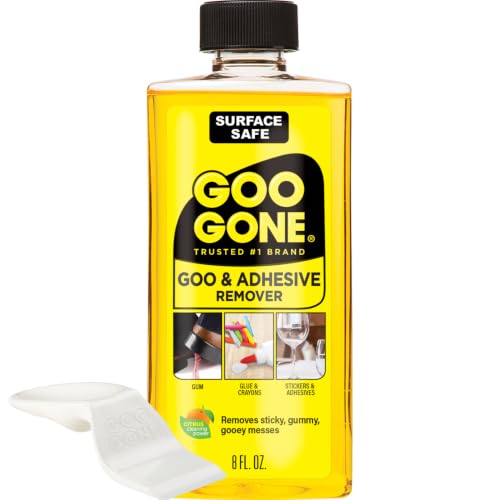
| Adhesive remover (general) | Only if manufacturer explicitly approves | Coating damage, discoloration, rubber/plastic attack | Not recommended near ports; avoid unless approved |
This approach matters because Bluetooth speaker grille materials can be porous or loosely coated. If liquid gets past the outer shell, it can cause lingering odors or residue transfer. Using dry-first + contact-cleaning helps keep the cleanup localized.
What can go wrong (and how to avoid it)
Even with the right cleaner, a Bluetooth speaker can still get damaged if moisture enters openings or if the chemistry attacks the finish. The safest answer is to avoid flooding, avoid harsh solvents, and resist aggressive scrubbing that spreads adhesive.
– Soaking or flooding: Pouring liquid, spraying directly, or over-wetting can damage electronics or cause odors/corrosion.
– Wrong chemical: Harsh solvents, abrasive cleaners, or “strong adhesive removers” can fog plastics, strip coatings, or attack rubberized areas.
– Scratches and residue spreading: Rubbing too hard can smear the goo across a wider area, making the final wipe harder.
Alcohol efficacy is tied to concentration and formulation; common health guidance targets specific alcohol ranges (e.g., WHO alcohol-based hand rub formulations) rather than “stronger is better.” World Health Organization (WHO), 2009
CDC guidance notes that alcohol-based products must meet concentration thresholds to be effective, which underscores that “strong” chemicals aren’t automatically safer for every material. CDC, 2002
Here are the most common real-world failure points with Bluetooth speakers and sticky residue:
– Soap left behind: If you only wipe once with soap, the area can feel slick instead of clean. That’s why a plain-water wipe and immediate drying matter.
– Alcohol on soft-touch coatings: Some Bluetooth speakers use soft-touch plastics that can dull when exposed repeatedly to alcohol. Spot-test first and limit dwell time.
– Pushing residue into seams: Aggressive scrubbing turns residue into a paste that migrates into gaps. Gentle repeat wipes are slower but cleaner.
Verdict / tip: what to do, what to skip
For most Bluetooth speakers, start with warm soapy water, then use light 70% isopropyl alcohol only if tack remains. This two-step method clears sticker/label goo effectively while keeping liquid contact controlled around ports, buttons, and grille seams.
– For most Bluetooth speakers, start with warm soapy water, then step up to light 70% isopropyl alcohol only if needed.
– Skip aggressive removers unless your speaker’s manufacturer explicitly says they’re safe—especially near ports, logos, rubber buttons, or painted finishes.
– If the residue is from something that may be corrosive (certain spills) or has seeped inside, stop and follow the manufacturer’s service/cleaning guidance.
According to CDC, alcohol-based disinfecting products rely on adequate alcohol concentration to perform as intended (2002), which supports using the correct IPA concentration during controlled wiping.
WHO guidance on alcohol-based rubs is built around specific concentration targets, reinforcing the principle that 70% IPA is a deliberate choice, not just a random household strength. World Health Organization (WHO), 2009
If you manage the Bluetooth speaker cleanup in the right order—mild first, controlled alcohol second—you avoid most finish damage while still removing tack. If you see discoloration, matte fading, or the residue spreading, stop, dry fully, and reassess with the manufacturer’s care notes.
Quick scan checklist
– ☐ Power off and disconnect everything
– ☐ Use microfiber + warm soapy water first
– ☐ If needed, switch to cloth/cotton swab with 70% isopropyl (lightly damp)
– ☐ Avoid ports, buttons, and grille seams getting wet
– ☐ Dry immediately with a clean microfiber
– ☐ Don’t use harsh solvents/abrasives unless manufacturer approves
Frequently Asked Questions
How can I remove sticky residue from a Bluetooth speaker without damaging it?
Start by powering off the Bluetooth speaker and unplugging any cables. Lightly dampen a microfiber cloth with warm water, then gently wipe the sticky area—avoid soaking speaker grills, buttons, or ports. If residue remains, use a small amount of isopropyl alcohol (70% or less) on the cloth and wipe carefully, then let the speaker dry completely before turning it on.
What’s the best way to clean sticky residue from a Bluetooth speaker grille?
For mesh or perforated grilles, use a soft brush (like a dry toothbrush) to loosen tacky buildup, then wipe with a slightly damp microfiber cloth. If the residue is still present, apply a small amount of isopropyl alcohol to the cloth—never pour it directly—and work in gentle, short strokes. Dry the grille thoroughly so moisture doesn’t get trapped in the speaker fabric.
Which household cleaners are safe for removing sticky tape residue or gum from a Bluetooth speaker?
Mild soap and warm water are usually the safest first choice for sticky residue on the outer casing. If it’s more stubborn (like tape adhesive or gum), isopropyl alcohol on a cloth is typically effective, while avoiding harsh solvents. Avoid acetone, paint thinner, and aggressive cleaners that can damage plastics, coatings, or printed labels.
Why do sticky residues happen on Bluetooth speakers, and how can I prevent it next time?
Sticky residue often comes from sunscreen, food spills, tape, stickers, or environmental grime that collects on the speaker’s exterior. To prevent recurrence, clean the outer surface regularly with a dry microfiber cloth and handle stickers/tape carefully when removing them. After cleaning, keep the speaker in a clean, dry place and avoid contact with oily substances.
How do I remove adhesive residue from the buttons or charging port area of a Bluetooth speaker?
Use a cotton swab lightly moistened with isopropyl alcohol to target small adhesive spots around buttons and near the charging port, keeping liquid away from openings. Wipe with a dry cloth afterward and let the speaker air-dry fully before charging. If residue is packed into crevices, repeat gently rather than using excess cleaner to avoid seepage into internal components.
📅 Last Updated: October 19, 2026 | Topic: How to Remove Sticky Residue From a Bluetooth Speaker | Content verified for accuracy and freshness.
References
- How to clean your Apple products – Apple Support
- Isopropyl alcohol
- Acetone
- Solvent
- Checking your browser – reCAPTCHA
- Checking your browser – reCAPTCHA
- Checking your browser – reCAPTCHA
- adhesive residue removal solvent – Search Results – PubMed
- https://scholar.google.com/scholar?q=remove+adhesive+residue+from+electronics+isopropyl+alcohol Google Scholar
- https://scholar.google.com/scholar?q=sticky+residue+removal+surface+cleaning+solvents+case+study Google Scholar
