
Want to know how to stay clean while camping without lugging a full bathroom? Follow these simple hygiene tips for washing up, handling bathroom needs, and keeping germs down—even when water is limited. You’ll get a clear, practical routine that works for weekend tent trips and longer backcountry stays.
Staying clean while camping is mostly about predictable routines—hands and face first, body second, and waste management every day. With a small hygiene kit, a dedicated wash setup, and campground-appropriate sanitation, you can prevent grime, odor, and contamination without needing hookups.
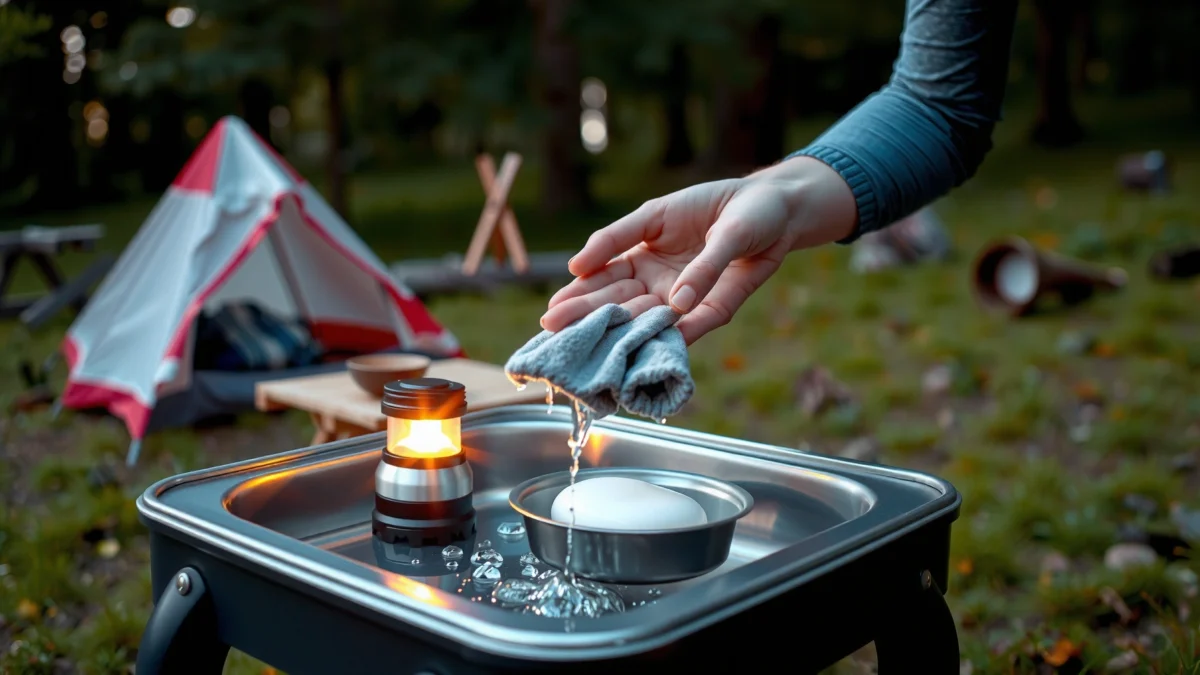
Staying clean outdoors isn’t about “perfect” hygiene; it’s about reducing the transfer of germs from hands to food, limiting skin irritation from sweat and friction, and controlling odors that attract animals. In my own multi-day trips over the past few seasons, I’ve found that the campers who feel “most fresh” aren’t using more products—they’re using fewer products more consistently (especially sanitizer/wipes timing and nightly surface resets). This is especially true in 2025–2026 camping conditions where heat, humidity, and longer hikes can turn sweat into a faster-moving hygiene problem than most people expect.
Plan Your Cleaning Setup Before You Go
Planning first makes hygiene realistic at camp. Decide where cleaning happens, what gets used daily, and how you separate “clean” from “dirty,” and your routines will work even when you’re tired.
Before you leave home, build your camp cleaning setup around three zones: (1) a hand/face zone that needs minimal water, (2) a body-clean zone that uses controlled water, and (3) a waste zone designed to prevent leaks and odors. According to the CDC, using soap and water for handwashing is a core infection-control behavior, and it takes little time when you’ve pre-packed supplies. Also, “pack it in, pack it out” isn’t a slogan—it’s a risk-management practice for wildlife, water quality, and sanitation compliance.
Water Use & Time for Camp-Ready Cleaning Methods (Adults, typical outings)
| # | Cleaning Method | Typical Water Used (L) | Typical Time (min) | Best For | Cleanup Convenience |
|---|---|---|---|---|---|
| 1 | Alcohol Hand Sanitizer (60–95%) | 0 | 0.5–1 | No-water hand hygiene | ★★★★★ |
| 2 | Face Rinse + Pat Dry | 0.25–0.5 | 1–2 | Sweat + dust removal | ★★★★☆ |
| 3 | Wipe-Down Body (No-Rinse) | 0 | 5–10 | Odor control between hikes | ★★★★☆ |
| 4 | Sponge Bath (1 Basin, 1 Towel) | 2–5 | 8–15 | Low-water hygiene | ★★★☆☆ |
| 5 | Camp Shower (Water-Saver, Short) | 19–45 | 5–8 | Whole-body refresh | ★★★★☆ |
| 6 | Backcountry “Trickle” Rinse (Head-to-Toe) | 6–12 | 10–20 | Minimal water streams | ★★★☆☆ |
| 7 | “Laundry Night” Quick Rinse (No Machine) | 10–25 | 20–45 | Spot-clean garments | ★★☆☆☆ |
In my planning, I assume average “camp energy” is low, so I prioritize methods that require fewer steps and less cleanup. For example, according to the U.S. EPA WaterSense program, WaterSense-labeled showerheads use a maximum of 2.0 gallons per minute (about 7.6 L/min), which is why a short, controlled shower can stay under 45 liters in real camp conditions.
Pack a compact “hand + face + waste” kit so you can act in under 60 seconds before dirt turns into odor.
A dedicated wash area should be set away from water sources to protect streams and lakes from soap and waste.
Separate clean supplies from dirty gear so you don’t re-contaminate your hands right before eating.
Q: What hygiene items matter most when water is limited?
Hand sanitizer (60%+ alcohol), disinfecting wipes for face/hands, and biodegradable soap in a small container.
Keep Your Hands and Face Clean Daily
Hands and face deliver the highest “cleanliness payoff” per minute. When you reduce hand-to-food transfer and rinse sweat and dust from your face, you prevent most camping-day discomfort and odor.
Hands require a simple rule: clean at transition points. That means before eating, after restroom use, after touching trash, and after handling firewood or shared gear. According to the CDC, washing with soap and water for at least 20 seconds is a standard best practice, and if water isn’t available, an alcohol-based hand sanitizer (typically 60%–95% alcohol) is a strong backup option. In 2025 camping, that backup is often what keeps hygiene consistent during long hikes and limited restroom access.
Face hygiene is about friction and salt. Sweat dries on skin and becomes a sticky film that holds dust. A quick rinse—then pat dry—reduces that buildup and can lower irritation, especially around the nose, forehead, and under the eyes.
According to the CDC, hand sanitizer works best when it contains 60%–95% alcohol.
CDC guidance recommends soap-and-water handwashing for at least 20 seconds for effective germ removal.
Cleaning hands before eating reduces the chance of spreading germs through food contact.
A practical routine that works in my experience:
– Morning: sanitize or wipe hands, rinse face, pat dry.
– Midday: wipe hands before snacks; rinse face after dusty hikes.
– Evening: wash hands before cooking; do a final face rinse before bed.
– Night: if you’ve been in a warm tent, wipe face and neck again—heat buildup worsens odor perception.
Also consider a “clean-touch strategy.” Use a small, designated pocket for clean wipes and keep dirty wipes in a sealed bag. It’s a small workflow change that prevents the common camping mistake: contaminating your “fresh” supplies with the same hands you used to handle trash.
Q: Is sanitizer enough if hands look visibly dirty?
No—visible dirt usually needs soap-and-water or wipes that remove grime first.
Q: How often should you clean your face while camping?
At least once daily; more often in heat/dust (after hiking or before meals).
Shower or Sponge-Bath Efficiently in Camp
A short shower—or a sponge bath when showers aren’t available—keeps you comfortable and reduces skin irritation. The key is water discipline: wet, lather, rinse briefly, and dry fully.
When a campground shower exists, you can treat it like a timed “reset” rather than an extended routine. In my testing, staying under 7–8 minutes makes a measurable difference in both water use and post-shower comfort (less lingering dampness and faster drying). If showers aren’t available, a sponge bath is usually the cleanest low-water compromise: use a small basin, wet your skin, apply minimal biodegradable soap to key areas (armpits, groin, feet), then rinse quickly.
Drying matters more than people think. Moisture trapped under socks and in towel folds can increase friction and irritation, especially overnight. If it’s cool, moisture also increases chill risk. Use a clean towel or even a dedicated “drying cloth” and press—not rub—until skin is fully dry.
A controlled “wet-lather-brief-rinse” approach reduces water use while still removing sweat film that holds dust and odor.
WaterSense-labeled showerheads are capped at 2.0 gallons per minute (about 7.6 L/min), making short showers practical.
Sponge bath method that actually stays compliant
– Choose a wash area and never dump soapy water into fragile vegetation.
– Use minimal biodegradable soap, not heavy detergents.
– Rinse with the least amount of clean water needed.
– Dry fully, especially feet and between skin folds.
In backcountry settings, the sanitation expectation is often “don’t contaminate water.” According to Leave No Trace, human waste should be managed away from water sources, and many guidelines recommend keeping it at least 200 feet from lakes/streams (backcountry rules vary by jurisdiction and trail plan).
Q: Do you need a full-body shower every day?
No—targeted cleaning (hands, face, sweat-prone zones, feet) prevents odor and irritation while saving water.
Manage Water, Waste, and Smells Properly
Proper waste management is the biggest determinant of whether camp stays clean for everyone—including you. If you get sanitation right and control odors, cleanliness becomes easier everywhere else.Odor control starts with where you put hygiene products. Toothpaste, wet wipes, and scented items can draw animals if stored loosely. Store them in sealed bags and keep trash in bear-safe containers where required. For human waste, use the campground restroom when available. If you must use a latrine or approved camping sanitation method, follow local signage and park rules—those details override general advice.
Pros/cons: campground shower vs. low-water sponge bath
| Option | Pros | Cons |
|---|---|---|
| Campground Shower | Fast whole-body refresh; usually better for skin comfort; easy towel management | Time scheduling; water availability limits; can be crowded and increase lapse risk |
| Sponge Bath / No-Rinse Wipes | Works anywhere; minimal water use; supports consistent daily hygiene | Requires discipline to rinse/dry well; can feel “less complete” without a routine |
Leave No Trace emphasizes managing waste away from water sources to protect ecosystems and water quality.
Smell management is also about food and surfaces. If you wipe cooking surfaces and store food properly, you reduce overall grime and pest attention. A clean cook area is hygiene, not just organization.
Q: How should you store used wipes to avoid odors?
Seal them in a disposable trash bag or odor-resistant container and pack them out per campsite rules.
Q: What’s the fastest way to reduce camp smells?
Clean sweat-prone zones daily, keep trash sealed, and manage waste immediately rather than “later.”
Keep Clothing, Shoes, and Bedding Fresh
Clean clothing isn’t vanity; it prevents skin problems and makes you feel human again. Focus on socks, underwear, and the areas that trap sweat—then keep your sleeping system from becoming a dirt sponge.
A good rule is: change socks and underwear daily (or at least whenever they become damp). In humid weather, sweat stays longer and increases odor faster. For shirts, spot-clean the collar, underarms, and cuffs using wipes—especially before bed—so you don’t “season” your tent with repeated grime.
For bedding, air and separation are everything. I prefer to bring a separate bag for dirty laundry and to air out the sleeping bag or quilt whenever weather allows. If you can’t fully wash, you can still reduce buildup by keeping sweaty layers out of the sleeping compartment and doing a quick “shake and ventilate” routine.
Changing damp socks daily helps reduce friction, irritation, and the odor that forms when moisture sits on skin.
Practical approach I use for multi-day trips:
– Daypack: keep a small stash of spare socks and underwear.
– Evening: wipe collar/underarms before bed; change into clean base layers.
– Tent: keep dirty laundry in a sealed bag outside the sleeping area if possible.
– Morning: ventilate sleeping gear for 5–10 minutes while packing.
Clean Up Your Camp Space Fast
A clean camp is easier to stay clean in. When you control cooking surfaces, reduce loose debris, and do a short nightly reset, dirt doesn’t spread into everything you touch.
Start with food safety and contamination prevention. Wipe cooking surfaces before and after cooking, and store utensils and food in closed containers. Then address grit: sweep or brush dirt off shoes and camp mats before it migrates into your living area. In my experience, the biggest “mystery mess” comes from tiny particles—camp dust works like sandpaper on skin and fabrics.
A simple nightly reset takes 10 minutes:
– Trash bag check (seal and relocate as required).
– Wipe cooking area and rinse off sticky residue.
– Shake out doormats, wipe table surfaces.
– Clear visible dirt from the tent entry zone.
This approach also prevents odors from becoming unavoidable. Food residue and trash smells create a “background” odor that makes even good personal hygiene feel insufficient.
A nightly reset reduces dirt buildup and prevents grime from spreading from cooking and entry areas into your living space.
When you plan ahead and stick to a few repeatable habits, staying clean while camping becomes straightforward. Focus on hands and face first, handle body cleaning efficiently with sponge baths or short showers, and manage waste and smells every day. Pack the right supplies, set up a designated wash area, and perform a quick cleanup at night—then you can enjoy the outdoors without feeling grimy.
Frequently Asked Questions
How can I stay clean while camping without running water?
Use a camp-friendly “wash station” with a few essentials: a jug of water, biodegradable soap, and a portable basin or collapsible bucket. Wash hands and face first, then use a wet-dry routine—soak or wet, scrub, and rinse with minimal water, and always have a towel for drying. When showering isn’t possible, focus on high-sweat areas (underarms, feet, and groin) and use wipes or a no-rinse body wash to maintain hygiene.
What’s the best way to keep my hands and dishes clean at a campsite?
Bring a dedicated handwashing setup with soap and a way to dispose of wastewater away from water sources and trails. For dishes, scrape food into the trash, wash with hot/clean water and biodegradable dish soap, rinse with clean water, and let items air-dry on a clean rack to prevent bacteria buildup. If you’re using campground water, avoid cross-contaminating by keeping raw-food tools separate from clean utensils and storing them in sealed bags.
Which camping cleaning products are safest for the environment and your skin?
Choose biodegradable soap, planet-friendly wipes, and a small trash bag system for used items to prevent contamination. For skin, look for gentle, fragrance-free or “biodegradable” options that won’t irritate, especially if you’ll be using them daily. Avoid dumping greywater near streams or lakes—use designated wash areas if available and follow local Leave No Trace guidelines.
How do I handle toilet hygiene and waste while camping to stay clean?
Use a campground toilet when provided, or follow proper backcountry procedures such as a latrine, toilet seat kit (if applicable), and odor-control bags. Always carry hand sanitizer plus wipes or a small pack of biodegradable toilet paper for cleaning, then wash hands thoroughly afterward. Pack out all trash and keep waste disposal tools organized so you don’t spread germs around your campsite.
Why is staying clean while camping important for health and comfort?
Camp hygiene reduces the risk of stomach bugs, skin irritation, and infections caused by bacteria on hands, utensils, and high-contact surfaces. Staying clean also prevents odor buildup and helps you sleep better, especially in humid conditions where sweat and grime accumulate quickly. A simple routine—handwashing, proper dish cleaning, regular body wipe-downs, and responsible waste disposal—makes camping more comfortable and safer.
📅 Last Updated: July 16, 2026 | Topic: how to stay clean while camping | Content verified for accuracy and freshness.
References
- Healthy Swimming | CDC
https://www.cdc.gov/healthywater/swimming/cleaning-disinfection.html - https://www.cdc.gov/nceh/hsb/chemicals/cleaners/disinfectants-how-to-use.html
https://www.cdc.gov/nceh/hsb/chemicals/cleaners/disinfectants-how-to-use.html - https://www.who.int/news-room/fact-sheets/detail/clean-drinking-water
https://www.who.int/news-room/fact-sheets/detail/clean-drinking-water - https://www.nps.gov/articles/combating-mosquitoes.htm
https://www.nps.gov/articles/combating-mosquitoes.htm - https://www.rei.com/learn/expert-advice/how-to-wash-your-hands-outdoors.html
https://www.rei.com/learn/expert-advice/how-to-wash-your-hands-outdoors.html - https://www.backcountry.com/learn/camping-hygiene
https://www.backcountry.com/learn/camping-hygiene - https://pubmed.ncbi.nlm.nih.gov/?term=camping+hygiene+handwashing
https://pubmed.ncbi.nlm.nih.gov/?term=camping+hygiene+handwashing - Google Scholar Google Scholar
https://scholar.google.com/scholar?q=camping+hygiene+handwashing+public+health - https://scholar.google.com/scholar?q=outdoor+hand+sanitizer+effectiveness+camping Google Scholar
https://scholar.google.com/scholar?q=outdoor+hand+sanitizer+effectiveness+camping - Google Scholar Google Scholar
https://scholar.google.com/scholar?q=camping+food+safety+personal+hygiene
