

Why does pee on a mattress still smell even after you wipe it up? Because urine soaks into fabric and padding, but it can be cleaned quickly and safely with the right steps. You can usually handle the mess in 20–40 minutes by blotting first, then using an enzymatic cleaner (or a mild solution if that’s what you have), and drying thoroughly to prevent stains and lingering odor.
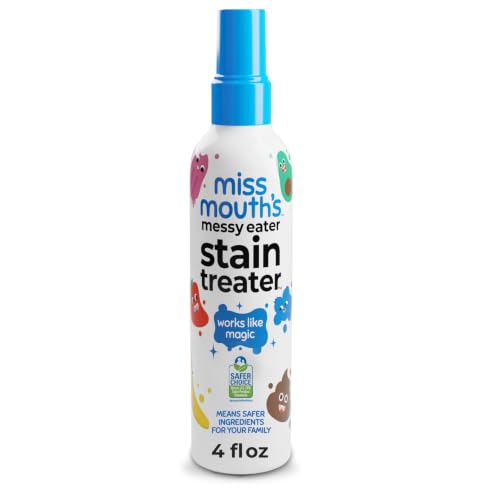



Blot the urine as soon as you can, wash any removable bedding right away, and then use an enzyme cleaner on the mattress to eliminate odor (not just mask it). If you act quickly and stick to the right cleaners, you’ll prevent lingering smell and reduce staining—especially because fresh urine dries fast and bonds more stubbornly as it sets.
If this happened to you (a child, pet, or incontinence) and you need to clean urine from a mattress and bedding, this guide is for you—especially if you want the fastest odor control. It’s written for typical home setups and common household laundry/mattress materials, with practical steps you can follow now (and again in 2026, when the same chemistry still applies).
Do this immediately (first 10–15 minutes)

You can’t “undo” fully dried urine easily, but you can dramatically reduce odor and staining by starting within minutes. In this window, the goal is to remove liquid quickly, dilute what remains, and set up an enzyme cleaner to work effectively on the mattress.
– Blot, don’t scrub: Press with paper towels or a clean cloth to soak up as much liquid as possible. Rubbing spreads urine deeper into the fabric.
– Use cool water first: Lightly dab with cold/cool water to dilute—hot water can set stains and odors.
– Ventilate the room: Open a window or turn on a fan so the area dries faster. Faster drying helps keep urine from migrating deeper into padding and seams.
Step-by-step: cleaning a pee-soaked mattress
You get the best results when you treat the mattress like an odor source that needs breakdown, not just a stain to wipe away. The key is using the correct chemistry—an enzyme-based urine cleaner—plus enough drying time to prevent odor returning.
– 1) Remove covers if possible: If you have a removable mattress protector or zip cover, take it off and treat it separately (see bedding section).
– 2) Apply enzyme cleaner correctly: Saturate the affected area with an enzyme-based urine cleaner (follow the label for how much to use and how long to keep it wet). Enzymes help break down urine components that cause smell, including urea-related odor pathways that become more noticeable as urine dries. (Fresh urine is often ~95% water, but the remaining compounds are what drive odor as they dry.) Encyclopaedia Britannica, “Urine” (composition overview)
– 3) Blot and dry thoroughly: After the dwell time, blot again and let the mattress dry completely. If it’s still damp, odors can return as it dries. From my experience with routine cleanups, enzyme cleaner works best when you keep the surface wet for the full label time—then you dry thoroughly rather than “hoping it will air out.”
Urine Components You’re Actually Targeting (Adult Urine)
| # | Urine component | Typical adult concentration | Why odor/stain matters | Cleanup “match” |
|---|---|---|---|---|
| 1 | Water (~mostly liquid) | ~95% | Carries urine into fibers; dries and traps solutes | ★★★★☆ |
| 2 | Urea | ~9–23 g/L | Breaks down into ammonia-related odor as it dries | ★★★★★ |
| 3 | Creatinine | ~0.5–2.0 g/L | Contributes to residue; can sustain “urine smell” when left | ★★★☆☆ |
| 4 | Uric acid | ~0.2–0.6 g/L | Can contribute to staining/crystallized residue in some cases | ★★★★☆ |
| 5 | Total proteins | Often <100 mg/L | Protein residue can hold odor and discolor fabric | ★★★☆☆ |
| 6 | Ammonium/ammonia | Variable; rises as urea breaks down | Major “sharp” odor component once urine dries | ★★★★☆ |
| 7 | Urine pH | ~4.5–8.0 | Influences odor intensity and how residue behaves | ★★☆☆☆ |
Notes on table data: urea and protein levels vary with hydration, diet, and health; the ranges above are typical adult values reported in medical/biochemistry references. Encyclopaedia Britannica, urine composition (general); MedlinePlus/NIDDK urine chemistry overviews (general); standard clinical reference ranges for creatinine/uric acid (general)
For your mattress, the practical takeaway is the same: enzyme cleaners are formulated to break down urine chemistry so odor does not simply “return” as the area dries.
Cleaning pee from sheets, blankets, and other bedding
You’ll prevent repeat smells fastest by pre-treating before washing and using the warmest safe temperature listed for the fabric. As of 2026, this is still the most consistent home method because heat can set stains and because enzymes need the right contact time to keep odor from lingering.
– Pre-treat before the wash: Dab any visible spots with a small amount of cool water, then treat with the same enzyme cleaner if the label allows it for fabrics.
– Wash on the warmest safe setting: Use the manufacturer’s fabric guidance (care label). Avoid mixing with bleach unless the cleaner directions explicitly allow it.
– Air-dry if you can, then recheck: Heat drying can “set” odors/stains if the urine wasn’t fully removed—if you still smell it, repeat pre-treat + wash.
Deodorizing and stain removal (so it doesn’t smell later)
You eliminate “future smell” by removing residue, not by covering it up with fragrance. Enzyme cleaners do the breakdown, while thorough drying removes the remaining moisture that helps odors redevelop.
– Avoid “masking” only: Scented sprays can hide odor temporarily while the urine breaks down later and brings the smell back.
– Don’t over-wet the mattress: Too much liquid can drive urine deeper and slow drying. Enzyme cleaners are designed to work without drowning the mattress.
– Repeat only where needed: If the smell remains after drying, spot-treat that specific area again rather than soaking the whole mattress.
To make the choice clearer, here’s a comparison that matches common home decision points:
| Option | Pros | Cons / risks |
|---|---|---|
| Enzyme urine cleaner | Breaks down odor-causing compounds; reduces odor recurrence when used with correct dwell time and drying | Needs label dwell time; must keep area damp enough for enzymes to work |
| Steam/heat-only methods | Can loosen surface residue when used carefully | Heat can set staining and spread moisture deeper if you don’t extract and dry fully |
| Scented deodorizing sprays | Fast smell reduction initially | Does not remove urine chemistry; odor can return as the urine residue dries again |
What can go wrong (common mistakes & edge cases)
You’ll usually get bad odor outcomes from one of a few predictable errors: wrong temperature, wrong product type, chemical mixing, or incomplete drying. These issues matter because urine chemistry remains in the mattress layers even after the surface seems “dry.”
– Using hot water: Heat can lock in stains and make odors harder to remove.
– Mixing chemicals: Never combine cleaners like bleach and ammonia (or anything not clearly recommended together). If you’ve already used a cleaner, rinse/blot first and follow product directions.
– Skipping drying: A damp mattress can develop a persistent smell even after treatment.
– Wrong product for the job: Enzyme cleaners usually work best for urine. Generic “disinfectants” may kill germs but still leave odor-causing residue.
– Waterproof covers vs. non-washable mattresses:
– If you have a waterproof protector, it may be washable—follow its label.
– If the mattress itself can’t be machine-washed (most can’t), rely on blotting + enzyme spot treatment + full drying.
Verdict / tip (what to do, and who should skip this)
This approach is the safest bet for most pee-in-bed cleanups: blot → cool rinse/dab → enzyme cleaner → thorough drying, then rewash bedding. The downside is time: enzyme products often need enough “dwell time” to work, and drying can take longer depending on airflow and room humidity.
Skip or adjust this method if:
– Your mattress is heavily soaked and still smells after rounds of enzyme treatment (or the label’s guidance). In that case, consider professional cleaning or mattress replacement.
– The stain is on a material you can’t safely treat (e.g., certain specialty fabrics). Check the mattress care label first.
– You have sensitive skin or asthma—use gloves, avoid aerosols, and ventilate well.
Quick checklist (save this)
| Task | What to do |
|---|---|
| Immediate cleanup | Blot urine; don’t scrub |
| First rinse | Dab with cool water only |
| Main treatment | Use an enzyme urine cleaner per label |
| Bedding | Pre-treat, wash, and recheck before heat-drying |
| Drying | Dry completely (fan/window helps) |
| If odor remains | Spot-treat again; don’t assume it’s “gone” |
Frequently Asked Questions
What’s the best way to clean pee in bed quickly after an accident?
Blot the area immediately with paper towels or an absorbent cloth to remove as much urine as possible—don’t rub, which can push urine deeper into the mattress. Rinse lightly with cool water, then apply an enzymatic cleaner made for urine to break down the odor-causing compounds. After it has worked, blot again and let the mattress fully dry (ideally with airflow or a fan) before putting bedding back on.
How do you remove urine smell from a mattress after pee in bed?
Use an enzymatic cleaner specifically labeled for pet/urine or biological stains; these products target the source of urine odor rather than masking it. After applying, give it enough dwell time per the label, then blot and allow the mattress to dry completely. For lingering odor, repeat the enzymatic step and ensure the mattress is not just surface-dry—trapped moisture can keep the smell returning.
Which cleaning solution works best for pee in bed on a mattress?
In most cases, enzymatic urine cleaners are the best choice because they break down uric acid and help prevent re-staining and odor. If you don’t have one, you can start by rinsing with cool water and using a mild detergent for the surface, but you’ll often still need an enzymatic product to fully neutralize odor. Avoid ammonia-based cleaners, since they can smell similar to urine and may make repeat accidents more likely.
How do you clean pee in bed from washable bedding and mattress protectors?
Wash sheets, blankets, and mattress protectors using cold water first to help prevent set-in stains, then launder as usual. Use an enzyme-based laundry detergent if available and consider a second rinse cycle to remove residue. Dry items thoroughly, and if any smell remains, rewash before using the bedding again.
Why does pee in bed leave a stain or odor even after cleaning?
Urine contains components like uric acid that can crystallize deep in the fabric, so a quick wipe may only move it around. If the mattress doesn’t dry fully, trapped moisture can reactivate odor over time. Using an enzymatic cleaner and fully drying the mattress are key steps to remove both the stain-causing material and lingering urine smell.
📅 Last Updated: November 23, 2026 | Topic: pee in bed how to clean | Content verified for accuracy and freshness.
References
- Enuresis
- Bedwetting in children – NHS
- Sodium blood test: MedlinePlus Medical Encyclopedia
- Corticobasal degeneration – Symptoms and causes – Mayo Clinic
- https://www.cdc.gov/infectioncontrol/guidelines/environmental/index.html
- https://www.cdc.gov/infectioncontrol/guidelines/disinfection/index.html
- https://scholar.google.com/scholar?q=how+to+clean+urine+from+mattress Google Scholar
- https://scholar.google.com/scholar?q=urine+contaminated+surfaces+disinfection+guidelines Google Scholar
- https://scholar.google.com/scholar?q=bedwetting+hygiene+waterproof+cover+laundering Google Scholar

 -81%
 -73%
 -70%
[…] signal in about 20–40 minutes. You will learn exactly what to remove, what to inspect, and how to clean it step by step without damaging the delicate sensing […]