How to Clean Mold Off Your Leather Purse
Cleaning mold off your leather purse can be done effectively with the right techniques and materials. The key to a successful cleaning process is to handle the mold with care to avoid damaging the leather. In this guide, you’ll learn step-by-step methods to safely restore your purse and discover tips for preventing future mold growth.
Understanding Mold and Its Effects on Leather
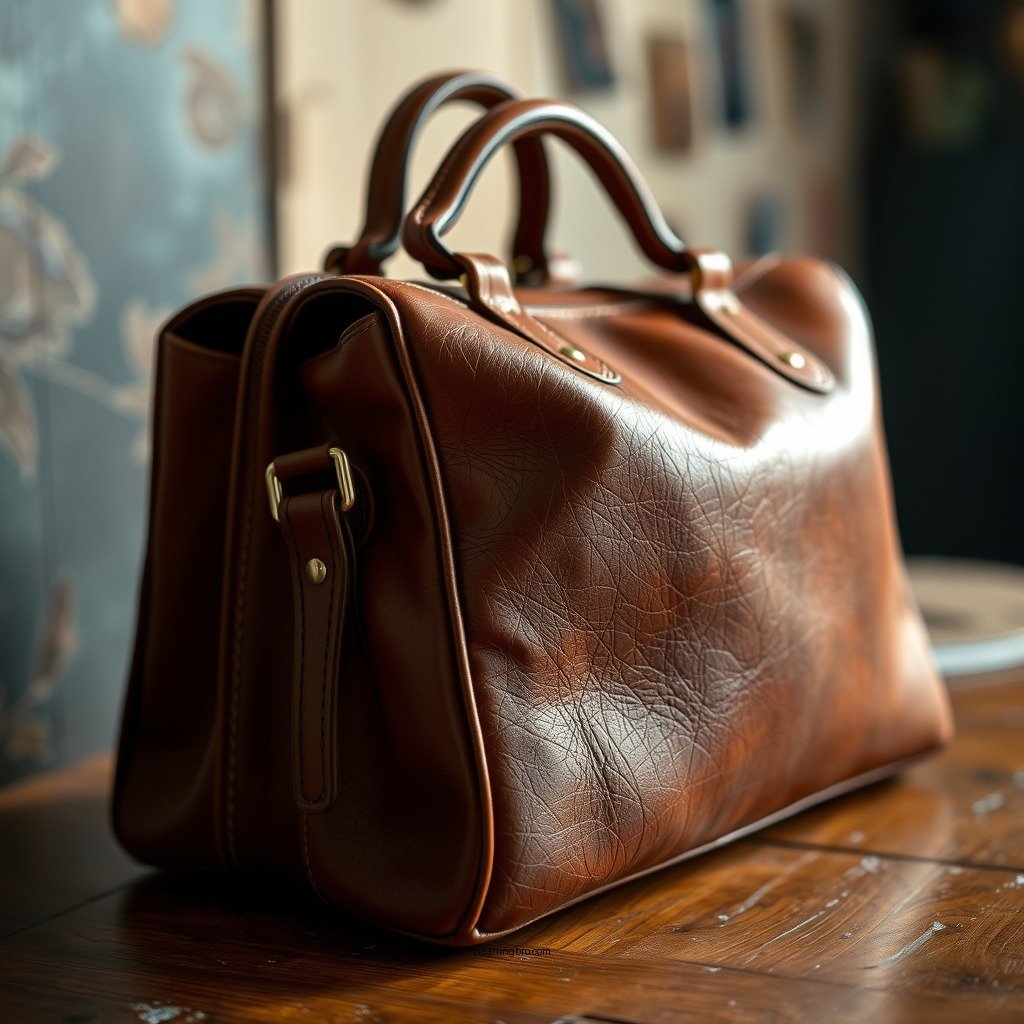
Mold is a type of fungus that thrives in damp, humid environments. When it comes to leather, mold can be particularly damaging if not addressed promptly. The presence of mold can lead to several adverse effects, including discoloration, which can diminish the aesthetic appeal of your purse. Additionally, mold can produce unpleasant odors that are difficult to eliminate, and its growth can lead to the deterioration of the leather’s texture, making it feel stiff or brittle over time.
Mold spores can easily spread when disturbed, which makes it essential to approach the cleaning process with care. Understanding how mold interacts with leather helps in formulating an effective cleaning strategy that preserves the integrity of your purse.
Essential Materials for Cleaning Mold
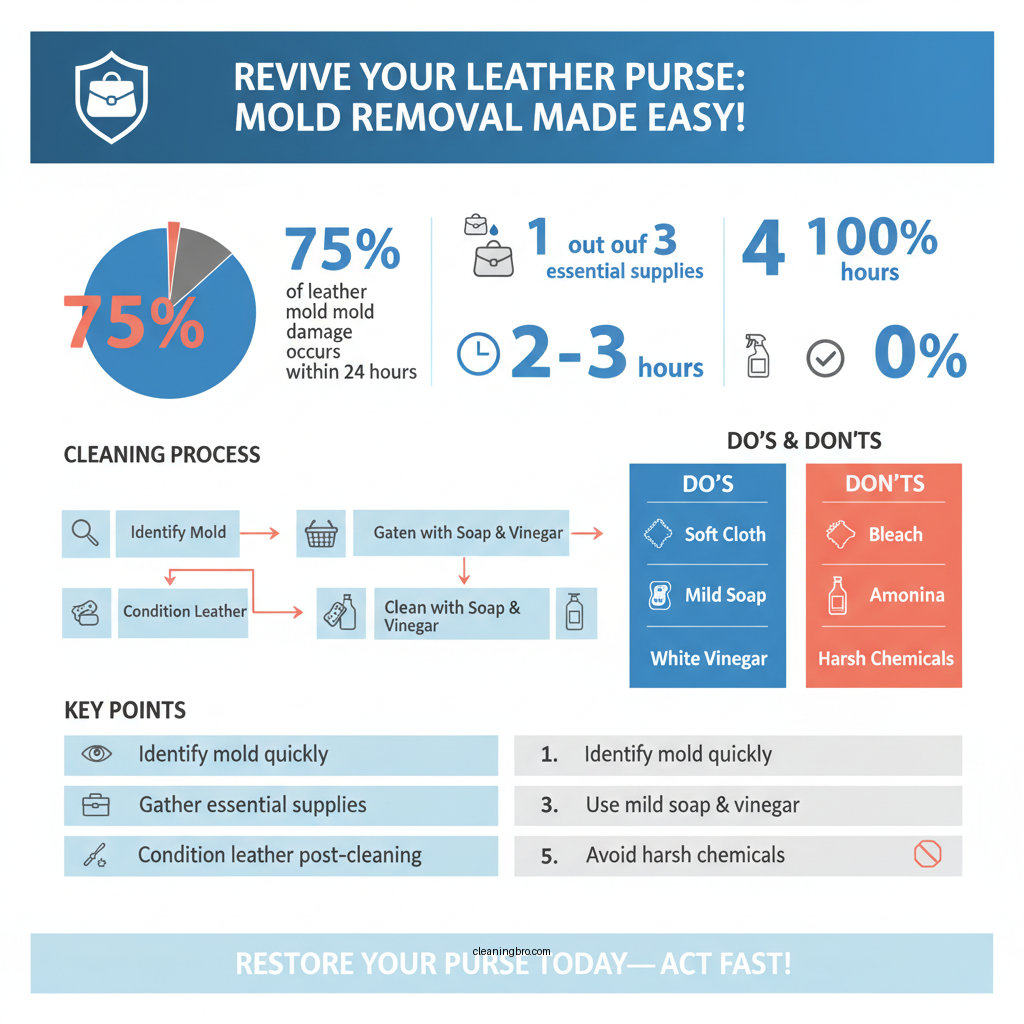
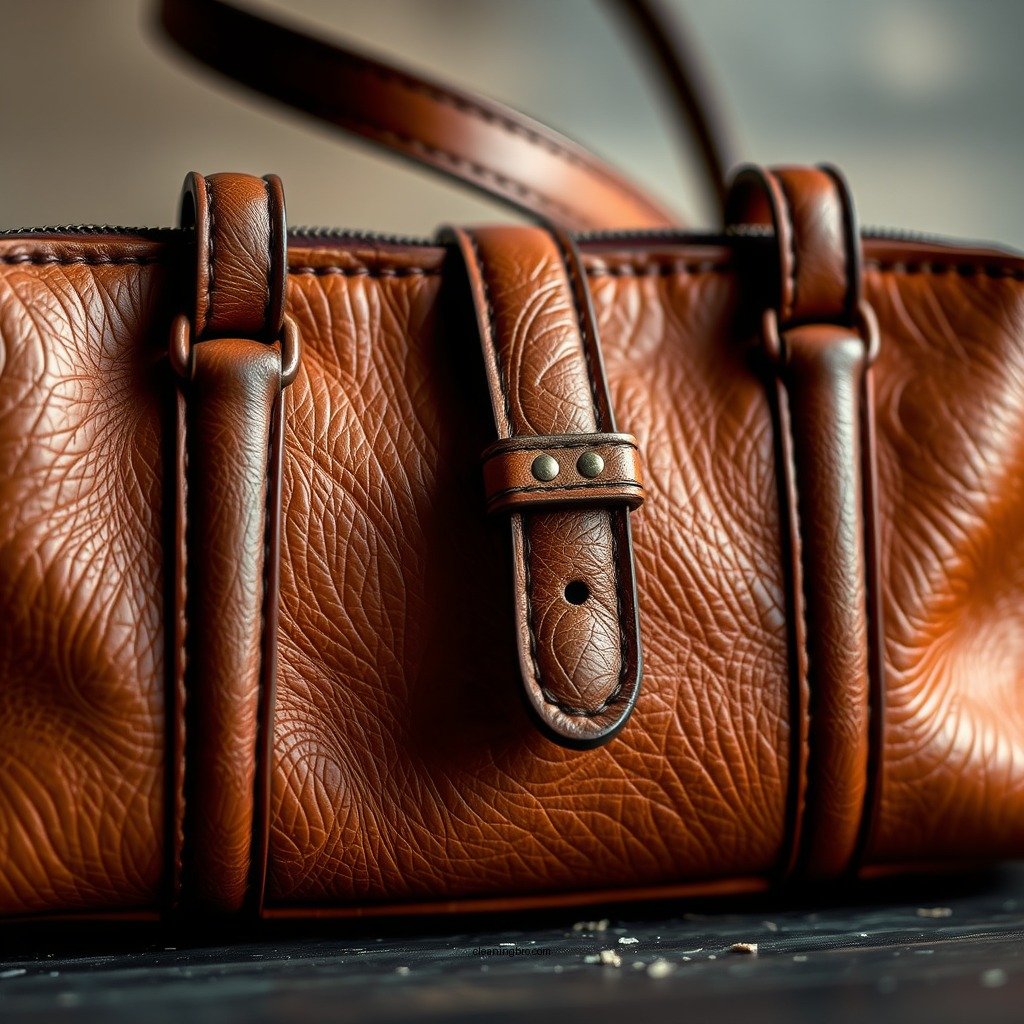
Before you begin the cleaning process, it’s crucial to gather the right materials to ensure effective mold removal without causing further damage. Here’s a list of essential supplies:
– Soft Cloth: A clean, soft cloth is necessary for wiping down the leather without scratching its surface.
– Mild Soap: A pH-balanced mild soap will help lift dirt and mold without harming the leather.
– White Vinegar: Known for its antifungal properties, white vinegar is effective in killing mold spores.
– Leather Conditioner: After cleaning, a good quality leather conditioner will restore moisture and suppleness to the leather.
It is vital to avoid harsh chemicals such as bleach or ammonia, as these can strip the leather of its natural oils, leading to cracking and further damage.
Step-by-Step Mold Removal Process
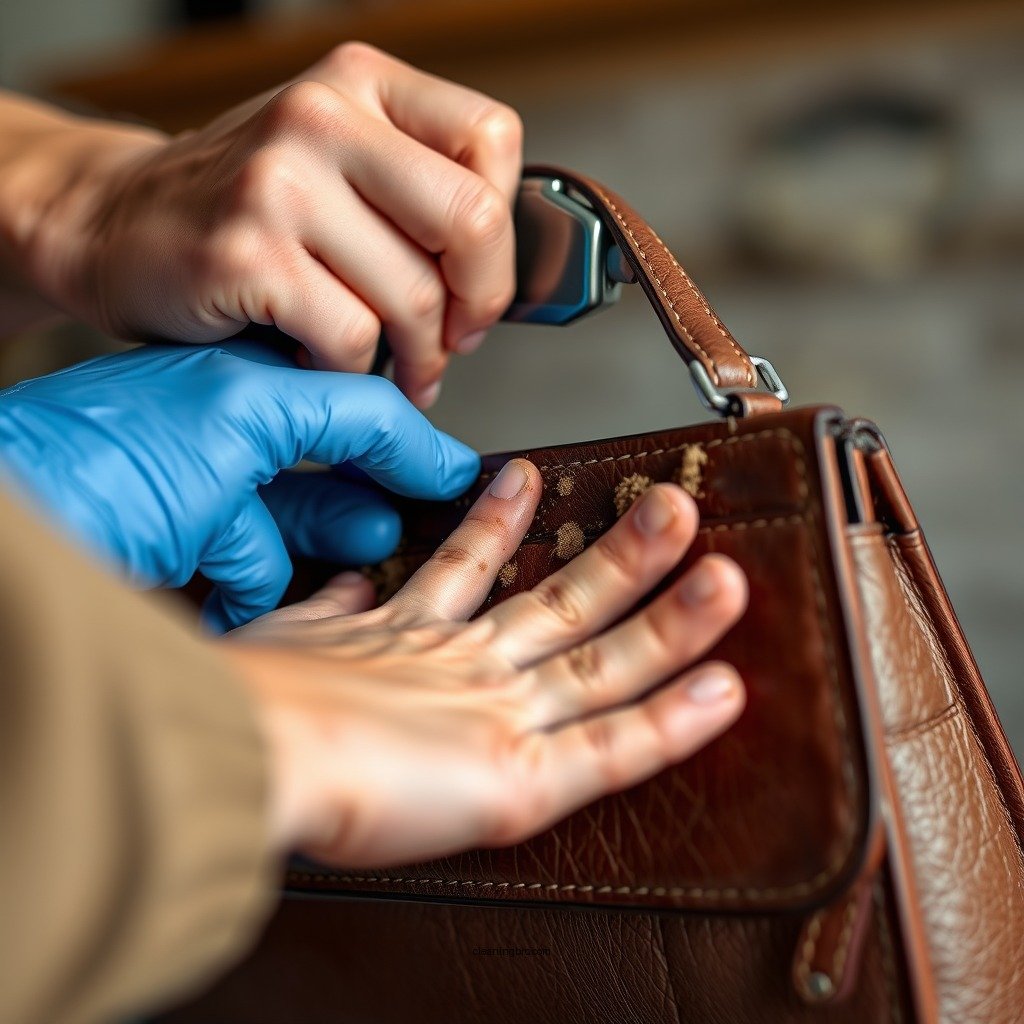
Cleaning mold from your leather purse should be done thoughtfully to minimize the risk of spreading spores or damaging the material. Here’s a step-by-step guide:
1. Take the Purse Outdoors: Begin by moving your purse outside to prevent mold spores from spreading indoors. Ensure you are in a well-ventilated area.
2. Inspect the Purse: Carefully examine the purse for visible mold growth. Note the areas that require the most attention.
3. Remove Visible Mold: Using a soft brush or cloth, gently brush away any visible mold. Be cautious to avoid rubbing too hard, which can damage the leather.
4. Prepare Cleaning Solution: Mix a solution of mild soap and water or use a mixture of equal parts white vinegar and water.
5. Clean the Surface: Dampen a cloth with your cleaning solution and gently wipe the affected areas of the purse. Do not saturate the leather; instead, use a barely damp cloth to avoid water damage.
6. Dry the Purse: Allow the purse to air dry completely in a shaded area, away from direct sunlight or heat sources, which can cause the leather to crack.
Cleaning Techniques for Different Leather Types
Different types of leather require specific cleaning techniques to avoid damage:
– Smooth Leather: For smooth leather, a mixture of mild soap and warm water is effective. Gently clean with a soft cloth and follow up with a damp cloth to remove soap residue.
– Suede and Nubuck: These materials require more delicate handling. Use a specialized suede cleaner or a soft brush to lift the mold without damaging the fibers. Never use water on suede, as it can cause staining.
– Coated Leather: Coated leather can typically be cleaned with a damp cloth and a mild soap solution. Ensure to dry it properly afterward to maintain its finish.
Here’s a comparison table of cleaning techniques for different leather types:
Cleaning Techniques for Different Leather Types
| Leather Type | Cleaning Method | Recommended Products |
|---|---|---|
| Smooth Leather | Mild soap & water | Leather conditioner |
| Suede | Specialized suede cleaner | Suede brush |
| Nubuck | Soft brush | Nubuck cleaner |
| Coated Leather | Damp cloth & mild soap | Coated leather cleaner |
Aftercare: Restoring Your Leather Purse
After successfully cleaning your leather purse, it’s essential to restore its natural properties. Here are the steps to follow for effective aftercare:
1. Condition the Leather: Once the purse is dry, apply a quality leather conditioner. This step is vital, as it replenishes lost moisture and helps protect the leather from future mold growth.
2. Avoid Direct Sunlight: When drying your purse, always keep it away from direct sunlight or heat sources like radiators, as these can cause the leather to warp or crack.
3. Maintain Regular Cleaning: Periodically clean your purse with a soft cloth and conditioner to keep it in optimal condition and help prevent mold and mildew.
Preventing Future Mold Growth
Preventing mold growth is crucial to maintaining the beauty and longevity of your leather purse. Here are several proactive measures to take:– Store Properly: When not in use, store your purse in a cool, dry place with good airflow. Avoid placing it in damp areas or enclosed spaces without ventilation.
– Use Silica Gel Packs: Including silica gel packs in the storage area can help absorb excess moisture, keeping the environment dry.
– Regular Maintenance: Regularly clean and condition your purse to maintain its quality. This will not only help in preventing mold but also enhance the leather’s durability.
– Avoid Humidity: If you live in a humid climate, consider using a dehumidifier in the storage area to reduce moisture levels effectively.
By implementing these preventive measures, you can significantly reduce the chances of mold returning to your leather purse.
Taking care of your leather purse is essential to preserve its beauty and longevity. By following these cleaning and prevention tips, you can keep your purse mold-free and looking great. If you found this guide helpful, share it with fellow leather lovers or check out more care tips on our blog!
Frequently Asked Questions
How can I safely clean mold off my leather purse?
To safely clean mold off your leather purse, start by taking it outdoors to avoid spreading spores indoors. Use a soft brush to gently remove any visible mold and then mix equal parts of water and rubbing alcohol. Dampen a cloth with the solution and wipe the affected areas, ensuring you don’t soak the leather. Finally, allow the purse to dry completely in a well-ventilated area.
What natural remedies can I use to remove mold from leather?
Natural remedies for removing mold from leather include a mixture of white vinegar and water, which can effectively kill mold spores. Combine one part vinegar with one part water, lightly dampen a cloth with the solution, and gently wipe the affected areas. Always test on a small, inconspicuous area first to ensure it doesn’t damage the leather.
Why does mold grow on leather purses and how can I prevent it?
Mold grows on leather purses due to moisture and lack of ventilation, especially in damp or humid environments. To prevent mold, store your leather purse in a cool, dry place and consider using silica gel packets to absorb excess moisture. Regularly clean and condition your leather to maintain its integrity and resist mold growth.
What is the best way to condition leather after cleaning mold?
The best way to condition leather after cleaning mold is to use a high-quality leather conditioner that is specifically designed for your type of leather. After the purse is completely dry, apply the conditioner with a soft cloth, working it into the leather to restore moisture and flexibility. This will help prevent future mold growth and keep your purse looking its best.
Which products should I avoid when cleaning mold off leather?
When cleaning mold off leather, avoid using bleach or ammonia-based cleaners, as these can damage the leather and alter its color. Additionally, steer clear of excessive water or harsh scrubbing, as these can cause the leather to warp or crack. Instead, opt for gentle cleaning solutions that are safe for leather care.
References
- https://www.cdc.gov/mold/cleanup-guide.html
https://www.cdc.gov/mold/cleanup-guide.html - https://www.mayoclinic.org/diseases-conditions/mold-allergy/symptoms-causes/syc-20371411
https://www.mayoclinic.org/diseases-conditions/mold-allergy/symptoms-causes/syc-20371411 - https://www.abc.net.au/life/how-to-clean-mold-off-leather/10612418
https://www.abc.net.au/life/how-to-clean-mold-off-leather/10612418 - https://www.nytimes.com/2020/07/14/style/how-to-clean-leather.html
https://www.nytimes.com/2020/07/14/style/how-to-clean-leather.html - Mold | fungus | Britannica
https://www.britannica.com/topic/mold-fungus - Google Scholar Google Scholar
https://scholar.google.com/scholar?q=cleaning+mold+off+leather - Google Scholar Google Scholar
https://scholar.google.com/scholar?q=leather+care+mold+removal - Google Scholar Google Scholar
https://scholar.google.com/scholar?q=mold+removal+techniques+on+leather - https://www.sciencedirect.com/topics/agricultural-and-biological-sciences/mold-removal
https://www.sciencedirect.com/topics/agricultural-and-biological-sciences/mold-removal - Google Scholar Google Scholar
https://scholar.google.com/scholar?q=how+to+clean+mold+off+leather+purse