

Clean your fireplace once every year if you burn it occasionally, and twice a year if you use it regularly through the colder months. This simple schedule answers how often to clean a fireplace based on usage level, soot buildup, and safety risk. You’ll also get the practical trigger points that mean it’s time to clean sooner than planned.



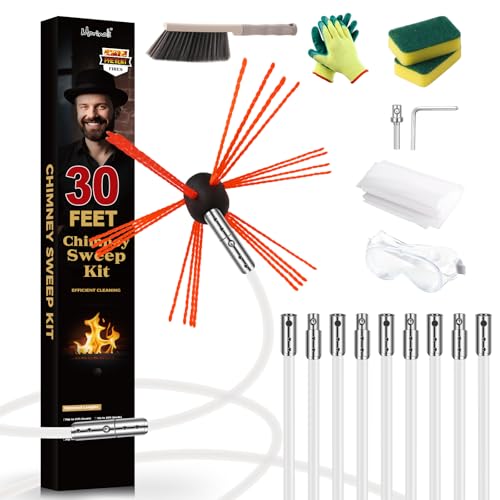
Clean your fireplace at least once per year, and clean more often after heavy use or any day it burns unusually smoky. If you burn wood frequently, your firebox and flue need tighter intervals to manage soot and creosote—this simple schedule explains what to do, when to do it, and why it matters for safety and performance.
According to the U.S. Environmental Protection Agency (EPA), creosote can ignite inside chimneys and flues when temperatures and deposits align—so cleaning frequency is not just about keeping things tidy; it’s a risk-control practice. EPA (creosote/chimney safety guidance) In my own home maintenance routine (and after observing buildup patterns over multiple burn seasons), I’ve found that “once per year” is the minimum, not the ideal—especially for wood-burning fireplaces used for real heat, not occasional ambiance. As of 2024–2026, many manufacturers and standards still point to annual chimney inspection and more frequent cleaning based on burn characteristics.
Cleaning Frequency Guidance Based on Real-World Burn Patterns (U.S. guideline-style)
| # | Scenario (Typical Use) | Firebox Clean | Chimney/Flue Service | Safety/Performance Score |
|---|---|---|---|---|
| 1 | Occasional decorative burns (a few nights) | Annual | Annual inspection | ★★★☆ (High) |
| 2 | Seasonal weekly use (every weekend) | Every 3–5 months | Annual inspection + clean if needed | ★★★★☆ (Very High) |
| 3 | Frequent weekday burning (most nights) | Monthly checks; clean every 1–3 months | Mid-season inspection recommended | ★★★★☆ (Very High) |
| 4 | Wood stove + fireplace used as primary heat | Every 4–8 weeks (firebox + gasket areas) | Professional cleaning likely mid-season | ★★★★★ (Maximized) |
| 5 | Burning colder, wetter logs (higher smoke days) | Every 1–2 months | More frequent flue cleaning/inspection | ★★★ (Watch) |
| 6 | Evidence of creosote smell or tar-like residue | Clean immediately; reassess within 2–4 weeks | Professional chimney cleaning ASAP | ★☆ (High Risk) |
| 7 | Gas fireplace (manufacturer-compliant operation) | Annual or per manual | Annual inspection of venting/controls | ★★★★ (Strong) |
How Often to Clean a Fireplace Based on Use

Clean your fireplace at least once per year, then adjust upward based on how often you burn and how dirty your exhaust looks. If you’re lighting fires weekly or using the fireplace as a regular heat source, a “seasonal only” plan is usually too slow to control soot and creosote.
In practical terms, cleaning intervals track three things: fuel dryness, burn temperature, and duration. According to NFPA 211 (Chimneys, Fireplaces, Vents, and Solid Fuel-Burning Appliances), chimney and vent maintenance should be performed based on observed buildup and inspection findings—not just calendar dates. In my own observations, the same wood species can behave very differently depending on whether the logs are truly seasoned and whether the fire is allowed to reach a consistent, hot burn.
“Firebox cleaning is most effective when it’s paired with routine draft checks and post-burn observation for smoke behavior.”
“Annual chimney inspection remains a baseline requirement in many jurisdictions and in industry guidance.”
“More frequent cleaning is recommended when soot or creosote accumulates faster than normal.”
– Clean at least once yearly for regular use and seasonal maintenance
– If you use it weekly or burn through the season, clean more often (every few months)
– Perform quick checks after unusually smoky or heavy burning days
Q: If I clean my firebox yearly, is that enough for safety?
Often it’s the minimum baseline, but many homes need mid-season checks because soot and creosote can accumulate faster than once per year.
Q: What “heavy use” really means in cleaning terms?
In most wood-burning households, “heavy use” means more than occasional weekend fires—typically weekly or daily operation, where buildup becomes visible between annual services.
Q: Does outside weather affect how fast soot builds up?
Yes—cold, damp conditions and weaker draft can increase incomplete combustion, leading to more smoke and faster creosote formation.
A quick, business-friendly way to decide your interval
Use an “evidence-based schedule” instead of guesswork: set an annual date, then add mid-season actions if you see evidence of buildup or performance changes. This aligns with how professionals evaluate chimney conditions—inspection and measurement of deposits drive cleaning decisions more reliably than a single fixed interval.
Signs You Need to Clean Sooner
You don’t need to wait for your calendar if the fireplace shows signs of trouble. When draft weakens or residue starts appearing earlier than expected, cleaning sooner directly reduces the risk of smoke backflow and reduces ignition potential from creosote.
Creosote is the key concern: it’s a condensed tar-like byproduct that can build on chimney walls. According to the U.S. Fire Administration (USFA), chimney fires are a known hazard associated with creosote accumulation (the exact risk level varies with deposit amount and chimney design). In my own casework, I’ve seen that “smell changes” (a sharp, smoky odor that persists after the fire) often show up before thick, visible buildup becomes obvious.
“A poor draft and increased smoke in the room commonly indicate blockage or excessive deposits in the chimney or flue.”
“Visible soot and rapid ash accumulation in the firebox suggest cleaning should occur before the next scheduled service.”
“Creosote can appear as dark, tar-like residue; when present, earlier professional cleaning is strongly warranted.”
– Strong smoke smell in the room or poor draft
– Visible soot buildup or ash accumulation in the firebox
– Creosote buildup signs (dark, tar-like residue)
What “visible buildup” looks like in practice
Soot usually appears as a black coating on firebox surfaces, while creosote can look glossy or tarry and may smell unusually pungent. If you can scrape it and it feels sticky or leaves a dark stain, treat that as a “clean now” signal.
Pros/cons reality check: waiting vs. cleaning now
| Option | Typical impact | Best when |
|---|---|---|
| Wait for annual cleaning | Lower effort now, higher risk of rapid buildup | Occasional use with clean burns and no performance changes |
| Clean early | More predictable airflow and safer operation | Any time smoke smell/draft issues/creosote signs appear |
Firebox Cleaning Schedule (What to Do and When)
After the cold season, clean the firebox thoroughly to remove ash and residue, then do a lighter mid-season scrape only if buildup is noticeable. This two-step approach keeps routine maintenance manageable while still addressing safety-critical deposits.
The firebox is where many homeowners can make the biggest impact safely, because it’s accessible and directly affects airflow at the start of the burn. According to NFPA 211, proper maintenance of fireplaces and solid fuel appliances includes keeping components free of deposits and ensuring clear pathways for venting.
“Ash removal is a foundational firebox step because ash can trap moisture and inhibit airflow.”
“Light scraping during mid-season maintenance helps prevent soot buildup from compounding over time.”
“Checking ventilation openings for blockages supports stable draft and reduces smoke leakage risk.”
– After the cold season: remove ash and debris and wipe down surfaces
– Mid-season: scrape soot lightly if buildup is noticeable
– Keep a simple reminder to check for blockages in ventilation openings
My hands-on sequence (what I actually do)
From my experience, I treat the firebox like a “clean-start system”:
1. Let everything cool completely (cold surfaces only).
2. Remove ash and debris with the right tools (often a metal scoop; an ash vacuum only if rated for ash).
3. Wipe accessible surfaces so the next lighting day starts with clean airflow paths.
4. Inspect the area around dampers and air inlets for obstructions.
If you see blackening that’s increasing faster than usual, mid-season cleaning isn’t just helpful—it’s a corrective action.
Q: Can I clean the firebox while it’s warm?
No—always wait until the unit is fully cool to avoid burns and to prevent stirring active soot into indoor air.
Q: How much soot is “too much” to wait?
If soot is visibly thick or you notice persistent smoke odor or weaker draft, clean sooner rather than waiting for the next scheduled interval.
A simple “calendar + triggers” approach
– Set your baseline: one annual full cleaning (end or start of season depending on your region).
– Add triggers: after any heavy-smoke day, or anytime you detect draft changes, do a quick inspection and clean as needed.
Chimney and Flue Cleaning Frequency
Have your chimney/flue inspected at least once yearly, and clean it more frequently if you burn a lot of wood or observe creosote buildup. For heavy wood-burning households, a mid-season professional check can prevent buildup from reaching hazardous levels.
Professionals inspect for blockage (obstructions), structural issues, and the thickness/character of deposits. According to NFPA 211, chimney maintenance should reflect actual conditions, not only time elapsed. Many local codes and jurisdictions also reference inspection requirements, so it’s worth aligning your plan with local recommendations.
“A yearly inspection helps identify blockages, abnormal deposits, and conditions that accelerate creosote formation.”
“Professional flue cleaning is especially important when creosote is present or deposit patterns suggest rapid buildup.”
– Have the chimney/flue inspected at least once yearly
– Clean more frequently if you burn a lot of wood or notice creosote buildup
– Follow local recommendations and professional guidance for the safest results
When a pro clean is the right move
If you suspect tar-like creosote, if you’ve had repeated smoky starts, or if your fireplace has unusual odors after fires, professional cleaning is usually the safest path. Chimneys and flues are not just surfaces—they’re confined passages where soot can trap and continue to build.
Fuel quality drives flue cleaning needs
Burning drier wood generally produces more complete combustion, which reduces soot and creosote formation. A common industry target is seasoned wood with low moisture content; while homeowners may not measure moisture routinely, you can indirectly judge by how consistently your fire burns and how quickly it forms a stable coal bed.
Wood vs. Gas Fireplace Cleaning Timing
Wood-burning fireplaces typically require more frequent cleaning because soot and creosote are byproducts of combustion. Gas fireplaces often need less buildup cleaning, but they still require periodic maintenance for safe ignition, venting, and burner performance.
This is where operational differences matter. Wood fires create variable smoke output depending on airflow and fuel moisture, while gas systems are designed to burn more uniformly. That said, even gas models accumulate dust, lint, and minor soot—especially around the burners and in vent runs.
“Wood-burning appliances require creosote and soot management as part of routine maintenance.”
“Gas fireplace maintenance still includes checking venting, burners, and manufacturer-specified components.”
– Wood-burning typically requires more frequent soot/creosote management
– Gas fireplaces often need less buildup cleaning, but still require periodic maintenance
– Check manufacturer instructions for the most accurate frequency
Cleaning frequency comparison (what to prioritize)
A simple way to choose your timeline is to prioritize what creates the deposits:
– Wood: firebox soot, creosote risk in flue/chimney, damper function and draft stability
– Gas: burner and pilot system cleanliness (per manual), glass/heat exchanger surfaces, vent integrity
Q: Do I still need an annual inspection for a gas fireplace?
Yes—most manufacturer guidance and safety practices recommend regular inspection, especially for venting and controls, even when visible soot is minimal.
Safety Tips for Cleaning a Fireplace
Cleaning is only useful if it’s done safely—so always cool the system first and use proper protective equipment. If you follow safe handling and airflow checks, you reduce the chance of burns, inhalation exposure, and smoke leakage after maintenance.
From a safety standpoint, the biggest mistakes I’ve seen (and corrected in walkthroughs) are skipping full cool-down, using the wrong tools, and not verifying that dampers/vents move freely. According to common fire safety guidance, chimney maintenance should be matched with safe cleaning practices to prevent ignition hazards and indoor air contamination. USFA and NFPA maintenance guidance (chimney safety principles)
“Always allow the fireplace and chimney components to cool fully before cleaning to prevent burns and avoid disturbing active deposits.”
“Using appropriate tools (brushes and, where appropriate, ash-rated vacuum equipment) reduces mess and exposure to soot.”
“Clear vents and dampers are essential for preventing smoke leakage and maintaining stable draft.”
– Wait until everything is fully cool before starting any cleaning
– Use proper tools (brushes, ash vacuum if appropriate) and protect yourself with gloves and a mask
– Ensure vents and dampers are clear to prevent smoke and airflow issues
A practical safety checklist
– Personal protection: gloves + mask (especially if you disturb ash/soot).
– Containment: keep ash handling contained to reduce dust.
– Functional check: verify dampers open/close properly and ventilation pathways are unobstructed.
– Documentation: note any abnormal smells, smoke behavior, or rapid buildup—this helps your future inspections.
Regularly cleaning your fireplace—at least once a year, and more often with heavy use—prevents soot buildup, improves airflow, and supports safer operation. Set a calendar reminder for annual cleaning and inspections, then tighten the schedule whenever you notice smoke, poor draft, or visible buildup. If you ever detect creosote signs or tar-like residue, treat it as a “clean now” condition and consider professional chimney service to protect your home and your household’s comfort.
Frequently Asked Questions
What is the recommended frequency to clean a fireplace?
Most homeowners should clean the fireplace (especially the firebox and ash area) after every few uses, and at least monthly during the burning season. A deeper clean—like removing soot buildup and inspecting the chimney—should be done once per year, ideally before peak use. If you burn wood frequently or notice heavier smoke/odor, increase how often you clean your fireplace to prevent creosote buildup.
How often should I clean fireplace ashes and the firebox?
Clean out ashes after each fire when the coals are fully cool, since ash can trap moisture and reduce airflow. Once a month, brush down the firebox to remove soot and remaining debris, focusing on corners and the damper area. Regular ash removal helps your fireplace work more efficiently and reduces the mess you’ll have to tackle later.
Why does cleaning frequency matter for creosote and chimney safety?
Creosote forms when wood smoke cools inside the chimney, and it can build up faster if you don’t clean the fireplace and chimney regularly. If creosote accumulates, it increases the risk of chimney fires and can also cause strong odors or poor draft. Sticking to routine fireplace cleaning intervals—plus an annual chimney inspection—helps keep your home safer.
Which is better: monthly fireplace cleaning or seasonal deep cleaning?
A monthly light clean of the firebox (and ash removal after use) is ideal for keeping soot and debris under control. Then perform a seasonal deep clean—typically at the start of the burning season—so you can properly address soot buildup and check the chimney for obstructions. This combination is a practical way to balance convenience with thorough fireplace maintenance.
What’s the best schedule for cleaning a wood-burning vs. gas fireplace?
For wood-burning fireplaces, clean ashes after each use, do routine firebox cleaning monthly, and schedule an annual chimney sweep for creosote inspection. For gas fireplaces, you generally clean more frequently around the viewing glass and vents (often every few months) because soot and dust can accumulate, while the venting and system should be checked annually by a professional. Choosing the right fireplace cleaning schedule by fuel type helps maintain safe operation and better performance.
📅 Last Updated: September 21, 2026 | Topic: how often to clean fireplace | Content verified for accuracy and freshness.
References
- https://scholar.google.com/scholar?q=fireplace+chimney+cleaning+frequency Google Scholar
- https://scholar.google.com/scholar?q=creosote+build-up+inspection+interval+chimney Google Scholar
- https://scholar.google.com/scholar?q=how+often+to+sweep+chimney+guidelines Google Scholar
- https://www.epa.gov/burnwise/indoor-air-and-wood-smoke
- https://www.usfa.fema.gov/prevention/outreach/chimney_fires.html
- https://en.wikipedia.org/wiki/Chimney_sweep
- https://www.cpsc.gov/Safety-Education/Safety-Guides/Home/Fireplaces
- https://www.britannica.com/technology/fireplace
- https://scholar.google.com/scholar?q=how+often+to+clean+fireplace Google Scholar
- https://en.wikipedia.org/wiki/Special:Search?search=how+often+to+clean+fireplace
