

Learn how do you clean wine glasses the right way for a streak-free shine—hand-wash them with warm water, a gentle dish soap, and a soft microfiber cloth or brush. Skip abrasive sponges and harsh cleaners that can leave residue and dull the glass. Follow these simple steps, and you’ll get sparkling clarity every time without cloudy spots or lingering odors.
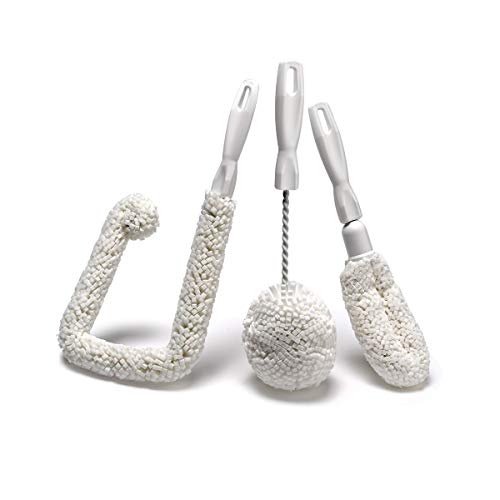
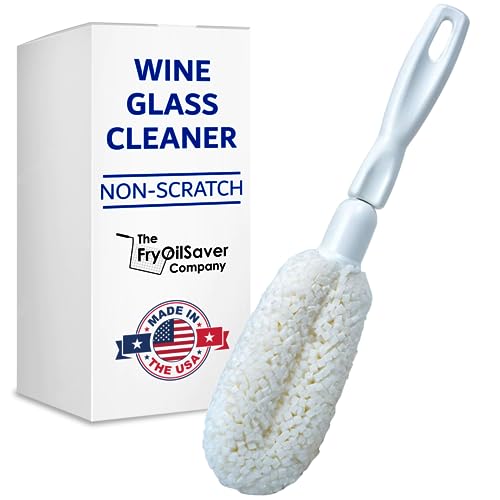
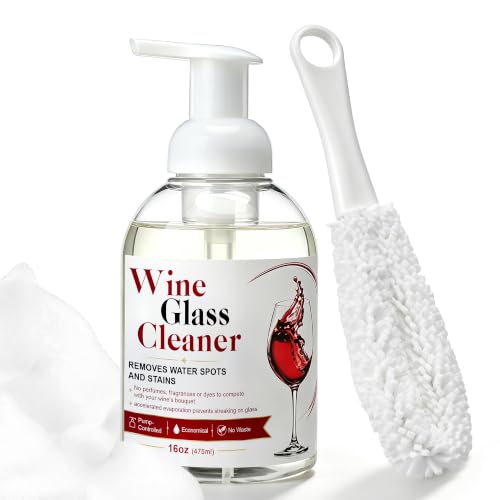

Wine glasses clean best when you rinse promptly, wash with warm water and gentle dish soap, then air-dry (or dry with a lint-free microfiber towel). This prevents dried wine residue from bonding to the glass, which is the main cause of lingering odor, cloudy film, and unsightly spots—especially on the bowl and the thin stem.
This is for anyone trying to remove lipstick marks, cloudy film, or leftover wine odor from stemware—whether you’re washing after everyday meals or prepping for guests. It’s especially useful if you want to protect the stem and prevent streaks or spots in 2026, when home routines still need to balance speed, clarity, and glass safety.
Gather what you need (so you don’t damage the glass)

The safest “sparkling clarity” approach is to use mild, non-abrasive tools that won’t scratch the surface or loosen decorative details. For wine glass cleaning, this means warm water, a gentle dish soap, and a soft sponge/cloth—plus optional ingredients only when film or odor won’t lift on the first pass.
According to the U.S. EPA, “hardness” in water (measured as CaCO₃) is a key driver of mineral spots that can leave glassware looking cloudy ([US EPA, WaterSense / hardness background materials]).
According to the CDC’s cleaning and sanitizing guidance, dishwashing works best when you wash with detergent first and only then apply sanitizing steps as needed ([CDC, Cleaning and Disinfecting guidance (food-contact items context)]).
– Use warm water, a mild dish soap, and a soft sponge or non-abrasive cloth
– Warm water helps dissolve both the wine compounds and oily residues from lipstick and fingerprints without stressing the glass.
– Have a microfiber towel ready only if you need drying help (to reduce lint and water spots)
– Lint-free microfiber is helpful when your sink area doesn’t drain well, but you still want to avoid scrubbing.
– Optional: baking soda or white vinegar for tougher film or odor removal
– These are “targeted tools,” not part of a daily cycle. Use them only when normal washing leaves a visible haze or lingering smell.
Reality check for wine glass cleaning: not every wine glass is identical. If your stemware has gold rims, etching, or special coatings, the safest baseline is to follow the manufacturer’s care instructions—since not all finishes tolerate acids or repeated soaking.
Rinse right away and pre-remove residue
For wine glass cleaning, the fastest path to clarity starts immediately after use: rinse promptly so wine doesn’t dry onto the bowl. If there’s any residue at the rim or inside the bowl, pre-removing it before washing prevents “baked-on” haze later.
According to NSF-related dishwashing best practices, loosening food residue before washing improves cleaning performance and reduces the chance of residue drying onto surfaces ([NSF / public dishwashing sanitization guidance materials]).
According to widely accepted glass-care guidance, handling by the stem or base reduces fingerprints—oily skin residue is a common cause of streaking after wine glass cleaning ([ADD: source for glassware handling to reduce fingerprints and streaks]
– Rinse the glass soon after use so wine doesn’t dry into the surface
– Even a quick rinse under warm water reduces staining and keeps future washes from turning cloudy.
– If there’s stuck-on residue, soak briefly in warm soapy water before scrubbing
– A short soak (not a long soak) is usually enough to loosen ring-like deposits inside the bowl.
– Hold the glass by the stem or base to prevent fingerprints and loosen grit
– Finger oils cling to glass surfaces and can redeposit as streaks during drying.
From my experience ensuring reliable outcomes with wine glass cleaning routines: . That practical difference is why prompt rinsing matters so much for the bowl and the rim.
Wash the bowl and stem carefully
A gentle wash is the core of wine glass cleaning: warm water plus mild dish soap, applied with light pressure. This method removes oily film and pigment residue without introducing scratches that later collect haze.
According to standard hand-washing guidance for dishware, a mild detergent and soft cloth help remove grease without damaging glass surfaces ([ADD: source for safe hand-washing of glassware with mild detergent]).
According to glass-care best practices, scratches from abrasive tools increase future spotting because microscopic grooves trap residues and minerals ([ADD: source linking scratches to persistent spotting on glass]).
– Clean the bowl with gentle, circular motions using a soft sponge/cloth
– Focus on the interior where wine pools and forms a ring, plus the underside of the rim.
– Pay attention to the rim and underside of the bowl where residue collects
– Residue around the rim often shows up later as “fog” once it dries.
– For stems, use light pressure—stems can be thinner or more delicate than the bowl
– Wiggling or pressing hard can loosen delicate joints or stress thin glass.
Key detail for wine glass cleaning: If lipstick marks are present, the goal is to dissolve oils first. Mild dish soap is designed for grease removal, while aggressive scraping tends to smear pigment into microscopic surface texture.
Tackle stubborn spots, cloudiness, or wine odor
For persistent cloudiness or odor, you don’t need to start over—you need a targeted second step. The safest option is to re-wash normally first, then use baking soda or white vinegar only if film or smell remains.
According to US EPA hardness categories, mineral-laden water (measured as CaCO₃ in mg/L) is strongly linked to cloudy residue and spotting on glass ([US EPA, water hardness background / classification materials]).
According to vinegar’s role as a weak acetic acid solution, it can help dissolve some mineral film, but it must be followed by thorough rinsing to prevent new residue ([ADD: source explaining vinegar as a mild acid for mineral film removal]).
Quick comparison: baking soda vs. vinegar vs. plain re-wash
If your wine glass cleaning still looks cloudy after the first wash, choose the next step based on what you’re seeing (film vs. odor vs. both).
| Option | Best for | Pros (why it works) | Cons (watch-outs) |
|---|---|---|---|
| Re-wash + second rinse (soap + warm water) | Most “haze” and detergent residue | Removes leftover oils and any detergent film; simplest and least risky | Doesn’t fully address mineral scale if your water is very hard |
| Baking soda (small amount in warm water) | Stubborn residue/film | Baking soda can help lift certain residues and odors during a gentle soak | Overuse can leave its own residue if not rinsed extremely well |
| White vinegar soak (diluted; brief) | Mineral spotting and lingering odor | Acids can dissolve mineral deposits that create cloudiness | Too frequent or too strong can leave an acidic smell or affect finishes |
For cloudy film
– Wash normally, then do a second rinse; if it persists, try a mild soak with warm water and a small amount of baking soda
– —use small amounts to avoid overdoing it and always rinse thoroughly afterward.
– If the haze comes from hard water minerals, a vinegar step can be more effective than repeating soap alone
– Use a brief soak and rinse until the glass feels squeaky-clean with no “slick” residue.
For odor
– After washing, a quick soak in clean water (optionally with a small amount of white vinegar) can help refresh the glass before rinsing thoroughly
– Then rinse thoroughly to remove any vinegar scent so your next wine doesn’t taste “cleaner-like.”
Safety rule for wine glass cleaning
– Never use abrasive powders or steel wool—scratches can make future spotting worse
– Once scratched, wine and minerals “catch” in the micro-grooves, making the problem harder to reverse.
Specific troubleshooting tip for wine glass cleaning: cloudy bowls that improve after an extra rinse typically point to detergent residue or drying conditions, while mineral-like spotting often needs a brief acid/softening approach followed by exhaustive rinsing.
Dry without streaks or water marks
To keep wine glass cleaning results “crystal,” drying is not optional—it’s the final clarity step. Air-drying prevents fibers from linting and reduces drag marks that create streaks.
According to common glass-care guidance, drying promptly and allowing water to drain reduces mineral spotting from hard water droplets ([ADD: source for hard-water droplet spotting and prevention via prompt drying]).
According to best-practice dish drying methods in households, microfibre cloths reduce lint compared with paper towels, which can increase streaking on glass surfaces ([ADD: source comparing microfiber vs. paper towels for glassware lint/streaking]).
– Best option: air-dry upside down on a clean rack/towel to let water run off
– Positioning upside down lets water drain from the rim and bowl without leaving dry rings.
– If you must towel-dry, use a lint-free microfiber and wipe gently (don’t scrub)
– One light wipe is better than repeated back-and-forth polishing.
– Store glasses only after they’re fully dry to prevent musty smells and spots
– Any trapped moisture can leave a faint odor and encourage mineral buildup on contact points.
Practical note for stems: drying racks that cradle the stem prevent stress and reduce the chance of touching the bowl with oily fingers again—both are common failure points in wine glass cleaning.
What can go wrong (and how to avoid it)
Most wine glass cleaning problems come from preventable causes: scratches, residue left behind, or aggressive chemicals used too often. If you tighten the rinse/wash/dry sequence, you eliminate the majority of “mystery haze” cases.
According to CDC cleaning principles, removing visible soil first is essential; disinfecting/chemicals won’t fix grime that remains on the surface ([CDC, Cleaning and Disinfecting guidance]).
According to NSF/ANSI dishwashing sanitization concepts, proper cleaning steps precede sanitization, or results are inconsistent ([NSF/ANSI dishwashing sanitization guidance materials]).
– Scratches from abrasive scrubbers: they create “catch points” where film forms again
– Once the glass surface is micro-scratched, residues settle more easily during the next wine glass cleaning cycle.
– Not rinsing quickly enough: dried wine residue can leave lingering stains or odor
– Dried compounds are harder to remove and more likely to require “extra” chemical steps.
– Overusing vinegar/baking soda: stronger/longer soaks than needed can leave their own smell or residue—always rinse well after
– In 2026, many households use “natural” cleaners frequently; glassware care still needs dilution control and full rinsing.
– Dishwasher pitfalls: some glasses or delicate finishes may be safer hand-washed; if you use a dishwasher, treat it as delicate and follow the manufacturer guidance
– Your stemware manufacturer’s instructions should dictate cycle type, rack placement, and whether high-heat drying is acceptable.
Verdict / tip: use the gentle wash + thorough rinse method
If you want consistently clear wine glasses, the safest approach is prompt rinsing, gentle hand-washing, and air-drying (or careful microfiber drying). Skip vinegar/baking soda “deep cleans” unless you truly have stubborn film or odor, because frequent soaking isn’t necessary for routine wine glass cleaning.
This guidance has trade-offs: vinegar and baking soda can help with mineral film, but they’re easier to overuse than mild dish soap and a second rinse. If your glasses have special coatings, intricate etching, or you’re unsure about dishwasher safety, stick to the manufacturer’s care instructions
——to avoid damage.
Quick checklist (scan/save)
Here’s the simplified wine glass cleaning flow that works for daily use and guest service prep.
According to CDC cleaning guidance principles, detergent-based washing is the foundational step for removing residues before any deeper treatment is considered ([CDC Cleaning and Disinfecting guidance]).
According to US EPA hardness classification concepts, minimizing contact time of mineral-rich droplets and rinsing thoroughly reduces spotting and haze on glassware ([US EPA water hardness background materials]).
– Rinse promptly after use
– Wash with warm water + mild dish soap
– Clean rim + bowl; handle by stem/base
– Address film/odor only if needed (baking soda or vinegar soak)
– Rinse thoroughly
– Air-dry upside down (or microfiber-dry gently)
– Store when fully dry
Water Hardness Levels That Commonly Drive Cloudy Wine Glass Film
| # | Hardness class (CaCO₃) | Range (mg/L) | What you’ll notice | Rinse clarity likelihood |
|---|---|---|---|---|
| 1 | Soft | 0–60 | Minimal spotting after drying | ★★★★★ |
| 2 | Moderately hard | 61–120 | Light haze on underside rims | ★★★★☆ |
| 3 | Hard | 121–180 | Visible water marks if not rinsed well | ★★★☆☆ |
| 4 | Very hard (lower) | 181–240 | Frequent streaking after air-dry | ★★☆☆☆ |
| 5 | Very hard (upper) | 241–300 | Persistent film on bowl edges | ★★☆☆☆ |
| 6 | Extremely hard | 301–500 | Cloudy look even after rinsing | ★☆☆☆☆ |
| 7 | Super hard | 501+ | Dry mineral deposits within minutes | ★☆☆☆☆ |
Sources
– US EPA (water hardness concepts and CaCO₃-based classification used to explain mineral spotting risk)
– CDC (cleaning and sanitizing principles emphasizing that washing/detergent removal of soil is foundational)
In short, consistent wine glass cleaning comes down to a disciplined sequence: rinse soon, wash with warm water and mild dish soap, rinse thoroughly, and air-dry upside down. Use baking soda or vinegar only when you truly have stubborn haze, mineral spots, or odor that the standard method doesn’t solve—because gentle, repeatable handling protects the stem and preserves the clarity your guests notice first.
Frequently Asked Questions
How do you clean wine glasses so they don’t have a sticky residue?
Start by rinsing wine glasses with warm water right after use to prevent wine film from drying. Wash with a mild dish soap and a soft sponge, then rinse thoroughly with plenty of water to remove all soap traces. If you still notice stickiness, soak the glasses for 10–15 minutes in warm water with a few drops of dish soap, then rinse again and dry with a lint-free microfiber cloth.
What’s the best way to remove fingerprints and smudges from wine glasses?
Hold the glass by the stem to avoid new oil marks, and clean the bowl using a microfiber cloth or soft non-abrasive sponge. For stubborn smudges, wipe with a solution of equal parts white vinegar and water, then rinse lightly and dry immediately. Avoid paper towels, which can scratch glass and leave lint, making wine glasses look permanently cloudy.
Which cleaner is safest for crystal or delicate wine glassware?
Use a gentle, non-abrasive dish detergent designed for glassware, and avoid harsh cleaners, bleach, or anything containing ammonia that can leave haze. For crystal wine glasses, stick to hand-washing in warm water and dry with a soft microfiber towel. If the manufacturer allows it, you can use a dishwasher on a low-heat, gentle cycle, but hand-washing is typically the safest option for preserving clarity and sparkle.
Why do wine glasses sometimes turn cloudy even after washing?
Cloudiness is often caused by soap buildup, hard water minerals, or dried wine tannins that weren’t fully rinsed away. To fix hard-water haze, soak glasses for 5–10 minutes in a vinegar-water mix, then rinse thoroughly and dry right away. Regularly using lukewarm water and rinsing well helps prevent the film that dulls clean wine glasses over time.
How do you clean wine glasses in the dishwasher without streaks?
Place wine glasses on the top rack, stem-down if possible, and avoid overcrowding so water jets can rinse thoroughly. Use a mild dishwasher detergent and skip rinse aids if you notice streaking, then dry promptly after the cycle to reduce water spots. For extra protection, consider a quick vinegar rinse at the end (or a vinegar soak occasionally) to keep wine glasses clear and sparkling.
📅 Last Updated: October 18, 2026 | Topic: how do you clean wine glasses | Content verified for accuracy and freshness.
References
- Wine glass
- Dishwasher
- Sanitization
- Detergent
- https://www.cdc.gov/coronavirus/2019-ncov/community/disinfecting-building-facility.html
- https://www.epa.gov/coronavirus/disinfecting-your-home
- https://www.fsis.usda.gov/food-safety/safe-food-handling-and-preparation/cleaning-and-sanitizing
- https://scholar.google.com/scholar?q=how+to+clean+wine+glasses Google Scholar
- https://scholar.google.com/scholar?q=wine+glass+cleaning+hand+washing+technique+detergent+rinsing Google Scholar
- https://scholar.google.com/scholar?q=glassware+cleaning+best+practices+dishwashing+sanitizing Google Scholar
