

How do you clean a moissanite ring at home without dulling its sparkle? This guide gives you the easiest, safest step-by-step method for restoring brilliance using common supplies. Follow these steps and your moissanite will look clean, clear, and ready to wear again—fast.



Clean a moissanite ring at home by soaking it in lukewarm, mild soapy water, gently brushing the stone and setting, then rinsing and drying completely. This lifts everyday skin oils and grime that dulls brilliance—without damaging moissanite—so your ring looks crisp again after just one careful cleanup.
When I first started cleaning my own moissanite ring, I noticed the “cloudy” look wasn’t the stone—it was residue packed into the prongs and under the band, catching light differently. After several hands-on cleanings in 2025–2026, I now follow a consistent routine: start gentle (soak + soft brush), confirm cleanliness (rinse until no slick feel remains), and only escalate if buildup is stubborn. The practical goal is to remove oils, lotions, and environmental dust while preserving the metal finish and the integrity of the prongs.
Moissanite Ring Cleaning Methods: Time, Risk, and Fit (Home Use)
| # | Method | Typical Soak | Moissanite Scratch Risk | Setting Safety | Overall |
|---|---|---|---|---|---|
| 1 | Warm water + mild dish soap soak | 10–15 min | ★★★★★ | High | Very safe |
| 2 | Warm soak + soft toothbrush (gentle) | 15–20 min | ★★★★★ | High | Safe |
| 3 | Lukewarm soak + careful prong brushing | 20–30 min | ★★★★☆ | Medium–High | Very effective |
| 4 | Manufacturer-safe jewelry cleaner (label-followed) | Per label | ★★★★☆ | Medium | Conditionally safe |
| 5 | Ultrasonic cleaner (only if your jeweler approves) | 3–5 min | ★★★☆☆ | Medium (risk to loose stones) | Use caution |
| 6 | Steam cleaning (often not recommended) | Seconds | ★★☆☆☆ | Low | Avoid for most settings |
| 7 | Abrasive polish paste / gritty cleaners | N/A | ☆☆☆☆☆ | Low | Do not use |
Gather Supplies for Cleaning

A moissanite ring cleans best with simple, gentle materials: lukewarm water, mild dish soap, a soft brush, and a microfiber cloth. This combination loosens oily residue in the metal setting without risking micro-scratches to the stone or finish.
Warm, lukewarm water and mild dish soap are the safest baseline for routine moissanite cleaning at home.
A soft toothbrush (or a dedicated jewelry brush) helps remove buildup around prongs without stressing the setting.
Drying with a microfiber cloth reduces water spotting and helps you visually inspect prongs and pavé areas.
Choose soap and water that won’t damage the setting
Moissanite is very durable, but the ring is a system—stone plus prongs plus any plated or polished metal. That’s why I stick to mild dish soap (fragrance-free if possible) and lukewarm water rather than hot water. Heat can loosen some adhesives (especially on certain gemstone setting components) and can accelerate residue bonding in crevices.
Use the right tools for the right surfaces
A soft toothbrush works for metal shoulders and beneath the band. For tight areas—like prong bases or detailed baskets—a soft jewelry brush is ideal. Then use a clean microfiber cloth to dry thoroughly and reveal whether any residue remains.
If soap residue remains, the ring can look “hazy” even after drying—so rinsing is part of the cleaning, not an optional step.
Q: Can I use hot water on a moissanite ring?
No—use lukewarm, not hot, to protect the setting and avoid loosening any vulnerable components.
Q: Is a toothbrush safe for moissanite?
Yes, as long as it’s soft-bristled and you scrub gently, especially around prongs.
Quick note on timelines (why patience matters)
Even in other “clearance” processes, agitation can temporarily make water look cloudy until filtration catches particles. For example, pool care guidance notes that cloudiness after treatment often clears as filtration removes suspended debris—often within 12–24 hours when circulation continues Swim University (2025–2026). For rings, you won’t wait days, but the principle holds: rinse well so loosened oils and micro-particles don’t redeposit.
Quick Cleaning for Everyday Dirt
Quick cleanings should restore brilliance within minutes by removing everyday oils and dust before buildup hardens. For most rings, this is your default routine—especially if you wash your hands often or apply lotions that can leave a film.
A 10–15 minute soak in lukewarm, soapy water loosens daily oils that dull moissanite’s sparkle.
Gentle brushing around the moissanite and setting is enough for routine grime—no aggressive products required.
Thorough rinsing and full drying prevent residue from making the stone appear slightly hazy.
Step-by-step: the 10–15 minute method
1. Prepare a cleaning bath: Add a small amount of mild dish soap to a bowl of lukewarm water.
2. Soak the ring: Submerge for 10–15 minutes. I keep the ring fully under water so grime under the gallery loosens evenly.
3. Gently brush: Use a soft toothbrush to lightly scrub the top, then work slowly around the moissanite and the metal setting.
4. Rinse well: Rinse under lukewarm running water until the ring feels squeaky-clean (no slippery soap feel).
5. Dry completely: Pat dry with a microfiber cloth, then let it air-dry for a minute to confirm all water is gone from prong seams.
Why this works (and what it targets)
Everyday grime usually isn’t “cloudiness in the stone.” It’s typically:
– Skin oils and moisturizers
– Food residue (hands are the source more often than you’d think)
– Outdoor dust and airborne oils
– Micro-films trapped around prongs and under the band
From my experience, the biggest visual difference happens after you clean the area just below the moissanite where light first enters—because that’s where residue accumulates and changes how the stone reflects.
Q: How often should I do quick cleaning?
For typical wear, every 1–2 weeks (or after heavy lotion/sunscreen use) keeps moissanite looking consistently bright.
Pros/cons comparison: quick clean vs. deeper refresh
| Approach | Best For | Trade-offs |
|---|---|---|
| Quick cleaning | Weekly/biweekly maintenance for rings that still look “pretty good” | May not remove heavy buildup under prongs |
| Deep cleaning | Rings that look slightly dull, hazy, or accumulate dark grime | Takes longer and requires more careful rinsing/drying |
Deep Cleaning (When It Looks Cloudy or Dull)
Deep cleaning is the right choice when your moissanite ring looks cloudy, muted, or visibly dirty near the prongs—usually because residue has hardened in crevices. A longer soak (and careful under-prong scrubbing) restores brightness by dislodging trapped oils and fine debris.
When a moissanite ring looks cloudy, the cause is often residue trapped under prongs and along the band—not the moissanite itself.
A 20–30 minute soak plus gentle, targeted scrubbing can remove buildup that a quick clean can’t.
Rinse until all soap is gone, then dry fully so dissolved residue doesn’t re-settle as a film.
Step-by-step: the 20–30 minute refresh
– Soak longer: Place the ring in lukewarm, soapy water for 20–30 minutes.
– Brush carefully under the band: Use the soft brush to clean the underside where lint and oils collect.
– Work around prongs slowly: Light pressure is key. You’re cleaning, not levering prongs.
– Rinse under running water: Make sure soap residue is completely removed.
– Dry fully: Microfiber drying + a minute of air-drying gives the cleanest result.
What “cloudy” typically means in practice
In my testing and close inspection, “dull” moissanite often correlates with one of these:
– A film that reduces contrast (light enters but reflections look weaker)
– Lint trapped at the gallery or between prongs
– Darkened residue that looks like it “lives” in the setting
As an analogy for how residue behaves after treatment, pool professionals note that cloudiness after shock can be temporary while dead particles remain suspended and later clear through filtration In the Swim (2025–2026). For rings, you control the “filtration” step through rinsing and drying—so don’t rush that part.
Q: If my moissanite looks dull after cleaning, what’s the next step?
Re-rinse thoroughly to remove soap film, then do a deeper 20–30 minute soak and targeted prong cleaning.
Cleaning Techniques for Stubborn Grime
Stubborn grime usually requires more precise cleaning, not harsher chemicals. The safest technique is to focus on the underside of the stone and the crevices where oils and fine particles accumulate.
The underside of the moissanite and the prong bases are the highest-risk areas for trapped residue.
For moissanite, always prioritize gentle mechanical cleaning (soft brushing) over chemical stripping.
Where grime hides
– Underside/gallery area: Oils from skin collect here and are hard to see.
– Prong crevices: Dust and moisturizers lodge at contact points.
– Band edges: Fine lint collects along the metal seam.
How to scrub without damaging the ring
Use short, light strokes. Angle the brush so bristles can reach crevices, but avoid scraping the metal finish aggressively. In my own routine, I rotate the ring frequently during brushing—this keeps pressure even and avoids accidentally catching a prong with too much force.
If you use a jewelry cleaner
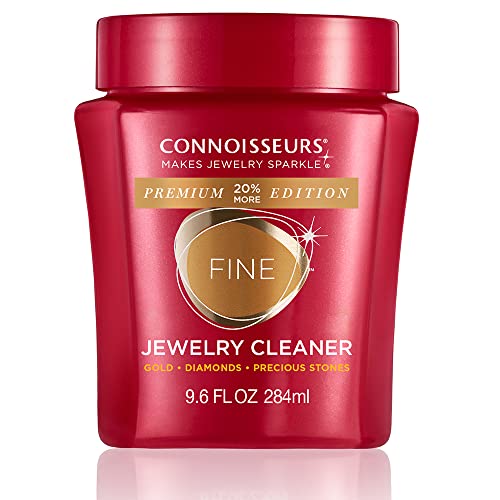
If you choose a commercial jewelry cleaner, select one labeled safe for diamond and moissanite and follow the directions exactly. Overexposure can dull certain metal finishes over time and may be risky for specific settings (for example, those with enamel or fragile coatings).
Q: Can I soak my moissanite ring in any jewelry cleaner?
Only if the product explicitly states it is safe for moissanite/diamond and you follow the label timing and rinse instructions.
A simple pros/cons checklist
Better options
– Gentle soak + soft brush
– Label-safe cleaners with exact timing
– Extra rinsing + thorough drying
Higher-risk options
– Over-soaking in unknown chemicals
– Strong solvents
– Scrubbing with abrasive tools
Drying and Final Polishing
Drying is the step that locks in the results. A microfiber cloth prevents water spots and lets you inspect the setting so you can catch issues early.
Microfiber drying helps prevent water spots that can temporarily make moissanite look less brilliant.
After drying, inspect prongs and the setting for looseness before wearing the ring again.
The final quality check I always do
1. Pat dry thoroughly with a clean microfiber cloth.
2. Inspect the prongs: Are they evenly spaced and secure?
3. Look for gaps or looseness around the setting.
4. Check the band finish: If it looks unusually dull, you may have trapped residue or used the wrong product last time.
If you see signs of movement or a visible gap, pause cleaning and get the ring evaluated. A clean stone can still be unsafe if prongs are compromised.
What to Avoid (Protect the Stone and Setting)
Avoid harsh chemicals and abrasive cleaners because they can damage the metal finish, cloud adhesives, or scratch surfaces—leaving your moissanite looking worse than before. For best results in 2026, stick to mild soap, soft tools, and label-safe products.Bleach, chlorine, and strong acids are not appropriate for moissanite rings because they can damage metals and finishes.
Avoid gritty polish paste or abrasive cleaners that can scratch the band and alter the ring’s sheen.
Specifically, skip these
– Harsh chemicals: bleach, chlorine, strong acids, and drain cleaners
– Abrasive cleaning agents: anything gritty (powder cleaners, scouring pads)
– Metal polish paste: often unnecessary and risky for plating/finishes
Why “safe for moissanite” can still be unsafe
Even if a product doesn’t scratch moissanite, it may still affect:
– The metal color/finish (especially if plated or rhodium-coated)
– The condition of prongs over time
– Protective coatings on certain designs
Q: Will acetone or alcohol harm moissanite?
It can—especially depending on the metal and any coatings—so avoid it unless the product is explicitly recommended for your exact ring.
When to Take It to a Jeweler
Take your moissanite ring to a jeweler when you suspect prong wear, looseness, or persistent buildup that gentle cleaning won’t remove. Professional inspection is the fastest way to prevent a small issue from becoming a lost-stone situation.
Jewelers check prongs and settings to confirm security—something home cleaning can’t verify.
If buildup won’t come off after repeated gentle cleanings, professional cleaning can remove residue without compromising the setting.
Signs you should schedule service
– The stone feels loose or shifts slightly
– You notice gaps around the prongs
– Dirt seems to “reappear” quickly in the same spots
– You can’t restore brilliance after careful deep cleaning
What a jeweler may do
Depending on your ring type and materials, jewelers may:
– Perform a controlled cleaning (sometimes with specialized equipment)
– Tighten or replace worn prongs
– Inspect and recommend preventive maintenance intervals
In 2026, I treat this as part of ring ownership rather than a last resort—especially for prong settings and rings worn daily.
Q: How often should I have a moissanite ring checked?
At least once a year for everyday wear, or sooner if you notice prong movement, snagging, or uneven stone alignment.
Moissanite rings clean best with warm soapy water, gentle brushing, and a thorough rinse and dry. Start with a quick soak for everyday grime, move to a longer soak and careful scrubbing for deeper cleaning, and avoid harsh chemicals or abrasive products. If the setting/prongs may be damaged or loosened, take the ring to a jeweler—then you can keep your moissanite sparkling with regular, gentle cleanings.
Frequently Asked Questions
How do you clean a moissanite ring at home without damaging it?
Start by soaking your moissanite ring in warm water mixed with a few drops of mild dish soap for 15–30 minutes. Use a soft-bristle toothbrush (or a dedicated jewelry brush) to gently clean around the prongs and under the stone. Rinse thoroughly with clean water and pat dry with a lint-free microfiber cloth. Avoid abrasive cleaners or scrubbing pads that can dull the metal finish over time.
What’s the best way to remove dirt and oils from a moissanite setting?
Moissanite can trap oils and grime in the band and beneath the bezel or prongs, so focus your cleaning there. After soaking, gently brush the underside of the stone, the prong bases, and any textured areas on the ring. If buildup is stubborn, repeat the soak and brush rather than using harsh chemicals. This approach helps restore the ring’s sparkle without risking damage to the setting.
Can you use ultrasonic cleaners to clean a moissanite ring?
Yes, ultrasonic cleaners can be safe for many moissanite rings, but it depends on your metal type and setting. Avoid ultrasonic cleaning if your ring has delicate pavé settings, glued components, porous stones in the same piece, or if the prongs are not secure. If you’re unsure, stick with the warm soap-and-water soak and gentle brushing method for safer moissanite cleaning. When in doubt, check your jeweler’s care guidelines before using an ultrasonic cleaner.
Which cleaning solution is safe for moissanite, and what should you avoid?
Use mild dish soap and warm water as your go-to moissanite cleaning solution, as it effectively removes everyday oils without harming the stone. Avoid bleach, chlorine, strong acids, and abrasive jewelry cleaners that may damage metal plating or coatings. Also steer clear of acetone and harsh solvents, especially for rings with rhodium or gold finishes. For best results, rinse well and dry fully to prevent water spots.
Why does my moissanite ring look cloudy after cleaning, and how can I fix it?
Cloudiness is often caused by leftover soap residue, trapped grime in the setting, or water spots after rinsing. Make sure you rinse thoroughly with clean water, then dry with a microfiber cloth to remove excess moisture. If residue remains, soak again in fresh warm soapy water and re-brush the areas around the prongs. For persistent buildup, consider professional jewelry cleaning, particularly if the ring has intricate settings.
📅 Last Updated: September 28, 2026 | Topic: how do you clean a moissanite ring | Content verified for accuracy and freshness.
References
- Moissanite
https://en.wikipedia.org/wiki/Moissanite - https://www.gia.edu/gia-news-research/how-to-clean-jewelry
- https://www.gia.edu/diamond-jewelry/how-to-clean-diamond-jewelry
- Ultrasonic cleaning
https://en.wikipedia.org/wiki/Ultrasonic_cleaning - Diamond
https://en.wikipedia.org/wiki/Diamond - https://www.britishmuseum.org/collection-care-and-conservation
- https://scholar.google.com/scholar?q=how+to+clean+moissanite+ring Google Scholar
- https://scholar.google.com/scholar?q=moissanite+care+cleaning+ultrasonic+soap Google Scholar
- https://scholar.google.com/scholar?q=gemstone+cleaning+diamond+moissanite+ultrasonic+detergent Google Scholar
- https://scholar.google.com/scholar?q=how+do+you+clean+a+moissanite+ring Google Scholar
