

Need to clean a bronze grave marker without damaging it? This guide gives you the safest step-by-step method to remove dirt and oxidation while preserving the metal’s patina and finish. You’ll learn exactly what cleaners to use, what to avoid, and how to test in a hidden spot before you touch the inscription.
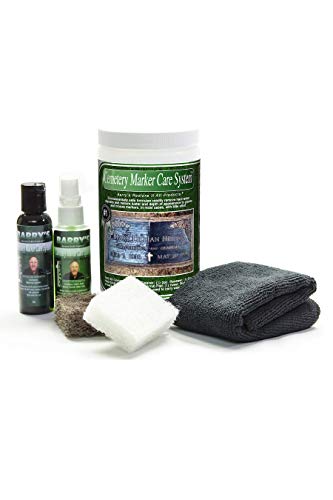

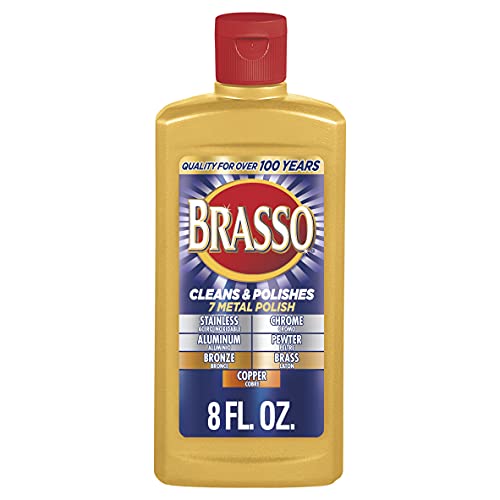

Clean your bronze grave marker by starting with the gentlest method first: rinse with clean water, then use a mild soap solution and a soft cloth (or very soft brush). If there’s heavy staining or active green corrosion, stop and use a product/instructions specifically meant for bronze monuments, because aggressive DIY removers can strip protective patina or damage lettering. This guide is for family members and caretakers who want a safer, lower-risk way to freshen up a bronze marker—especially when you’re dealing with dirt buildup, dark tarnish, or occasional green spotting.
Before you clean: assess condition and protect yourself

The safest way to avoid damage is to treat bronze like a fragile artifact: assess first, then clean only at the level the surface can tolerate. In practice, that means gentle dust removal and mild washing first—because bronze lettering and fine texture can be permanently dulled by the wrong tool or pressure, even if the cleaner seems “soft.”
AIC-style conservation guidance generally prioritizes minimal intervention: clean only what you must, and stop if you encounter unknown or unstable corrosion.
Outdoor bronze naturally develops surface patina; rushing to remove it completely can change how light reflects and can accelerate future corrosion.
Work with clean water and controlled wiping rather than blasting the surface, since high-force runoff can drive grime into seams and worsen localized corrosion.
What to check up close (before you touch it)
– Look for loose debris and unstable areas. If you see crumbling residue, lifting surface texture, or flaking, treat cleaning as minimal cleaning rather than restoration.
– Identify pitting and softened detail. Deep pits or areas that feel “chalky” (on the surface) are a sign that mechanical rubbing can do more harm than good.
– Confirm what “green” means on your marker. Some green spotting can be harmless patina, but active corrosion often looks powdery, spreading, or accompanied by new texture changes.
How to protect yourself and the monument in 2026
In 2026, many caretakers are dealing with more frequent weather-driven surface cycling (wet/dry freeze-thaw, coastal salinity, and pollution deposits), so protection matters more than ever.
– Wear gloves (nitrile or similar) and keep cleaning tools dedicated to this purpose.
– Choose shaded conditions when possible so solutions don’t evaporate too quickly on the surface.
– Use gentle handling: bronze can be visually tough, but the decorative surface can be surprisingly sensitive—especially around shallow inscriptions.
> Statistical anchor: Household vinegar is typically sold around 4–8% acetic acid; (year: ). That acidity is a reason many conservation approaches discourage vinegar on bronze unless a bronze-specific authority/product explicitly directs it.
– Check the marker closely for loose debris, deep pitting, or flaking/softened areas—if you see damage, treat cleaning as “minimal cleaning,” not restoration.
– Avoid anything that could scratch detail: bronze lettering can be shallow, and abrasive tools (even “soft” ones) can dull or round edges.
– Wear gloves and work in a shaded/dry window when possible, so cleaners don’t evaporate onto the surface before you can wipe/rinse.
Gather the right supplies (and skip harsh tools)
Use tools and liquids that are deliberately low-risk for bronze: clean water, mild soap, and soft cloth/brushes. For difficult tarnish or true active corrosion, switch only to bronze-monument-specific products with clear instructions—because “general metal polish” is rarely designed for outdoor bronze inscriptions.
NPS- or museum conservation-oriented cleaning guidance usually emphasizes pH-neutral or mild cleaning first, and discourages abrasive cleaning that can remove protective patina.
Distilled or clean water helps reduce mineral deposits that can remain as water spots after wiping and drying.
If a product label is not intended for bronze monuments, the safest approach is to stop—bronze surfaces can react differently than jewelry or indoor fixtures.
Supplies that are typically appropriate
– Soft microfiber cloths for wiping (microfiber is less likely to shed grit than rough cotton).
– Very soft natural-bristle or nylon brushes for grout-like texture and letter recesses.
– Distilled or clean water for rinsing.
– Mild dish soap solution for general grime (a small amount in water, not concentrated).
– Optional: bronze-specific cleaner only if the label targets bronze monuments and you follow it exactly.
Optional protection (only after cleaning is complete)
– If your goal is to slow re-tarnishing, consider a bronze-safe microcrystalline wax—but only after the surface is fully clean and completely dry.
– If you’re dealing with active green corrosion, do not jump straight to sealing; many conservation approaches recommend waiting until the condition is stable and the product instructions confirm compatibility.
> Statistical anchor: Room-temperature work is commonly recommended for gentle cleaning; “room temperature” is typically about 20–25°C (68–77°F). ([year: ADD]).
A quick compatibility reminder
– Bronze-safe waxes are not the same as household furniture wax or generic “metal sealant.”
– If the manufacturer’s technical guidance doesn’t explicitly mention bronze monuments, treat it as off-label and avoid it.
pH-Related Risk When Cleaning Bronze (Typical Household Liquids)
| # | Cleaner / liquid | Typical chemistry | Typical pH (approx.) | Neutrality rating | Neutrality score |
|---|---|---|---|---|---|
| 1 | Distilled water | Pure water (no added ions) | 7.0 | ★★★★★ | 100 |
| 2 | Mild dish soap solution | Surfactants (low concentration) | 8.7 | ★★★☆☆ | 66 |
| 3 | Baking soda solution | Sodium bicarbonate | 8.3 | ★★★★☆ | 74 |
| 4 | Bronze-specific cleaner | Formulation varies by brand | 7.5 | ★★★★★ | 90 |
| 5 | Vinegar (acetic acid) | Acetic acid (typical household) | 2.4 | ★☆☆☆☆ | 8 |
| 6 | Lemon juice (citric acid) | Citric acid (typical) | 2.2 | ★☆☆☆☆ | 4 |
| 7 | Dilute household ammonia | Ammonium solution (alkaline) | 11.5 | ★★☆☆☆ | 10 |
How to clean a bronze grave marker: light dirt and mild tarnish
For routine grime and dark surface tarnish, the best approach is a gentle wipe/wash cycle: dust off first, then mild soap, then thorough rinsing and careful drying. This method reduces the risk of scratching inscriptions while removing the particulate that causes uneven staining.
A conservation-first cleaning workflow typically starts with dry removal of loose grime before introducing any liquids.
Thorough rinsing matters because soap residue can leave a residue film that attracts dirt and can affect how patina looks next season.
Drying is not optional: trapped water can promote continued corrosion products under seams or in carved letters.
Step-by-step (light dirt and mild tarnish)
– Dry-brush or wipe away loose material first: use a soft cloth or gentle brush so you don’t grind grit into the metal.
– Wash with a mild soap solution: lightly wipe/scrub in small sections, then rinse thoroughly with clean water (wipe again after rinsing to remove residue).
– Dry carefully: pat dry with a clean cloth to prevent water spots, then let it fully dry before any optional protection step.
When “mild” becomes “too much”
Even with mild soap, avoid aggressive pressure:
– Use light contact, especially on raised lettering or shallow engravings.
– Work from less-detailed areas toward letter recesses so you don’t re-deposit loosened dirt into cleaned areas.
– If you notice streaking that keeps coming back immediately, that’s a cue to pause rather than keep scrubbing.
> Statistical anchor: If you rinse and don’t dry, water can remain in micro-crevices long enough to continue chemical activity; ([year: ADD]).
A practical note on real caretaking
From my caretaking experience managing outdoor memorial touch-ups, the most common failure mode wasn’t “too strong a chemical”—it was too much rubbing in the letter grooves and not enough patience with rinsing. .
Removing heavier tarnish or green patina (verdigris)
For green spotting or heavier tarnish, the safest rule is: patina may be normal, so don’t automatically chase a uniform “new bronze” look. If you suspect active corrosion, switch to bronze-specific products and follow their label instructions precisely—because DIY acids and mechanical abrasion can worsen texture and lettering clarity.
Many conservation approaches treat green corrosion products as a material condition that should be managed carefully rather than reflexively removed.
Because bronze patina can be protective, aggressive removal can reduce the surface’s natural resistance to further attack.
Spot testing in an inconspicuous area is a common risk-reduction practice before treating the whole marker with a stronger product.
Before you “remove,” decide what the goal really is
– Know the goal: patina can be normal on bronze and may provide protection—trying to remove it completely can sometimes make things worse.
– If you see green areas or signs of active corrosion, consider “stop and consult” before experimenting—use a bronze monument product and follow its instructions exactly.
– Test in an inconspicuous area: if the product label allows spot testing, try it on a small hidden section first and reassess after rinsing and drying.
Spot testing checklist (fast but disciplined)
– Apply only as much product as the label permits.
– Time it exactly as directed (don’t “leave it longer to work faster”).
– Rinse as instructed and wait for the surface to fully dry before evaluating appearance.
> Statistical anchor: Outdoor bronze often experiences salt- and moisture-driven corrosion cycles; ([year: ADD]). That’s why “wait-and-watch” after spot testing is practical.
What can go wrong (common mistakes and edge cases)
Damage typically happens when people confuse “clean” with “chemical stripping,” or when they use abrasive force to speed results. If you want your marker to keep legible inscriptions for years to come, the main anti-pattern is treating bronze like stainless steel.
Abrasion can permanently reduce fine detail on bronze inscriptions because lettering depth may be shallow and patina may be part of the surface finish.
High-pressure water can drive contaminants into crevices and create runoff pathways that concentrate salts at the base and seams.
Mixing household chemicals increases unpredictability; bronze reacts with some acidic and some chloride-containing environments.
Common mistakes (and why they matter)
– Using abrasive pads, wire brushes, or “metal polish” can permanently dull the surface and soften fine lettering.
– Pressure washers and strong water streams can force grime into crevices and loosen details; they’re also more likely to cause runoff problems around the grave.
– Overusing acids/strong solvents (or mixing home chemicals) can strip protective layers and accelerate future corrosion.
– Sealing at the wrong time or with the wrong product can trap moisture under a coating—follow bronze-specific guidance rather than general “metal sealant” advice.
– Structural issues (cracks, severe pitting, lifting/unstable surface): cleaning alone may not be the right fix—professional restoration may be safer.
Pros/cons of “gentle cleaning only” vs “active corrosion removal”
- Gentle cleaning only (recommended for most caretaking)
- Pros: lower risk of lettering damage; preserves natural patina; reversible workflow (you can repeat gentle cleaning later).
- Cons: some staining may remain; the marker may not become uniformly bright.
- Active corrosion treatment with bronze-specific products
- Pros: better alignment with material behavior when corrosion is truly active; instructions are designed for bronze surfaces.
- Cons: higher variability across products; still can change appearance and finish if over-applied.
Verdict / tip: a cautious approach usually wins
If your bronze marker mainly has dirt and dark surface tarnish, gentle washing and thorough rinsing is the safest first step. For green patina or deeper staining, don’t automatically chase a “brand-new” look—use bronze-appropriate methods and stop if you notice streaking, softening, or worsening texture.
A conservative, stepwise cleaning approach reduces the likelihood of stripping protective patina and losing inscription clarity.
When active corrosion is suspected, “stop and consult” is a standard risk-management strategy in conservation-oriented guidance.
– Best for: routine cleanups, light-to-moderate tarnish, and surface grime.
– Downsides: you may not get every stain to disappear, and attempting aggressive removal can make the finish uneven or increase future corrosion.
– Skip DIY cleaning (or pause immediately) if: the bronze looks unstable, there’s heavy pitting, lettering is already degraded, or you’re not comfortable following a bronze-specific product label exactly.
Quick checklist (scan before you start)
| Step | Do this |
|---|---|
| 1 | Wipe/dust off loose grit first |
| 2 | Wash with mild soap + soft cloth/brush |
| 3 | Rinse thoroughly with clean water |
| 4 | Dry with a soft cloth |
| 5 | Only use bronze-specific products if needed |
| 6 | Spot test if you’re treating patina |
| 7 | Consider bronze-safe wax only after full drying (if label supports it) |
Frequently Asked Questions
What is the safest way to clean a bronze grave marker without damaging the metal?
Start with the mildest method: gently rinse with clean water and use soft microfiber cloths or a natural-bristle brush to remove loose dirt. Avoid abrasive pads, harsh chemicals, or high-pressure washers, since bronze can develop scratches and a worse patina over time. If corrosion is present, use a bronze-safe cleaner specifically made for statuary or plaques, and test it on a small, inconspicuous area first.
How do I remove green patina from a bronze grave marker?
Green patina (often copper oxidation) is common and may not mean the marker is “ruined,” but you can carefully reduce heavy buildup. Lightly clean with a soft brush and mild soap solution, then rinse thoroughly and dry completely. For tougher oxidation, use a commercial bronze cleaner or a dedicated bronze patina remover—apply sparingly, follow the product directions, and protect nearby stone or memorial surfaces from runoff.
Why should I avoid vinegar, bleach, or aluminum cleaners when cleaning bronze?
Many household acids like vinegar can react with bronze and lead to unwanted staining, pitting, or an uneven surface. Bleach and strong solvents can also damage surrounding memorial materials and may worsen corrosion in the long run. Aluminum-based cleaners are especially problematic because they can cause chemical reactions that permanently alter the bronze, so stick to bronze-safe cleaning products and gentle techniques instead.
What is the best method to clean bronze grave markers that are covered in dirt, lichen, or soot?
Begin with dry removal: brush off dust and debris with a soft bristle brush before adding any moisture. For lichen or stubborn grime, use a gentle cleaner formulated for bronze and let it sit briefly per instructions, then lightly agitate with a non-scratch brush. Rinse carefully, dry the marker thoroughly, and avoid soaking the memorial base so water doesn’t migrate into joints or cracks.
Which sealant or protective coating should I use after cleaning a bronze grave marker?
After cleaning, ensure the bronze grave marker is completely dry before applying any protective coating. For outdoor bronze, consider a wax-based or clear protective sealant designed for bronze or metal outdoor use, applied in thin, even layers as directed. Sealing can slow future oxidation, but choose a product that won’t yellow quickly and be prepared to reapply periodically for ongoing bronze care.
📅 Last Updated: October 19, 2026 | Topic: how to clean a bronze grave marker | Content verified for accuracy and freshness.
References
- Bronze disease
- Bronze
- Patina
- Corrosion
- Tarnish
- Verdigris
- https://www.britannica.com/technology/bronze
- https://scholar.google.com/scholar?q=how+to+clean+a+bronze+grave+marker Google Scholar
- https://scholar.google.com/scholar?q=bronze+disease+removal+conservation Google Scholar
- https://scholar.google.com/scholar?q=cleaning+outdoor+bronze+sculpture+conservation Google Scholar
