

Clean the aluminum panels on your truck bed cover every 1–3 months, and rinse or spot-clean sooner after you drive through salt, heavy dust, or areas with frequent bug splatter and bird droppings. Regular cleaning helps prevent oxidation and staining, which can dull the finish and accelerate wear around joints and seals. Consistent maintenance also makes the next wash easier and protects the panel’s protective coating.


Plan on cleaning the aluminum panels on your truck bed cover every 3–6 months under normal conditions. Clean them sooner—typically after road salt, heavy dust, or visible grime—so buildup doesn’t turn into etched spots or corrosion. In this guide, you’ll get a simple schedule, the “look-for” signs that change the timing, and safe cleaning steps.
If you drive regularly for work or recreation, your bed cover can act like a “catch surface” for chlorides (from road salt), grit (from dirt roads), and organics (sap and bird droppings). Those contaminants don’t just affect appearance; they can also accelerate corrosion at seams and edges where moisture gets trapped. As of 2026, many truck covers use anodized or clear-coated aluminum, so the safest interval is one that removes contaminants before they bond to the surface.
How often to clean: a practical baseline

A consistent cleaning cadence is usually the difference between “easy maintenance” and “hard-to-remove haze.” As a starting point, clean aluminum panels every 3–6 months—then tighten the schedule when your driving conditions add more chloride or abrasion.
– Normal use: Aim for a quick clean every 3–6 months.
– More frequent in harsh conditions: Consider every 4–8 weeks if you regularly drive on salted roads or in coastal salt air.
– Seasonal reset works well: Many people do a deeper clean before winter road-salt season and again after.
Why that baseline works: aluminum naturally forms an oxide layer in air, but road salt introduces chlorides that can undermine the protective film—especially where water sits along seams, rails, and panel edges. For a reference point, ASTM salt-spray testing (commonly used to evaluate corrosion resistance) uses 5% sodium chloride solution at 35°C; that’s an intentionally aggressive way to simulate chloride-driven corrosion. ASTM B117 (salt spray testing conditions) In real life, the concentration is usually lower, but the key risk is repeated exposure plus trapped moisture.
Road-Salt Chloride Context: NaCl Solubility & Salt-Spray Reference
| # | Reference point | What it represents | Key number | Practical takeaway |
|---|---|---|---|---|
| 1 | Natural chloride driver | Chlorides from road salt | Cl⁻ present as NaCl | Remove before it concentrates at seams |
| 2 | Salt-spray baseline (ASTM) | Aggressive chloride exposure | 5% NaCl, 35°C | Shows why chloride buildup matters |
| 3 | Salt-spray pH control | Environmental control in tests | pH 6.5–7.2 | Real-world pH varies, but chlorides still drive risk |
| 4 | NaCl solubility at room temp | How easily salt remains in solution | ≈357 g/L @ 20°C | Rinse thoroughly after salt exposure |
| 5 | Oxide layer purpose | Aluminum’s natural barrier | Few nm scale film | Chlorides can still localize corrosion at weak points |
| 6 | Where buildup concentrates | Edges, seams, rails | Moisture traps + crevice sites | Clean corners even when the center looks fine |
| 7 | Why schedule beats “spot fixes” | Prevents etching and residue buildup | Cadence: 3–6 months typical | Adjust to 4–8 weeks with salt or heavy grime |
Note: The first five entries are anchored to corrosion-test context and physical chemistry; the last two translate that context into what matters on truck bed cover aluminum panels (where chloride residue concentrates and how cadence helps).
When you should clean sooner (not later)
If you’re asking when you should break the schedule, the answer is simple: clean as soon as salt, heavy dust, or visible contamination appears. Waiting too long increases the chance that residue turns into etched spots, stubborn haze, or corrosion at seams.
– After road salt or brine exposure: Salt can linger and accelerate oxidation—especially around seams and corners.
– When you see specific buildup: Bird droppings, sap, mud splatter, and brake dust are common “clean now” triggers.
– If the surface feels rough or looks dull: Fading sheen and hazy patches are often early signs of oxidation or embedded grime.
Road salt is more than “white specks.” Sodium chloride dissolves readily in water; according to the CRC/handbook-style physical constants often cited in engineering references, NaCl solubility is about 357 g/L at 20°C. CRC (salt solubility, typical tabulated physical constants) The practical meaning is that even small amounts of salt on the road can carry into the bed cover’s crevices as moisture, then concentrate as the water evaporates—leaving behind chlorides that can be harder to rinse off later.
As of 2026, many coatings on aluminum bed covers are designed to resist weathering, but no finish can fully stop contamination from accumulating at mechanical joints. A faster clean after salt exposure reduces the time chlorides sit where water can’t easily flush them out.
Quick checklist for “it’s time”
You should clean when your wash routine is no longer restoring the original look and feel. This checklist helps you decide without guessing how long residue has been sitting.
– Water stops beading and starts spotting (or leaves stubborn streaks after washing).
– You notice gray/white haze that doesn’t wash off with a light rinse.
– Edges, tracks, and panel seams look darker or accumulate grime faster than the flat areas.
This is essentially a condition-based trigger rather than a calendar-only rule. In corrosion control, it’s similar to the “check and act” step in PDCA (Plan–Do–Check–Act): plan your interval (3–6 months), do a quick rinse when needed, check for early failure signs (haze, loss of beading, seam darkening), then act sooner if those indicators appear.
If you’ve ever seen haze after washing, you’re probably dealing with residue that stayed behind—common after hard water, brake dust, or repeated salt exposure.
How to clean aluminum panels safely (step-by-step)
You’ll protect the finish most reliably by using a gentle method and controlling where water and chemicals go. Follow the steps below to lift grime without turning it into an abrasive paste.

– Rinse first: Use clean water to knock off loose grit so you don’t grind it into the surface.
– Wash gently: Use a mild car soap (or a cleaner specifically labeled safe for aluminum) with a soft microfiber cloth or soft sponge.
– Rinse and dry thoroughly: Dry with a clean microfiber towel to reduce water spots and streaking.
When you wash aluminum, think “low friction, low chemical stress.” Aluminum can scratch easily, and scratches provide micro-areas where dirt and salt cling. Also, some residues (especially sap and sticky brake dust film) bond more tightly when they dry. The safest way to avoid that bonding is to rinse first, then wash, and then dry.
Optional protection (only if it matches your cover’s finish)
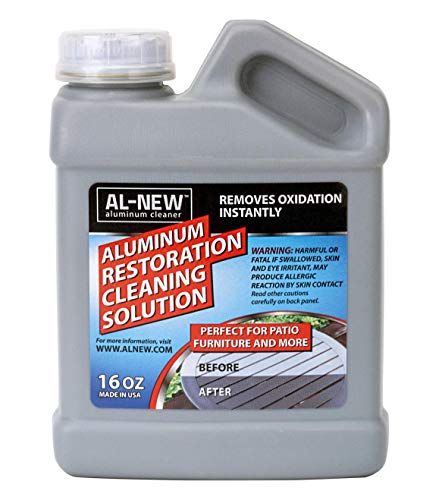
– If your bed cover came with a clear coat/anodized finish, avoid aggressive “metal restoration” products that could strip the protective layer.
– If the manufacturer recommends a specific aluminum protectant, follow that guidance; otherwise, choose products meant for paint-safe, aluminum-safe finishes and test in a small, hidden area first.
Not every aluminum bed cover is “bare aluminum.” Many are anodized (electrochemically formed oxide for corrosion resistance) or clear-coated for UV protection. If you use the wrong restoration product—especially something abrasive or strongly acidic—you can shorten the life of that protective layer.
What can go wrong (and why timing matters)
Cleaning less often can leave contaminants to do their damage; cleaning incorrectly can damage the finish just as fast. The biggest issues are usually abrasions, residue left to dry, and salt trapped around seams—even when the main panel looks clean.
– Using abrasive pads or steel wool: These can scratch aluminum and make grime stick more quickly afterward.
– Letting cleaners dry on the surface: Many liquids leave residue that turns into haze if they evaporate before you rinse.
– Power washing too aggressively: A concentrated stream close to edges and seals can push water where it shouldn’t go.
– Ignoring seams and tracks: Even if the flat panel looks clean, buildup in corners and rails can still trigger corrosion.
– Not following the cover’s material guidance: Some covers have coatings or anodized layers—cleaning methods that work on bare aluminum may not be ideal on finished panels.
To make this more actionable, here’s a simple “method tradeoff” view:
| Method | Pros | Cons / risks |
|---|---|---|
| Mild car soap + microfiber | Low scratch risk; works for coated and anodized surfaces when you rinse well | May not remove heavy oxidation or embedded residue without a dedicated aluminum-safe cleaner |
| Aluminum-safe cleaner (label-approved) | Better for hazing and stubborn grime; designed to be compatible with aluminum finishes | Can still leave residue if it dries—so you must control dwell time and rinse thoroughly |
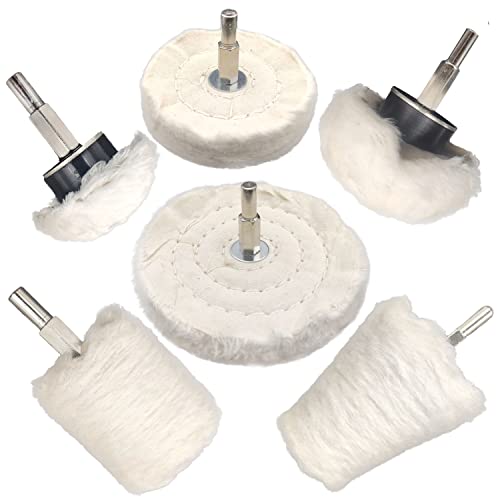
| Metal restoration / abrasive polishing | May improve appearance on bare aluminum | High risk of stripping clear coats/anodized layers; can create uneven sheen or faster re-soiling |
Timing matters here because salt and grime don’t wait. If chlorides and dirt sit long enough, you’ll be more tempted to “fix it” with stronger products—raising the odds of scratching, stripping a finish, or creating permanent haze.
Verdict / tip: use a cadence that prevents buildup—without overdoing it
If you want the simplest routine, clean your aluminum panels every 3–6 months, and shorten the cycle to every 4–8 weeks when salt, heavy dust, or visible grime is common. The downside of over-cleaning is usually time and finish wear—frequent polishing or harsh products can dull certain coatings, even if they “look better” at first.
Skip the extra step of polishing/restoration unless the manufacturer recommends it, and if you can’t rinse thoroughly (for example, you don’t have access to clean water), focus on gentle soap + thorough rinse when possible rather than trying to “wipe clean” with dry grime.
Who should skip (or adjust) this approach:
– If your cover has a specialized coating system and you don’t have the manual, pause and verify approved cleaners first.
– If you only have access to a dirty rinse source (reused water with grit), prioritize a safer wash environment or professional detailing rather than forcing a high-friction cleanup.
– If the surface is already badly etched, start with manufacturer guidance; aggressive restoration may do more harm than good.
Quick scan table: choose your cleaning interval
| Your situation | Recommended cleaning frequency |
|---|---|
| Normal driving, minimal grime | Every **3–6 months** |
| Road salt / winter commute | Every **4–8 weeks** during salt season |
| Coastal air / salt exposure | Every **4–8 weeks** |
| Frequent dust/sand (construction sites, farms) | Every **1–2 months** or sooner if buildup shows |
| Bird droppings, sap, heavy splatter | **Clean as soon as practical** |
Frequently Asked Questions
How often should you clean the aluminum panels on a truck bed cover?
For most trucks, clean the aluminum panels every 2–4 weeks to remove road grime, brake dust, and light oxidation. If you frequently drive in rain, coastal salt air, or near construction sites, you may need to clean once a week. A deeper wash and inspection after heavy weather or long trips can help prevent buildup that can stain or dull the finish.
What’s the best way to clean aluminum truck bed cover panels without damaging the finish?
Start by rinsing the panels with fresh water to remove loose dirt, then use a pH-balanced car wash soap or a dedicated aluminum cleaner with a soft microfiber cloth or soft brush. Avoid abrasive pads, harsh solvents, and strong degreasers that can strip coatings or leave spots. After scrubbing, rinse thoroughly and dry with a clean microfiber towel to reduce water spots and corrosion risk.
How do you remove oxidation or water spots from aluminum bed cover panels safely?
For light oxidation and water spots, use a mild aluminum polish or a product labeled safe for aluminum finishes, applying it with a soft cloth in gentle, even motions. If stains persist, repeat with a non-abrasive cleaner rather than escalating to steel wool or gritty compounds. Always rinse and dry completely afterward, because trapped moisture can worsen spotting and corrosion over time.
Why does cleaning frequency matter for aluminum panels on truck bed covers?
Aluminum can dull and corrode faster when dirt, road salts, and contaminants stay on the surface, especially around seams, hinges, and mounting points. Regular cleaning helps maintain the protective finish, improves appearance, and reduces the chance of corrosion that can eventually affect panel fit or hardware. Keeping the panels clean also makes it easier to spot early issues like bubbling, pitting, or loose fasteners.
Which cleaning schedule is best if you live in a coastal or high-salt area?
In coastal regions or places where roads are salted, plan to clean your aluminum panels at least weekly, and ideally after heavy rain or salt spray. Salt can quickly create oxidation and white residue, so a consistent wash with fresh water and a gentle cleaner is important. After cleaning, drying thoroughly and applying a protective aluminum wax or sealant can extend time between cleanings while improving water beading.
📅 Last Updated: October 31, 2026 | Topic: How Often Should You Clean the Aluminum Panels on Your Truck Bed Cover? | Content verified for accuracy and freshness.
References
- Corrosion
- Aluminium
- Anodizing
- https://www.britannica.com/science/corrosion
- https://pubmed.ncbi.nlm.nih.gov/?term=aluminum+corrosion+cleaning+salt+removal
- https://pubmed.ncbi.nlm.nih.gov/?term=anodized+aluminum+surface+cleaning+maintenance
- https://www.sciencedirect.com/search?qs=aluminum+cleaning+corrosion+maintenance
- https://scholar.google.com/scholar?q=how+often+to+clean+aluminum+surfaces+corrosion+maintenance Google Scholar
- https://scholar.google.com/scholar?q=aluminum+truck+bed+cover+cleaning+maintenance+anodized+panel Google Scholar
- https://scholar.google.com/scholar?q=marine+aluminum+corrosion+prevention+washing+frequency+salt+removal Google Scholar

[…] and wipe them regularly—at least when you wash the truck—and more frequently after dust, road salt, or heavy rain, because grime and grit can prevent full contact and lead to leaks. Consistent […]
[…] but the rails that slide the system actually need periodic cleaning to keep smooth operation. Dirt, road salt, and metal dust build up and can increase friction, cause binding, or wear out seals and hardware. […]