

What’s the safest way to clean faux leather chairs without cracking or fading them? With the right gentle cleaner and a soft microfiber cloth, you can freshen the surface in about 15 minutes and prevent buildup. Start by vacuuming off dust, spot-cleaning stains, then wiping with a lightly damp water-only cloth and drying thoroughly.


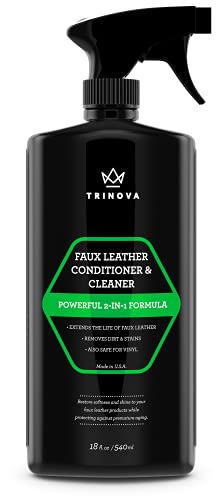

Wipe faux leather chairs with a damp microfiber cloth and a mild soap solution, then dry right away to prevent residue and discoloration. For stains, treat the spot gently (don’t scrub hard) and test any cleaner in a hidden area first—this preserves the protective PU/vinyl coating that keeps the surface looking smooth.
If your dining chairs, office chairs, or accent chairs are showing everyday grime, spills, or scuffs, this routine is designed to be safe and repeatable without accidentally stripping the finish.
What to use (and what to avoid) on faux leather

The best cleaning setup for faux leather is simple: mild soap + soft microfiber, used lightly and followed by thorough rinsing. The goal is to lift oils and dirt without dissolving or abrading the coating layer.
Use
– Soft microfiber cloth or a microfiber sponge (microfiber captures soil without grinding it).
– Mild soap solution: a few drops of gentle dish soap in warm water.
– Clean damp cloth for rinsing to remove any soap film that can attract more dirt.
Avoid
– Harsh cleaners such as bleach and strong degreasers (they can break down the finish chemistry and dull color).
– Solvents like acetone or nail polish remover (these are designed to dissolve materials).
– Abrasive scrub pads (even if they “work fast,” they can wear the protective layer and cause shiny patches).
Don’t skip patch tests
Faux leather coatings vary (PU vs. PVC/vinyl, matte vs. semi-gloss). Before you tackle the whole chair, test your chosen soap or cleaner in an inconspicuous area and wait for the finish to dry fully.
Finish-Safety of Common Faux-Leather Cleaning Options (PU/Vinyl)
| # | Cleaning option | Main active | Typical strength | Best use | Finish-safety rating |
|---|---|---|---|---|---|
| 1 | Mild dish-soap solution | Surfactants | Diluted (few drops/large bowl) | Daily grime, light scuffs | ★★★★★ |
| 2 | Plain water (for rinsing) | Water | Unscented | Soap removal | ★★★★☆ |
| 3 | Vinyl/PU cleaner (brand-labeled) | Surfactants + conditioners | As directed (usually diluted) | Set-in dirt | ★★★★☆ |
| 4 | Diluted white vinegar solution | Acetic acid | Very light dilution | Odor/film on some finishes | ★★★☆☆ |
| 5 | Hydrogen-peroxide–based spot cleaners | H₂O₂ | Low concentration (varies) | Some dark spots (test) | ★★☆☆☆ |
| 6 | Alcohol-based wipes/sprays | Ethanol or isopropanol | Often ≥60% | Disinfection on labels (rare) | ★☆☆☆☆ |
| 7 | Acetone / nail polish remover | Acetone | Solvent strength | Not recommended | ☆☆☆☆☆ |
Quick daily wipe-down for faux leather chairs
The fastest way to keep faux leather looking new is a short daily wipe that removes dust and oils before they build up. This approach reduces both staining and the “dull film” that shows up when soap residue lingers.
1. Dust first with a dry microfiber cloth so you don’t grind grit into the coating.
2. Wipe gently with a lightly damp cloth using the mild soap mix (the cloth should feel damp, not wet).
3. Rinse the soap away: go over the same area with a clean damp cloth.
4. Dry immediately using a dry towel or microfiber cloth.
That “dry right away” step matters because faux leather finishes are coatings, not porous leather. If water sits or soap dries on the surface, you can get discoloration or a sticky feel that attracts more dirt.
In 2026, most care labels for PU/vinyl upholstery still emphasize: minimal moisture, gentle pressure, and prompt drying—because the coating layer is what you’re protecting.
How to clean faux leather stains and sticky spots
The right method for faux leather stains is gentle spot-treatment with controlled moisture and no aggressive scrubbing. Here’s how to match the technique to the problem so you lift residue without damaging the finish.
Grease or oily spots
– Dab the area with soapy water using gentle pressure—think “lift,” not “scrub.”
– Wipe with a damp cloth afterward, then dry.
Scuffs and light marks
– Use only your microfiber cloth. Rub softly in small circles.
– If needed, repeat with fresh soapy water (but always rinse and dry).
Sticky residue
– Start with the mild soap solution first, since sticky spots are often residue build-up (food oils, hand lotions, or cleaner left behind).
– If you need something stronger, choose a cleaner you can apply briefly and precisely, and patch test first.
– After any stronger cleaner, wipe thoroughly with clean water and dry completely.
For a safety perspective on “stronger” options, alcohol is a common ingredient in wipes. According to the CDC, alcohol-based hand rubs are considered effective at 60% alcohol or higher (CDC, 2024). That strength can be harsh for some faux leather coatings, which is why you should treat alcohol wipes as an exception—not the default.
Rinse, dry, and condition without damaging the finish
The finish stays intact when you rinse completely and avoid high heat. After cleaning, remove leftover cleaner, air-dry fully, and only condition if the chair’s label (or the manufacturer) specifically supports it.
Rinse
– Soap left behind can become a dirt magnet and create a tacky surface over time.
– Use a clean damp cloth to “wipe the soap away,” then switch to a dry cloth.
Dry
– Air-dry until fully dry.
– Avoid hair dryers, heaters, and direct high heat—heat can soften coatings and change sheen.
Condition carefully
– If the manufacturer recommends a faux-leather conditioner, use it sparingly.
– Skip heavy oils or petroleum-based products unless the label confirms compatibility. In practice, “too much conditioner” can actually make the chair attract lint and look uneven.
If you’re unsure whether a conditioner is compatible, stick to the mild-soap routine until you confirm care instructions from the chair manufacturer in 2026.
What can go wrong when cleaning faux leather
Most faux leather damage happens when cleaners dissolve the coating, when excess moisture sits too long, or when abrasive tools remove the finish layer. Knowing the failure modes helps you avoid problems that are hard to reverse.
– Leaving cleaner on the surface instead of rinsing: tackiness, bubbling, or peeling can develop over time.
– Using solvents: acetone and similar products can strip or soften protective layers.
– Using abrasive pads: “cleaning” becomes “polishing off the coating,” leading to shiny spots or color fading.
Patch tests
Skipping patch tests can cause color changes, especially on matte finishes or darker chairs where defects are more visible.
A key material limitation
Faux leather is a coating system. Once it cracks, flakes, or lifts, cleaning can’t rebuild the lost top layer—at that stage, the surface needs professional evaluation or replacement.
Verdict: safest approach for most faux leather chairs
The safest overall method for most PU/vinyl faux leather chairs is mild soap + gentle wiping + rinse + full air-drying. It’s not the fastest fix for severe staining, but it’s the lowest-risk path to preserving the finish.
– Best overall method: mild soap solution, soft microfiber, controlled moisture, thorough rinsing, and full air-drying.
– Downside: deep, set-in stains may require multiple careful rounds; some marks may be permanent.
– Skip this DIY approach if: the faux leather is already cracking, flaking, peeling, or lifting—cleaning won’t restore failing material.
Also, if you’re considering disinfecting wipes: use them only if the product label explicitly states compatibility with faux leather and you’ve patch-tested first.
Save-and-scan checklist (step-by-step)
Frequently Asked Questions
How do you clean faux leather chairs without damaging the finish?
Start by dusting or vacuuming the faux leather surface with a soft brush to remove grit that can scratch. Use a damp microfiber cloth with warm water and a small amount of mild soap, then wipe gently and dry immediately with a clean towel. Avoid harsh chemicals, alcohol-based cleaners, and abrasive scrubbers, since they can cause cracking or peeling over time.
What’s the best way to remove stains from faux leather upholstery?
Blot fresh stains right away with a dry cloth so the liquid doesn’t soak into the material backing. For most spots, wipe with a solution of warm water and mild soap, then rinse by wiping with a lightly damp cloth and dry thoroughly. For tougher stains (like ink or grease), test a small hidden area first and use a faux leather cleaner or a diluted mixture recommended for vinyl/PVC surfaces.
How do you clean faux leather chairs that have mildew or musty odors?
Wipe the area with a cloth lightly dampened with a 1:1 mix of water and white vinegar, then let it sit briefly before wiping again. Dry the chair completely using a fan or open airflow, because lingering moisture can worsen mildew. If the smell persists, repeat gently and consider using a specialized upholstery cleaner designed for faux leather.
Which cleaning products are safe for faux leather chairs?
Look for cleaners labeled safe for “faux leather,” “vinyl,” or “PU leather,” and stick to mild soap-based options for routine cleaning. Avoid acetone, bleach, strong degreasers, and alcohol-heavy products, since they can break down the protective coating. If you’re unsure, always patch test in an inconspicuous spot before applying to the full chair.
Why does faux leather get sticky, and how can you clean it properly?
Faux leather can feel sticky due to residue buildup from body oils, cleaning products, or surface coatings degrading over time. Clean it by wiping with a damp microfiber cloth and mild soap, then follow with a cloth dampened with clean water to remove any remaining residue. Once fully dry, you can apply a light conditioner made for faux leather only if the product is specifically intended for that material.
📅 Last Updated: November 14, 2026 | Topic: how to clean faux leather chairs | Content verified for accuracy and freshness.
References
- Artificial leather
- Artificial leather
- https://www.cdc.gov/coronavirus/2019-ncov/community/clean-disinfect.html
- https://www.epa.gov/coronavirus/how-to-clean-and-disinfect
- https://www.who.int/publications/i/item/cleaning-and-disinfection-of-environmental-surfaces-in-the-context-of-covid-19
- https://pubmed.ncbi.nlm.nih.gov/?term=vinyl+upholstery+cleaning
- polyurethane upholstery cleaning – Search Results – PubMed
- https://scholar.google.com/scholar?q=cleaning+faux+leather+upholstery Google Scholar
- https://scholar.google.com/scholar?q=cleaning+vinyl+furniture+care Google Scholar
- https://scholar.google.com/scholar?q=polyurethane+artificial+leather+cleaning Google Scholar

[…] by removing loose dirt with a soft brush and a damp cloth. Wipe the footbed with a mild soap solution (or leather cleaner) and avoid soaking—excess water can warp or dry out leather. After cleaning, […]