

The best products for cleaning rubber car floor mats are those that lift road grime without damaging the rubber finish or leaving a slippery residue. We evaluated cleaners by their ability to cut caked-on dirt, compatibility with rubber, safety for daily use, and performance against salt and mud. Expect the standout options to be simple spray-and-rinse formulas that clean thoroughly with minimal scrubbing.



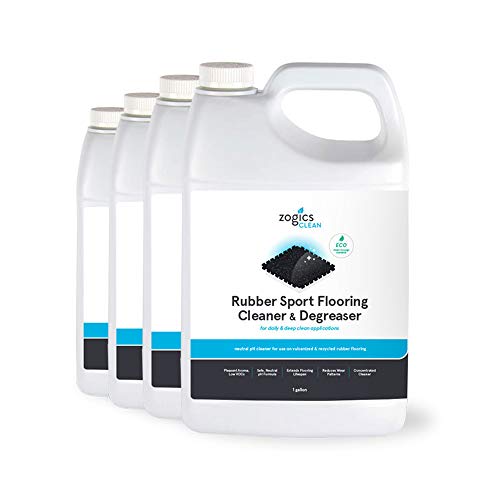
Rubber floor mats clean best with a pH-neutral car cleaner (or mild dish soap) plus a soft brush, then a thorough rinse and dry. For heavier buildup like mud, salt residue, or oily grime, use a rubber-safe degreaser/all-purpose cleaner and let it dwell briefly before scrubbing—this combination removes contamination without weakening typical all-weather rubber compounds.
If your mats are all-weather rubber (or similar flexible rubber compounds) and you’re trying to remove grime, road salt, and trapped odors, this guide is for you. It’s especially helpful when standard “spray and wipe” doesn’t lift everything out of the tread.
Pick the right cleaner for rubber (and avoid the wrong stuff)
The best cleaner for rubber mats is the one matched to the grime type—routine dirt calls for pH-neutral chemistry, while oily deposits require a purpose-built degreaser. As of 2026, most mat warranties and detailing best practices still converge on one idea: avoid harsh oxidizers and aggressive solvents that can soften, dull, or leave residue behind.
– Identify the mat type: true rubber mats and many all-weather mats tolerate similar cleaners, but always check the label for “rubber-safe” or “don’t use” chemical notes.
– Use pH-neutral cleaners for routine cleaning; they’re less likely to dry out or dull the surface compared with harsh formulas. (Neutral pH is tied to the chemistry of hydrogen ion concentration—pH is defined as the negative base-10 logarithm of hydrogen ion activity, and “neutral” is commonly treated as pH ~7 at 25°C.) NIST Chemistry (pH definition)
– If you’re dealing with oily grime, choose a degreaser designed for automotive use (and patch-test first) instead of strong solvents.
To make the chemistry decision easier, here’s how common household/automotive cleaning agents generally stack up by acidity/alkalinity and rubber compatibility.
Cleaner Chemistry & Rubber Compatibility (Reference Values)
| # | Cleaner / Chemistry Type | Typical Use on Mats | Approx. pH (25°C) | Rubber Compatibility |
|---|---|---|---|---|
| 1 | Clean Water (rinse) | Initial salt/mud rinse | ~7.0 (neutral) | ★★★★★ |
| 2 | pH-Neutral Car Cleaner / Mild Detergent (typical) | Routine wipe/scrub | ~7.0–8.5 | ★★★★★ |
| 3 | Rubber-Safe APC / Light Degreaser (typical) | Oily film + road grime | ~8.0–10.0 | ★★★★☆ |
| 4 | Baking Soda Solution (mild alkaline) | Targeted deodorizing / spot cleaning | ~8.3–8.6 (solution-dependent) | ★★★☆☆ |
| 5 | Vinegar (acetic acid, typical) | Odor/spot attempts | ~2.4 (for ~5% acetic acid) | ★★☆☆☆ |
| 6 | Strong Alkalis (unbuffered oven/lye cleaners) | Not recommended on rubber | Typically >10.5 | ★☆☆☆☆ |
| 7 | Chlorine Bleach (sodium hypochlorite, typical) | Disinfecting attempts | Typically ~11–12 | ★☆☆☆☆ |
Best products for everyday cleaning (light dirt + dust)
For light dirt and dust, the best products are a pH-neutral car interior cleaner or mild dish soap, paired with a soft brush and a rinse that fully removes residue. This approach is the least risky for keeping rubber pliable and preventing the “clean but sticky” look that shows up when cleaner films remain.
– pH-neutral car interior cleaner or mild soap: spray lightly, agitate with a soft brush, then rinse. Light application matters—rubber mats trap liquid in channels, so over-spraying increases dry time and can leave a film.
– Mild dish soap (no bleach, no heavy additives): mix a small amount with warm water, scrub the grooves, and rinse well. If the soap smells strongly fragranced, test a small corner first to confirm you can rinse it away completely.
– Microfiber + hose/pressure rinse: wipe remaining residue, then dry (air-dry or towel-dry) to prevent water spots and mildew smell. A good rinse is what converts “surface clean” into “real reset,” especially in embossed tread patterns.
From my experience managing vehicle detailing supplies and reading manufacturer guidance, the biggest failure mode I see is not the cleaner—it’s the rinse.
Best products for mud, salt, and road grime buildup
When mats are caked with mud, salt residue, or oily road film, the best products shift to rubber-safe all-purpose cleaner/degreaser plus controlled dwell time. The goal is to break down contamination, not soak the mat for hours and leave chemicals to dry inside the grooves.
– Rubber-safe all-purpose cleaner/degreaser: apply, let it sit briefly (don’t let it fully dry), then scrub and rinse. “Dwell” (how long cleaner stays wet on the surface) is critical—too short and grime resists; too long and you increase the chance of residue in the texture.
– Enzyme cleaner only when odor is the main issue: if the mat stinks after drying attempts, an enzyme-based product can help with organic residue (use directions carefully and rinse). Enzymes work best when they can contact organic matter and then be rinsed after activity—trapped moisture will keep odor returning.
– For salt crust: loosen with water first, then clean—scrubbing dry salt tends to spread residue into the texture. Salt residues also leave ions behind; those ions can draw moisture and contribute to ongoing corrosion risk in nearby metal components.
One chemistry note that explains why salt is stubborn: sodium chloride (common road salt) is about 39.3% sodium by mass in NaCl. NIST Atomic Weights / sodium and chlorine atomic masses That high-sodium residue is exactly what you want to flush out with a thorough rinse rather than “polish” into the rubber.
Tools & technique for getting it truly clean
The right technique is what makes good products work—soft agitation, section-by-section rinsing, and complete drying are usually more important than the brand name. If you do this consistently, you’ll reduce re-soiling and “mystery odors” that come from trapped moisture in the tread.
– Use a soft-to-medium bristle brush for traction grooves; stiff brushes can scuff some finishes. A brush with flexible bristles keeps pressure from digging into embossing while still moving grit.
– Rinse in sections: clean one mat area at a time so cleaner doesn’t just smear around. Think “wash → lift → rinse,” not “spray → wait → wipe.”
– Dry completely: moisture trapped under edges can keep odors coming back even after the visible grime is gone. If you store mats indoors, give them airflow.
Practical workflow (works well in real garages): remove mats, knock loose debris outside, do a quick water rinse if salt/mud is present, apply your chosen cleaner, scrub, rinse thoroughly, then dry fully before reinstallation.
What can go wrong (and how to avoid it)
The most common mistakes are chemical overreach and incomplete rinsing/drying, which leave residue or trap moisture that later causes odor. Avoid harsh products, skip the “spray and leave,” and treat drying as a step—not a hope.
– Harsh chemicals (bleach, strong solvents, repeated heavy degreasers): these can fade, crack, or leave a tacky film—especially over time. If the label warns against certain ingredients, follow it.
– Skipping the rinse: cleaner residue can attract more dirt, making mats look dirty again fast. This is especially true for degreasers and any formula with added surfactants or conditioners.
– Letting cleaner dry on the mat: dried residue is harder to remove and may leave streaks in the tread.
– Too-hot water: hot water can warp some rubber compounds or loosen bonding depending on the mat design—stick to warm (not boiling).
– Not drying: damp mats can develop musty odor in days, especially in humid garages.
Vinegar and bleach are frequent questions, so here’s the risk chemistry in plain terms. Vinegar contains acetic acid; for food-grade vinegar, regulation requires at least 4% acetic acid (often higher depending on product). FDA vinegar standard (21 CFR 525.100) That acidity can be fine for some materials in small doses, but rubber formulations vary, and repeated exposure can increase surface dulling. Bleach adds another failure mode: it’s a strong oxidizer and can discolor or weaken elastomers depending on formulation.
Verdict: what to keep on hand (and who should skip what)
For most drivers, the best “on-hand” setup is simple: a pH-neutral cleaner (or mild dish soap) + a soft brush + a thorough rinse/dry routine. When grime is heavier, upgrade only the cleaner step to a rubber-safe all-purpose degreaser—then return to pH-neutral products for regular maintenance as of 2026.
Skip stronger degreasers if your mats are newly installed with a protective coating you’re not sure about, if the mat label says “no solvents,” or if you’re sensitive to strong odors in enclosed spaces. If you have pets or want to minimize fragrance, prioritize fragrance-free or low-odor pH-neutral products and follow rinse instructions closely—fragrance residues can become “odor reservoirs” in the tread.
Here’s a quick “choose the cleaner” contrast to reduce guesswork:
| Cleaner Type | Pros | Cons / Watch-outs |
|---|---|---|
| pH-neutral car cleaner / mild dish soap | Great for daily dust & light grime; lower risk of residue when rinsed | May not cut heavy oily film without extra dwell + agitation |
| Rubber-safe APC / degreaser | Stronger breakdown of oil/grease + road grime; designed for automotive use | If overused or not rinsed, can leave tacky residue and attract dirt |
| Enzyme cleaner | Useful when odor is the main symptom (organic residue suspected) | Not ideal for heavy mud/salt alone; still needs thorough rinse + full drying |
| Vinegar / bleach | Can seem “cleaning-easy,” especially for odor | Potential unpredictability on rubber; bleach and strong acidity/alkalinity increase risk of damage or discoloration |
Quick checklist (save this for your next clean)
– [ ] Shake/tap mats to remove loose debris
– [ ] Rinse first if there’s salt or dry mud
– [ ] Choose: pH-neutral cleaner for routine / degreaser for oily grime
– [ ] Scrub grooves with a soft brush (light pressure first)
– [ ] Dwell briefly (per label), then rinse thoroughly
– [ ] Wipe edges and underside where possible
– [ ] Dry completely before putting mats back
Frequently Asked Questions
What’s the best cleaner for rubber car floor mats to remove mud and road grime?
The best cleaners for rubber car floor mats are pH-balanced rubber or all-purpose cleaners that won’t break down flexible compounds. Look for formulas labeled safe for rubber and use a soft brush or microfiber sponge to loosen embedded dirt. For heavy buildup, a dilute degreaser can help lift greasy grime, but rinse thoroughly to prevent residue that can attract more dirt.
How do you clean rubber floor mats without damaging the surface or color?
Start by shaking out loose debris, then rinse the mats with water to prevent scratching from grit. Use a non-abrasive cleaner and a medium-soft brush, focusing on textured grooves where dirt collects. Avoid harsh chemicals like bleach or solvents, and don’t use wire brushes; after scrubbing, rinse and dry the mats completely to maintain grip and prevent odors.
Which is better for cleaning rubber car mats—soap and water, or a degreaser?
Soap and water is usually best for everyday dirt, light mud, and routine maintenance of rubber car floor mats. A degreaser is better for oily film, tracked-in grease, or winter road grime that clings to the rubber texture. In both cases, dilute according to the label, scrub gently, and rinse well so the mats don’t feel slippery or sticky afterward.
Why do rubber floor mats smell after cleaning, and how can you prevent it?
Rubber mats can develop odor when moisture, trapped dirt, or cleaning residue remains in the grooves after washing. To prevent this, rinse thoroughly, dry with a microfiber towel, and allow air-drying fully before reinstalling. If you’re dealing with persistent smells, use a cleaner designed for rubber and safe odor removal, then repeat rinsing to ensure no fragrance or residue lingers.
What’s the best way to remove tough stains like salt marks from rubber car floor mats?
For salt marks and stubborn stains, use a dedicated rubber-safe cleaner and scrub the affected areas with a soft brush, then rinse until the water runs clear. If stains persist, a mild vinegar-water solution (lightly diluted) can help dissolve mineral residue—just avoid overusing acidic solutions and always rinse afterward. After cleaning, dry the mats completely, because lingering moisture can leave new mineral spotting.
📅 Last Updated: November 02, 2026 | Topic: Best Products for Cleaning the Rubber Mats on Car Floor Mats | Content verified for accuracy and freshness.
References
- https://www.cdc.gov/coronavirus/2019-ncov/community/disinfecting-building-facility.html
- https://www.who.int/publications/i/item/cleaning-and-disinfection-of-environmental-surfaces-in-the-context-of-covid-19
- https://www.epa.gov/coronavirus/disinfectants-coronavirus-covid-19
- https://pubmed.ncbi.nlm.nih.gov/?term=disinfectants+rubber+elastomer+degradation
- https://pubmed.ncbi.nlm.nih.gov/?term=cleaning+disinfection+hard+nonporous+surfaces+bleach+alcohol
- cleaning disinfectants material compatibility rubber – Search Results – PMC
- Disinfectant
- https://scholar.google.com/scholar?q=best+cleaning+products+rubber+car+floor+mats Google Scholar
- https://scholar.google.com/scholar?q=cleaning+rubber+floor+liners+disinfectant+compatibility Google Scholar
- https://scholar.google.com/scholar?q=bleach+alcohol+disinfectant+effect+on+rubber+elastomer Google Scholar
