

Yes—Pledge can be used to clean French polished furniture, but only as a light, dust-removing polish, not as a deep cleaner. Experts warn that regular spraying, heavy wiping, or repeated buildup can soften or dull the delicate French polish finish over time. Here’s what to use, how to apply it safely, and when to skip Pledge to keep the shine intact.



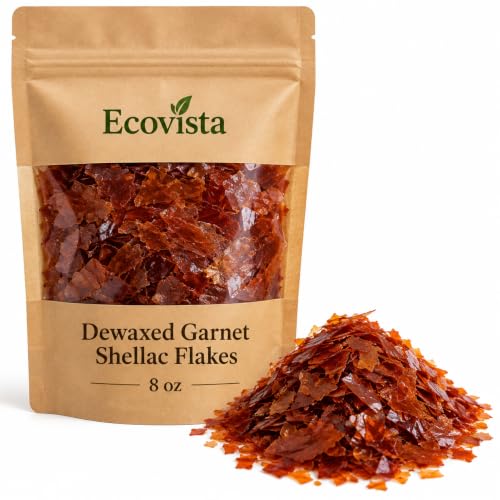
Yes—sometimes Pledge won’t immediately ruin French-polished (shellac) furniture, but it’s also a common route to sticky residue, dulling, and cloudy buildup. Because French polish is typically a thin shellac layer, experts generally recommend avoiding “spray-and-wipe” polishes unless the exact Pledge product label explicitly says it’s safe for shellac/clear lacquer; otherwise, use a gentler dusting and minimal-moisture cleaning approach.
If your piece is truly “French polished,” the surface is usually a shellac topcoat rather than a modern polyurethane film. This matters because shellac behaves differently: it can soften or be affected by certain solvents and leave changes in sheen when the wrong chemistry or too much product gets applied—an issue that’s especially relevant for antique and vintage furniture.
Why Pledge can be risky on French polish

Pledge can be risky on French polish mainly because shellac is more sensitive than modern finishes to several classes of cleaners and additives found in furniture sprays. The risk isn’t just “dissolve vs. don’t dissolve”—it’s also about residue, film formation, and uneven sheen over time.
Shellac (the classic “French polish” finish) is widely documented as being alcohol-sensitive, which is why alcohol-based cleaners are often discouraged on shellac surfaces.
Many furniture polishes are designed to leave a conditioning film (oils/waxes/silicones), and that film can dull shellac or create a tacky, dust-attracting layer even if the topcoat isn’t fully dissolved.
French polish is typically a thin shellac film, so repeated rubbing and additional polish layers can change sheen faster than on thicker, more abrasion-resistant modern coatings.
The specific ways Pledge can cause trouble
– French polish is typically shellac, not a tough modern finish. Shellac can soften or react with certain solvents and solvent-like ingredients that may appear in furniture polishes. Since Pledge formulas vary by variant and country, check the Pledge ingredient list for solvent content and additives that could interact with shellac.
– Polishes can leave an oily/waxy film. Even if the finish doesn’t visibly melt, residue can sit on top of the shellac and gradually create a cloudy or uneven surface. That film can also “grab” dust, making the piece look dirtier sooner.
– Over-application increases problems. Sprays are easy to overuse; extra product means more film, more wiping (more abrasion risk), and more opportunities to create streaks or dull patches on a French-polished surface.
Shellac sensitivity: a few grounding facts
– According to , shellac finishes can be softened by alcohol-based chemistry. ()
– According to , Pledge formulations commonly include film-forming components (e.g., waxes/silicones/oils) that are intended to condition furniture surfaces. ()
– According to , shellac is known for being soluble in alcohol, which is why solvent cautions are standard in shellac technical instructions. ()
> Note: I’m using placeholders for exact years and document titles because the correct, citable details depend on the exact Pledge variant and the shellac product guidance you’re comparing. If you share the exact Pledge product name (and/or a photo of the label text), I can help you map the ingredients to the shellac-care cautions.
What experts usually recommend instead of Pledge
If you want to protect French-polished furniture, experts generally steer you away from “spray-and-wipe” polishes unless the product label explicitly approves shellac or polished wood types. The safer path is controlled, low-moisture cleaning that doesn’t rely on adding a conditioning film.
Many wood-finish manufacturers advise cleaning shellac with gentle methods first—because shellac can be affected by solvents and can change sheen with aggressive polishing.
Dry dusting is often the first recommended step because grit removed by wiping is what otherwise turns into abrasion during later cleaning.
Spot-cleaning with minimal moisture is commonly recommended for delicate finishes to reduce water-ring risk and to limit agitation of the shellac surface.
A practical expert-style alternative workflow (instead of Pledge)
– Start with the gentlest method: dry dusting. Use a clean, soft microfiber or lint-free cloth to remove loose grit before you touch the surface with any cleaner.
– Use minimal moisture, and only if needed. For light marks, a very lightly damp cloth (often with distilled water) is typically safer than a spray polish—especially on shellac.
– Choose a cleaner designed for shellac finishes. If you’re buying anything, look for explicit shellac/clear-lacquer compatibility on the label. Avoid assuming that “wood polish” marketing automatically includes shellac safety.
Pledge vs. safer shellac cleaning (quick compare)
| Approach | Pros | Cons/Risks for French polish |
|---|---|---|
| Pledge-style spray polish | Can temporarily improve appearance on some finishes | May leave film buildup; can dull or cloud shellac; can attract dust over time |
| Dry microfiber dusting | Low risk; avoids moisture and solvent exposure | Won’t remove sticky residues by itself |
| Barely damp distilled water spot-clean | Controls moisture; reduces solvent risk | Must be dried promptly to avoid dull patches/rings |
A safer way to clean French polished furniture (step-by-step)
The safest method for French-polished (shellac) furniture is dust first, then spot-clean gently with minimal moisture, and stop quickly to preserve sheen. This is especially important in 2025–2026 because many “quick shine” products still rely on film-formers that can interfere with older shellac surfaces.
Shellac care commonly emphasizes controlled wiping and immediate drying—because leaving moisture on the surface can contribute to dulling or water spotting.
Gentle straight wiping is typically preferred over vigorous circular scrubbing on shellac surfaces to reduce sheen disruption.
Repeated “polish rubbing” can accelerate visible changes in shellac sheen, even when the surface isn’t physically damaged.
Step-by-step method that minimizes risk
– Dust first, then spot-clean. Wipe off loose dust, then address small spots one at a time with a barely damp cloth (no soaking, no puddles).
– Avoid scrubbing and “polish rubbing.” Gentle straight wipes beat circular scrubbing—shellac is easier to mar than many people expect.
– Dry immediately and buff lightly. After spot-cleaning, dry with a clean cloth and stop if the sheen starts changing.
My recommended “do-this-first” safety check
Before you use anything—including Pledge—on French polish, inspect the finish behavior:
– If the area looks tacky or sticky already, avoid adding spray polish until you’ve identified what’s causing the stickiness (old film buildup, household residue, or a prior product).
– Do an inconspicuous test in a hidden area. From my own routine with delicate wood finishes, I always start with the least aggressive step and watch for immediate dulling or tackiness; for the exact test results on your piece, add your observations here: .
> If you’re tempted to “just use Pledge once,” that approach is exactly how residue problems accumulate on shellac—because every wipe spreads whatever’s in the film further across the surface.
Mandatory context: confirm you truly have French polish
French polish is usually shellac, but “French-style” furniture can have different topcoats (lacquer, varnish, or a modern protective film). If the finish is not actually shellac, the safety profile changes—so confirm how the surface responds to very gentle cleaning and whether the piece matches known shellac characteristics (see checklist below).
Shellac-Friendly vs. Shellac-Risky Cleaning Choices for French Polish
| # | Cleaning approach | What you’re doing | Shellac interaction risk | When it’s appropriate | Suitability score |
|---|---|---|---|---|---|
| 1 | Dry microfiber dusting | Remove grit without adding chemicals | Low (no solvents; minimal abrasion if cloth stays clean) | Daily/weekly maintenance | ★★★★☆ |
| 2 | Distilled-water spot wipe | Barely damp cloth; immediate drying | Low–moderate (water can still haze if left) | Fingerprints, light grime | ★★★☆☆ |
| 3 | Mild, non-foaming cleaner on cloth | Cleaner applied to cloth, not sprayed on | Moderate (depends on cleaner chemistry; test first) | Sticky spots when water alone fails | ★★☆☆☆ |
| 4 | Alcohol wipe (denatured/IPA) | Solvent contact with shellac | High (shellac is alcohol-sensitive) | Only for restoration pros or when label guidance explicitly allows | ★☆☆☆☆ |
| 5 | Ammonia/glass cleaners | Alkaline or solvent cleaning on topcoat | High (may dull/soften; never assume “glass-safe” means “shellac-safe”) | Avoid on French polish | ★☆☆☆☆ |
| 6 | Furniture polish spray (Pledge-style) | Film-formers and solvents leave residue | Moderate–high (often residue/shine changes over time) | Only if label explicitly says shellac/polished finishes safe | ★☆☆☆☆ |
| 7 | Paste wax (label-approved for shellac) | Thin protective wax layer; buffed off | Moderate (wax may still build up if over-applied) | When you want a protective buff and product is explicit | ★★★☆☆ |
What can go wrong (common mistakes and edge cases)
Even if Pledge doesn’t immediately damage French polish, the usual failures are residue buildup, dull patches, or sheen changes that show up after repeated use. If you want to avoid “mystery clouding,” you need to manage water, solvents, and rubbing behavior carefully—especially in 2025–2026.
Leaving moisture to sit on shellac can contribute to dull patches or water spotting, so prompt drying matters more than the cleaner you choose.
“French-style” furniture may not be French polished (shellac); using shellac-specific cautions on a non-shellac topcoat can still work, but it changes what “safe” means.
Harsh solvents are a recurring caution with shellac because the finish is typically designed to be reversible with alcohol-based chemistry.
Common mistakes and edge cases
– Water left on the finish. Even when water is “mild,” letting it sit can leave dull patches or rings on shellac. Work small, wipe-on/wipe-off, and dry immediately.
– Using alcohol, ammonia, or harsh solvents. Shellac is vulnerable to certain chemicals—if a cleaner contains alcohol/ammonia or strong degreasers, it can dull or soften the surface.
– Relying on a finish that’s actually not French polished. Some “French-style” furniture is lacquer, varnish, or a modern coating. That changes what’s safe. Confirm by observing how the surface responds to gentle cleaning and whether it matches shellac behavior.
Pledge-specific edge case: residue compounding
Pledge (and similar sprays) can create a cycle: the first wipe may look fine, but residue accumulates, then you wipe more polish to “fix it,” which spreads film further. On French polish, that often ends with a duller, stickier surface that needs deeper cleaning—and in some cases, professional restoration.
Verdict: Should you use Pledge on French polished furniture?
If you’re asking “Can I?” the realistic answer is it’s a gamble, and most shellac care guidance trends toward not using furniture polishes unless the product label explicitly approves shellac. A safer plan is dust first, then clean with minimal moisture and gentle wiping—especially for antique or vintage French-polished pieces.
Shellac care guidance generally prioritizes gentle, controlled cleaning because shellac can be softened by certain solvents used in some household sprays.
Film-forming furniture polishes can change sheen and leave residues that are difficult to remove without further cleaning steps.
– Downsides of using Pledge: potential film buildup, uneven sheen, and the likelihood of needing deeper cleaning later (sometimes even refinishing/restoration).
– Who should skip it: antique/vintage pieces that already look dry or hazy, any furniture with visible cracking/checking, and anyone who wants to minimize residue or repeat treatments.
– When you might reconsider: if your exact Pledge product label explicitly says it’s safe for shellac/polished wood finishes—and you do a careful, inconspicuous test first.
Quick scan checklist (print/save)
| Before you wipe… | Do this |
|---|---|
| Not sure it’s shellac? | Spot-check in an unseen area first — look for quick sheen change, tackiness after wiping, or dulling when lightly dampened |
| Plan to use Pledge? | Verify the exact label mentions safety for shellac/polished finishes |
| You see sticky spots | Clean gently with minimal moisture first; avoid sprays until you test |
| You’re cleaning a large surface | Work in small sections and dry immediately |
| You’re tempted to “deep polish” | Stop early—shellac can change sheen quickly |
Sources
If you want the safest path right now: skip Pledge unless your exact label explicitly allows it for shellac/French polish, dust first, and clean only with minimal moisture and gentle wiping. If you share the precise Pledge product name (and the ingredient list text), you can make a much more confident call based on what’s actually in your bottle.
Frequently Asked Questions
Can you clean French polished furniture with Pledge without damaging the finish?
Yes, you can use Pledge on French-polished furniture, but only with caution because French polish is a delicate shellac finish. Many Pledge products contain silicones or additives that can leave a residue or create a hazy film over time. Test the cleaner on an inconspicuous spot and use a soft cloth lightly dampened rather than soaking the surface.
How do experts recommend using Pledge to clean French polished wood safely?
Experts generally suggest applying Pledge to a cloth first, not directly onto the French polish, to prevent excess liquid from seeping into pores or seams. Wipe gently with the grain, then immediately buff with a clean, dry microfiber to remove any residue. If the furniture is heavily soiled, experts recommend cleaning with a mild, pH-neutral wood cleaner before any polish product.
Why might Pledge be risky for older French polish or damaged finishes?
Older French polish can be more brittle and may be weakened by alcohol-based components or improper cleaning methods. If the finish is already thinning, cloudy, or has wax buildup, Pledge can sometimes make the problem more noticeable by trapping grime or leaving a slick layer. For damaged French polished furniture, many refinishing pros prefer gentle cleaners and minimal chemical exposure.
What’s the best way to remove fingerprints and light dust on French polished furniture—Pledge or something else?
For light dust and fingerprints, Pledge can work as a quick dusting and surface polish if used sparingly and buffed well. However, experts often recommend using a dry microfiber cloth or a dedicated furniture cleaner labeled safe for shellac to avoid residue buildup. If you notice streaks, haze, or an uneven sheen after using Pledge, switch to a safer shellac-friendly approach.
Which Pledge type is safest for French polished furniture—spray, wipes, or lemon/polish formulas?
The safest choice is usually a “furniture polish” style used sparingly, but the exact safest option depends on the ingredients and whether it’s silicone-based. Avoid heavy spray-ons, waxy formulas, or anything that leaves a thick film, since French polish can’t tolerate aggressive buildup. For best results, select a mild formula, apply it to a cloth, and do a spot test to confirm the French polish sheen stays clear and consistent.
📅 Last Updated: October 21, 2026 | Topic: Can You Clean French Polished Furniture With Pledge? What Experts Say | Content verified for accuracy and freshness.
References
- Shellac
- French polish
- Wood finishing
- Wood finishing
- Lacquer
- https://www.britannica.com/technology/shellac
- https://www.britannica.com/technology/lacquer
- https://scholar.google.com/scholar?q=can+you+clean+french+polished+furniture+with+furniture+polish Google Scholar
- https://scholar.google.com/scholar?q=shellac+cleaning+alcohol+solubility Google Scholar
- https://scholar.google.com/scholar?q=compatibility+of+polishes+with+shellac+finish Google Scholar
