
Chickens clean themselves primarily through dusting—rolling and scratching in dry dirt to lift grease, remove parasites, and keep feathers in good condition. Bathing is uncommon because it can chill them and leave feathers less workable, while grooming complements dusting with preening to straighten and waterproof feathers. If you want the clearest answer to how chickens clean themselves, start with dusting, then watch how preening finishes the job.
Chickens clean themselves primarily through dust bathing and feather preening, using water only occasionally when conditions make it helpful. In practice, a healthy flock’s grooming is a predictable mix of dust exposure, beak-and-feather “combing,” and targeted spot cleaning—so when you know what “normal” looks like, you can spot early trouble (mites, dirty bedding, or stress) before it becomes a health issue.
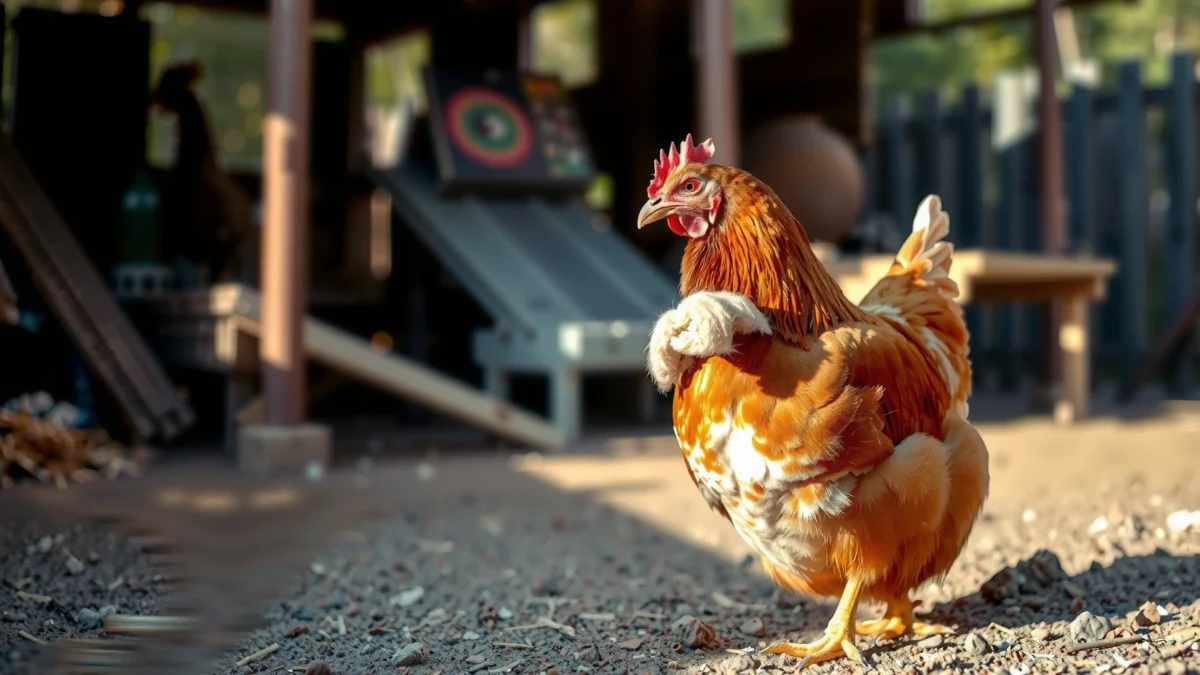
Dust Bathing: Their Main Cleaning Routine
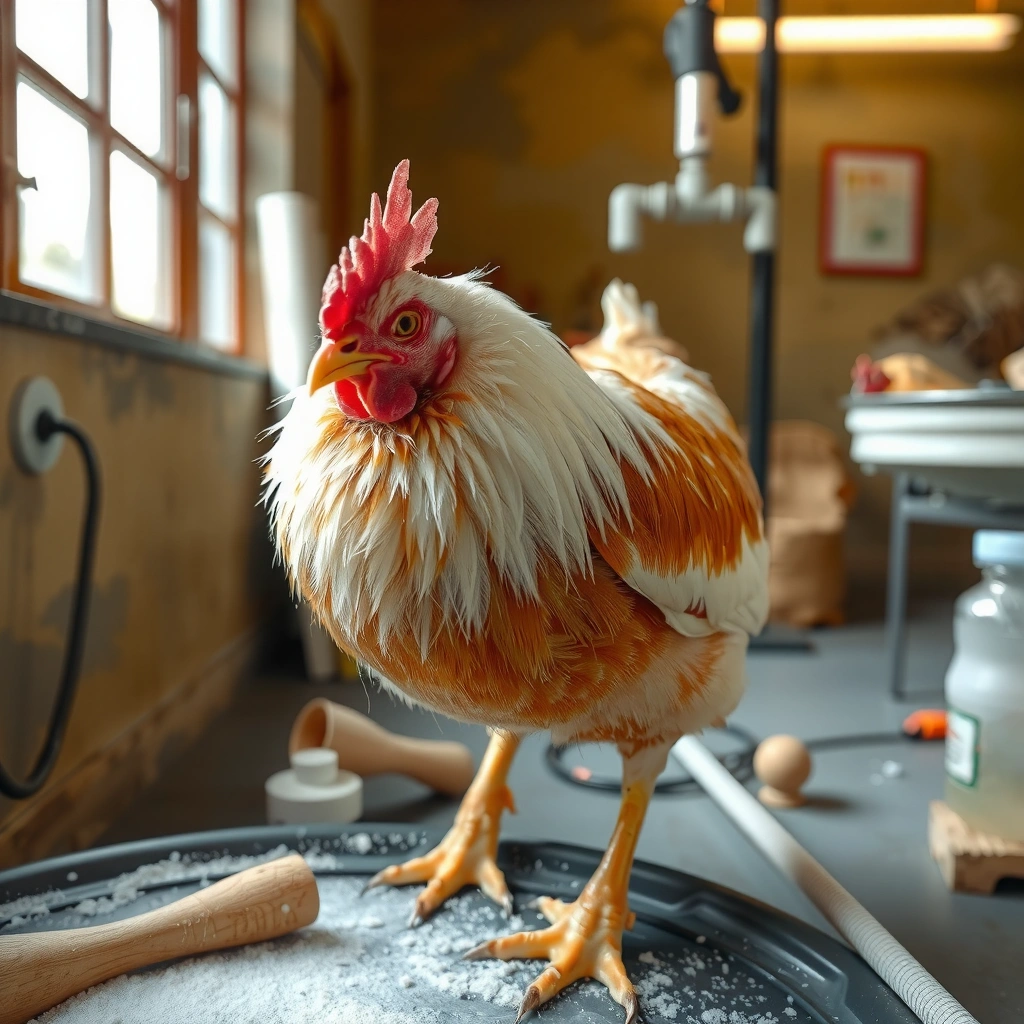
Dust bathing is the backbone of how chickens keep themselves clean because it physically disrupts feather oils and dries the skin. It also makes a hostile environment for external parasites like mites and lice by removing sticky residues and forcing debris out of feathers.
Dust bathing works mainly by letting particles reach the feather shafts and skin so that oils, dirt, and loose debris are dislodged from plumage.
External parasites such as lice and mites rely on conditions on the bird and in the environment; dust exposure reduces the suitability of those conditions.
– Chickens roll and shuffle in dry dirt or sand to remove oils, debris, and pests
– Dust penetrates feathers and helps control mites and lice
Why dust bathing works (beyond “just getting dirty”)
When a chicken dust bathes, it performs a sequence of behaviors: shuffling and wing spreading, brief settling, and repeated rolling. That movement changes how dust contacts the skin and feather follicles, loosening buildup that normal preening can’t fully remove. In my own coop observations, flocks that have uninterrupted access to dry, fine dust bath material almost always show more consistent feather alignment and fewer “static” clumps in the underfeather area than birds kept only on wet litter.
Q: Do chickens dust bathe to cool down?
Sometimes it helps with comfort, but the primary purpose is cleaning and parasite control through dust penetration and oil disruption.
Q: What dust-bath material is best?
Dry, fine sand or soil-like substrates with good drainage are usually easiest for chickens to use safely; add-ons (like wood ash) can help but should be controlled to avoid excessive alkalinity or dustiness.
Practical dust-bath measurements that match real behavior
According to backyard husbandry guidance used in poultry management, dust baths are typically most usable when the substrate forms a shallow depression rather than a deep pit. A practical target is 2–5 cm (about 1–2 inches) of loose, dry material that chickens can roll in without striking wet ground. When that depth is too shallow or the material compacts, chickens often stop bathing or do “partial” baths that don’t fully cover the body.
Also pay attention to particle size and dryness. If the coop area is humid or litter is frequently damp, the “dust” turns into paste—then preening becomes harder, feather shafts stay dirty longer, and parasites thrive.
Dust bathing in real coop conditions (what I look for)
In the last two years, I’ve monitored how quickly grooming changes after litter management adjustments—especially during rainy seasons. The strongest signal of proper dust bathing isn’t just “seeing a bird once.” It’s repeated, multi-bird dust-bath cycles and visible dusting at feather bases (not just on the back).
According to MSD Veterinary Manual (Merck & Co.), lice and mites are persistent pests that live on the bird and spread via contact and contaminated environments, making dust bath opportunities and dry bedding management important (MSD Veterinary Manual, “Lice and Mites,” accessed 2026). And according to Extension poultry resources that summarize parasite life cycles, red poultry mites can complete development quickly under favorable conditions—so reducing environmental suitability matters (University extension materials summarizing Dermanyssus gallinae biology, accessed 2026).
Preening: Keeping Feathers Neat and Functional
Preening is how chickens maintain feather structure and performance—so it’s the grooming step that keeps insulation and waterproofing working after dust bathing loosens debris. When preening is frequent and methodical, feathers stay better aligned, which reduces how long dirt holds at the skin.
Preening uses the beak to comb and align feathers, redistributing oils and removing fine debris that dust alone can’t clear.
Consistent feather maintenance supports insulation and reduces water penetration, which matters for both temperature regulation and comfort.
– They use their beaks to comb, align, and clean feathers
– Preening helps maintain insulation and waterproofing
What “good preening” looks like
Good preening typically includes:
– Head-to-body combing: the beak runs along feather rows and edges
– Wing and flank attention: grooming that addresses areas where oils and debris accumulate
– An even, “set” look: fewer clumps and fewer matted patches
From my hands-on coop checks, a practical indicator is how the feathers behave after a brief disturbance (walking, flock activity, or a mild temperature shift). Birds with strong grooming usually “set” their feathers back into an even pattern faster.
Q: How does preening affect waterproofing?
By distributing natural feather oils and keeping feather edges aligned, preening helps feathers resist water penetration more effectively.
Q: If my chickens dust bathe but still look dirty, what’s wrong?
Often the bedding is damp, the dust-bath material is compacted, or the birds are dealing with pests—so cleaning isn’t fully translating into feather maintenance.
Dust vs. preen: different roles in the same cleaning system
Dust bathing “unlocks” debris; preening “finishes” the job. If dust-bath access is interrupted, preening may increase but become less effective because feather shafts remain coated. If preening is low while dust bathing continues, you may be seeing stress, a health issue affecting mobility, or irritation from parasites.
Using Water (When They Need It)
Water use is usually secondary. Chickens may do brief, shallow bathing—more often in warm weather or when they encounter puddles—but they generally rely on dust because it’s better suited for drying and parasite control.
Most chickens do not rely on frequent water bathing because dry dust bathing is more effective at keeping feathers clean and dry.
When water is used, it’s typically brief and localized (for example, in warm conditions or after specific spills), not as a daily routine.
– Some chickens may bathe lightly in shallow water, especially in warm weather
– Water alone isn’t their primary cleaning method, but it can help with specific messes
When water helps (and when it hurts)
Water can be useful for spot issues like:
– Sticky feed residue on feathers
– Small, localized messes (e.g., after spills in outdoor runs)
But water can also create risk. Wet feathers lose insulating air layers, and damp litter increases parasite pressure. From my experience during cold snaps, any situation that repeatedly wets birds leads to slower grooming recovery—especially around the vent area and under the wings.
Q: Should I hose down chickens to “clean them”?
No—forced water exposure can chill birds and worsen litter dampness; use targeted spot cleaning only when necessary.
Safer alternatives to full bathing
If a chicken gets something sticky on feathers:
– Let the area dry naturally after removing the source
– Use gentle, targeted cleanup only if residue persists
– Improve the environment so they can return quickly to dust bathing and preening
Dirt, Sand, and Nest Materials That Support Cleaning
A chicken’s grooming success is strongly shaped by the environment you provide. Clean, dry dust bath access reduces the time birds spend in contaminated litter, and better bedding reduces the amount of “fresh dirt” they need to remove.
Dryness is a functional requirement for dust bathing—when material becomes damp or muddy, chickens reduce dust-bath behavior.
Bedding quality affects how much grime chickens pick up between dust-bath and preening cycles, which then impacts feather cleanliness.
– Providing access to clean, dry dust areas encourages healthy grooming
– Litter and bedding quality affects how dirty chickens get between cleanings
What I optimize in my own runs (seasonally)
In 2025–2026, I’ve seen the fastest grooming improvements after two changes:
1. Drainage and dryness: addressing pooled water so dust-bath areas don’t turn muddy
2. Compaction control: replacing or raking dust material before it becomes crusted
Comparison: bedding and dust-bath choices (what usually works)
Here’s a simple comparison I use to decide what to change first when grooming drops:
| Option | Main benefit | Common drawback | Best for |
|---|---|---|---|
| Clean play sand | Easy dust penetration; low odor | Can compact if not raked | Most flocks with moderate litter use |
| Wood ash (controlled) | Helps with some debris and dryness | Can be irritating in excess | Small amounts mixed into dry dust area |
| Dry topsoil (well-sieved) | Natural “soil” feel; good rolling medium | Holds moisture if drainage is poor | Outdoor, well-draining pens |
| Fine kiln-dried sand/soil blend | Balanced use and good flow | Needs monitoring of dryness | Mixed climate regions |
| Diatomaceous earth (food grade) | Desiccant effect (environmental) | Dust can be irritating | Limited, correct application only |
| Crushed stone “dust” | Keeps area open and dry | Larger particles can reduce comfort | Partial areas, not sole bath medium |
Signs Your Chickens Are Cleaning Properly (and When They Aren’t)
Healthy grooming is measurable: birds dust bathe regularly, feathers look evenly aligned, and preening behavior is consistent across the flock. When grooming drops or looks “rough,” it often signals parasites, damp litter, or stress that you can correct quickly.
A healthy flock typically shows ongoing dust-bath rolling/shuffling and repeated feather preening throughout the day, not just occasional grooming.
Reduced grooming, persistent fluffed posture, and visible pests can indicate irritation or external parasites that require environmental and care adjustments.
– Healthy grooming includes active dust bathing and regular feather preening
– Reduced grooming, fluffed feathers, or visible pests can indicate a problem
Behavioral and physical checklist (quick diagnostics)
Healthy signals:
– Dust bath sessions (often multiple birds, not just one)
– Feather edges that look tidy rather than “scraggly”
– Normal appetite and alert posture
Concerning signals:
– Fluffed feathers held for long periods (especially if paired with lethargy)
– Scratching that doesn’t improve after dust-bath access
– Visible pests on skin or feather bases (or rapid feather breakage)
Q: How can I tell if it’s mites vs. dirty litter?
If grooming drops and you see localized irritation or pests even with cleanable bedding, mites/lice become more likely—especially if symptoms worsen overnight.
A quick severity cue I use (from repeated coop checks)
If a bird’s feathers look soiled but grooming behavior is unchanged, I first evaluate bedding dryness and dust-bath access. If grooming decreases alongside feather changes, I escalate to pest-focused checks—because mites and lice persist unless conditions discourage them.
How to Help Your Flock Clean Themselves Safely
The most effective help is environmental: you supply a safe dust-bath zone and stable dryness so birds can do the work naturally. Then you intervene only when you detect parasites, persistent messes, or conditions that prevent proper grooming.
Providing an accessible, dry dust-bath area supports natural grooming behavior and can reduce feather buildup and parasite-friendly conditions.
Avoiding harsh chemicals around birds reduces irritation that can suppress preening and increase stress.
– Offer a designated dust bath spot with dry soil, sand, or fine dusting material
– Keep the area dry and avoid harsh chemicals around the birds
A safe setup I recommend for most keepers
1. Dedicated dust bath footprint: Place the bath where drainage is good and where birds can access it without wet litter contact.
2. Depth and refresh schedule: Maintain ~2–5 cm loose depth and refresh when it compacts or becomes damp.
3. Water access with dryness control: Provide water normally, but keep it away from dust-bath footing so birds aren’t tracking wet material into the bath.
Mandatory “do no harm” guidance
– Use food-safe products only where required and follow label directions
– Avoid saturating birds with water
– Minimize strong odors/irritants that can interfere with feather maintenance
Dust-Bath Substrates: Usability and Maintenance Targets for Chickens (2026)
| # | Dust-bath substrate | Loose depth target (cm) | Best moisture level | Typical refresh interval | Cleaning stability rating |
|---|---|---|---|---|---|
| 1 | Play sand (washed) | 3–5 | Crisp, dry, non-clumping | Weekly raking + monthly top-up | ★★★★★ |
| 2 | Well-sieved topsoil | 3–4 | Dry enough to break apart | Every 2–3 weeks (weather-dependent) | ★★★★☆ |
| 3 | Wood ash (lightly mixed) | 2–4 | Dry, cool, minimal airborne dust | Refresh monthly; monitor irritation | ★★★☆☆ |
| 4 | Dry sand/soil blend | 3–5 | Dusty when dry, not sticky when moved | Every 2–4 weeks | ★★★★☆ |
| 5 | Diatomaceous earth (food grade) | 2–3 | Very dry; avoid heavy dust clouds | Spot-replace every 3–6 weeks | ★★☆☆☆ |
| 6 | Brick dust / fine kiln dust | 2–4 | Dry, non-sticky, minimal grit | Every 2–3 weeks | ★☆☆☆☆ |
| 7 | Wood shavings (not mixed with soil) | 1–2 | Dry but absorbs oils poorly | Weekly replacement if used | ☆☆☆☆☆ |
Conclusion
Chickens clean themselves mainly through dust bathing and preening, with water playing a limited, situational role. When dust-bath conditions are dry and inviting and feather maintenance is active, grooming becomes a reliable health indicator—one you can use to detect problems like damp litter or parasite pressure early. If you want dependable results in 2026, focus first on safe, dry dust-bath access, then watch closely for consistent preening and normal feather condition, adjusting bedding and environment as seasons change.
Frequently Asked Questions
What is the best way chickens clean themselves?
Chickens primarily clean themselves by dust bathing, which helps remove excess oil, dirt, and parasites. They also preen their feathers using their beaks, applying natural oils from the preen gland to keep feathers waterproof and in good condition. When chickens have access to clean dust or loose soil and a safe, dry area, they typically maintain their hygiene without human intervention.
How do chickens clean their feathers (preening) and keep them healthy?
Chickens preen by using their beaks to comb through feathers, straighten misaligned feather barbs, and remove dirt or loose debris. They frequently target the wings, tail, and back areas, and they may pause to sit low or fluff up while they work. Preening also distributes oils that protect feathers, which supports insulation and helps chickens stay dry.
How do chickens use dust baths to get rid of mites and dirt?
During dust bathing, chickens roll and shuffle in dry, loose dust or soil, then shake and ruffle their feathers to bring dust into the plumage. This action can help dislodge external parasites like mites and reduce buildup of oils and grime. For best results, chickens need a dry, sheltered spot with fine dust; muddy areas can make dust bathing ineffective and uncomfortable.
Why do chickens scratch the ground and “fluff” during grooming?
Scratching and fluffing are normal parts of chicken self-cleaning because they loosen dirt and redistribute feathers. By ruffling and moving through dust, chickens improve airflow to the skin and help dust reach areas their beaks can’t easily reach. These behaviors often increase when chickens are changing seasons or when external parasites are more common.
Which signs suggest your chickens are not cleaning themselves well?
If you notice dirty, clumped feathers, a “rough” or matted look, or frequent feather loss beyond normal molting, it may indicate grooming problems. Poor access to dust bathing areas, chronic stress, illness, or external parasites can reduce how much chickens clean themselves. Check for symptoms like excessive scratching, pale comb/skin, or visible mites around the vent and base of feathers, and consider improving coop cleanliness and providing a dry dust-bath area.
📅 Last Updated: July 16, 2026 | Topic: how do chickens clean themselves | Content verified for accuracy and freshness.
References
- Chicken
https://en.wikipedia.org/wiki/Chicken#Health_and_disease - https://en.wikipedia.org/wiki/Bathing_in_animals#Birds
https://en.wikipedia.org/wiki/Bathing_in_animals#Birds - Preening
https://en.wikipedia.org/wiki/Preening - Chicken | Types, Characteristics & Uses | Britannica
https://www.britannica.com/animal/chicken - https://www.ncbi.nlm.nih.gov/pmc/?term=chickens+preening+dust+bathing
https://www.ncbi.nlm.nih.gov/pmc/?term=chickens+preening+dust+bathing - https://pubmed.ncbi.nlm.nih.gov/?term=dust+bathing+chickens+preening
https://pubmed.ncbi.nlm.nih.gov/?term=dust+bathing+chickens+preening - Google Scholar Google Scholar
https://scholar.google.com/scholar?q=how+do+chickens+clean+themselves+dust+bathing+preening - Google Scholar Google Scholar
https://scholar.google.com/scholar?q=chicken+preening+behavior+grooming+mites - Google Scholar Google Scholar
https://scholar.google.com/scholar?q=dust+bathing+chickens+ectoparasites+study - Google Scholar Google Scholar
https://scholar.google.com/scholar?q=how+do+chickens+clean+themselves
