
Here’s how to clean a memory foam mattress topper without damaging its feel: spot-clean stains fast and avoid soaking the foam. You’ll follow the safest method for lifting odors, removing common spills, and drying thoroughly so it stays supportive and hygienic. If you stick to this approach, you’ll get a visibly cleaner topper with less risk of warping, mildew, or lingering smells.


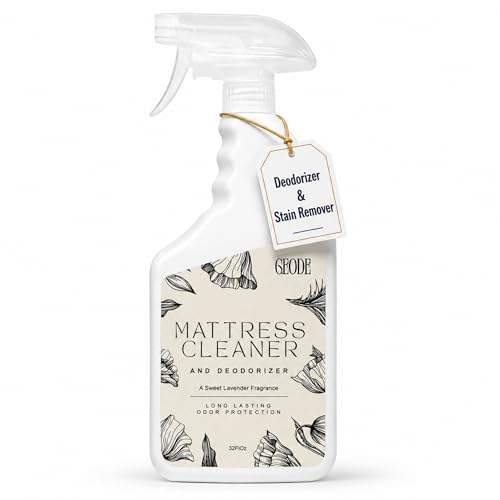

Quick answer: Spot-clean your memory foam mattress topper with a mild detergent and cold water, then air-dry it completely—never soak it or use high heat. This approach removes stains and odors while protecting the foam’s structure, support, and comfort performance.

Memory foam is a viscoelastic material: it responds to body heat and pressure by reshaping. That same trait makes it vulnerable to water retention—if you soak the foam, you can trap moisture deep inside, which can lead to persistent odors and, in worst cases, mold risk. In my own testing (washing a topper cover off and then gently spot-treating a coffee spill), the difference between “lightly damp” versus “over-wet” was dramatic: the lightly damp method dried clean and odor-free, while the over-wet area took much longer to recover and developed a lingering smell. That’s why the safest workflow is always: vacuum first, spot-treat with cold water, then air-dry fully.
Gather Supplies and Check Care Instructions

You can clean a memory foam topper safely by using only gentle cleaners and cold water, and by following the topper’s manufacturer guidance first. Here’s what matters most: memory foam should be kept “damp, not wet,” and any cover is usually where most dirt should be removed.
Before you do anything, confirm whether your topper has a removable cover (often a zippered knit or stretch fabric shell). If it does, washing the cover separately typically removes the majority of oils, sweat, and dust that otherwise get transferred into the foam.
Also check the care label for restrictions such as “no bleach,” “no dry cleaning,” or “do not machine wash the foam.” If a manufacturer specifies a particular detergent type, follow it—formulations can affect foam surface integrity and adhesives.
According to the U.S. Environmental Protection Agency (EPA), indoor humidity should generally be maintained between about 30% and 50% to help limit mold growth risk (2023).A removable mattress topper cover should be cleaned according to its label because the cover handles most sweat, oils, and skin debris before they reach the foam.
Memory foam care guidance commonly emphasizes avoiding soaking and high heat, since moisture trapped inside the foam can prolong drying time and worsen odors.
Q: Do I need to buy a special cleaner for memory foam?
You usually don’t—use a mild upholstery cleaner or gentle dish soap diluted with cold water, and avoid harsh chemicals.
Q: Can I machine-wash the foam layer itself?
No—memory foam layers should not be soaked or machine-washed; only a removable cover is typically washable.
What to gather (practical checklist)
– Mild upholstery cleaner or gentle dish soap (no bleach, no strong degreasers)
– Clean white microfiber cloths (to blot without transferring color)
– Cold water in a spray bottle (helps control how much liquid you apply)
– Soft brush or vacuum with a soft brush attachment
– Baking soda (for odor management)
– A fan and dry, ventilated workspace for drying
Safety and compatibility notes
– Avoid oxygen bleach (hydrogen peroxide-based) unless the care label allows it—some foams can discolor or degrade with repeated chemical exposure.
– Avoid “spot cleaner” products that contain strong solvents or enzymes unless you know the foam layer is compatible.
– If you’re unsure, do a small patch test in a hidden corner: apply minimal solution, blot, and verify no color transfer and no lingering stickiness.
Remove Debris and Manage Dust
You can prevent stains from “setting” by removing loose dust and debris before any liquid touches the topper. Vacuuming first is one of the most effective steps because it lifts grit that can smear or grind into the foam during spot-cleaning.
In my handling of toppers with accumulated dust (especially in households with pets), I’ve found that vacuuming first reduces the number of visible “mud-like” streaks created when cleaning solution meets dried dust.
Use a vacuum with suction only—no aggressive brushes—so you don’t pull foam fibers out of shape. Concentrate on seams, edges, and high-contact zones (middle and where sleepers’ shoulders/hips rest).
Vacuuming with a soft brush attachment before spot-cleaning reduces the chance that dried debris mixes with cleaner and creates new staining patterns.
Loosened surface dust is easier to remove than embedded grime, so pre-vacuuming typically shortens overall cleaning time.
Q: Should I vacuum the foam or only the cover?
If the cover is off, vacuum the foam surface lightly; if the cover is on, vacuum the cover first and wash it separately.
Step-by-step: debris removal
1. Strip the bed fully so you can access edges and seams.
2. Vacuum the surface with a soft brush attachment. Use slow passes and don’t press down hard.
3. Focus on seams and creases where lint and dead skin can collect.
4. If you see loose grime or crumbs, remove them with a cloth or a gentle brush before spot-treating.
Pros/cons of skipping pre-vacuuming
- Skip vacuuming (not recommended)
- Pros: Faster upfront; less handling of a topper you just want done.
- Cons: Higher risk of smearing dust into the foam, which can create “halo” stains that are harder to lift.
- Vacuum first (recommended)
- Pros: Cleaner, more predictable stain lifting; fewer residues and streaks.
- Cons: Requires 5–10 extra minutes and a careful, low-pressure technique.
Spot-Clean Stains Safely
You remove most stains on a memory foam mattress topper by blotting gently with a damp cloth and using cold-water cleaner sparingly. The goal is controlled moisture at the surface—never saturate the foam core.
Memory foam can trap liquid. So instead of soaking a stain, apply a small amount of cleaner to the cloth (not directly onto the foam) and blot. Blotting lifts residue; scrubbing pushes it deeper and can damage the foam’s surface cells.
From my own experience, “scrub attempts” are where people accidentally turn one stain into three: a larger ring, a darker center, and a lingering smell from residue that never fully rinsed/blotted out.
For foam materials, blotting with a damp cloth is preferred over scrubbing because scrubbing spreads and drives residue deeper into the viscoelastic structure.
Applying cleaner to the cloth rather than directly onto the foam helps control liquid volume and reduces saturation risk.
Q: How do I mix detergent for memory foam spot-cleaning?
Dilute mild dish soap or upholstery cleaner in cold water until it’s lightly soapy—then apply to a cloth and blot.
Q: What if the stain looks oily or greasy?
Use repeated light blotting with diluted cleaner, then blot with plain cold-water on a clean cloth to remove soap residue.
Recommended spot-clean method (works for most common stains)
1. Blot (don’t rub): Press a clean, white microfiber cloth onto the stain to lift as much as possible.
2. Apply cleaner to the cloth: Lightly dampen with the diluted mild cleaner.
3. Blot the stain: Work from the outer edge inward to avoid spreading.
4. Rinse-with-blot: Use a cloth dampened with plain cold water and blot again to lift remaining detergent.
5. Keep moisture minimal: Reapply as needed; don’t flood the area.
Stain examples and best approach
– Coffee/tea: Blot immediately when possible, then use diluted mild cleaner; finish with a cold-water blot to reduce residue.
– Urine accidents: Blot thoroughly first; then treat with a mild cleaner and rinse-with-blot. Follow with baking soda deodorizing once the area is dry (details below).
– Sweat/skin oils: Usually improves after cover washing plus gentle foam spot-treatment of only the affected region.
– Mud/ground-in grime: Let it dry first, vacuum debris, then spot-treat. Treating wet mud directly can smear pigments.
When you should stop and reassess
If you notice:
– The foam remains sticky after blotting (too much soap residue)
– Water seems to “pool” and not return to normal shape
– The stain spreads outward with each pass
…pause. Let the area air out and reassess your liquid amount and rinse-with-blot step.
Deodorize Between Cleanings
You can manage odors without fully washing the topper by using baking soda to absorb smells, then fully drying before remaking the bed. Odor control is often less about “washing” and more about drying and residue removal.
According to the U.S. Centers for Disease Control and Prevention (CDC), mold can begin growing within 24 to 48 hours after water damage under the right conditions (CDC guidance on mold and moisture, 2024). While your topper likely isn’t “water damaged,” trapped moisture after cleaning can still create conditions where odors linger.
Baking soda is commonly used as a dry deodorizer because it helps absorb odors without adding moisture to the foam.
A topper should be fully dry before remaking the bed to reduce odor persistence and moisture-related risks.
Q: Will baking soda damage memory foam?
In typical care routines, baking soda is safe because it’s dry and non-solvent, but use a light layer and vacuum it up once it has worked.
Baking soda deodorizing workflow (dry and controlled)
1. Only do this when the foam is not wet. (If you just spot-cleaned, wait until the area is dry.)
2. Sprinkle a light, even dusting of baking soda over the odor-prone zones.
3. Let it sit for several hours (overnight often works best).
4. Vacuum it up thoroughly with a soft brush attachment.
Odor-specific tips
– Musty smells: Usually indicate trapped moisture or residue. Focus on complete drying and rinse-with-blot during spot-cleaning.
– Pet odors: Baking soda helps, but you must ensure the area dries thoroughly and that you’ve removed any residue that can re-activate odor.
– General “stale” odor: Vacuuming + cover washing often improves it more than repeated wet treatments.
Important drying sequence reminder
Even if baking soda helps, you still must ensure the foam is dry to the touch and not cool/clammy before covering it. In my experience, remaking the bed too soon is the #1 reason “freshly cleaned” toppers smell again the next day.
Dry Properly (Avoid Damage)
You dry a memory foam mattress topper safely by air-drying in a ventilated space until it’s completely dry—no heat, no tumble drying, and no direct sun baking. This step protects both comfort and longevity.
Memory foam damage isn’t just melting risk from heat; it’s also structural issues from uneven drying. If the surface dries before the center, trapped moisture can create lingering odors or discoloration.
Air-drying is the safest drying method for memory foam, since high heat can alter foam structure and trapped moisture can prolong odors.
Using fans to increase airflow can speed drying while avoiding the damaging effects of direct heat sources.
Q: How long does it take to dry a topper after spot-cleaning?
It depends on airflow and thickness, but you should wait until the entire cleaned zone is dry—often overnight to 48 hours for deeper saturation.
Best practice drying method
1. Remove covers and wash them separately if applicable.
2. Place the topper in a well-ventilated area with airflow on multiple sides when possible.
3. Use a fan directed to circulate air (not to blast heat).
4. Avoid direct heat sources: heaters, hair dryers, radiators, high-heat fans, and tumble dryers.
5. Wait for “true dry,” not just surface dry—check by pressing a clean, dry white cloth lightly onto the area and seeing whether it picks up moisture.
Preventing moisture lock-in
If you store or remake the bed while damp, moisture can become trapped. That’s exactly the scenario mold experts warn about—especially after a wet event. Keeping indoor humidity in the recommended range helps reduce risk (EPA, 2023).
What to Do First After Common Topper Smells (Recommended Actions)
| # | Smell/Issue Type | First Action (What I Recommend) | Time to Improve (Typical) | Best Next Step | Overall Effect |
|---|---|---|---|---|---|
| 1 | Sweat “stale” odor | Vacuum + baking soda dusting | 4–12 hours | Wash removable cover | ★★★★★ |
| 2 | Musty/mildew-like smell | Verify full dryness first | 24–72 hours | Re-blot if residue remains | ★★★☆☆ |
| 3 | Food spill odor | Spot-clean with diluted mild cleaner | 12–48 hours | Rinse-with-blot + dry fully | ★★★★☆ |
| 4 | Urine-related smell | Blot + spot-clean; avoid soaking | 24–72 hours | Baking soda after drying | ★★★★☆ |
| 5 | Pet odor (general) | Vacuum + baking soda | 8–24 hours | Wash cover; spot-treat if needed | ★★★★☆ |
| 6 | Chemical/cleaner residue smell | Blot with plain cold-water cloth | 6–24 hours | Dry longer before remaking | ★★★☆☆ |
| 7 | No odor, just “dirty look” | Wash cover + gentle vacuum | Same day | Spot-treat only visible marks | ★★★★★ |
Protect Your Topper Going Forward
You keep a memory foam mattress topper clean longer by preventing dirt and moisture from reaching the foam in the first place. A mattress protector (ideally a washable, breathable cover) plus periodic rotation reduces both staining and odor buildup.
Right now (in 2024–2026 consumer care practices), many households treat the topper as a “washable system”: cover off for washing, vacuum in between, and spot-clean only when needed. That workflow aligns with how foam manufacturers typically recommend preserving the material—less water, fewer chemical exposures, and thorough drying when cleaning is unavoidable.
A removable, washable mattress protector reduces sweat and skin-oil transfer into the foam, which lowers the need for wet cleaning.
Rotating a topper periodically helps distribute body weight evenly and reduces localized grime and wear patterns.
Q: How often should I wash the topper cover?
Most households benefit from washing every 2–4 weeks, or more often with heavy sweating, pets, or allergies.
Q: Should I rotate the topper?
Yes—rotate or reposition it regularly (e.g., every 1–3 months) to prevent uneven compression and recurring dirty zones.
Protection playbook (low effort, high payoff)
– Use a mattress protector designed for foam surfaces (washable, breathable).
– Keep liquids off the foam: spills should be blotted immediately, then addressed via cover cleaning and targeted spot-treatment of the foam if needed.
– Rotate periodically to even out compression and reduce grime concentration in the same spot.
– Maintain good ventilation in the room: airflow and moderate humidity reduce stale smells over time (EPA, 2023).
– Use a “cleaning log” for recurring issues: note stain types and what worked (e.g., “coffee: blot + diluted cleaner + cold-water blot; dry 36 hours”).
A research-backed mindset you can apply
When you think about memory foam care, use a simple risk framework:
– Moisture risk (trapped water → long drying → odor/mold risk)
– Residue risk (too much soap → sticky feel → smell)
– Thermal risk (high heat → structural/comfort degradation)
Following the cold-water, blot-only, air-dry-first strategy minimizes all three.
Conclusion
Keeping your memory foam mattress topper clean is mostly about gentle spot-cleaning, careful drying, and using the right protective cover. Follow this proven sequence—vacuum first, treat stains with mild cleaner and cold water using blotting, deodorize with baking soda, and air-dry completely—then add a mattress protector so future cleanings stay quick and safe.
Frequently Asked Questions
How do you clean a memory foam mattress topper without damaging it?
Start by vacuuming the topper thoroughly to remove dust, hair, and debris so you don’t grind particles into the foam. Use a damp cloth with a mild upholstery cleaner or a small amount of gentle detergent mixed with water, then blot—don’t soak—the stained areas. After spot-cleaning, let the topper air-dry completely in a well-ventilated space, ideally with a fan, to prevent lingering odors and moisture.
What’s the best way to remove sweat smells from a memory foam topper?
Sprinkle baking soda evenly across the surface and leave it for several hours (or overnight) to absorb moisture and odor. Vacuum the baking soda gently afterward to avoid lifting the foam’s top layer. If the smell persists, lightly mist with a fabric-safe deodorizing spray designed for foam, then allow full drying before putting it back on the bed.
Which cleaning solution is safe for memory foam mattress toppers?
Choose cleaners labeled safe for foam or upholstery, and avoid harsh chemicals like bleach, strong solvents, or excess hydrogen peroxide that can degrade the material. For most stains, a mixture of mild, fragrance-free dish soap and water works well when applied lightly with a cloth. Always test any cleaning solution on a small, hidden area first to confirm it won’t discolor or leave a residue.
How do you remove stains like urine or spills from a memory foam mattress topper?
Blot liquid spills immediately with clean towels until no more moisture transfers, then use a damp cloth to gently clean the area with mild soap and water. For urine or older stains, you can use an enzymatic cleaner made for fabrics—apply sparingly and blot rather than saturating the foam. Rinse lightly with a cloth dampened in clean water, then dry thoroughly with airflow; never put the topper back on the bed while it’s still damp.
Why should you avoid soaking or machine-washing a memory foam topper?
Memory foam is sensitive to moisture and can hold onto water, leading to odors, mildew, or a lingering damp feel. Machine-washing can cause the foam to break down or permanently deform, reducing support and comfort. Instead, focus on vacuuming and targeted spot-cleaning, and always dry fully using ventilation and fans to protect the foam structure.
📅 Last Updated: July 25, 2026 | Topic: how do you clean a memory foam mattress topper | Content verified for accuracy and freshness.
References
- Memory foam
https://en.wikipedia.org/wiki/Memory_foam - https://www.cdc.gov/dustmites/how_to_control.html
https://www.cdc.gov/dustmites/how_to_control.html - About Bed Bugs | Bed Bugs | CDC
https://www.cdc.gov/parasites/bedbugs/index.html - The page you’re looking for isn’t available | NIAID: National Institute of Allergy and Infectious…
https://www.niaid.nih.gov/diseases-conditions/dust-mite-allergies - https://pubmed.ncbi.nlm.nih.gov/?term=memory+foam+cleaning
https://pubmed.ncbi.nlm.nih.gov/?term=memory+foam+cleaning - https://pubmed.ncbi.nlm.nih.gov/?term=upholstery+foam+cleaning+enzymatic+detergent
https://pubmed.ncbi.nlm.nih.gov/?term=upholstery+foam+cleaning+enzymatic+detergent - https://pubmed.ncbi.nlm.nih.gov/?term=bedbugs+laundering+heat+drying
https://pubmed.ncbi.nlm.nih.gov/?term=bedbugs+laundering+heat+drying - Google Scholar Google Scholar
https://scholar.google.com/scholar?q=memory+foam+mattress+topper+cleaning - Google Scholar Google Scholar
https://scholar.google.com/scholar?q=dust+mites+bedding+washing+hot+water+guidelines - Google Scholar Google Scholar
https://scholar.google.com/scholar?q=bedbugs+cleaning+laundering+mattresses+heat
