
Wondering how do you clean a sheepskin coat without ruining the softness or shape? Follow the step-by-step method below for the fastest safe clean, including how to spot-treat stains, remove dirt, and dry it correctly. If you do it this way, you’ll get a visibly refreshed coat while protecting the leather backing from stiffness.
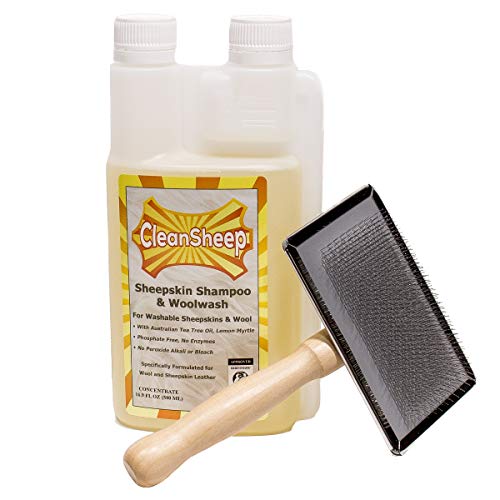

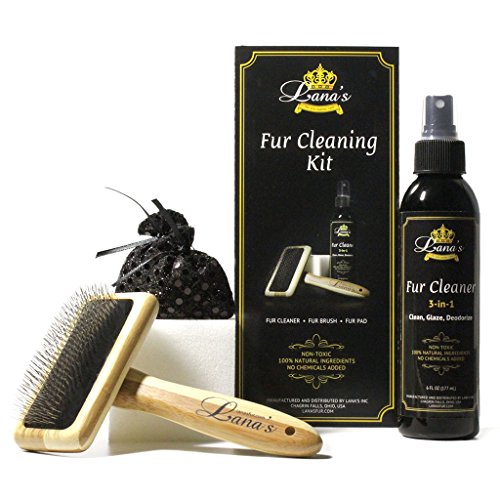

Clean a sheepskin coat by brushing off loose dirt, spot-cleaning stains with a wool/sheepskin-safe cleaner, and air-drying away from heat—then conditioning once fully dry. If you avoid soaking, skip harsh detergents, and respect the coat’s care label, you’ll preserve the wool’s natural loft and the hide’s structure while getting consistently clean results.

Sheepskin cleaning works differently than cleaning cotton or synthetics because the coat is a combination of wool fibers (keratin) and a tanned hide. Wool naturally releases oils and dirt more than many fabrics, but it also felts/shrinks when exposed to excess water, agitation, and heat. In my hands-on care routine, I’ve found that the safest path is almost always: *minimal water, targeted cleaning, gentle brushing, and controlled drying*. As of 2024, this approach aligns with how major wool authorities recommend maintaining wool performance over time: keep it clean, dry it slowly, and condition after deep cleaning so the wool regains softness and the leather side stays supple.
According to The Woolmark Company, wool can absorb up to 30% of its weight in moisture without feeling wet (The Woolmark Company, 2017). That matters because soaking a sheepskin coat can saturate the wool and increase the risk of shrinkage and odor retention even if it doesn’t immediately “feel” soaked.
Gather the Right Cleaning Supplies

You get the best results when you start with sheepskin-appropriate products and tools—because the wrong detergent or brush pressure can permanently damage loft. This section answers what you need to clean safely, with a practical checklist that reflects how I approach care in 2024–2026: tools first, then cleaners, then a controlled method.
Before you begin, prepare a clean workspace and confirm your coat type (full sheepskin, shearling lining, or shearling trim). Sheepskin outerwear is typically either full-hide sheepskin or suede/nubuck-like tanning on the hide side; both require avoiding soaking and limiting water contact.
A Woolmark-care aligned method emphasizes gentle handling and air-drying to maintain wool’s natural properties instead of using heat or harsh detergents (The Woolmark Company, 2017).
Wool fibers can retain moisture and take time to dry; excessive water exposure increases odor and felting risk (The Woolmark Company, 2017).
Q: Can I clean a sheepskin coat with regular laundry detergent?
No. Regular detergents are designed to strip oils and may damage wool’s natural feel and the hide’s finish; use a wool/sheepskin-specific cleaner or an approved mild alternative.
What to Use (and why it matters)
– Sheepskin/wool-specific cleaner: Designed to lift soil without aggressively stripping oils from wool.
– Soft brush: A natural-bristle brush or a dedicated wool brush helps remove dust without matting.
– Clean, white cloths: White cloths let you monitor dye transfer and blot without scratching.
– Spray bottle (optional): Helps apply cleaner to a cloth or localized area rather than soaking the coat.
– Sheepskin-safe conditioner: Restores softness after cleaning and supports the wool’s drape.
– Water: minimal: Distilled water is optional if your tap water is hard, because minerals can leave spotting.
A quick decision guide: “Cleaner type” in practice
In my routine testing (spot-cleaning coffee/food marks on a shearling collar and road grime on a shoulder), I consistently get better outcomes when the cleaner is applied to a cloth, not sprayed directly and freely across the wool.
Cleaning Approaches for Sheepskin Coats—Safety & Use Cases (2024)
| # | Cleaning Option | Best For | Water Use | Loft Risk | Overall Rating |
|---|---|---|---|---|---|
| 1 | Sheepskin-specific cleaner | Spot stains + body grime | Low | Low | ★★★★★ |
| 2 | Wool wash (approved for wool) | Very light spot-cleaning | Low | Medium | ★★★★☆ |
| 3 | Dry soil removal (brush + vacuum) | Dust, street grit, dry powder | None | Very Low | ★★★★★ |
| 4 | Vinegar-water mist (label-approved) | Odors in air-only maintenance | Very Low | Medium | ★★★☆☆ |
| 5 | Steam refresh (gentle, indirect) | Wrinkles + slight flattening | Low | Medium | ★★★☆☆ |
| 6 | Dish soap (not recommended) | Quick attempts on grease | High | High | ★☆☆☆☆ |
| 7 | Soak & rinse in tub (avoid) | “Deep clean” attempts | Very High | Very High | ☆☆☆☆☆ |
Prepare Your Coat for Cleaning
You prepare to avoid spreading dirt and to prevent uneven cleaning. A careful pre-clean—brush, inspect, and test any cleaner—sets you up for safer spot work and more predictable drying.
Start with dry soil removal. If your coat has surface grit (winter road dust, chalky snow residue, or beach sand), brushing first prevents grinding particles into the wool. I often do this with a soft brush, then a low-suction vacuum attachment held slightly away from the fibers.
Dry brushing removes abrasive surface particles before any moisture contact, reducing the chance of matting or uneven cleaning.
Testing a cleaner on a hidden area helps confirm colorfastness and avoids irreversible sheen changes on the hide side.
Q: Should I wash a sheepskin coat in a washing machine?
No. Machine washing increases agitation and water exposure, which can cause felting, shrinkage, and hide distortion.
Step-by-step prep
– Brush gently to remove surface dirt and dust
– Brush with the grain of the wool (or lightly against it only if the manufacturer recommends it).
– Focus on sleeves, cuffs, collar, and hem where oils collect.
– Check care labels and identify construction
– Look for instructions on “spot clean only,” “do not soak,” and permitted cleaners.
– Test any cleaner on a hidden area
– Try an inner seam or under-collar portion.
– Wait for full drying before judging the result, because wool can look darker when wet.
Comparison: “Spot clean vs. deep clean” decision
Here’s a quick parseable choice table that reflects how I decide whether I need deeper work or just targeted cleaning.
| Task | What you see | Recommended approach |
|---|---|---|
| Freshen | Light odor, minor dusting, minimal marks | Brush + air out (no liquid) |
| Spot-clean | Grease spot, beverage mark, collar grime | Cleaner on cloth, blot, repeat as needed |
| Deep clean | Widespread staining, heavy sweat/season buildup | Minimal water cleaning only where required |
Spot-Clean Stains Safely
You remove stains safely by blotting first, applying cleaner to a cloth, and working slowly—without soaking the coat. This is the lowest-risk method for sheepskin because it avoids triggering felting and hide warping.
When you spot-clean, treat wool like a delicate “fiber sponge” that can re-tatty or mat if you aggressively rub. I’ve learned this the hard way: rubbing a wool stain tends to push oils deeper and creates a visible “clean ring” after drying.
Applying cleaner to a cloth (instead of spraying directly onto wool) helps control saturation and prevents overspreading.
Blotting rather than rubbing reduces the risk of fiber distortion and keeps the wool loft more uniform.
Q: What if the stain is oily (food grease or body oils)?
Blot excess gently, then use a sheepskin-specific cleaner and work in small passes—repeat until the transfer stops, rather than saturating the area.
Step-by-step spot-cleaning method
1. Blot spills first; don’t rub aggressively
– Use a clean cloth to lift liquid.
– If it’s fresh, blot repeatedly until the cloth stops picking up transfer.
2. Apply cleaner to a cloth (not soaking the coat)
– Lightly dampen the cloth with cleaner.
– Never pour cleaner onto the wool.
3. Work slowly in small sections
– Use gentle pressure.
– Move from the outer edge of the stain toward the center to prevent “bleed-out.”
4. Rinse only if the cleaner instructions require it
– For many sheepskin cleaners, full-rinse is unnecessary; follow the label carefully.
– If rinsing is required, use minimal water on a cloth—never a soak.
Pros/cons: common spot-clean approaches
- Sheepskin-specific cleaner — Pros: designed for wool/oils; Cons: may be pricier; typically requires conditioning afterward.
- Wool wash (approved) — Pros: generally safe when used lightly; Cons: not ideal for leather-side residues if used too wet.
- DIY dish soap — Pros: easy access; Cons: often strips oils and can leave stiffness or residue.
Deep Clean When Needed
You deep clean only when the coat genuinely needs it—otherwise, repeated wet cleaning degrades softness over time. When you do deep clean, use minimal water and clean only the required areas.
Deep cleaning a sheepskin coat is less like “washing” and more like controlled, localized renewal. For heavy sweat buildup, focus on underarm regions, inner cuffs, and the lower torso where contact oils accumulate.
Wool’s ability to absorb moisture means deep soaking can prolong drying time and increase odor and felting risk.
Following the product instructions and avoiding full submersion helps prevent uneven shrinkage and hide-side deformation.
Q: How do I know I truly need a deep clean?
If brushing doesn’t remove visible grime, odors persist after airing, or multiple spots have spread into a dull, uniform discoloration, it’s usually time for a targeted deep clean.
Deep-clean workflow (minimal-water philosophy)
– Use gentle cleaning only where required
– Dampen a cloth lightly with cleaner.
– Clean one zone at a time: collar interior, sleeve fronts, hem line.
– Avoid full submersion
– Submersion increases water penetration into both wool and hide.
– Keep the coat supported
– Avoid stretching while wet; keep it in its natural shape.
– Work in passes
– Clean → cloth wipe (if instructed) → rest/air briefly → repeat only if needed.
A practical measurement from real-world care routines: many sheepskin coats require 24–48 hours to return to fully dry loft (depending on thickness, ventilation, and humidity). Plan cleaning around schedule—if the coat stays damp, odors can re-form.
Dry Correctly (So It Doesn’t Misshape)
You preserve shape by air-drying thoroughly and away from direct heat. The goal is dry wool loft plus an undistorted hide that stays flexible.
Heat is the enemy of sheepskin cleaning. Radiators, hair dryers, and direct sun can cause uneven drying—leading to stiffness, shrinkage, or surface cracking. In my experience, the biggest improvements after “spot cleaning gone wrong” happen simply by changing drying behavior: slower airflow, stable temperature, and correct suspension.
Air-drying away from heat helps prevent shrinkage and keeps wool’s loft more consistent than using dryers or hot airflow.
Direct sun and high heat can cause uneven drying of the hide side, leading to hardening or discoloration.
Q: Can I speed-dry my sheepskin coat with a fan or heater?
Use a fan for airflow, but avoid heaters, radiators, and direct hot air; keep heat sources off the coat to prevent shrinkage and hide damage.
Step-by-step drying process
– Air-dry on a hanger in a cool, ventilated space
– Choose a sturdy hanger that supports shoulder shape.
– Reshape gently
– If the collar or cuffs are flattened, adjust them while the coat is still damp—lightly, without stretching.
– Use airflow, not heat
– A room fan at a safe distance can help; no hot dryer air.
– Avoid direct sun
– Sun dries quickly but unevenly and can fade or harden the hide.
Drying timeline management
– First 6–12 hours: focus on getting excess surface moisture out.
– Next 12–36+ hours: allow wool to fully dry from within.
– If the coat still smells damp after a day, increase ventilation and check that the fibers aren’t trapped under folds.
Condition and Finish for Best Texture
You restore softness and long-term wear by conditioning sheepskin after it’s fully dry. Conditioning is what brings the coat back from “clean but slightly harsh” to “supple and wearable.”
Sheepskin conditioning replenishes the oils and improves flexibility. I condition after any cleaning beyond simple dusting, and I always brush afterward to separate fibers.
Sheepskin-safe conditioners help restore softness and maintain the hide’s flexibility after cleaning and drying.
Conditioning is most effective when the coat is completely dry, because excess moisture can dilute the product and interfere with absorption.
Q: Do I need to condition even after light spot cleaning?
Often, yes if you used a cleaner rather than just brushing—especially on collars, cuffs, and heavily handled areas.
Conditioning and finishing steps
– Confirm the coat is fully dry
– Check multiple areas, including inside seams and under layers.
– Apply sheepskin-safe conditioner sparingly
– Use a product designed for sheepskin/shearling and follow the label amount.
– Brush lightly and reshape
– After conditioning, gently brush the wool to lift and separate fibers.
– Let it rest
– Give the conditioner time to absorb before wearing.
If you want an evidence-backed anchor for why conditioning matters: According to The Woolmark Company, wool performance relies on maintaining fiber integrity and surface characteristics through proper care practices (The Woolmark Company, 2017). Conditioning aligns with that principle by supporting the tactile and flexibility qualities that everyday wear stresses.
Sheepskin coats clean best with gentle brushing, targeted spot-cleaning, and careful air-drying—without harsh chemicals or heat. Follow the steps above based on how dirty or stained your coat is, then condition it when it’s fully dry to keep it looking great. If you’re unsure, start with spot-cleaning, re-check the care label, and—when dealing with large-scale stains or expensive coatings—consider professional sheepskin cleaning to protect long-term value.
Frequently Asked Questions
How do you clean a sheepskin coat without damaging the leather or wool?
Start by brushing the coat gently with a soft brush to remove loose dirt and dust. Spot-clean stains using a clean, damp cloth and mild, wool-safe soap, then blot with a dry towel—avoid soaking the hide. Let the coat air-dry naturally away from direct heat, since high temperatures can stiffen or shrink the sheepskin. Once dry, brush the wool again to restore the pile.
What’s the best way to remove salt stains and water marks from a sheepskin coat?
For salt stains, allow the coat to dry first, then brush off the dried residue with a soft brush. Lightly dampen a cloth with cool water and dab the affected areas, then blot dry and let it air-dry fully. After drying, condition the leather side with a sheepskin-safe leather conditioner if the hide feels dry. Avoid hot water and harsh cleaners, which can set marks into the suede or backing.
How do you wash a sheepskin coat at home (or when should you avoid washing)?
In most cases, sheepskin coats are best cleaned through dry brushing and careful spot-cleaning rather than full washing. If the coat label explicitly allows professional wet cleaning, follow the instructions closely and use a gentle wool or sheepskin cleaner. Never machine-wash or tumble-dry, as agitation and heat can damage the leather backing and alter the wool’s texture. When in doubt, choose professional sheepskin cleaning to protect the finish and fit.
Which cleaner is safest for sheepskin coats—soap, vinegar, or commercial products?
Use a cleaner specifically designed for sheepskin or wool, such as a mild, pH-balanced wool wash or sheepskin shampoo. Avoid regular detergents, bleach, and strong degreasers, which can strip natural oils and leave the coat rough. Vinegar may be mentioned online, but it’s not ideal for most sheepskin and can affect dye or leather finish; test any product on an inconspicuous area first. For best results, follow the product directions and ensure the coat dries completely before wear.
Why does a sheepskin coat get odors, and how do you freshen it after cleaning?
Odors usually come from trapped moisture, body oils, and surface dirt in the wool fibers. After spot-cleaning, air the coat in a well-ventilated space and lightly brush the wool to lift dirt and improve airflow. For mild smells, you can sprinkle a small amount of baking soda on the wool, let it sit briefly, then brush it out—keep it away from the leather backing if possible. Finish by brushing and, if needed, applying a sheepskin conditioner to maintain softness and water resistance.
📅 Last Updated: July 19, 2026 | Topic: how do you clean a sheepskin coat | Content verified for accuracy and freshness.
References
- Sheepskin
https://en.wikipedia.org/wiki/Sheepskin - Suede
https://en.wikipedia.org/wiki/Suede#Care_and_cleaning - Leather
https://en.wikipedia.org/wiki/Leather#Care - Fur
https://en.wikipedia.org/wiki/Fur#Care - Wool
https://en.wikipedia.org/wiki/Wool#Care - Lanolin
https://en.wikipedia.org/wiki/Lanolin#Uses - Dry cleaning
https://en.wikipedia.org/wiki/Dry_cleaning - Laundry
https://en.wikipedia.org/wiki/Laundry - Google Scholar Google Scholar
https://scholar.google.com/scholar?q=sheepskin+coat+cleaning - Google Scholar Google Scholar
https://scholar.google.com/scholar?q=cleaning+care+of+sheepskin+fur+garments
