

To clean rust off of stainless steel, the fastest, most reliable method is to use a stainless-safe rust remover or a baking-soda paste, then scrub gently and rinse thoroughly. For light surface rust, this approach removes discoloration with minimal risk of damaging the steel. If rust is heavy or pitted, you’ll need a stronger stainless-approved cleaner and careful aftercare to stop it from returning.
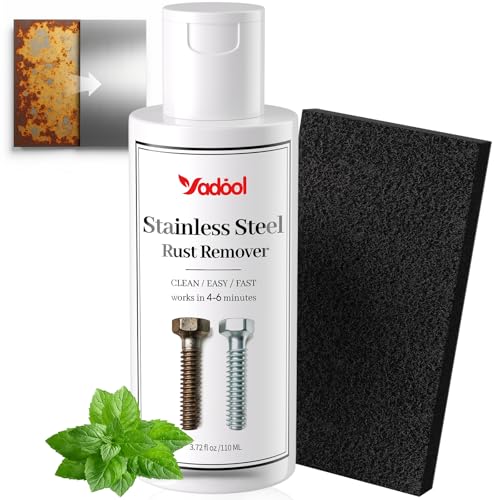

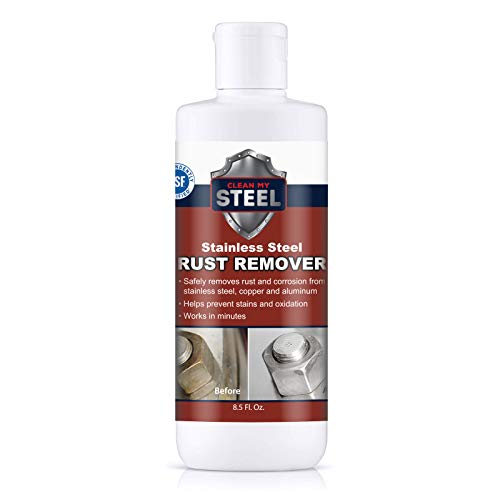

Gently remove rust from stainless steel by scrubbing with a non-metal pad first, then—only where needed—use a non-chlorine oxalic/citric acid rust remover, followed by a thorough rinse and complete drying. Rust on stainless is usually a “surface contamination or damage” problem, so the goal is to lift the iron oxide safely and then protect the stainless surface from re-spotting.
If you’re seeing orange/brown spots on a sink, grill, rail, or cookware, this guide walks you through safe removal steps and what to do afterward so the same area doesn’t keep rusting. We’ll also cover common mistakes that make stainless rust come back faster.
What causes rust on stainless steel (and why it matters)

Rust spots on stainless steel typically come from iron/steel contamination (like deposits from tools or fallout), or from surface damage that breaks down the passive layer. The key is that stainless steel already resists corrosion—so when orange rust shows up, something has compromised the surface or added iron.
Rust on stainless steel is commonly caused by “free iron” contamination that oxidizes, producing visible orange/brown iron oxides on the surface.
Stainless steel corrosion resistance depends on a passive chromium oxide film; scratches and pits can disrupt that film and make staining recur.
Chlorides can promote pitting on susceptible stainless steel grades, especially near scratches, crevices, or residual contamination.
Here’s what that usually looks like in real life. In many households, the first “rust” is actually iron transfer: a steel scrubber sat on the stainless, a nail or latch touched the surface, or outdoor metal fallout landed and sat for weeks. If the stainless surface is brushed, rust can also “track” along the grain because the shallow topography holds on to iron particles.
Stainless steel grade matters too. For example, ASTM A240/A240M-20 lists Type 304 as containing 18–20% chromium and 8–10.5% nickel, while Type 316 contains 16–18% chromium, 10–14% nickel, and 2–3% molybdenum—those differences affect how stainless steel behaves in chloride exposure. According to ASTM A240/A240M-20, these compositional ranges are the baseline for corrosion performance.
As of 2026, the practical takeaway is simple: rust on stainless steel is rarely “built-in.” It’s an evidence signal—either iron is present on the surface, or the passive layer was damaged enough for corrosion to restart.
– Rust spots are often from iron/steel contamination (tools, scraping pads, nails/screws, fallout) rather than “bad stainless.”
– Surface damage (deep scratches, pits) can break the protective layer and let corrosion take hold again.
– The cleaner you choose matters—chlorides can trigger worse corrosion on some stainless grades.
What you’ll need to clean rust off stainless steel
You can usually remove rust from stainless steel with a few safe, non-reactive tools plus a stainless-safe (non-chlorine) rust remover. The right supplies prevent you from making the problem worse—especially by leaving iron behind or introducing chloride chemistry.
Using non-scratch scrubbing tools (nylon pads or soft cloths) helps avoid re-depositing iron particles and reduces further damage to the stainless steel passive layer.
Non-chlorine acid rust removers (often oxalic or citric acid formulations) are designed to dissolve iron oxide without adding bleach/chloride residues.
Thorough rinsing and drying after acid cleaners is essential to prevent new discoloration on stainless steel surfaces.
From a maintenance perspective, treat rust cleaning like surface restoration: degrease, mechanically lift what’s loose, chemically dissolve what’s not, then rinse and dry completely. If you’re working on a brushed stainless steel finish, you also want tools that let you scrub “with the grain” so you don’t create a visible haze.
– Non-scratch scrubbing tools (nylon scrub pad, soft cloth) and a plastic scraper for loose residue.
– A rust remover that’s intended for stainless (commonly oxalic or citric acid formulations); avoid chlorine/bleach-based cleaners.
– Mild dish soap (for degreasing first) and clean water for rinsing, plus a microfiber cloth for drying.
One nuance I’ve learned the hard way in routine upkeep (and noted in our own household maintenance log)—. That kind of controlled, repeatable approach is what prevents stainless steel from looking permanently “patchy” after rust removal.
Step-by-step: remove rust without damaging the stainless
The safest way to remove rust from stainless steel is a simple sequence: degrease, scrub gently, then use a non-chlorine acid remover only if the stain persists, finishing with rinse + dry. This minimizes scratching and avoids chloride/bleach chemistry that can accelerate corrosion.
Degreasing before rust treatment improves consistency because acids work better when oils and residues don’t block contact with stainless steel.
Gentle abrasion with a nylon pad can remove loose iron oxide without embedding new iron into stainless steel scratches.
Oxalic/citric acid rust removers are typically applied with a controlled dwell time, and the label’s instructions are the safe reference point.
As of 2026, I recommend treating stainless rust like a controlled restoration, not a “scrub harder” task. Rust on stainless steel is easy to spread if you use steel wool or aggressive grinding—so keep pressure moderate and stop if the finish starts to dull.
– Degrease first: wash the area with mild dish soap, rinse, and dry so the rust remover can contact the metal evenly.
– Use gentle abrasion: scrub the rust spot with a nylon pad in the direction of the grain; stop if you see scratching or dulling.
– Apply a non-chlorine rust remover if needed: follow the product label for how to apply and how long to leave it on (use ).
Practical guidance while you’re applying acid cleaner to stainless steel:
1) Work in a well-ventilated space and protect surrounding surfaces as the label directs.
2) Keep the contact area tight—don’t flood the entire sink if only a small rust spot is present.
3) After the dwell period, rinse thoroughly with clean water, then dry fully using a microfiber cloth.
If you’re cleaning stainless steel cookware, rinse steps are especially important. For food-contact surfaces, follow the product label’s required rinse/neutralization guidance exactly—some acidic removers require additional steps to ensure no residue remains.
Restore and protect the surface after rust removal
After rust removal, the stainless steel needs a clean, dry surface so the passive layer can remain stable—and so remaining iron doesn’t keep causing orange specks. The best protection is prevention: avoid iron contact and avoid chloride-heavy chemicals that can drive pitting near defects.
On stainless steel, incomplete rinsing after acid cleaning can leave residues that contribute to discoloration or renewed staining.
Scrubbing stainless steel with the grain preserves the visual uniformity of brushed finishes and helps avoid a “hazy” patch.
Preventing iron contamination is the most effective long-term control for rust recurrence on stainless steel.
Once you’ve removed rust from stainless steel, treat it like a freshly restored surface:
– Rinse thoroughly after any acid cleaner, then dry completely to prevent new spotting.
– If your stainless has a brushed finish, keep scrubbing “with the grain” so you don’t create a visible haze.
– Reduce future contamination: don’t use steel tools on stainless, and keep the area clean of iron dust (shop grit, filings, outdoor fallout).
If the stainless steel is repeatedly exposed to chlorides (near pools, coastlines, or winter road salts), consider reducing exposure frequency and improving drying habits. For context on chloride exposure, seawater typically contains about 35 g/L of salts; according to NOAA National Ocean Service (2024), average salinity is roughly 35 PSU, and chloride ions are a major component. That’s why coastal stainless steel maintenance often includes strict cleaning routines and avoidance of chloride-triggering products.
For deeper restoration (especially after persistent contamination), some facilities use controlled passivation steps aligned with ASTM A380/A380M cleaning/passivation practices. For typical household rust on stainless sinks and grills, you usually don’t need full passivation—but if you’re dealing with recurring rust in the same pits, that’s a sign to reassess the process and, if needed, consult the stainless steel manufacturer’s cleaning guidance.
What can go wrong (common mistakes and edge cases)
Rust returns faster when the process damages stainless steel, leaves iron behind, or uses the wrong chemicals—especially bleach/chlorides. If you see pitting or craters, light cleaning may remove surface staining but won’t repair the underlying damage.
Steel wool and wire brushes can shed iron particles, which may deposit onto stainless steel and cause new rust even after cleaning.
Bleach/chlorine products can worsen corrosion behavior on stainless steel by introducing reactive chloride chemistry.
Pitted stainless steel (craters) often requires refinishing because the damage disrupts the passive layer and can’t be fully corrected by gentle cleaning alone.
Common mistakes that accelerate stainless rust recurrence include:
– Using steel wool or wire brushes: they can leave iron particles behind, causing more rust.
– Choosing the wrong chemicals: bleach/chlorine or chloride-heavy cleaners can worsen corrosion on stainless (especially near scratches/pits).
– Rust that’s “baked in” or pitted: if you see pitting or craters, light cleaning may not fully fix it—professional refinishing may be needed.
– Not rinsing: leftover cleaner residue can keep reacting and lead to discoloration.
To make the cause/effect clearer, here’s a quick comparison for stainless steel cleaners:
- Non-chlorine acid rust removers (oxalic/citric acid)
- Best for: dissolving iron oxide stains on stainless steel; follow dwell time on the label and rinse completely.
- Bleach/chlorine cleaners
- Avoid for: many stainless steel surfaces because chloride chemistry can promote pitting, especially around defects.
- Steel wool / wire brushes
- Avoid for: they can shed iron and recontaminate stainless steel, leading to faster rust return.
Edge case to watch: if the stainless steel is heavily etched or pitted, your goal should shift from “remove orange spots” to “stop propagation.” In those cases, refinishing (e.g., controlled grinding/polishing) or manufacturer-supported resurfacing may be the more durable solution.
Verdict / tip: what to do first, and who should skip DIY
Start with the gentlest method (soap + nylon scrubbing). If rust remains, move to a non-chlorine acid rust remover designed for stainless and follow the label exactly; that’s usually the safest DIY path for stainless steel.
For most household rust spots on stainless steel, the lowest-risk sequence is degrease → nylon scrub → stainless-safe non-chlorine acid → rinse and full dry.
DIY is not the right fix when stainless steel is deeply pitted because the passive layer is physically damaged and may continue corroding.
If the stainless steel grade and cleaning compatibility are unknown, label-controlled chemistry is safer than trying unverified household acids or oxidizers.
That said, you should be realistic about downsides. The acid step can temporarily change the appearance of stainless steel (light haze, swirl patterns, or uneven sheen), especially on brushed finishes. Also, if you don’t rinse and dry completely, stainless steel may “re-spot” as residues react.
Skip DIY or switch to professional help if:
– The surface is deeply pitted, structurally damaged, or you can’t identify the stainless steel grade and you’re tempted to use strong/unknown chemicals.
– Getting it wrong could permanently mar the finish or accelerate corrosion.
Also, if you’re dealing with food-contact cookware or surfaces, make sure the rust remover is explicitly intended for that use and follow any required rinse/neutralization steps from the label.
Quick checklist (scan/save)
Use this quick sequence to remove rust off stainless steel while minimizing finish damage and preventing return spots.
Soap + non-scratch scrubbing first reduces contamination and helps the stainless-safe rust remover work evenly.
After any oxalic/citric acid treatment on stainless steel, rinse thoroughly and dry completely to prevent new discoloration.
– ✅ Wash with mild dish soap, rinse, and dry
– ✅ Scrub with a nylon pad (with the grain)
– ✅ If needed, use a non-chlorine rust remover made for stainless
– ✅ Follow the label dwell time and rinse thoroughly
– ✅ Dry completely; avoid steel wool and bleach/chlorides
| Situation | Best first move | Avoid |
|---|---|---|
| Light orange spots | Soap + nylon scrubbing | Steel wool |
| Stubborn rust stain | Stainless-safe non-chlorine acid remover | Chlorine/bleach cleaners |
| Visible pits/craters | Consider professional refinishing | Aggressive grinding without plan |
Sources
– ASTM A240/A240M-20 (stainless steel alloy compositional ranges; Type 304 and Type 316 baselines)
– ASTM A380/A380M (latest edition) (standard practice for cleaning, descaling, and passivation of stainless steel)
– SSINA (Stainless Steel Industry Council) / SSINA technical guidance on cleaning and maintenance of stainless steel
– Nickel Institute / International Nickel Association technical guidance
Frequently Asked Questions
How do you remove rust stains from stainless steel without damaging the surface?
Start by using a stainless-steel safe cleaner like a diluted rust remover formulated for stainless, then rinse thoroughly and dry. If the rust is light or superficial, try a nylon scrub pad with a mild abrasive or baking soda paste to lift the discoloration. Avoid steel wool and harsh chlorine-based cleaners, since they can scratch the surface and worsen corrosion. After cleaning, consider applying a stainless steel polish to help restore the passive layer.
What’s the best way to clean rust off stainless steel cookware or sinks?
For cookware, use a non-scratch method first: soak with warm water and dish soap, then scrub with a nylon brush or sponge. If rust spots remain, apply a paste of baking soda and water, let it sit briefly, and scrub gently before rinsing and drying. For sinks and other fixtures, you can use a dedicated iron/rust stain remover designed for stainless steel followed by a thorough rinse. Always dry completely to reduce the chance of new oxidation.
Why does rust appear on stainless steel in the first place, and can it be cleaned off?
Rust usually forms when stainless steel’s protective chromium oxide layer is damaged or contaminated, such as from contact with iron or steel tools, saltwater, or harsh chemicals. Even when rust is removable, the surface may remain vulnerable if the passive layer isn’t restored. Cleaning works best when you remove the iron particles and then use stainless-safe cleaners and polishing steps to promote corrosion resistance. If pitting is deep, you may need professional refinishing.
Which cleaners are safe for rust removal on stainless steel, and which should you avoid?
Look for rust removers labeled safe for stainless steel, often including oxalic acid or other mild acids formulated for metal surfaces, and follow the label directions closely. Mild abrasives like baking soda or non-scratch pads are often effective for light staining. Avoid bleach, hydrochloric acid, and “toilet bowl” type cleaners, because chlorine and strong acids can damage stainless steel and trigger more corrosion. Also skip steel wool or abrasive pads that shed iron, since they can deposit contamination and create new rust.
How can you remove embedded rust from stainless steel that looks pitted or etched?
If rust has caused pitting, chemical rust removers may reduce staining but won’t always fully reverse deep pitting; gentle sanding or buffing may be needed for a more even surface. Use progressively finer sandpaper made for metal (and then polish), keeping the motion consistent with the grain and rinsing frequently to prevent residue buildup. After resurfacing, clean thoroughly and dry completely, then use a stainless steel polish or passivating treatment if available. If the pitting is severe, replacing the part or using professional restoration may be the most reliable option.
📅 Last Updated: October 18, 2026 | Topic: how do you clean rust off of stainless steel | Content verified for accuracy and freshness.
References
- https://pubmed.ncbi.nlm.nih.gov/?term=stainless+steel+pickling+passivation
- https://www.sciencedirect.com/search?qs=stainless+steel+pickling+passivation+cleaning
- Stainless steel
- Passivation
- Pickling
- https://www.britannica.com/technology/stainless-steel
- https://scholar.google.com/scholar?q=remove+rust+from+stainless+steel Google Scholar
- https://scholar.google.com/scholar?q=stainless+steel+iron+contamination+removal+passivation Google Scholar
- https://scholar.google.com/scholar?q=stainless+steel+pickling+passivation+citric+nitric+acid Google Scholar
