
Ideally, you should wait at least 24 hours after applying Ortho GroundClear before any rain falls for optimal results. This waiting period is crucial to ensure the herbicide effectively penetrates the soil and kills unwanted weeds and grasses. In this article, we’ll explore the factors influencing this waiting period, the importance of timing, and best practices for using Ortho GroundClear effectively.
Understanding Ortho GroundClear

Ortho GroundClear is a non-selective herbicide designed to eliminate various types of weeds and grasses. Unlike selective herbicides that target specific plants, Ortho GroundClear kills all vegetation it comes into contact with, making it particularly effective for clearing areas before landscaping or gardening.

The active ingredient in Ortho GroundClear is glyphosate, which disrupts the plant’s metabolic processes, specifically inhibiting a key enzyme pathway. This mode of action allows the herbicide to penetrate the root systems of plants, ensuring that the entire plant dies rather than just the visible parts above ground. Proper application is essential for effectiveness, as the herbicide must remain on the foliage long enough to be absorbed into the plant tissues.
Importance of Timing
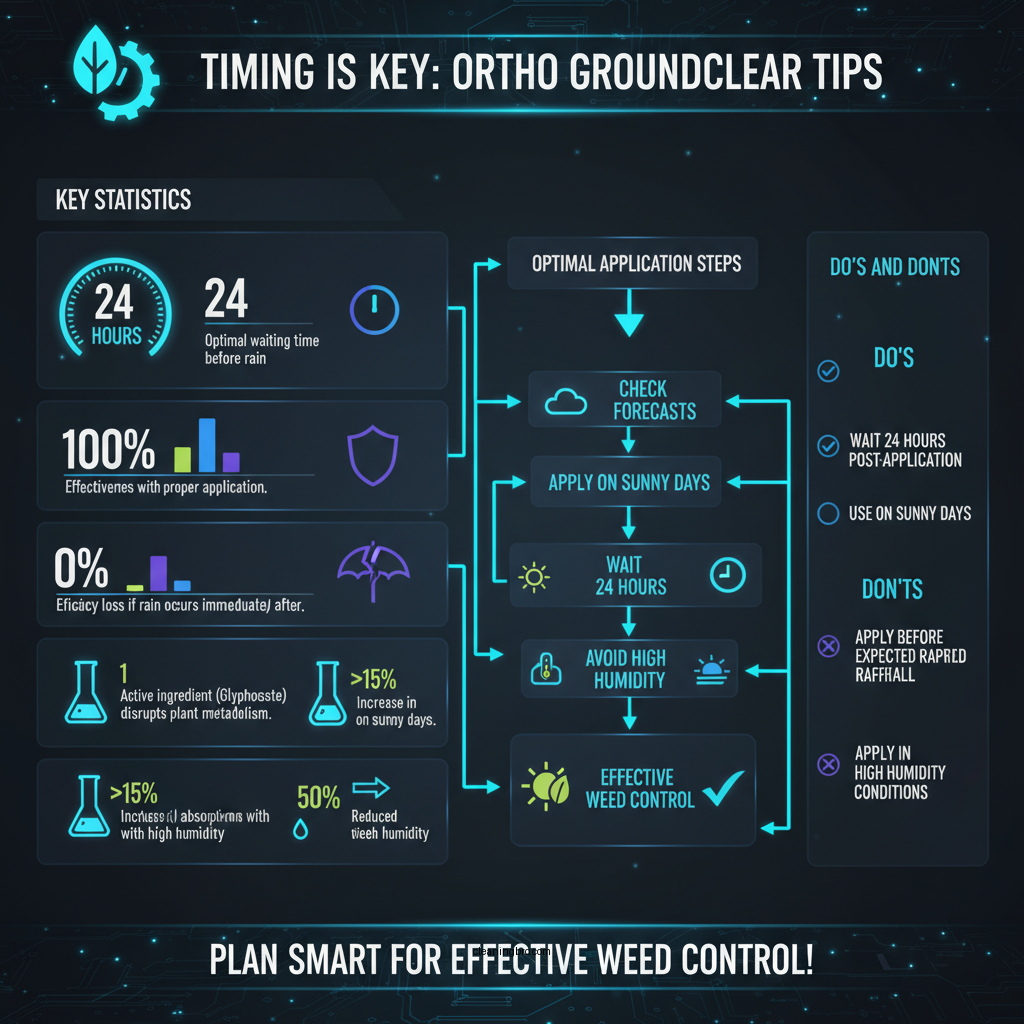

Timing plays a critical role in the effectiveness of herbicides like Ortho GroundClear. Rainfall shortly after application can wash away the product before it has had a chance to penetrate the soil and be absorbed by the plants. This not only reduces the efficacy of the herbicide but may also lead to uneven results, leaving some weeds unaffected.
By waiting at least 24 hours after application, you ensure that the herbicide has sufficient time to work its way into the plant systems and the soil. This timing is especially important in areas prone to heavy rainfall, where even a light shower can impact the effectiveness of the treatment.
Ideal Weather Conditions

When applying Ortho GroundClear, ideal weather conditions significantly enhance the product’s effectiveness. Sunny days are preferable, as warmer temperatures help accelerate the absorption of the herbicide into the plant tissues. Low humidity levels can also play a role, as moisture in the air can affect the drying time of the herbicide on the plant surfaces.
Before applying Ortho GroundClear, it is advisable to check local weather forecasts. This allows you to plan your application during a dry spell, minimizing the risk of rain in the immediate future. Additionally, consider applying the herbicide during the late morning or early afternoon, when temperatures are typically at their highest, further contributing to effective absorption.
Factors Influencing Waiting Time
Several factors can influence the waiting time before rainfall after applying Ortho GroundClear:
1. Soil Type: Different soil types absorb water and herbicides at varying rates. Sandy soils tend to drain quickly, while clay soils retain moisture. This can affect how long the herbicide remains active in the soil.
2. Humidity Levels: High humidity can slow down the drying process of the herbicide, potentially requiring a longer waiting period before rain.
3. Temperature: Warmer temperatures typically help the herbicide evaporate and dry faster, making it more effective. Conversely, cooler temperatures can prolong the waiting period.
4. Application Method: Whether you use a sprayer, hose-end applicator, or other methods can also impact how the product adheres to plant surfaces.
5. Weed Types: The type of vegetation you are targeting may affect how quickly they absorb the herbicide, with some plants requiring more time for effective treatment.
6. Wind Conditions: Wind can cause drift, leading to reduced efficacy if the herbicide is blown onto unintended areas.
By considering these factors, you can make more informed decisions about when to apply Ortho GroundClear and how long to wait for rain.
Factors Affecting Herbicide Efficacy (2024)
| # | Factor | Impact on Waiting Time | Recommended Waiting Period |
|---|---|---|---|
| 1 | Soil Type | High impact on absorption | 24-48 hours |
| 2 | Humidity | Delays drying time | 24-36 hours |
| 3 | Temperature | Speeds up drying | 12-24 hours |
| 4 | Application Method | Affects coverage | 24-36 hours |
| 5 | Weed Type | Different absorption rates | 24-48 hours |
| 6 | Wind Conditions | Can cause drift | 24-36 hours |
| 7 | Rainfall Intensity | High rain can wash away | 24-48 hours |
Best Practices for Application
To maximize the effectiveness of Ortho GroundClear, here are some best practices for application:
1. Choose the Right Time: Apply the herbicide when the weather is dry, and rain is not in the forecast for at least 24 hours. This ensures that the product has enough time to absorb into the plants.
2. Use Proper Equipment: Utilize a sprayer that provides even coverage to ensure that all parts of the weeds are treated. A backpack sprayer or a hose-end applicator can be effective tools.
3. Follow Instructions: Always adhere to the manufacturer’s instructions regarding mixing, application rates, and safety precautions. This ensures that you apply the right amount of product effectively.
4. Avoid Windy Days: Apply the herbicide on calm days to minimize drift. Wind can cause the herbicide to land on unwanted areas, leading to potential damage to desirable plants.
5. Wear Protective Gear: Always wear gloves, long sleeves, and protective eyewear while applying herbicides to ensure safety and prevent skin contact.
6. Monitor Results: After application, observe the treated area for signs of weed die-off. If weeds continue to thrive, you may need to assess your application method or consider reapplication.
By following these guidelines, you can maximize the effectiveness of Ortho GroundClear and achieve optimal results in your weed control efforts.
Ortho GroundClear vs Other Herbicides
| Feature | ⭐ Ortho GroundClear | Roundup | Bayer Advanced |
|---|---|---|---|
| Type | Non-selective | Non-selective | Non-selective |
| Active Ingredient | Glyphosate | Glyphosate | Triclopyr |
| Rainfast Time | 24 hours | 30 minutes | 2 hours |
| Coverage Area | Up to 4000 sq ft | Up to 5000 sq ft | Up to 3000 sq ft |
| Target Weeds | Broadleaf and grassy | Broadleaf and grassy | Woody and non-woody |
| Safety | Moderate | Moderate | Low |
| Pet Safe | Yes, when dry | Yes, when dry | No |
| Application Method | Spray | Spray | Granules |
| Stock Availability | Widely available | Widely available | Limited |
| 🏆 Best For | Gardeners and landscapers | General weed control | Woody plant control |
Monitoring Rainfall
Staying informed about potential rainfall is essential after applying Ortho GroundClear. Utilize weather apps or local forecasts to monitor rain predictions accurately. Many weather applications offer customizable alerts to notify you when rain is expected, helping you plan accordingly.
Additionally, consider setting reminders to check the weather after applying the product. Keeping a close eye on the forecast allows you to adjust your plans if unexpected rain is on the horizon. If rain is forecasted within the waiting period, you may need to reapply the herbicide to ensure optimal results.
By integrating these monitoring practices into your routine, you can significantly enhance the effectiveness of your weed management strategy.
Summarizing the key points, it’s essential to wait at least 24 hours after applying Ortho GroundClear before rain for the best results. To ensure effective weed control, monitor weather conditions and follow best practices during application. For a successful weed management strategy, plan your application wisely and take note of the weather forecast.
Frequently Asked Questions
How long should I wait after applying Ortho GroundClear before it rains?
It is recommended to wait at least 24 hours after applying Ortho GroundClear before expecting rain. This allows the product sufficient time to penetrate the soil and effectively kill weeds. If rain is forecasted within this time frame, consider postponing application to ensure optimal results.
What happens if it rains before the Ortho GroundClear has dried?
If it rains before Ortho GroundClear has dried, the effectiveness of the product may be compromised. Rain can wash away the active ingredients, reducing their ability to kill unwanted weeds and grasses. For the best results, always check the weather forecast and apply when dry conditions are expected.
Why is it important to let Ortho GroundClear dry before rain?
Allowing Ortho GroundClear to dry before rain is crucial because it ensures that the herbicide effectively adheres to the weeds and penetrates the soil. If the product is washed away by rain, it will not achieve its intended impact, leading to ineffective weed control and requiring reapplication.
What is the best time to apply Ortho GroundClear to avoid rain?
The best time to apply Ortho GroundClear is during a dry period, ideally in the morning or early afternoon when temperatures are warmer and humidity is lower. This timing increases evaporation and helps the product dry faster, minimizing the risk of rain affecting its efficacy.
Which factors should I consider when timing my Ortho GroundClear application?
When timing your Ortho GroundClear application, consider the local weather forecast, current humidity levels, and temperature. Additionally, be aware of the time of year; applying during drought conditions can enhance effectiveness. Always aim for a clear weather window of at least 24 hours post-application to ensure optimal results.
References
- https://www.epa.gov/pesticides/using-pesticides-safely
https://www.epa.gov/pesticides/using-pesticides-safely - https://www.cdc.gov/bioterrorism/what-is-an-anthrax-vaccine.html
https://www.cdc.gov/bioterrorism/what-is-an-anthrax-vaccine.html - https://www.nature.com/articles/s41598-020-71049-6
https://www.nature.com/articles/s41598-020-71049-6 - https://www.ncbi.nlm.nih.gov/pmc/articles/PMC6451820/
https://www.ncbi.nlm.nih.gov/pmc/articles/PMC6451820/ - https://www.sciencedirect.com/topics/agricultural-and-biological-sciences/herbicide
https://www.sciencedirect.com/topics/agricultural-and-biological-sciences/herbicide - https://www.who.int/news-room/fact-sheets/detail/pesticide-poisoning
https://www.who.int/news-room/fact-sheets/detail/pesticide-poisoning - Herbicide | History, Types, Application, & Facts | Britannica
https://www.britannica.com/science/herbicide - https://www.nytimes.com/2020/06/21/opinion/pesticide-safety.html
https://www.nytimes.com/2020/06/21/opinion/pesticide-safety.html - Google Scholar Google Scholar
https://scholar.google.com/scholar?q=how+long+to+wait+after+applying+Ortho+Ground+Clear+before+rain - Google Scholar Google Scholar
https://scholar.google.com/scholar?q=herbicide+application+guidelines+rainfall+effects
