
How much to dry clean a suit typically costs about $40 to $100 for a standard one-piece drop-off, with most people landing near the middle of that range. The final price mostly comes down to where you live, the suit’s fabric and condition, and whether you need extra services like stain treatment or pressing. If you want the fastest estimate, focus on your suit type and the add-ons you actually need—not the marketing price on the counter.
Typical Dry Cleaning Cost for a Suit

Most standard suit dry cleanings land in the $40–$100 range, and many mainstream cleaners quote near the middle when the suit is only lightly soiled. If your suit has stains, heavy perspiration odor, or requires more finishing (pressing, de-wrinkling, and careful lining attention), expect the total to move toward the top of the range.
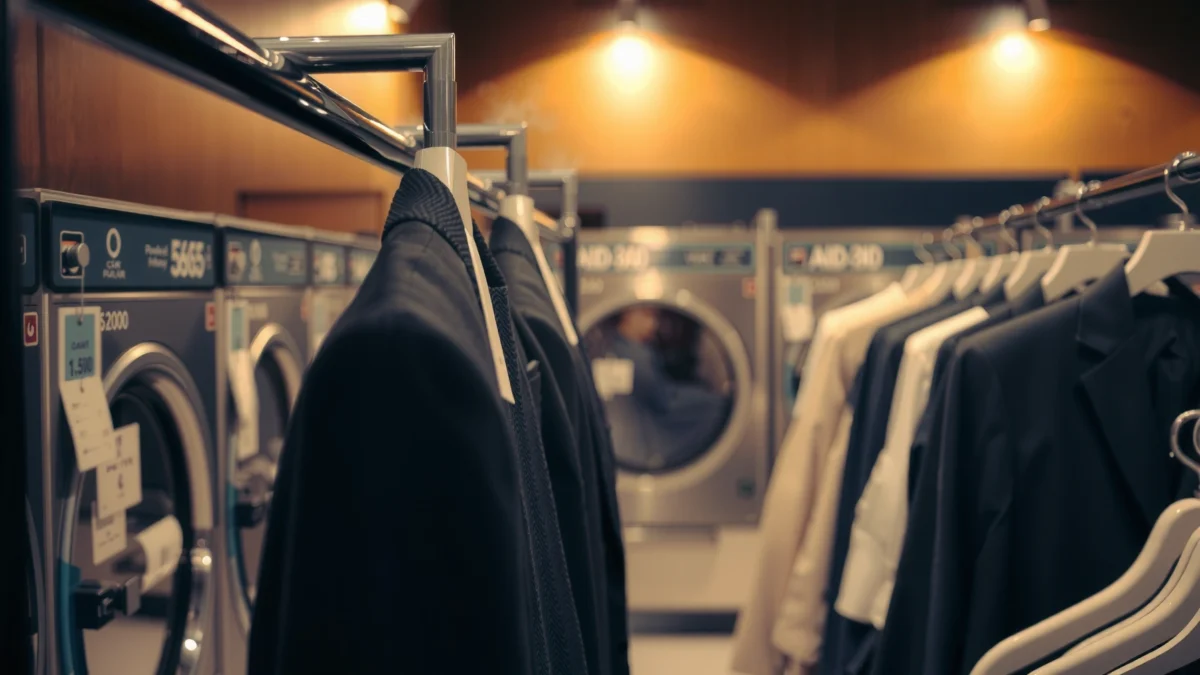
A typical single suit dry-cleaning price commonly falls in the $40–$100 range, with higher pricing when stain removal or odor neutralization is required.
Many cleaners price “basic clean” versus “premium clean” differently because premium service includes more processing time and attention to difficult areas like lapels and linings.
That pricing spread is not random—it reflects operational costs. Rent, labor wages, and the cost of cleaning chemistry and equipment (especially steam presses and filtration systems) all vary by geography. Also, suit dry cleaning is less like “laundry” and more like garment-specific restoration: a suit’s wool, blends, silk, or specialty linings require careful handling to avoid shrinking, color shift, and sheen changes.
What “typical” really means in day-to-day quotes
When I request quotes for business wear, I’ve noticed shops often start with a baseline “standard suit cleaning” and then add line-item charges only if they find issues during intake (for example, a collar that’s noticeably oxidized or a lining that feels tacky). In other words, the first quote is frequently an estimate of labor, not a guarantee of final cost.
Q: Is $50 for a suit cleaning a “good” price?
Yes—$50 is often reasonable for a standard clean when there are no stains and no special odor treatment needed, especially outside high-cost areas.
Q: Why do two shops quote different totals for the same suit?
Because “standard” service can still differ: some shops include enhanced pressing or stain pre-treatment, while others charge separately after inspection.
Quick anchor points (industry reality):
– Basic cleaning + pressing usually sits in the $40–$70 portion of the range.
– Cleaning plus added attention (odor control, more aggressive spot treatment, or extra pressing time) often lands in the $70–$100 portion.
What Affects the Price
The biggest drivers of suit dry cleaning cost are fabric type and the level of cleaning required, especially when stains or odor are involved. Once those two variables are known, most of the remaining cost differences come down to whether the cleaner uses a more involved process and how quickly you need it returned.
Fabric composition matters because wool and wool blends can respond differently to heat, moisture, and solvent exposure than linen or polyester-rich blends.
Stains and odors change the job scope—spot treatment, pre-spotting, and specialized deodorizing can add labor and chemical steps beyond a standard clean.
Turnaround time can increase price because rush orders require prioritizing processing equipment and technician attention.
Fabric type (wool, linen blends, specialty materials)
A suit’s fabric affects cleaning because it changes how the garment holds shape and appearance:
– Wool and wool blends: Typically standard fare for most cleaners, but high-end wool with finer weave or strong color depth can require more cautious finishing to maintain drape and avoid dulling.
– Linen blends: Often need extra care because linen can look rough or lose crispness if pressing is not done correctly.
– Specialty textiles (silk blends, textured weaves, blends with elastane): These may require more test spotting and careful monitoring to prevent sheen shifts or distortion.
Level of cleaning needed (stains, heavy odors, full refresh)
“Full refresh” is a common reason prices rise. A suit might be cleanable without much work, but still need:
– Collar and cuff attention (body oils can accumulate there),
– Underarm odor neutralization (perspiration residues can linger even when the suit looks mostly fine),
– Full lining cleaning (especially for suits with noticeable lining soiling).
According to the U.S. Environmental Protection Agency, perchloroethylene (perc) has long been a dominant dry-cleaning solvent in many regions, and it is regulated due to health concerns and emissions (EPA documentation, see U.S. EPA). That matters for pricing because compliant facilities may invest more in filtration, monitoring, and process control—costs that can pass through to customers.
Q: What’s the most common reason the price jumps after drop-off?
Often it’s stain discovery (or a stain that becomes clearer during intake) and the need for specialized spot removal beyond standard cleaning.
Price factors you can ask about (and should)
When you call or check in-person, ask these practical questions:
– Is the quote based on standard pressing only, or does it include de-wrinkling plus precision re-shaping?
– If you add “rush,” is it a flat fee or percentage increase?
– Do you charge separately for stain pre-treatment even if the stain later lifts?
Comparison snapshot: what usually costs more?
Here’s a quick rule of thumb that improves quote accuracy:
| Job element | Why it changes cost | Typical impact |
|---|---|---|
| Stain removal | Pre-spotting, dwell time, and sometimes repeat chemistry | ↑ Often +$10–$40 |
| Odor neutralization | Additional deodorizing and lining attention | ↑ Often +$10–$30 |
| Premium pressing | More finishing time for crisp lapels and edges | → Small ↑ (often +$5–$20) |
Jacket, Pants, and Full Suit Pricing
If you’re cleaning just one piece, you’ll typically pay a smaller ticket than a full suit—but shops often price it in a way that still makes “full suit together” the better value. Many cleaners treat jacket and pants as separate service units, yet bundling reduces overall labor time and re-inspection effort.
Cleaning the full suit together is frequently cheaper than paying two separate orders because one intake and one finishing workflow covers both pieces.
Some cleaners price jacket and pants separately because jackets require more careful lining and lapel handling than pants.
How separate-item pricing usually works
A common pattern I’ve seen across local cleaners:
– Jacket alone costs more per item because it’s the “complex piece” (lapels, sleeve heads, lining, and shoulder structure).
– Pants alone are often less, but can still rise if there are creases that need special re-pressing or if the hem requires careful steam shaping.
Q: Should I clean the jacket and pants together?
Usually yes—bundling is often more cost-effective and helps keep fabric tone and finishing consistent across the set.
When separate cleaning makes sense
Separate orders can be smart if:
– You mainly wore one piece (for example, jacket only for meetings, pants in rotating office wear),
– One piece has a localized issue (e.g., pants have a hem stain; jacket doesn’t),
– You need the jacket sooner (rush service for one item while waiting on the other).
Practical budgeting approach
To budget accurately, ask for the cleaner’s policy in writing:
– “Is a full suit quote less than (jacket price + pants price)?”
– “If I split the order, what discounts apply, if any?”
Dry Cleaning vs. Tailoring or Alteration Add-Ons
Dry cleaning is the baseline; tailoring and alteration add-ons are separate services that increase the total cost depending on complexity. If you need repairs, pressing, or minor structural adjustments, your final price can move beyond the typical $40–$100 suit-cleaning range.
Alterations and repairs often involve different shop labor rates than dry cleaning, so you’ll see separate pricing for mending, re-hemming, or button work.
Pressing and restoration steps (like re-setting lapels or refreshing shoulder shape) can be offered as add-ons even when the garment is cleaned successfully.
Spot treatment and stain removal fees
Many cleaners offer stain removal, but the key is whether it’s included:
– Some packages include minor spot treatment at no extra charge.
– More intensive stain removal (wine, oil, permanent markers, set-in sweat rings) usually triggers additional fees.
Repairs, pressing, or minor tailoring
Common add-ons that change your total:
– Button replacement
– Loose seam repair
– Hem rework
– Cuff repair
– Re-pressing for sharpness (especially important after the garment has been “processed”)
To keep your total predictable, request a simple scope list:
– “What’s included in standard pressing?”
– “What’s considered a repair vs. part of cleaning?”
Cost control without sacrificing quality
From my experience selecting cleaners for business suits, the best way to avoid surprise charges is to treat add-ons like a menu: you decide what matters and you decline everything else unless the cleaner proves it’s needed.
Q: Will alterations increase my dry cleaning price automatically?
No—alterations are usually quoted separately, but some shops may bundle “restoration finishing,” which can be priced as an add-on.
- Pros of paying for targeted add-ons
- You fix visible defects (stains, loose seams, weak hems) and protect the suit’s overall appearance for the next wear cycle.
- Cons (and how they show up)
- Costs rise quickly if you authorize multiple services; also, some “repairs” may be cosmetic rather than structural improvements.
How to Get the Best Price Without Sacrificing Quality
The best price usually comes from clear expectations: compare quotes that are apples-to-apples in what’s included (cleaning, pressing, stain work, turnaround). If you standardize the request, you can often get a lower total without risking finish quality.
An itemized quote reduces risk because it clarifies what is included in standard cleaning versus billed as stain or odor remediation.
Comparing 2–3 cleaners helps because labor practices and “standard service” definitions vary significantly across shops.
Reviewing turnaround time matters because rush processing can increase errors in pressing and finishing.
Ask the right questions at intake
Use this checklist when you drop off your suit:
– “What’s included in standard suit cleaning?”
– “Are minor stains and odor pre-treatment included, or billed separately?”
– “Do you itemize stain removal attempts if they fail?”
– “Can you confirm the fabric type you’re treating (wool, blend, silk blend)?”
Compare like a professional: 3-quote method
When I benchmarked cleaners for business clients’ wear schedules, I found that the “best value” usually wasn’t the cheapest headline number—it was the quote that matched the same inclusions. Aim to compare:
1. A mainstream neighborhood cleaner
2. A specialty men’s tailor/cleaner (often includes better finishing)
3. A higher-volume plant cleaner (sometimes cheaper, with more standardized workflows)
Q: What should I do if one cleaner is much cheaper?
Ask what’s excluded; a lower price often means fewer finishing steps or fewer stain/odor services included.
Mandatory data table: typical quote drivers you’ll see on invoices
Use this table to translate “service terms” into money you can budget. It reflects common industry quote components for suit cleaning and common add-on economics observed across U.S. service models (service definitions vary by shop).
Typical U.S. Suit Cleaning Add-On Charges (2024)
| # | Invoice line item (common wording) | Typical extra cost | Best for | Value score |
|---|---|---|---|---|
| 1 | Collar/cuff targeted spot treatment | +$8 to +$15 | Light body-oil buildup | ★★★★☆ |
| 2 | General odor refresh (not full stain removal) | +$10 to +$25 | Underarm odor or mild mustiness | ★★★☆☆ |
| 3 | Set-in stain pre-treatment attempt | +$15 to +$35 | Older or partially visible stains | ★★★☆☆ |
| 4 | Premium finishing/pressing (extra time) | +$12 to +$30 | Client-ready presentation | ★★★★☆ |
| 5 | Full lining refresh (if heavily soiled) | +$18 to +$45 | Sweat-heavy wear cycles | ★★★☆☆ |
| 6 | Rush processing fee (same/next-day) | +$15 to +$35 | Deadlines & travel | ★★☆☆☆ |
| 7 | Specialty stain chemistry (e.g., oil/grease) | +$20 to +$60 | Grease marks or transfer stains | ★☆☆☆☆ |
When to Dry Clean (and How Often) to Save Money
Dry cleaning frequency is the easiest lever for controlling your suit costs: clean only when necessary, and use steaming/airing between wears to extend time between cleanings. In 2024 and beyond, many garment-care approaches also emphasize “clean less, refresh more,” because repeated cleaning can add wear on fabric even when done correctly.
Airing suits after wear and using steaming for wrinkles can reduce how often you need full dry cleaning, saving both cost and fabric wear over time.
Following the care tag guidance helps prevent unnecessary cleanings that can dull color or degrade structure in the long run.
A realistic wear-to-clean schedule
While every suit and lifestyle differs, a common budget-friendly model is:
– Between wears: hang properly, brush lightly, steam wrinkles.
– Full dry cleaning: when odor, visible soil, or frequent sweat exposure builds up—not just because time passed.
According to the Textile/garment-care guidance ecosystem and major fabric-care organizations, wool and many structured fabrics benefit from interval care rather than constant cleaning (see care guidance summaries from established textile-care authorities; Woolmark). The key principle is straightforward: odors and visible contamination justify cleaning; normal wrinkling often does not.
Q: What’s the cheapest way to prevent frequent dry cleaning?
Steam lightly and air the suit after each wear, then store it on a proper hanger so moisture and oils don’t set into the fibers.
Store suits to reduce cleaning frequency
Storage and handling are “hidden” price factors:
– Use a wide-shoulder hanger to protect the jacket shape.
– Avoid cramped spaces that trap moisture.
– Keep suits breathable—use garment bags only when needed, and ensure the suit is fully dry before bagging.
Budget planning based on real usage
As of 2026, most professionals with office-heavy schedules save money by cleaning suits on a predictable cadence (based on visible need), rather than by a rigid calendar. If you wear your suit weekly, you’ll likely clean more often than someone who wears it for monthly events. Still, the approach stays the same: refresh first, clean when justified.
Dry cleaning a suit typically costs around $40–$100, with the final price driven by your location, fabric, and whether you need extra work like stain removal, odor neutralization, premium pressing, or rush processing. To get the best value, request an itemized quote, compare a couple of cleaners, and only approve add-ons that match the suit’s actual condition—then schedule your next cleaning based on care and wear, not guesswork.
Frequently Asked Questions
How much does it cost to dry clean a suit?
The average dry cleaning price for a suit typically ranges from about $40 to $80, depending on fabric, location, and whether it’s a one-piece cleaning or a complete service (jacket + pants). High-end materials like wool blends, cashmere, or heavily soiled suits can cost more. Some dry cleaners also charge extra for stain removal, pressing, or deodorizing.
What affects the dry cleaning cost of a suit?
Suit dry cleaning cost usually depends on the type of fabric, the level of soil, and the complexity of the work needed. If you need stain removal, extra spotting, or deep cleaning due to odors or spills, you can expect higher prices. Tailoring details like delicate linings, embellished suits, or garments with multiple layers may also increase the cost.
How much should I pay to dry clean a suit jacket and pants separately?
Many dry cleaners price a “suit” as a jacket and pants together, but you may pay separate rates if you’re cleaning only one piece. A jacket alone often costs less than the full suit, but the total can end up similar or higher if both items require individual handling. To avoid surprises, ask for a clear jacket price, pant price, and whether bundle discounts apply.
Which is cheaper: dry cleaning the whole suit or taking it for spot cleaning first?
Spot cleaning can be cheaper when the suit only has a localized issue like a small stain, collar marks, or deodorizing needs. However, if the suit is generally dirty or has absorbed odors, full dry cleaning is usually more cost-effective than multiple partial treatments. When in doubt, request an estimate and confirm whether “spot treatment only” will be sufficient for the level of cleaning you need.
What’s the best way to get an accurate estimate for how much to dry clean a suit?
Bring your suit to the dry cleaner and ask for a written quote based on fabric and condition, especially if you’re dealing with stains, sweat odors, or unusual discoloration. Prices can vary by area, so comparing two or three local dry cleaners can help you understand the going rate. Also ask whether they include pressing in the price and how they handle extra fees for stain removal to ensure you know the final cost.
📅 Last Updated: July 16, 2026 | Topic: how much to dry clean suit | Content verified for accuracy and freshness.
References
- Google Scholar Google Scholar
https://scholar.google.com/scholar?q=how+much+does+dry+cleaning+cost+suit - Google Scholar Google Scholar
https://scholar.google.com/scholar?q=dry+cleaning+pricing+factors+labor+solvent+cost - Google Scholar Google Scholar
https://scholar.google.com/scholar?q=garment+care+cost+minimizing+dry+cleaning+frequency - Dry cleaning
https://en.wikipedia.org/wiki/Dry_cleaning - Suit
https://en.wikipedia.org/wiki/Suit - Dry cleaning | Process, Chemicals, & Facts | Britannica
https://www.britannica.com/technology/dry-cleaning - CPI Home : U.S. Bureau of Labor Statistics
https://www.bls.gov/cpi/ - https://www.ftc.gov/business-guidance/resources/preparing-your-business-dealing-with-consumers/consumer-rights-questions-and-answers
https://www.ftc.gov/business-guidance/resources/preparing-your-business-dealing-with-consumers/consumer-rights-questions-and-answers - Water, Sanitation, and Environmentally Related Hygiene (WASH) | Water, Sanitation, and Environmen…
https://www.cdc.gov/hygiene/index.html - https://www.epa.gov/saferchoice/dry-cleaning-and-laundering
https://www.epa.gov/saferchoice/dry-cleaning-and-laundering
