
Cleaning your handgun is crucial for ensuring its performance and longevity. While it’s generally recommended to clean your handgun after each use, infrequent shooters can maintain their firearms with a thorough cleaning every three to six months. This article will delve into the various factors influencing cleaning frequency and provide essential guidelines to help you keep your handgun in optimal condition.



Frequency Based on Usage

When it comes to the frequency of cleaning your handgun, usage plays a pivotal role.

– Clean after each use: If you are a regular shooter, it is imperative to clean your handgun after every session. Firing rounds generates residue—such as carbon, lead, and unburned powder—that can accumulate in the firearm’s action and on its surface. If left unaddressed, this residue can lead to corrosion, malfunctions, and decreased accuracy. Cleaning immediately after use helps to ensure these residues do not have time to settle and cause damage.
– Infrequent use: For those who do not shoot often—perhaps only a few times a year—cleaning every three to six months is usually sufficient. Even if the handgun is not fired, it’s important to clean it periodically to remove any dust and prevent moisture accumulation that could lead to rust.
Types of Cleaning


Understanding the different types of cleaning available for handguns can help you maintain them effectively.
– Basic cleaning: This process involves wiping down the exterior of the handgun, removing loose debris, and ensuring that no dirt or moisture is present. Basic cleaning is often all that is needed between shooting sessions if you are a regular shooter. A simple cloth and a few drops of oil can do wonders for the exterior.
– Deep cleaning: A deep cleaning should be conducted periodically or after intensive use. This involves disassembling the handgun to scrub all moving parts, including the barrel, slide, and frame. Thorough lubrication is key after deep cleaning to ensure smooth operation. Use specialized cleaning solvents and brushes to remove stubborn residue from hard-to-reach areas.
Environmental Factors

The environment in which your handgun is stored and used can greatly influence how often you should clean it.
– Humidity and moisture: If you live in a humid climate or frequently transport your handgun in wet conditions, you must clean it more often. Moisture can lead to rust and corrosion, which can damage the internal and external components of the firearm. Consider using a dehumidifier in your storage area or opting for moisture-absorbing products to keep your handgun safe.
– Dust and debris: If your handgun is stored in a place where it is exposed to dust or dirt, such as in a workshop or a garage, it will require more frequent cleaning. Dust can accumulate and affect the operation of the firearm, leading to reliability issues. It’s advisable to keep the handgun in a case or a safe to minimize exposure to dust.
Top 7 Factors Affecting Handgun Cleaning Frequency
| # | Factor | Impact on Cleaning Frequency | Recommended Cleaning Interval |
|---|---|---|---|
| 1 | Usage Frequency | High | After each use |
| 2 | Humidity | Very High | Monthly |
| 3 | Dust Exposure | Moderate | Every 2 months |
| 4 | Weather Conditions | High | After each use |
| 5 | Storage Conditions | Moderate | Every 3 months |
| 6 | Type of Ammunition | High | After each use |
| 7 | Type of Firearm | Moderate | Every 3 months |
Cleaning Supplies and Techniques
To effectively clean your handgun, you will need appropriate supplies and techniques.
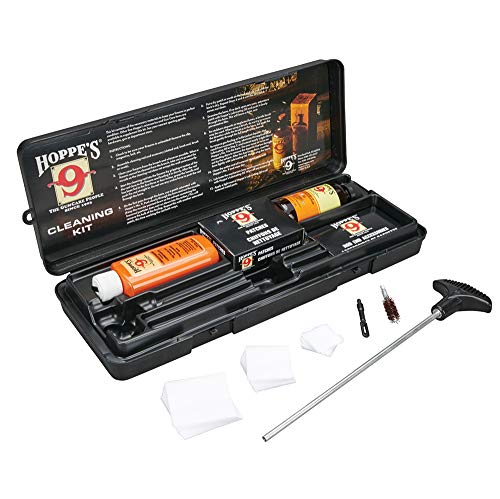
– Essential supplies: Invest in high-quality brushes, solvents, and oils specifically designed for firearms. A cleaning rod, patches, and bore brushes are vital for cleaning the barrel, while a soft cloth is useful for wiping down the exterior. Lubricants should be non-greasy to avoid attracting dirt and debris.
– Cleaning techniques: Familiarize yourself with the proper disassembly of your handgun. Each model has unique steps, so referring to the manufacturer’s manual is essential. Always ensure that the firearm is unloaded before beginning disassembly. After cleaning, reassemble the handgun carefully and apply a light coat of lubricant to moving parts to ensure optimal functionality.
Basic vs Deep Cleaning vs Maintenance Routine
| Feature | ⭐ Basic Cleaning | Deep Cleaning | Maintenance Routine |
|---|---|---|---|
| Frequency | After each use | Every 3-6 months | Monthly |
| Time Required | 15-30 mins | 1-2 hours | 30 mins |
| Tools Required | Cloth, Oil | Solvent, Brushes, Oil | Basic Cleaning Kit |
| Focus | Exterior | Interior & Exterior | Overall Condition |
| Skill Level | Beginner | Intermediate to Advanced | Basic |
| Cost | Low | Medium | Low |
| Effectiveness | Good | Excellent | Fair |
| Safety Reminder | Always | Always | Always |
| 🏆 Best For | Regular Users | Serious Shooters | General Maintenance |
Signs Your Handgun Needs Cleaning
Being able to recognize when your handgun requires cleaning is essential for maintaining its functionality.
– Performance issues: If you experience misfires, failures to feed, or inconsistent shooting patterns, it is likely time for a cleaning. These issues often stem from built-up residue affecting the firearm’s operation. Regular inspections can help catch these problems early.
– Visible residue: Always check for carbon buildup around the barrel and action. If you notice dirt, grime, or a lack of lubrication, these are clear indicators that it’s time to clean your handgun. Regular visual inspections can prevent performance issues and ensure reliability during use.
Maintenance Beyond Cleaning
Cleaning alone is not enough; a comprehensive maintenance routine is necessary for your handgun’s longevity.
– Regular inspections: Alongside cleaning, periodic inspections for wear and damage are critical. Look for signs of corrosion, loose components, and cracks. If you encounter any issues, consider consulting a professional gunsmith for repairs.
– Proper storage: Store your handgun in a dry, clean environment to minimize the need for frequent cleaning. Consider using a gun safe or a moisture-resistant case to protect your firearm from environmental factors that may lead to rust or damage.
In summary, regular cleaning and maintenance are vital for the longevity and reliability of your handgun. Establishing a cleaning routine based on your usage, environmental conditions, and specific firearm characteristics will ensure that your handgun remains in optimal working condition. Regular inspections, proper storage, and timely cleaning will help you enjoy a safe and effective shooting experience. For more tips on firearm care, consider subscribing to our updates!
Frequently Asked Questions
How often should I clean my handgun after shooting?
It is recommended to clean your handgun after every shooting session, regardless of the number of rounds fired. This practice helps prevent the buildup of residue and ensures the firearm operates smoothly. Regular cleaning also extends the lifespan of your handgun and maintains its accuracy.
What are the signs that my handgun needs cleaning?
Signs that your handgun needs cleaning include a buildup of dirt or residue on the exterior, difficulty in cycling the action, or a decrease in accuracy. Additionally, if you notice a gritty feel when operating the slide or trigger, it may be time for a thorough cleaning to maintain optimal performance.
Why is it important to clean my handgun regularly?
Regular cleaning of your handgun is crucial for safety, reliability, and longevity. Dirt, powder residue, and moisture can lead to malfunctions or corrosion, jeopardizing the firearm’s performance. By keeping your handgun clean, you ensure it functions properly when needed and retains its value over time.
What is the best way to clean my handgun?
The best way to clean your handgun involves disassembling it according to the manufacturer’s guidelines, using a quality cleaning kit, and applying appropriate cleaning solvents and lubricants. Start with a bore brush and cleaning patches for the barrel, followed by cleaning the slide, frame, and other components. Regularly inspect for wear to ensure your handgun remains in excellent condition.
Which cleaning products are recommended for handguns?
Recommended cleaning products for handguns include solvent cleaners, lubricants, and gun oil specifically formulated for firearms. Brands like Hoppe’s, Break-Free, and CLP (Cleaner, Lubricant, Protectant) are popular among gun owners. Always choose non-corrosive and non-toxic options to ensure the safety of both you and your firearm.
References
- Firearm maintenance
https://en.wikipedia.org/wiki/Firearm_cleaning - NRA-ILA | Home
https://www.nraila.org/articles/20150730/cleaning-your-handgun - https://www.ncbi.nlm.nih.gov/pmc/articles/PMC7361563/
https://www.ncbi.nlm.nih.gov/pmc/articles/PMC7361563/ - Google Scholar Google Scholar
https://scholar.google.com/scholar?q=how+often+should+i+clean+my+handgun - https://www.thetruthaboutguns.com/how-often-should-you-clean-your-gun/
https://www.thetruthaboutguns.com/how-often-should-you-clean-your-gun/ - https://www.shootingillustrated.com/articles/2020/5/11/how-often-should-i-clean-my-handgun
https://www.shootingillustrated.com/articles/2020/5/11/how-often-should-i-clean-my-handgun - Google Scholar Google Scholar
https://scholar.google.com/scholar?q=handgun+maintenance+frequency - https://www.americas1stfreedom.org/articles/2018/8/30/how-often-should-you-clean-your-gun/
https://www.americas1stfreedom.org/articles/2018/8/30/how-often-should-you-clean-your-gun/ - https://www.britannica.com/topic/firearm/Firearm-maintenance
https://www.britannica.com/topic/firearm/Firearm-maintenance - how often should i clean my handgun – Search results
https://en.wikipedia.org/wiki/Special:Search?search=how+often+should+i+clean+my+handgun
