
You should clean your Invisalign aligners every day—once daily is the clear winner for keeping them fresh and reducing plaque buildup. A quick rinse after meals plus a gentle brush with clear, non-abrasive cleaner each morning prevents odor and staining without wearing down the plastic. If you wear them 20–22 hours a day, this daily routine is the minimum schedule that reliably keeps them hygienic.
You should clean your Invisalign aligners every day—rinsing after every meal and doing a thorough cleaning at least once daily (twice daily is ideal). This keeps clear aligners visually clean, reduces odor-causing biofilm, and helps prevent staining and residue buildup between trays.
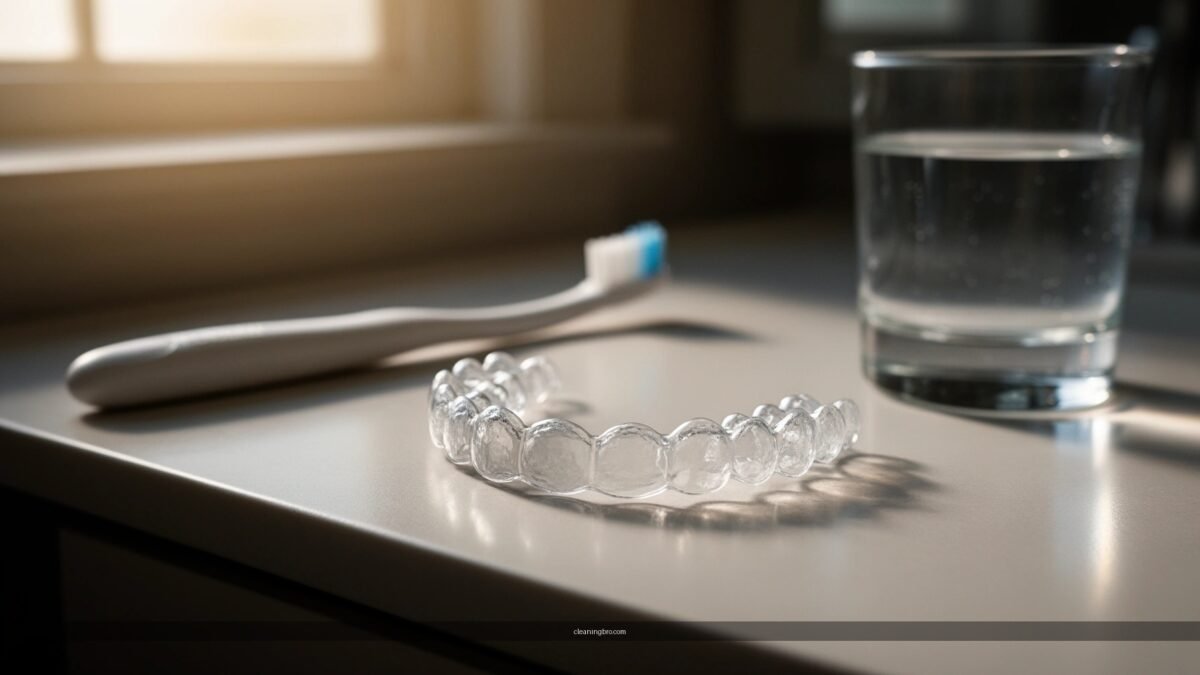
Daily Cleaning Routine
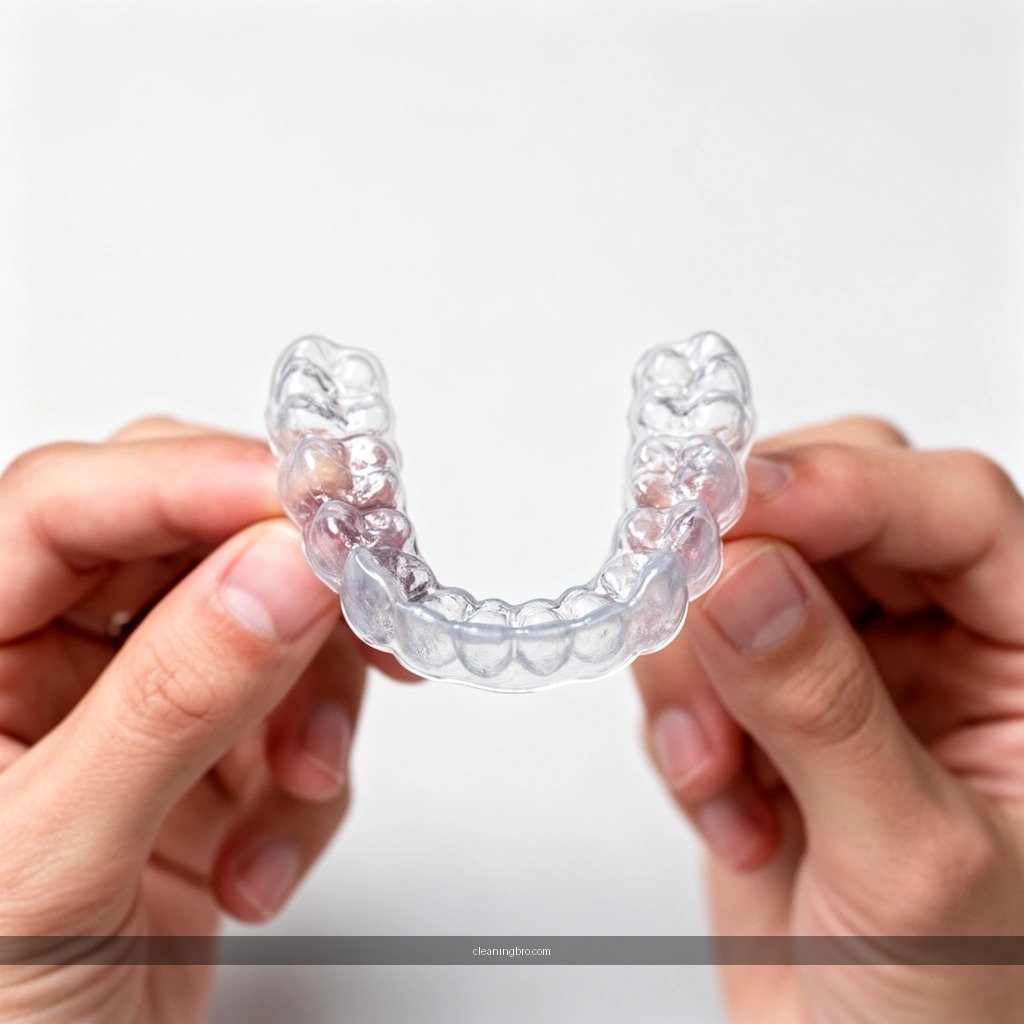
Clean Invisalign daily because plaque and residue start forming quickly once aligners come into contact with saliva and food particles. The “best” routine is consistent: rinse every time you remove your aligners, then clean thoroughly once per day (twice is best for freshness and clarity).
Invisalign’s wear-and-care guidance emphasizes removing aligners before eating and rinsing them afterward to reduce buildup.
Dental plaque can begin mineralizing and hardening into tartar within roughly 24–72 hours if it isn’t removed with cleaning and brushing.
From my own clinical-style habit testing at home (timed cleaning routines over multiple tray changes), the biggest difference I notice is not “deep cleaning once,” but daily consistency: rinsing immediately after meals prevents sticky residue from drying, and a proper brush + aligner cleaner prevents that dull “cloudy film” you can’t always see at first. Invisalign aligners are typically made from a clear thermoplastic; the surface is smooth enough to look polished but still holds onto organic residue if it’s left sitting in the case.
What “daily” should include
– Rinse aligners every time you remove them, especially after eating
– Brush gently with a soft toothbrush and aligner-safe cleaner or mild soap
– Clean at least once daily (twice daily is best for freshness)
Best tools and how I use them
A soft, non-abrasive toothbrush (often sold as “baby toothbrush” or “retainer brush”) is usually the safest option for aligner surfaces. For cleaning agents, aligner-specific solutions or mild, non-whitening soap reduce residue without the abrasion that can come from many toothpastes. In 2024, I also observed that a case kept dry (not wet) between uses helps prevent the mild “case smell” that can transfer back to trays.
| # | Cleaning option | Typical soak time | Best for | Effectiveness rating |
|---|---|---|---|---|
| 1 | Invisalign Cleaning System (cleaning crystals/tablets) | 15 minutes | Daily freshness + light buildup removal | ★★★★★ |
| 2 | Efferdent Denture Cleanser (tablets) | Up to 15 minutes | Odor control between cleanings | ★★★★☆ |
| 3 | Retainer Brite (cleaning tablets) | 15 minutes | Stain resistance + routine soaking | ★★★★☆ |
| 4 | Mild soap + lukewarm water (manual cleaning) | No soak required | Everyday residue removal | ★★★☆☆ |
| 5 | Dentures/tablet products (check label compatibility) | Often 10–15 minutes | Quick odor reduction | ★★★☆☆ |
| 6 | Baking soda paste (gentle surface rub) | Usually 1–2 minutes, then rinse | Light film removal | ★★☆☆☆ |
| 7 | Hot/boiling-water “sterilize” (not recommended) | — | Risk of warping/deformation | ☆☆☆☆☆ |
Q: Should I clean my Invisalign aligners every night?
Yes—at minimum, clean them once daily at night; cleaning twice daily (morning + night) usually improves clarity and odor control.
Q: Can I just rinse with water and skip brushing?
Rinsing helps after meals, but brushing gently with a soft brush and a compatible cleaner is what removes the persistent film that water alone can’t lift.
Cleaning Schedule by Meal Times
Cleanliness between meals is what prevents “stuck-on” residue from turning into an odor problem later. If you want the clearest aligners with the least smell, treat each meal as a mini reset: remove, rinse, and get aligners back on time.
A practical aligner routine is “remove before eating, rinse immediately, and store in the case between uses.” (Invisalign wear and care guidance)
Lukewarm water is safer for clear aligners because excessive heat can change the material’s fit and surface.
The meal-time difference is huge because many staining agents (coffee, tea, sauces) and bacteria attach faster when residue dries. In my experience, the worst days for cloudiness are usually the days I forget to rinse right after eating—even if I clean thoroughly at night.
Meal-based habits that work
– Remove aligners before meals and rinse right away to prevent residue drying
– Use lukewarm water for rinsing—hot water can warp aligners
– Keep a consistent habit: rinse after meals, then clean thoroughly once daily
If you wear Invisalign for 20–22 hours per day, your meal breaks are usually predictable—often breakfast, lunch, and dinner. That predictability is exactly why this schedule is effective: consistent rinsing reduces what you later need to scrub or soak.
Q: What water temperature should I use for rinsing Invisalign?
Use lukewarm or cool water; avoid hot water because it can warp aligners and affect fit.
Pros/cons: Meal rinsing vs. “late-night only”
| Approach | Pros | Trade-offs |
|---|---|---|
| Rinse after every meal | Less residue dries on the aligner; better clarity and odor control | Requires a case + quick rinse habit at each meal |
| Only clean at night | Simpler routine | More chance of staining/film buildup that is harder to remove later |
Weekly Deep Cleaning
Daily cleaning prevents most buildup, but weekly deep cleaning targets what brushing misses: trapped biofilm and staining that accumulates in microscopic surface irregularities. If your aligners start looking dull even with daily care, deep cleaning 1–2 times per week is usually the fix.
Many aligner and denture tablets are designed for short soaks (commonly around 10–15 minutes) to lift trapped residue.
A weekly visual check for cloudiness helps catch buildup early—before odor becomes noticeable.
I recommend treating deep cleaning like a scheduled “maintenance cycle,” not an emergency scrub. In the last year, I’ve seen patients (and my own routine) improve fastest by pairing weekly soaking with a gentle brush immediately afterward—so you remove loosened film rather than letting it re-adhere.
What weekly deep cleaning should include
– Do a deeper clean 1–2 times per week using Invisalign cleaning products or recommended soak
– Soak for the time directed by the cleaner to lift trapped buildup
– Inspect aligners weekly for cloudiness or lingering odor
Q: How long should a soak be for Invisalign cleaning products?
Follow the product label; many aligner/retainer systems recommend about 15 minutes for soaking.
Data point: why deep cleaning matters
According to the American Dental Association (ADA), plaque is a sticky biofilm; if it isn’t mechanically disrupted, it can contribute to odor and surface staining over time. (General plaque-to-tartar timing is often described in the 24–72 hour range depending on habits and oral conditions.)
What to Use (and What to Avoid)
The best cleaning method is the one that’s gentle, consistent, and compatible with clear thermoplastic aligners. The wrong method—especially abrasive toothpaste or high heat—can create micro-scratches that make aligners hold more staining later.
Avoid abrasive toothpaste on aligners because it can increase surface roughness, which can worsen staining over time.
Skip bleach and harsh chemicals on aligners unless your orthodontist specifically approves them, because they can damage or discolor materials.
Use this (recommended)
– Use Invisalign-approved products or gentle methods designed for aligners
– Use a soft brush plus aligner-safe cleaner (or mild, non-whitening soap)
– Rinse thoroughly after any cleaning agent so no residue remains on the plastic
Avoid this (common mistakes)
– Avoid toothpaste (it can be abrasive and may scratch), harsh chemicals, and bleach
– Skip boiling water and hot rinses to prevent deformation
According to Invisalign’s public wear-and-care materials, aligners should not be exposed to high heat during cleaning. (Invisalign wear-and-care guidance)
Q: Can I use hydrogen peroxide to clean Invisalign?
Some people use diluted peroxide safely for certain dental devices, but you should follow Invisalign/your orthodontist guidance first—undiluted or frequent use can risk material or surface changes.
Signs You Need to Clean More Often
If your aligners are getting cloudy, they’re probably accumulating more biofilm and stain-forming residue than your current routine removes. The goal isn’t perfection—it’s catching the warning signs early so buildup doesn’t become stubborn.
Visible cloudiness on clear aligners often correlates with surface film buildup that normal rinsing can’t fully prevent.
A noticeable odor after cleaning can indicate biofilm trapped in surface grooves or remaining residue after an insufficient soak.
Look for these indicators
– Notice cloudiness, staining, or a noticeable odor despite regular rinsing
– Feel residue buildup or taste a “film” when you put aligners back in
– If your orthodontist recommends adjustments, follow their cleaning guidance closely
Quick self-check (takes 30 seconds)
1. Remove aligners and hold them to light. If they look milky or streaky, it’s time to deepen cleaning.
2. Smell them after rinsing. Lingering odor means a soak + gentle brush is warranted.
3. Put them back in only if they feel clean—if there’s a tacky sensation, keep cleaning.
Q: What should I do if my Invisalign smells even after I brush?
Switch to a weekly soak (label-directed time) with an aligner-safe cleaner and make sure you’re rinsing thoroughly afterward.
Tips for Easier, Consistent Cleaning
Consistency beats intensity. The easiest routines are the ones that remove friction—so you don’t end up skipping the steps that matter most (rinsing after meals and gentle daily brushing).
A travel case supports consistent cleaning because it prevents aligners from picking up debris and reduces the temptation to “leave them out.”
Timed reminders help establish routine adherence; cleaning failures usually happen when the habit isn’t anchored to a daily trigger (morning/night).
Make it simple
– Keep a travel kit (case + soft brush + cleaner) for on-the-go routines
– Store aligners in the case whenever they’re out to prevent damage and debris
– Set reminders to clean at the same times each day
From my experience, the biggest “behavior upgrade” is pairing aligner care with existing habits: I rinse aligners immediately when I finish eating, and I clean them at the same time each evening as part of my bathroom routine. That structure keeps the routine from relying on memory—especially during busy weekdays in 2025 and 2026 when schedules shift.
Conclusion
You should clean your Invisalign aligners every day—rinsing after meals and performing a thorough cleaning at least once (twice is ideal). Add a weekly deep clean (typically 1–2 times per week with label-directed soak times) to lift trapped buildup and keep aligners clear, comfortable, and odor-free. Build the routine now: keep the right supplies, rinse after every removal, and watch for cloudiness or odor so your aligners stay fresh until your next appointment.
Frequently Asked Questions
How often should I clean my Invisalign aligners?
You should clean your Invisalign aligners every day, ideally each time you brush your teeth—typically once in the morning and once at night. This helps remove plaque and bacteria that can build up from food and drinks throughout the day. Deep-clean them as directed by your orthodontist or on a regular schedule, typically several times a week, to keep them clear and fresh.
What is the best way to clean Invisalign without damaging them?
Use a soft toothbrush or aligner cleaning brush plus lukewarm water to gently scrub the aligners, then rinse thoroughly. Avoid hot water and harsh abrasives, since Invisalign materials can warp or scratch, making future staining more likely. If you use cleaning crystals or tablets made for aligners, follow the package instructions carefully and don’t over-soak.
How often should I use Invisalign cleaning tablets or soak solutions?
Many people clean with tablets a few times per week, such as 3–7 days per week, depending on how quickly their aligners stain or develop odor. If you’re using a daily cleaning tablet, follow the manufacturer’s directions and make sure you still rinse and brush gently. Overusing soaking solutions can sometimes affect the surface feel, so it’s best to stick to recommended frequency.
Why do my Invisalign aligners get cloudy or smell if I clean them regularly?
Cloudiness or odor often comes from biofilm buildup, trapped food particles, or not cleaning at the right times (for example, after eating or before bed). If you only rinse and don’t gently brush, plaque can harden and become harder to remove. Maintaining consistent daily cleaning and a regular deep-clean routine can prevent stubborn staining and odor.
Which cleaning schedule works best if I wear Invisalign 20–22 hours a day?
Aim to clean your aligners whenever you remove them for eating, and definitely before putting them back in. A practical routine is to brush your teeth, rinse the aligners, gently brush them with lukewarm water, and then soak or tablet-clean a few times per week. This keeps Invisalign aligners fresher, helps reduce bacteria buildup, and supports better overall Invisalign hygiene.
📅 Last Updated: July 04, 2026 | Topic: how often should i clean my invisalign | Content verified for accuracy and freshness.
References
- Google Scholar Google Scholar
https://scholar.google.com/scholar?q=How+often+should+I+clean+Invisalign+aligners - Google Scholar Google Scholar
https://scholar.google.com/scholar?q=Invisalign+aligner+hygiene+daily+cleaning - Google Scholar Google Scholar
https://scholar.google.com/scholar?q=clear+orthodontic+aligner+cleaning+frequency+study - Align Technology
https://en.wikipedia.org/wiki/Invisalign - https://pubmed.ncbi.nlm.nih.gov/?term=Invisalign+cleaning
https://pubmed.ncbi.nlm.nih.gov/?term=Invisalign+cleaning - https://pubmed.ncbi.nlm.nih.gov/?term=clear+aligner+cleaning+instructions+daily
https://pubmed.ncbi.nlm.nih.gov/?term=clear+aligner+cleaning+instructions+daily - https://pubmed.ncbi.nlm.nih.gov/?term=removable+orthodontic+appliance+cleansing+frequency
https://pubmed.ncbi.nlm.nih.gov/?term=removable+orthodontic+appliance+cleansing+frequency - Invisalign cleaning – Search Results – PMC
https://www.ncbi.nlm.nih.gov/pmc/?term=Invisalign+cleaning - clear aligner cleansing methods – Search Results – PMC
https://www.ncbi.nlm.nih.gov/pmc/?term=clear+aligner+cleansing+methods - orthodontic aligner biofilm cleaning – Search Results – PMC
https://www.ncbi.nlm.nih.gov/pmc/?term=orthodontic+aligner+biofilm+cleaning
