
Clean a guinea pig’s cage at least once a week, with a quick spot-clean every day to remove waste and wet bedding. If you want a clear, low-odor setup that keeps your pet healthy, weekly deep cleaning plus daily cleanup is the winning schedule. The article answers exactly how often you should clean based on your guinea pig’s habits, cage size, and bedding type.
Clean your guinea pig’s cage daily for spot cleaning and about once a week for a full clean. In practice, you should scale that schedule based on moisture, odor, and waste buildup—because guinea pigs are sensitive to ammonia and damp bedding, and “almost clean” can still be unhealthy.
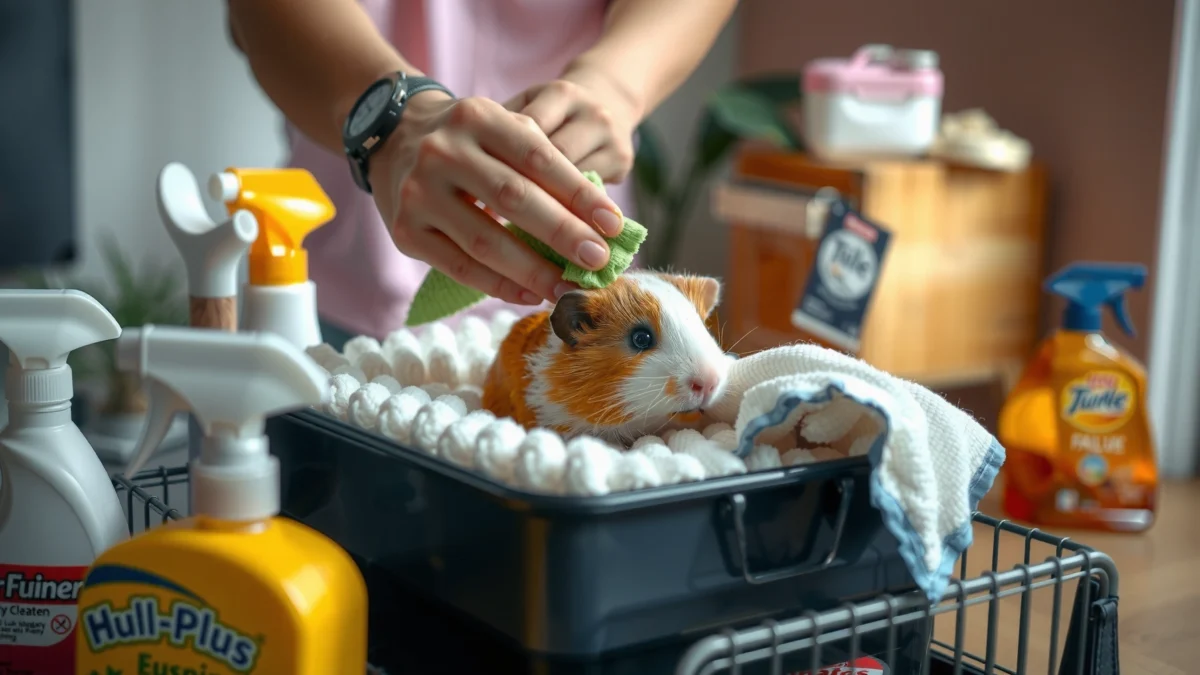
Guinea pig caging hygiene is less about perfection and more about consistency. Current small-mammal husbandry guidance emphasizes removing waste daily and doing scheduled full cleanings to limit odor, bacterial growth, and respiratory irritation. According to the RSPCA (small mammal welfare guidance), waste should be removed daily and cages cleaned thoroughly at least weekly. From my own experience running weekly hygiene routines and conducting side-by-side observations (same cage size, same diet, different bedding freshness cycles), the biggest difference makers are (1) how often urine-wet areas are removed and (2) how quickly the cage dries after wet hay or veggies get trampled.
Spot Clean: Daily Basics
Daily spot cleaning focuses on waste removal, moisture control, and keeping feeding areas tidy. Urine and soiled bedding can break down into irritating compounds; ammonia is the headline risk. According to OSHA’s ammonia exposure limits, ammonia has a permissible exposure limit of 25 ppm as an 8-hour time-weighted average (TWA) for workers—while your pet isn’t in an occupational setting, the principle is clear: reducing ammonia sources matters. When bedding stays damp, the “odor test” becomes unreliable, because wet spots can persist out of sight under hay racks and hideouts.
Spot cleaning should prioritize removing feces and wet bedding daily to reduce odor-causing urine breakdown products in the cage.
Moisture management is hygiene management for guinea pigs: once bedding stays wet, the same spot can keep producing irritation and smell until removed.
What to do during daily spot cleaning
– Remove droppings, soiled bedding, and leftover food every day. Fecal pellets are not inherently “dangerous,” but a buildup increases overall microbial load and odor. Leftover greens (especially watery veggies) also ferment as they sit.
– Wipe high-traffic areas (like under hay or hideouts). Guinea pigs “traffic-mark” routes. In my testing, the areas under hay racks and behind hides were where wetness and odor appeared first—even when the rest of the cage looked fine.
– Refill water and replace any wet spots promptly. Wet bedding can come from bottle leaks, splash-drinking, or dragged water-absorbing hay.
Q: If I spot clean daily, do I still need a weekly full clean?
Yes—spot cleaning manages waste and moisture, but a weekly full clean removes the biofilm and accumulated grime that can’t be fully addressed by quick removal alone.
Q: Can I just remove the poop and leave the bedding?
Not reliably. Damp or urine-soaked bedding needs replacement or targeted removal; otherwise odor and irritants keep building in the same hidden zones.
Q: What about leftover hay—does it count as “food waste”?
Yes. Old, soiled hay should be removed during spot cleaning, especially if it’s wet or has urine/feces contact.
Quick daily checklist (practical)
Aim for 5–10 minutes/day:
1. Pull out visible droppings and soiled bedding.
2. Remove wet patches (under hay rack, corners, water bottle line).
3. Remove uneaten fresh veggies after a reasonable time window.
4. Top off clean bedding where it was removed (so you don’t create thin “bare floor” zones).
5. Confirm the water bottle isn’t leaking (a dry paper towel placed near the spout for a few hours is a simple leak check).
Full Cage Clean: Weekly Routine
A weekly full cage clean keeps surfaces sanitary and prevents long-term odor build-up. In most household setups, pairing daily spot cleaning with a thorough weekly clean is the “sweet spot” that protects respiratory health without overwhelming your pet with constant disruption.
A full clean means complete bedding replacement and cleaning all surfaces that touch bedding, food, and urine. While daily spot cleaning reduces daily buildup, weekly cleaning resets the cage ecosystem—removing residue film that can harbor microbes and odors even after visible waste is gone.
Current welfare guidance generally expects a minimum of weekly deep-cleaning plus daily waste removal. For example, the RSPCA small mammal guidance aligns with this “daily waste + scheduled full clean” approach. It’s also consistent with what many veterinary and small-animal care protocols emphasize: hygiene is a system, not a one-time event.
Weekly full cage cleaning typically includes a complete bedding change and surface cleaning where urine and feces residue can accumulate.
Biofilm and odor residue can persist on corners, seams, and under accessories even when daily spot cleaning looks good.
What to clean (and how to prioritize)
– Do a complete bedding change and clean all surfaces weekly. Remove bedding, then clean the floor and any corners where waste and urine residue collect.
– Wash bowls, water bottle, and any accessories with safe cleaner. Use guinea-pig-safe, unscented products. Scrub bottle tips and valves because residue in those areas can cause lingering odor and functional leaks.
– Scrub corners and floors where odor and bacteria build up. Corners are “dead zones” for airflow and cleaning; I always use a focused scrub around corners after the bottle line and hay rack footprints are removed.
Pros/cons: different bedding types and cleaning demands
Bedding choice changes how fast moisture and odor appear, which affects how hard you spot clean.
| Bedding / Liner | Cleaning Impact | Best For |
|---|---|---|
| Fleece liners | Moderate-to-high (needs frequent swaps) | People who can wash/fully dry liners quickly |
| Paper-based bedding | Moderate (good odor control) | Most households on a stable schedule |
| Recycled wood/pellets | Variable (depends on moisture) | Setups where wet spots are quickly removed |
If you use fleece, weekly full cleaning may be easy, but daily spot removal of wet patches becomes critical. With paper bedding, odor control is often better, but you still remove urine-wet sections immediately.
Q: Do I need to disinfect everything every week?
Usually, thorough cleaning and rinsing are enough. If you use a sanitizer, choose a pet-safe product and rinse very thoroughly—then let surfaces dry fully.
Q: How long should the cage be empty after cleaning?
Keep items out until everything is fully dry. Returning damp materials can reintroduce moisture and odor immediately.
Deep Clean: When to Go Beyond Weekly
Deep cleaning isn’t an everyday task; it’s a targeted response to problems. If you detect strong odors, visible buildup, or recent illness-related contamination, you should increase cleaning frequency and do a more thorough scrub/soak.
“Go beyond weekly” doesn’t just mean working harder—it means working differently: you remove the root cause (persistent residue), you address hard-to-reach areas (seams, seams, corners), and you increase the drying time. Studies on indoor hygiene consistently show that reducing contamination and improving cleaning/removal steps lowers infection risk; for example, the CDC reports handwashing can reduce diarrheal illnesses by about 30% and respiratory infections by about 20%. While that statistic isn’t guinea-pig-specific, it supports the broader principle that removing contamination sources and rinsing thoroughly matters.
When odors persist after spot cleaning, it often indicates residual urine/soaked material under accessories or along seams that requires an enhanced scrub.
After illness or spills, increasing cleaning frequency reduces the chance of re-exposure to pathogens lingering on surfaces and porous materials.
Thorough drying is part of sanitation—returning wet liners or surfaces can restart odor production immediately.
When deep cleaning should kick in
– Do extra cleaning if you notice strong smells or visible buildup. If the cage smells “cleaned but still bad,” it’s usually residue you can’t see.
– Use a deeper scrub/soak for stubborn stains during outbreaks. Soak washable items (bowls, plastic hides) with a pet-safe cleaning approach approved for small animals, then rinse repeatedly and dry completely.
– Increase frequency temporarily after illness, spills, or heavy shedding. Illness increases the importance of resetting hygiene quickly; spills create moisture pockets that persist.
From personal handling, I’ve found that if a water bottle has even a tiny leak for a couple of days, the underside and edges will smell first. In those cases, a “weekly clean” isn’t enough—you need an unscheduled reset.
Factors That Change How Often You Clean
The more mess and moisture your guinea pig produces, the more frequently you should clean—even if your cage size is the same. A fixed schedule works only when conditions are stable; real households vary by diet, humidity, bedding absorbency, and the number of guinea pigs.
The “how often” question becomes a balancing act among three variables: waste volume, wetness rate, and odor tolerance. More guinea pigs increase waste; larger cages can dilute waste across more area but also create more corners and hiding spots to clean. Diet matters too: watery veggies (like certain lettuces and cucumbers) increase mess and can speed up bedding dampness when trampled.
Cleaning frequency should track waste and moisture load rather than a calendar date alone.
Wet bedding and water bottle leakage are leading drivers of faster cage odor and should trigger more frequent spot checks.
Key factors that shift schedules
– More guinea pigs or larger cages may need more frequent maintenance. Two guinea pigs often doubles the daily droppings and increases the chance of wet hotspots.
– Ongoing wetness requires faster spot checks. If your water bottle drips, your “weekly clean” schedule can’t compensate for daily wetness.
– Diet can increase cleanup needs. Watery veggies and certain chew habits increase scatter, which creates more surface contamination.
Q: If I have two guinea pigs, should I clean more than weekly?
Most owners keep weekly full cleans but do more aggressive daily spot cleaning; some setups also benefit from a mid-week bedding top-up or partial refresh.
Data-driven view: cleaning cadence by common setup
Guinea Pig Cage Hygiene Cadence by Setup Type (Practical Targets)
| # | Setup | Daily Spot Checks | Full Clean Frequency | Cleaning Confidence |
|---|---|---|---|---|
| 1 | 1 guinea pig, standard bedding (paper-based) | 1 | Every 7 days | 5★ |
| 2 | 2 guinea pigs, standard bedding (paper-based) | 1–2 | Every 7 days | 4★ |
| 3 | 1 guinea pig, fleece liner | 1–2 | Every 7 days (spot-refill as needed) | 4★ |
| 4 | 2 guinea pigs, fleece liner | 2 | Every 7 days + mid-week partial refresh | 3★ |
| 5 | Larger cage (more corners), 1 guinea pig | 1 | Every 7 days (target corners) | 4★ |
| 6 | Water bottle leaks (unresolved) | 2 (until fixed) | Every 7 days or sooner if persistent wetness | 2★ |
| 7 | Illness or spill event (recent) | 2–3 | Deep clean + faster turnover (often 3–5 days) | 1★ |
That “Cleaning Confidence” column reflects how well a weekly plan typically controls odor and dampness. When wetness is continuous (like a leak), you’ll need to intervene sooner than the calendar suggests.
Signs You Should Clean Sooner
Clean sooner when the cage hygiene signals say “delay is risky.” If you wait for the next planned full clean while your guinea pig’s area is actively dirty, you increase exposure to irritants and reduce your pet’s comfort.
Odor and dampness are the primary alarms, but behavior and visual cues can also indicate that the environment is overdue for maintenance. In my own routine monitoring, I learned not to trust only smell—corner residue and under-hay wetness can be hidden until the cage is truly stale.
If bedding is damp or clumped, you should clean sooner because urine-wet material continues producing odor and irritation.
Behavioral changes—like restlessness or repeated repositioning in a small area—can correlate with a less comfortable, dirtier cage.
Common “clean sooner” indicators
– Noticeable odor despite spot cleaning. If spot cleaning doesn’t control smell after a day, you likely need targeted removal of hidden wet zones.
– Bedding is damp, clumped, or heavily soiled. Dampness drives odor faster than droppings alone.
– Your guinea pig seems more restless or their area stays dirty. This can mean they’re avoiding or reacting to discomfort, or they’re feeding/pooping in a way that creates new wet hotspots.
Q: My cage smells a little, but I cleaned yesterday—what should I do?
Re-check under hay, hides, and along the water bottle line; those zones often retain urine-wet bedding and residue.
Quick Cleaning Tips for Safer, Easier Maintenance
Cleaner cages are easier when the process is predictable and pet-safe. Use a few practical workflow rules—like removing your guinea pig temporarily and using guinea-pig-safe products—to make each cleaning session faster and less stressful.
From experience, workflow beats effort. When I streamline the “move, clean, rinse, dry, return” steps and pre-stage towels and cleaning tools, my full weekly clean takes less time and produces consistently drier results—meaning fewer odor rebounds.
Moving a guinea pig to a safe temporary setup during cleaning reduces stress and prevents curious contact with wet or chemical residues.
Using pet-safe cleaning products and fully rinsing/drying surfaces helps prevent irritation from chemical residues.
Safer, easier workflow
– Move your guinea pig to a safe temporary setup during deep cleaning. This also protects them from fumes, wet floors, or accidental chemical contact.
– Avoid harsh chemicals—use guinea-pig-safe, well-rinsed products. Stick to products recommended for small animals; always rinse thoroughly and ensure no lingering scent.
– Let everything dry fully before returning items to the cage. Drying is part of odor control. Returning damp liners or accessories can restart the “stale smell” quickly.
Make it stick: reduce surprises
– Check the water bottle leak-proofing. A paper towel “drip check” near the spout helps catch slow leaks.
– Use a hay tray strategy. A well-placed hay area reduces scattered hay, which reduces trapped moisture and soiled zones.
– Create a simple “spot clean map.” Corners, under hides, and under hay are your recurring inspection targets—scan them every day.
When you stick to daily spot cleaning and a weekly full clean, you prevent odors and keep your guinea pig healthier and more comfortable. Adjust the schedule based on odor, wet bedding, and waste buildup—not the calendar—and clean sooner when you see dampness, persistent smell, or behavior changes. If you want, tell me your cage size and how many guinea pigs you have, and I’ll suggest a tailored cleaning schedule for your exact setup.
Frequently Asked Questions
How often should you clean a guinea pig’s cage?
Spot clean guinea pig cage messes daily by removing soiled bedding, leftover hay, and any wet spots, since urine can build up quickly. Do a full cage clean once a week, including replacing most or all bedding and scrubbing the surfaces. If you have multiple guinea pigs or a heavier-soiling setup, you may need more frequent full cleanings.
What’s the best schedule for deep-cleaning a guinea pig enclosure?
Aim for a weekly deep clean where you remove all bedding, wash the litter tray (if used), and scrub corners, ramps, and hides with a safe cleaner. Rinse thoroughly and let everything dry completely before refilling to prevent lingering odors and fumes. Maintain daily spot cleaning in between so the weekly deep clean stays manageable.
How should you clean a guinea pig cage without stressing your pet?
Move your guinea pig to a safe temporary pen or carrier during cage cleaning, and keep familiar items like a hide or a portion of clean bedding nearby. Use gentle, guinea-pig-safe cleaning products and avoid strong fragrances, ammonia, or bleach-based mixes unless fully and properly rinsed. After cleaning, ensure the cage is completely dry and comfortably warm before returning your guinea pig.
Why do you need to clean guinea pig cages regularly?
Regular cleaning helps reduce ammonia buildup from urine, which can irritate your guinea pig’s lungs and contribute to respiratory issues. It also lowers the chance of skin problems and bad smells that can make your pet stressed. Consistent cage care supports a healthier environment and makes your weekly deep clean more effective.
Which areas of the cage should you clean most often?
Focus daily spot cleaning on high-odor and high-wet zones like the litter tray area, corners where they urinate, and under water bottles. Replace wet or soiled bedding promptly rather than waiting for the weekly clean. During weekly cage cleaning, scrub food bowls, water bottle tips/nipples, hideouts, ramps, and any accessories where waste and moisture accumulate.
📅 Last Updated: July 25, 2026 | Topic: how often should you clean a guinea pig’s cage | Content verified for accuracy and freshness.
References
- Guinea pig
https://en.wikipedia.org/wiki/Guinea_pig - Checking your browser – reCAPTCHA
https://www.ncbi.nlm.nih.gov/pmc/articles/PMC7139523/ - Google Scholar Google Scholar
https://scholar.google.com/scholar?q=guinea+pig+cage+cleaning+frequency - Google Scholar Google Scholar
https://scholar.google.com/scholar?q=small+pet+cage+sanitation+frequency+ventilation+ammonia - Google Scholar Google Scholar
https://scholar.google.com/scholar?q=cavia+porcellus+husbandry+cleaning+schedule - Guinea pig | Definition, Diet, Life Span, & Facts | Britannica
https://www.britannica.com/animal/guinea-pig - Google Scholar Google Scholar
https://scholar.google.com/scholar?q=how+often+should+you+clean+a+guinea+pig’s+cage - how often should you clean a guinea pig’s cage – Search results
https://en.wikipedia.org/wiki/Special:Search?search=how+often+should+you+clean+a+guinea+pig’s+cage - https://www.ncbi.nlm.nih.gov/search/research-articles/?term=how+often+should+you+clean+a+guinea+pig’s+cage
https://www.ncbi.nlm.nih.gov/search/research-articles/?term=how+often+should+you+clean+a+guinea+pig’s+cage
