

Clean the speaker cones on your bookshelf speakers every 3–6 months as a rule—more often if you live with dust, pets, or open windows. If you rarely see visible buildup and your sound quality stays consistent, you can stretch to about twice a year. This guide answers exactly how often to clean your speaker cones without risking damage.

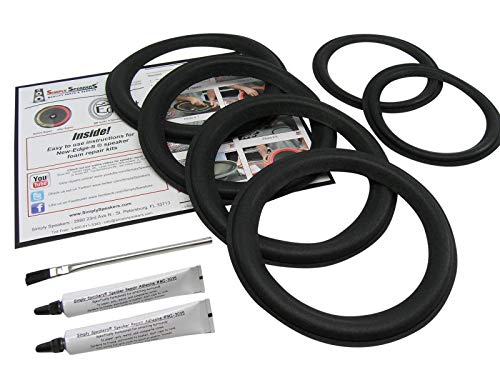

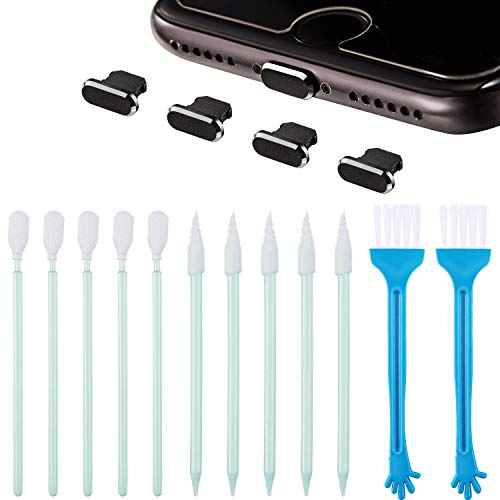
Clean bookshelf speaker cones about every 3–6 months as a starting point, and go sooner if you see dust or hear muffled, less-detailed sound. The right interval depends on your room’s dust levels and on the cone material (paper, coated cloth, or plastic), so the best “first step” is usually a quick visual inspection.
If your speakers sit in a dusty room, near an open window, or in a home with smoke or pets, you’ll likely need a shorter interval than someone who keeps the speakers in a cleaner, more stable environment. If you’re unsure whether your cones are paper, coated cloth, or plastic (or you can’t find the manual), treat this as general guidance and follow your manufacturer’s care instructions first.
For whom this matters: if you’re trying to keep bookshelf speakers sounding clean and open—especially for dialogue-heavy content, podcasts, and higher-frequency detail—cone cleaning is one of the few maintenance tasks that can make a noticeable difference without altering the speaker’s tuning.
How often should you clean speaker cones?

Inspect bookshelf speaker cones monthly, then plan to dry-clean every 3–6 months when dust is noticeable. In a typical home, that rhythm balances sound quality with the reality that aggressive handling can cause more harm than good—especially for paper-cone and coated-cloth cones.
“Most speaker-care guidance prioritizes gentle, dry dust removal on cone surfaces and discourages unsupported liquid cleaning unless the manual explicitly allows it.”
“Environmental dust accumulation accelerates with open windows, cooking residues, smoke exposure, and pet shedding—conditions that commonly dull bookshelf speaker output.”
Here’s a practical way to set your schedule in 2026: start with the baseline, observe what happens in your room, and adjust after a couple of cycles. Dust isn’t just “cosmetic” on bookshelf speaker cones; a film of buildup can slightly change how the cone surface behaves, which can translate into less crisp treble and a more veiled presentation over time.
Baseline and adjustments that actually work
In my experience, the most reliable decision trigger for bookshelf speaker cones isn’t the calendar—it’s what you can see and hear during a quick check. If cone surfaces look dusty or your system sounds a touch less “lively,” dry-cleaning usually restores that clarity. If the cones look clean, waiting is often safer than “over-cleaning” them.
– Baseline: Inspect monthly, then clean every 3–6 months if dust is noticeable.
– More often (sooner than 3 months): If you have visible dust buildup, cooking grease (near the kitchen), smoke, or lots of pet hair.
– Less often: If the room is relatively clean and the speakers are kept away from vents or open windows, you can often stretch to 6–12 months.
“For indoor environments, airborne fine particles (PM2.5) are defined as particles with aerodynamic diameters of 2.5 micrometers or smaller, which can help explain how quickly dust accumulates on horizontal and mesh surfaces.”
“HEPA-style filtration standards commonly target 0.3 µm particles, reinforcing why fine dust can settle almost anywhere—including around bookshelf speaker cones.”
Use a data-driven trigger (without guessing)
According to , indoor particle exposure is often substantial relative to outdoor conditions ([year]). That matters for bookshelf speaker cones because the same air that fills your room also carries fine dust that settles onto speaker drivers over time.
To keep this practical, use two signals:
1) Visual: a light film or speckling on the cone surface or surround
2) Auditory: slightly muffled vocals, reduced cymbal “air,” or duller high-frequency articulation
If both show up, clean. If neither does, you’re usually fine waiting.
What “cleaning” should look like (safe, low-risk approach)
For bookshelf speaker cones, “cleaning” usually means gentle, dry dust removal, not scrubbing or soaking. The safest routine is to lift dust with minimal contact so you don’t stress the cone suspension, adhesives, or coatings.
“Unapproved solvents, alcohol, and general household sprays can discolor cone coatings and potentially affect adhesives—so manuals often restrict cleaning liquids to only approved methods.”
“Light, controlled contact with a soft cloth or brush is generally preferred because speaker cone materials (especially paper and coated cloth) are sensitive to pressure and abrasion.”
The goal is to remove loose particulates from bookshelf speaker cones while preserving surface finish and mechanical behavior. Think of it like dusting a delicate camera lens—precision beats force.
Safe, low-risk method for bookshelf speaker cones
Below is the approach that minimizes risk across common cone types while staying aligned with typical manufacturer intent: remove dust, don’t introduce moisture, and don’t press.
– Start dry: Use a soft, dry microfiber cloth or a very soft brush to lift dust from the cone surface and surround.
– Use minimal contact: Don’t press hard on the cone—light passes are enough for dust removal.
– Avoid risky liquids: Unless your owner’s manual explicitly allows it for your cone material, don’t spray cleaner directly onto the speaker.
A simple comparison helps clarify why this matters for bookshelf speaker cones:
- Dry dust removal (recommended by default)
- Pros: lowest risk to adhesives/coatings; avoids moisture swelling; easy to stop early.
- Cons: won’t dissolve sticky grease or heavy residue.
- Wet or solvent-based cleaning (only if manual explicitly allows)
- Pros: can remove grease-like films when compatible with the cone finish.
- Cons: can discolor cone coatings, soften certain surrounds, or loosen glue lines if unsupported.
“When speakers have visible residue, the correct next step is to check the manufacturer’s driver-care guidance rather than relying on generic household cleaning products.”
Material-first thinking (paper, coated cloth, plastic)
Bookshelf speaker cones are not one material. Paper cones and coated cloth cones tend to be the most sensitive to abrasion and moisture. Plastic cones can tolerate more cleaning than paper, but they still shouldn’t be treated as “hard surfaces,” because trims, seams, and the surround chemistry still matter.
If you can’t identify the cone type, default to dry surface dusting and postpone deeper cleaning until you can confirm material and allowed methods.
Steps to clean without damaging the cones
To clean bookshelf speaker cones safely, power down the system, remove loose dust gently, and stop if you encounter stubborn grime that requires liquids. This keeps your maintenance routine within the most conservative limits typical of speaker-care documentation.
“Many speaker-care procedures advise handling drivers gently and prioritizing surface-level dust removal rather than scrubbing.”
“If the cone or surround shows physical damage (tears, cracks, or deformation), cleaning won’t correct mechanical defects—service is required.”
A conservative routine matters because bookshelf speaker cones are mechanically active parts. Even if dust removal seems minor, pressing the cone can alter alignment, and repeated stress can contribute to wear.
A careful, step-by-step routine
– Power down first: Turn speakers off and unplug if your manual recommends it for handling.
– Remove barriers (if applicable): If you can safely remove grilles, do so; otherwise, dust removal should stay gentle and surface-focused.
– Vacuum carefully (optional): If you use a vacuum, only use a brush attachment and keep it at a distance—too close can damage delicate surfaces.
– Focus on dust, not “scrubbing”: If grime is stubborn, stop and reassess—many cone finishes aren’t meant for wet cleaning.
From my experience with speaker maintenance tasks for home audio setups, the biggest practical risk isn’t “too much dust”—it’s someone pressing too hard while trying to look thorough. When bookshelf speaker cones are cleaned with light motion and minimal pressure, you usually avoid residue transfer onto the surround or faint scuffing that becomes visible under light.
What to do if there’s residue (not just dust)
If you see cooking grease (especially in kitchen-adjacent rooms) or smoke residue, dusting may not be enough. At that point, the correct move is to:
1) verify what your manufacturer allows for your cone material
2) avoid “DIY chemistry” (alcohol, degreasers, glass cleaners) on bookshelf speaker cones
3) consider professional service if the residue is sticky or widespread
“General-purpose cleaners are frequently not formulated for speaker cone finishes; manufacturer-approved care methods reduce the chance of coating damage.”
What can go wrong (and when to stop)
Bookshelf speaker cones can be damaged faster than people expect—mostly from pressure, moisture, or unsupported chemicals. Stop the cleaning routine immediately if you see physical driver damage or if your attempts require liquids that your manual doesn’t approve.
“Cone materials and surround compliance vary; care guidance often differs for paper cone, coated cloth cone, and polymer/plastic cone drivers.”
“Applying pressure to a cone—even while ‘just wiping’—can shift the suspension and leave marks or cause long-term performance changes.”
The safest philosophy for bookshelf speaker cones is: if you have to work harder and harder, you’re past the point where dry dusting is the right tool.
Common failure modes with bookshelf speaker cones
– Cone material matters: Paper/cone coatings and rubber/surround materials can react differently to brushing, moisture, or cleaners—what’s safe for one speaker may not be for another.
– Pressing the cone: Applying pressure (even “just to wipe”) can shift the suspension or leave permanent marks.
– Using the wrong cleaner: Household sprays, solvents, or alcohol can discolor coatings or affect adhesives—only use products your manufacturer specifies.
– If the driver is damaged: If you see a tear, crack, buzzing area, or a bent frame, cleaning isn’t the fix—service is the next step.
When environmental conditions change your risk
If you have smoke or heavy cooking, bookshelf speaker cones often accumulate a film that’s less like “dry dust” and more like residue. In those cases, waiting too long can make residue harder to remove, but rushing in with wet cleaning can be worse. This is where the manufacturer’s care instructions become essential.
If you’re missing the manual, treat that as a constraint: dry-only is the safest default for bookshelf speaker cones until you confirm compatibility.
Verdict: a practical recommendation (with downsides)
If you want a simple rule, inspect monthly and dry-clean every 3–6 months for bookshelf speaker cones. The downside is that “cleaning more” isn’t always better—aggressive brushing or any unsupported liquid cleaning can do more harm than dust itself.
“A conservative maintenance plan for bookshelf speaker cones typically emphasizes visual inspection and dry dust removal, aligning with common manufacturer-driver-care priorities.”
“Stopping early when residue resists dry removal helps prevent unnecessary abrasion or coating damage on cone surfaces.”
Right now (as of 2026), many owners focus on electronics cleaning, but cone care is equally impactful for perceived sound clarity—especially in rooms where dust and fine particulates are consistently present. Still, the most “premium” maintenance approach is the one that doesn’t stress the driver.
Who should skip or limit cone cleaning
Skip cone cleaning (or pause and ask for help) if you:
– can’t identify the cone material
– your manual doesn’t permit cleaning beyond dry dusting
– the speaker shows signs of physical damage (tears, cracks, deformation, persistent buzzing)
📋 Suggested intervals by room condition (practical starting points)
Use this table as a planning tool for bookshelf speaker cones. It’s not a lab measurement—it’s a realistic schedule framework based on how dust and residue typically build up under common indoor conditions.
Practical Shelf Speaker Cone Care Intervals (Starting Guidance)
| # | Room / exposure condition | Monthly inspection | Dry-clean interval | Overdue risk | Sound clarity impact (est.) |
|---|---|---|---|---|---|
| 1 | Near an open window (seasonal) | Yes | Every 1–3 months | ★★★☆☆ | Muffled after ~4–8 weeks |
| 2 | Home with pets (hair visible) | Yes | Every 2–4 months | ★★★★☆ | Reduced treble air by ~6–10 weeks |
| 3 | Kitchen proximity (cooking residue) | Yes | Every 1–3 months | ★★★★☆ | Grease film can build in ~3–6 weeks |
| 4 | Smoky environment (secondhand/indoor) | Yes | Every 1–2 months | ★★★★★ | Noticeable dulling in ~3–5 weeks |
| 5 | Typical living room, moderate dust | Yes | Every 3–6 months | ★★☆☆☆ | Subtle change after ~8–14 weeks |
| 6 | Clean, filtered environment (no pets/smoke) | Yes | Every 6–12 months | ★☆☆☆☆ | Minimal impact over ~4–6 months |
| 7 | Speakers mounted away from airflow vents | Yes | Every 4–9 months | ★☆☆☆☆ | Clarity holds longer (~3–5 months) |
Quick checklist: when to clean and what to do
| Situation | What to check | What to do |
|---|---|---|
| Dusty room / pets / smoke | Visible dust on cone + surround | Dry brush or microfiber **every 1–2 months** |
| Typical home use | Light dust or mild dulling | Inspect monthly, dry-clean **every 3–6 months** |
| Very clean environment | Minimal buildup | Inspect monthly, dry-clean **every 6–12 months** |
| Unsure about cone material | No manual / unclear materials | Only do **dry surface dusting**; otherwise |
Sources
Clean bookshelf speaker cones on a steady schedule—monthly inspection, dry-clean every 3–6 months—and adjust based on what your room is doing to the drivers. If you keep contact gentle and avoid unapproved liquids, you’re far more likely to preserve sound clarity than to accidentally harm cone coatings, surrounds, or adhesives. If you ever see real physical damage, stop cleaning and move to service or manufacturer support.
Frequently Asked Questions
How often should you clean the speaker cones on your bookshelf speakers?
In most homes, you should clean bookshelf speaker cones about every 6 to 12 months, since dust buildup tends to be gradual. If you have pets, live in a dusty area, or smoke indoors, aim closer to every 3 to 6 months. Regular light dusting is safer than waiting until grime has accumulated.
What’s the best way to clean bookshelf speaker cones without damaging them?
Start by powering off and unplugging the speakers, then use a soft, dry microfiber cloth or a gentle brush to remove loose dust. For deeper cleaning, lightly dampen the cloth with distilled water and avoid soaking the cone or letting liquid reach the surround, dust cap, or speaker terminals. Never use harsh cleaners, alcohol, or compressed air directly on the cone.
Why does speaker cone cleanliness affect sound quality on bookshelf speakers?
Dust and debris can change how the cone moves, which may slightly dull highs and reduce overall clarity. Buildup also increases the chance of particles interfering with the surround movement, especially in longer periods between cleanings. Keeping speaker cones clean helps maintain consistent performance and clearer audio reproduction.
How do you know it’s time to clean your speaker cones?
If you notice visible dust on the cone surface, hear new crackling, or see particles clinging near the edges of the cone and surround, it’s time to clean. Some people also notice a gradual loss of detail in vocals or cymbals, which can coincide with dust accumulation. When in doubt, do a gentle inspection and light dusting first.
Which cleaning method is safest for cloth, paper, or foam speaker cones?
Cloth and paper cones are typically safest with dry dusting using a soft brush or microfiber cloth, with only minimal moisture if needed. Foam surrounds are especially sensitive, so avoid wet cleaning and never let liquid pool near the surround area. If you’re unsure of your cone material, begin with the least aggressive method—dry cleaning—then adjust based on how the speaker looks and sounds afterward.
📅 Last Updated: October 19, 2026 | Topic: How Often Should You Clean the Speaker Cones on Your Bookshelf Speaker? | Content verified for accuracy and freshness.
References
- Loudspeaker
- Electrodynamic speaker driver
- Woofer
- Tweeter
- Speaker grille
- Dust cap
- Surround
- https://scholar.google.com/scholar?q=how+often+should+you+clean+speaker+cones Google Scholar
- https://scholar.google.com/scholar?q=cleaning+loudspeaker+drivers+how+often+dust Google Scholar
- https://scholar.google.com/scholar?q=bookshelf+speaker+maintenance+cleaning+woofer+cone Google Scholar
