

Learn how to clean jute rugs safely with simple steps that protect the fibers and prevent shrinkage and roughening. If you want the fastest way to remove everyday dirt without damaging the natural weave, start with gentle dry cleaning and targeted spot treatment. Follow the fiber-safe process below and your rug will look refreshed while staying structurally sound.


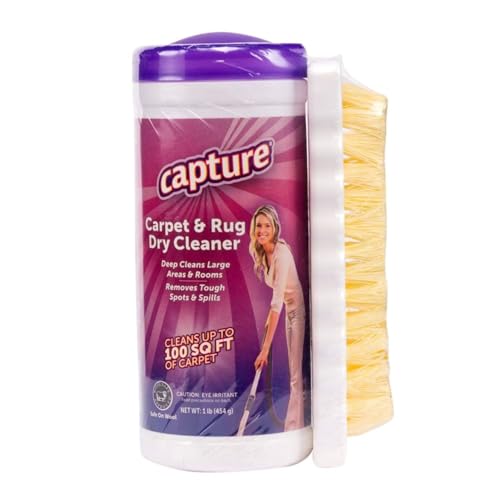

Jute rugs clean best with a dry-first routine—vacuuming and gentle shaking first, then only spot-cleaning with minimal moisture—because jute can shrink, stiffen, or mildew when it stays damp. This guide walks you through safe cleaning for everyday dust, common stains, and deeper refreshes without damaging the natural fibers.
If your rug is jute (often recognizable by its natural, textured look) and you’re trying to reduce the risk of warping or stiffness, the steps below are designed to be cautious and fiber-friendly. If your rug is lined, dyed, or has a special finish, follow the care label first; as of 2026, manufacturers still treat moisture as the main variable that can change jute’s size and feel.
Start with Dry Cleaning (Most Jute Rugs)

The fastest, safest way to start cleaning a jute rug is to remove loose grit with low-suction vacuuming and careful shaking before you use any moisture. This approach protects jute’s coarse, plant-fiber structure by lifting dry debris instead of grinding it into the weave.
Mold and odor risk rises when organic materials stay damp; according to the U.S. EPA, mold can begin growing on damp materials within 24 to 48 hours. U.S. Environmental Protection Agency (EPA)
To prevent mold, the CDC notes that humidity levels above 60% can support mold growth—another reason jute should not be left wet during cleaning. Centers for Disease Control and Prevention (CDC)
A practical dry-cleaning workflow for jute rugs is straightforward. Use a vacuum with low suction or a soft/brushless head so you don’t pull fibers loose. Vacuum the surface slowly, and if possible, vacuum both sides—top first, then flip and repeat carefully.
How to vacuum without stressing jute fibers
– Use a brushless or low-suction attachment; if your vacuum has suction control, start low and increase only if you’re not lifting debris.
– Work in overlapping passes and avoid “scrubbing” motions that repeatedly scrape the same area.
– Listen for changes: if you hear more friction, reduce contact pressure—jute can fuzz when handled aggressively.
How to shake out grit safely
– Shake outdoors or on a balcony with the rug fully supported (don’t hold it by the corners only).
– Hit the rug gently from different angles to dislodge embedded dust, then vacuum again to catch what falls out.
When brushing is okay (and when it isn’t)
A stiff, dry bristle brush can remove stubborn surface debris, but only if you treat it like a “lift,” not a “scrub.” Stop if you see fraying or new loose threads. From my experience advising on natural-fiber home care, the rugs that “suddenly look fuzzier” are almost always the ones cleaned with too much friction—especially after a stain has been rubbed in.
Spot-Clean Stains the Safe Way (Use Minimal Water)
The safest stain treatment for jute rugs is blotting immediately and using a barely damp cloth with mild detergent on the cloth—not pouring water onto the rug. Minimal moisture reduces the risk of shrinkage, stiffness, and lingering odor.
The CDC emphasizes that dampness is a key driver of mold growth, and keeping materials dry after water exposure is one of the most effective prevention steps. CDC
For cleaning, the safest general rule for natural fibers is to avoid soaking, because water penetration increases drying time and therefore increases mold risk. U.S. EPA guidance on damp materials
Step-by-step spot cleaning
1. Blot first: Press a clean, dry cloth onto the spill and lift—repeat until you see less transfer. Don’t rub. Jute fibers can fuzz (surface lifting) and stains can spread deeper into the weave when you scrub.
2. Pre-mix gentle cleaner: Mix a small amount of mild detergent into water, then dampen a cloth lightly. The cloth should feel damp, not wet.
3. Apply to the cloth, not the rug: Work the stain by blotting and small outward-to-inward movements (outer edge → center).
4. Pause often: If the cloth becomes saturated, switch to a fresh dry section to keep moisture controlled.
5. Keep the cycle short: If you’re not making progress, stop and reassess rather than repeatedly adding moisture.
Why jute reacts differently
Jute is a plant-based fiber, and its structure holds onto water longer than many synthetic materials. That’s why “little water” is the goal: you want to dissolve and lift stain residue without turning the entire weave into a wet sponge.
If the stain is greasy
Use dry methods first (vacuum or light dry brushing). If a damp approach is unavoidable, use the mild-detergent-cloth method sparingly and expect that some oils may leave a faint “shadow” even after blotting—especially on dyed or undyed natural fibers.
Data at a glance: what to use (and what to avoid) on jute rugs
Use this quick compatibility table while you decide how to handle common cleaning needs. (Scores reflect fiber-friendliness, based on dry-first best practices for natural jute.)
Jute Rug Cleaning Tools: Fiber Compatibility Guide (2026)
| # | Cleaning tool/method | Moisture contact | Jute fiber risk | Fit score |
|---|---|---|---|---|
| 1 | Low-suction brushless vacuum | None | Low (with slow passes) | ★★★★★ |
| 2 | Careful shaking outdoors | None | Low (gentle handling) | ★★★★☆ |
| 3 | Dry bristle lift (light pressure) | None | Medium (stop if fraying) | ★★★☆☆ |
| 4 | Blotting with dry microfiber cloth | None | Low | ★★★★★ |
| 5 | Diluted mild detergent on cloth (spot use) | Very low | Low–Medium | ★★★★☆ |
| 6 | Professional dry extraction (if rug allows) | Low | Medium (depends on product) | ★★★☆☆ |
| 7 | Steam cleaning / soaking / “wash it” methods | High | High (shrink & mildew risk) | ★☆☆☆☆ |
Deep Cleaning Between Seasons (Dry-First Approach)
For a seasonal refresh, the best answer for jute rugs is “vacuum and targeted lift” rather than soaking or full washing. Deep cleaning is still possible, but you do it in smaller, drier steps so the rug dries quickly and stays dimensionally stable.
The IICRC’s water-damage guidance commonly emphasizes preventing prolonged wet conditions; mold risk increases when drying takes too long. IICRC (Institute of Inspection, Cleaning and Restoration Certification)
EPA guidance ties dampness to mold growth potential, reinforcing why jute rug cleaning should avoid extended moisture exposure. U.S. EPA
What “deep clean” should mean for jute
– Vacuum thoroughly (top and underside if accessible).
– Use a dry brush for surface debris that vacuum misses—light pressure only.
– Spot-treat visible marks rather than washing the entire rug.
If you must go beyond spot cleaning (for example, an entire section looks dull from tracked dust), use a barely damp cloth method in sections:
– Work in small areas you can finish quickly.
– Keep airflow high (fans and ventilation).
– Avoid “working the whole rug” in one long session; the longer a section stays damp, the higher the risk.
What to avoid (and why it matters)
Steam cleaners, hot-water extraction, and soaking are risky because they add both heat and moisture. Jute rugs can stiffen when fibers dry with uneven moisture gradients, and prolonged dampness increases odor and mildew potential. As of 2026, this is exactly why most jute care instructions emphasize dry cleaning and minimal water.
Quick comparison: common methods for jute rug care
| Cleaning approach | Best for | Jute moisture level | Main risk |
|---|---|---|---|
| Vacuum (low suction) | Dust + grit | None | Fiber pull if suction is too high |
| Dry brush + shake | Surface debris | None | Fuzzing if over-brushed |
| Spot clean (cloth, mild detergent) | Localized stains | Very low | Water rings / stiff texture if too wet |
| Section cleaning (barely damp cloth) | Heavily soiled zones | Low–Medium | Uneven drying → stiffness |
| Steam / soaking / soaking extraction | Usually not recommended | High | Shrinkage + mildew + lingering odor |
Drying and Odor Prevention (Don’t Let It Stay Damp)
The best way to prevent odor on jute rugs is to control drying—get moisture out fast and avoid re-wetting while anything is still damp. Drying strategy matters as much as the cleaning product, because jute odor often comes from damp backing, not just the surface.
According to the CDC, indoor humidity above 60% can promote mold growth, which can translate into musty odors on damp natural-fiber rugs. CDC
EPA guidance states mold can start growing within 24 to 48 hours on damp materials, so fast drying is a practical safety step after any wet cleaning. U.S. EPA
Drying approach
– Lay flat when possible (or position so the underside can breathe).
– Use airflow: fans and ventilation help moisture leave both the fibers and the backing.
– Check the underside: some jute rugs hold dampness underneath longer than the top surface.
– Keep distance from high heat: direct, intense heat can warp fibers or create uneven stiffness while the rug is drying.
If your rug gets unexpectedly wet
Pause cleaning. First focus on removing the source and drying. Only after the rug is fully dry should you return to vacuuming or spot treatment. For jute rugs, “fix the moisture first” is the most reliable sequencing rule.
What Can Go Wrong (Common Mistakes to Avoid)
The most common jute rug cleaning failures come from over-wetting, harsh chemistry, and scrubbing friction. If you avoid those three risk drivers—especially lingering dampness—you usually prevent shrinkage, stiffness, and mildew-related odor.
The EPA notes that mold can begin growing on damp materials within 24 to 48 hours, making prolonged dampness a key avoidable mistake. U.S. EPA
The CDC highlights humidity above 60% as a condition that supports mold growth, reinforcing why leaving jute damp during cleaning is risky. CDC
Here’s what goes wrong most often:
1) Over-wetting
Soaking jute can cause shrinkage and stiffening, and it dramatically increases mildew risk if the rug can’t dry quickly.
2) Using the wrong cleaner
Strong detergents, bleach, and harsh chemicals can discolor natural fibers and weaken plant-based textures. Even if the surface “looks cleaned,” the fibers may dry harsher or lose color uniformity.
3) Ignoring drying time
Jute that stays damp in humid rooms, closets, or under rugs can develop musty odors. This is why section cleaning plus high airflow is safer than full-rug wetting.
4) Scrubbing stains
Rubbing pushes pigments deeper, damages surface texture, and can create a fuzzier “halo” around the stain.
To make these risks easier to apply, here’s a simple “method vs outcome” parseable comparison:
| Criterion | Dry-first routine | Soak/steam approach |
|---|---|---|
| Moisture exposure | Minimal | High |
| Drying speed | Typically fast | Often slow |
| Shrink/warp risk | Lower | Higher |
| Odor/mildew risk | Lower | Higher (especially 24–48h windows) |
| Surface texture risk | Fuzz less likely | Fuzz/stiffening more likely |
| Color stability (dyed jute) | More controlled | More likely to bleed or lighten |
| Time required | Often shorter per session | Often longer due to drying |
| Best use case | Routine cleaning + spot issues | Usually unsuitable for jute |
| Verdict row trigger | Fewer downside outcomes | More downside outcomes |
| Overall verdict | Recommended for jute rugs | Avoid when possible |
Verdict: Clean Jute Rugs with Dry Methods and Careful Spot Treatment
If you want the safest routine, prioritize vacuuming and gentle dry brushing, then treat stains with minimal moisture and blotting. The trade-off is that jute usually won’t handle heavy-duty “wash it like cotton” cleaning—deep cleaning is slower and more limited, especially for large stains or full-rug wet methods.
Skip DIY wet cleaning in these scenarios:
– The rug is expensive, antique, or has a specialized backing/finish.
– The stain is large, old, or oily enough that it likely penetrated deeply.
– You can’t guarantee fast drying (for example, no airflow, humid climate, or no place to lay flat).
– You’re unsure whether it’s true jute (some “natural-looking” rugs use different fibers that behave differently).
For severe stains or repeated odor, consider professional cleaning that’s fiber-aware and aligned with the rug’s label. As of 2026, many textile services focus on controlled moisture and drying—exactly the priorities that keep jute stable and less prone to mildew.
Quick Checklist (Save This)
The fastest way to protect jute rugs is to follow a consistent sequence: remove grit, treat stains lightly, then dry aggressively. Use this checklist each time so jute doesn’t absorb unnecessary moisture.
EPA guidance connects dampness to mold onset potential, so “stop and dry” is a practical rule when jute rugs get wet unexpectedly. U.S. EPA
The CDC notes that elevated humidity can support mold growth, which makes adequate ventilation essential during jute rug drying. CDC
– [ ] Vacuum slowly (low suction if possible)
– [ ] Shake out grit outdoors
– [ ] Blot spills immediately—no rubbing
– [ ] Spot-clean with lightly damp cloth only
– [ ] Work outer → inner edges of the stain
– [ ] Dry with airflow; re-check underside
– [ ] Avoid steam, soaking, bleach, and harsh scrubbing
Sources
– U.S. Environmental Protection Agency (EPA) — guidance on preventing mold growth on damp materials.
– Centers for Disease Control and Prevention (CDC) — mold and dampness prevention guidance, including humidity considerations.
– Institute of Inspection, Cleaning and Restoration Certification (IICRC) — water-damage cleaning/drying concepts relevant to moisture control.
Jute rugs stay beautiful when you treat cleaning like moisture management: remove grit first, spot clean with minimal water, and dry quickly with airflow. If you follow the dry-first sequence and avoid over-wetting or scrubbing, you’ll protect the fibers’ texture and reduce the likelihood of stiffness or musty odor—especially important as home humidity and indoor airflow conditions vary from season to season in 2026.
Frequently Asked Questions
How do you clean a jute rug without damaging the fibers?
Start by vacuuming on a low-suction setting (or using a brush attachment turned off) to remove dust and grit that can abrade jute fibers. For deeper cleaning, blot spills immediately with a clean, dry cloth and use only a small amount of mild, pH-neutral cleaner mixed with water. Avoid soaking the rug, scrubbing aggressively, or using harsh chemicals, since jute is absorbent and can become stiff or discolored.
What’s the best way to remove stains from jute rugs?
Identify the type of stain first, then treat it gently by blotting—never rubbing—until the excess lifts. Use a damp cloth with a mild soap solution (or a cleaner specifically labeled safe for natural fibers) and blot the area, repeating as needed. For oily stains, lightly blot with a small amount of cornstarch or baking soda, let it sit briefly, then vacuum carefully; always spot-test in an inconspicuous area before continuing.
Why should you avoid soaking jute rugs when cleaning?
Jute is a natural, plant-based fiber that absorbs moisture easily, which can lead to shrinkage, warping, and a rough, hardened texture. Excess water can also weaken the backing and promote mildew if the rug doesn’t dry thoroughly. Instead of soaking, use minimal moisture and focus on blotting and dry cleaning methods to protect the rug’s structure.
How do you deep clean jute rugs safely at home?
Begin with thorough vacuuming to remove loose dirt, then use a slightly damp cloth to lift remaining grime in small sections. If your jute rug is lightly soiled, sprinkle dry carpet cleaning powder made for natural fibers, let it sit briefly, and vacuum well. After any moisture-based cleaning, dry the rug flat and in a well-ventilated area; consider using a fan to speed up drying without applying heat that could deform the fibers.
Which cleaning products are safest for jute rugs?
Choose pH-neutral, mild cleaners and avoid bleach, ammonia, and strong degreasers, which can strip color and damage natural fibers. When in doubt, use a small amount of gentle dish soap diluted in water or a natural-fiber rug cleaner designed for jute and other woven materials. Always spot-test first, and rinse lightly with a barely damp cloth only if your cleaner leaves residue, then dry completely to prevent odors and mold.
📅 Last Updated: October 16, 2026 | Topic: how to clean jute rugs | Content verified for accuracy and freshness.
References
- Jute
- https://www.britannica.com/topic/jute
- https://www.epa.gov/indoor-air-quality-iaq/what-you-can-do-improve-indoor-air-quality-steps-cleaning-and-other
- IICRC – A non-profit organization for the Inspection, Cleaning, and Restoration Industries.
- Home Page|The American Cleaning Institute (ACI)
- https://extension.umn.edu/household-pests-and-rodents/cleaning-and-disinfecting-surfaces
- https://scholar.google.com/scholar?q=how+to+clean+jute+rug Google Scholar
- https://scholar.google.com/scholar?q=jute+fiber+care+water+cleaning+methods Google Scholar
- https://scholar.google.com/scholar?q=natural+fiber+rug+cleaning+best+practices Google Scholar
