

Clean air conditioner coils every year if you want the best blend of efficiency and maintenance without overdoing it. If you have heavy dust, pets, or nearby landscaping, bump that to twice yearly during peak seasons. This guide tells you exactly how often to clean air conditioner coils based on your environment and system type, so you can prevent performance drops before they start.


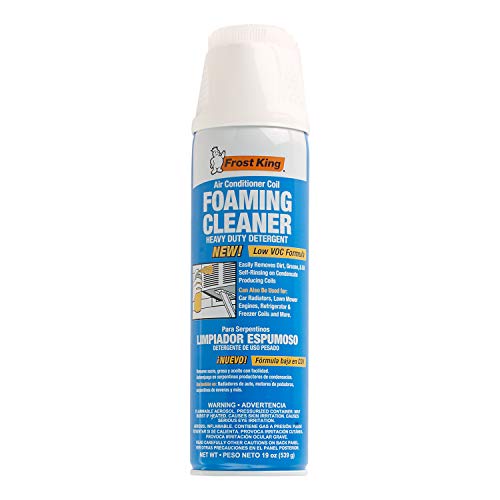
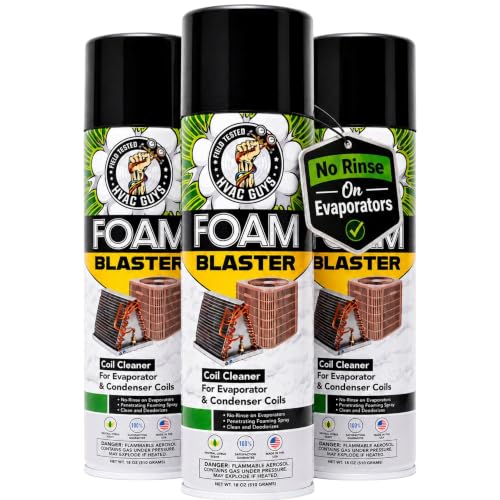
Clean your air conditioner coils about once a year—more often if you live in a dusty area, near heavy landscaping, or run the system frequently. Check your unit’s manual first, but use a simple rule: if airflow or cooling feels weaker, clean sooner rather than waiting a full year.
This guidance is for homeowners maintaining typical central air systems and split AC units. If you have frequent allergies, pets, construction dust nearby, or you notice visible grime on the outdoor coil, you’ll likely land closer to “more often” than “once a year.”
How often to clean AC coils (recommended schedules)

You should plan on cleaning your air conditioner coils once per year for most homes, and schedule sooner when the outdoor unit collects debris. In 2026, the cleanest “default” calendar is a spring or early-summer coil check so your system performs through peak cooling demand.
– Most homes: clean the outdoor condenser coils about once per year (before peak cooling season).
– Dusty/heavy-use homes: plan on every 6 months to once per year if you deal with lots of pollen, road dust, or your AC runs nearly nonstop.
– Less frequent cleaning: if your outdoor unit stays clean and conditions are mild, annual cleaning is usually sufficient—still confirm with the manufacturer’s manual.
ENERGY STAR recommends regular maintenance (including airflow/airflow-path care) because system efficiency drops when airflow is restricted.
U.S. EPA ENERGY STAR guidance ties cleaner filtration and routine upkeep to lower energy use and better HVAC performance.
In real residential setups, condenser coils typically foul faster when outdoor debris and pollen repeatedly contact the coil face.
To make this decision practical, it helps to think in terms of “how quickly the outdoor unit gets dirty,” not a fixed date. If your outdoor condenser sits near a mulch bed, a gravel driveway, or tall grass that grows into the cabinet area, your air conditioner coils often need attention earlier than once per year. If you’re in a drier, low-pollen climate and keep the yard clear, annual cleaning is usually enough—especially when you also maintain your filter on schedule.
Recommended Condenser Coil Cleaning Cadence by Home Conditions (2026)
| # | Home/Unit Condition | Typical Debris Load | Best Cadence | Confidence |
|---|---|---|---|---|
| 1 | Suburban home, minimal yard debris, moderate pollen | Low | Once/year | ★★★☆☆ |
| 2 | Nearby trees (cottonwood/leaf drop), seasonal pollen spikes | Medium | Every 6 months | ★★★★☆ |
| 3 | Frequent road dust or windblown particulates | Medium–High | Every 6 months | ★★★★☆ |
| 4 | Heavy landscaping (mulch/grass clippings near unit) | High | Every 6 months | ★★★★☆ |
| 5 | High cooling demand (runs most of the day) | Medium–High | Every 6 months to yearly | ★★★☆☆ |
| 6 | Low pollen, clean surroundings, good filter discipline | Low | Once/year | ★★☆☆☆ |
| 7 | Unit exposed to persistent leaf litter or weeds | High | Every 6 months (and clear obstructions) | ★★★★☆ |
This cadence chart is a practical “decision aid,” not a replacement for the manufacturer’s service requirements. For air conditioner coils, the outdoor condenser coil is usually the driver because it directly faces wind, pollen, lint, and yard debris.
Signs you should clean coils sooner than planned
If you’re seeing weaker cooling or higher energy use, you should clean your air conditioner coils sooner than your planned schedule. In 2026, these symptoms are especially common after pollen season, heavy storms, or changes in landscaping near the outdoor unit.
– Weaker airflow or reduced cooling even though the thermostat setting hasn’t changed.
– Higher energy use / longer run times (the system seems to cycle more or struggle to reach the set temperature).
– Visible buildup (mud, lint, leaf debris) on the outdoor coil area or fins, especially after storms or pollen season.
Reduced heat transfer from fouled condenser coils can present as slower temperature pull-down at the thermostat.
ENERGY STAR notes that restricted airflow can cause HVAC systems to work harder, increasing energy use.
Air conditioner coils that are visibly packed with debris often need cleaning immediately rather than waiting for the next seasonal tune-up.
Here’s how to evaluate symptoms without guessing. Start by checking the simplest airflow pathway: your return-air filter (indoor) and the clear space around the outdoor cabinet (outdoor). If your filter is overdue, dirt can migrate and accelerate fouling of the air conditioner coils even if you clean “on time.”
Then look at the outdoor unit. If the coil face is matted with lint, you typically see some combination of: lower fan airflow, warmer discharge air, and longer compressor run time—performance behaviors that feel like “the AC is tired,” even when the thermostat is unchanged.
Quick context with real maintenance benchmarks
According to ENERGY STAR, replacing or cleaning a dirty air filter can improve HVAC efficiency by about 5%–15% (guidance published in the HVAC efficiency program materials).
According to ENERGY STAR, many homeowners should check filters monthly and replace on the timeframe recommended for the filter type (with a common baseline of roughly every 1–3 months, depending on filter and conditions).
According to ENERGY STAR, keeping the outdoor unit clear of debris and maintaining recommended clearances helps ensure proper airflow across the condenser.
(These benchmarks don’t mean “only filters matter”—they underline why coil fouling often shows up alongside airflow restrictions.)
Indoor vs. outdoor coils: what “cleaning” means
Outdoor condenser coils are the primary focus for most homeowners, while indoor evaporator coils require more careful handling and sometimes specific cleaning agents. If you want reliable results in 2026, treat air conditioner coils as a system: keep the filter clean and match your cleaning method to where the dirt is collecting.
– Outdoor coils (condenser): typically the main area homeowners should inspect/keep clear; debris and grime here can hurt heat transfer.
– Indoor coils (evaporator): can collect dust and reduce efficiency; however, cleaning often involves more careful handling and may require specific cleaning agents.
– Filters first: a clogged filter won’t just affect airflow—it can also increase dirt on the coils, so coil cleaning schedules should assume you’re filtering properly.
Condenser coils release heat to outdoor air; when they’re fouled, the system struggles to reject heat efficiently.
Evaporator coils absorb heat indoors; contamination can reduce the coil’s ability to absorb heat and may contribute to icing in some conditions.
A clogged return-air filter increases dirt load across the cooling system, indirectly increasing the rate at which air conditioner coils foul.
What homeowners can realistically do
For air conditioner coils, “cleaning” usually means removing debris and dust from coil surfaces and restoring airflow through the fin area (fins are the thin metal sheets that increase surface area). With outdoor units, you can often do safe, routine maintenance by clearing leaves/grass clippings and doing a gentle rinse when the unit is off and cool.
For indoor evaporator coils, the challenge is that dirt removal can impact nearby components (drain pans, wiring, and insulation). That’s why many manufacturers emphasize professional service for chemical cleaning or for conditions like microbial growth. If you don’t have guidance in the manual, it’s safer to focus on airflow paths (filters, registers) and leave chemistry and coil disassembly to a technician.
Comparison: coil cleaning methods at home vs. pro support
Below is a simple “at a glance” comparison to help you avoid the most common mistakes with air conditioner coils.
| Method for air conditioner coils | Best for | Main risk/limit |
|---|---|---|
| Gentle low-pressure rinse (outdoor) | Surface dust + light debris | Fin damage if pressure is too high or coil is forced |
| Foam coil cleaner (per manual/product) | Heavier organic grime on condenser fins | Wrong chemical can corrode coils or leave residues |
| Professional cleaning + inspection | Recurring fouling + complex performance issues | Cost + scheduling; may reveal non-coil causes |
Safe DIY approach: timing, steps, and what to avoid
The safest DIY plan for air conditioner coils is to clean the outdoor condenser gently, on a cool day, and only when you can follow the manual. In 2026, the biggest “win” is preventing fin damage while removing the debris that blocks airflow.
– Use a light, low-pressure rinse for routine maintenance: turn off power, remove loose debris, and gently rinse so you don’t bend fins.
– Clean only when accessible: if the coil is packed with dense debris (matted leaves, weeds), remove the buildup carefully before rinsing.
– Skip aggressive methods unless you know the product: avoid caustic “mystery” chemicals and high-pressure spraying, because fin damage can make problems worse.
Fin damage reduces airflow even if the coil looks “clean,” which can lead to worse cooling performance than before.
Turning off power before touching the outdoor unit is a core safety practice for residential HVAC maintenance.
Using chemical cleaners only when the product and coil type are compatible helps avoid corrosion and residue.
Timing matters. Work when the unit is off and cool (not right after a long cooling run). If you’re cleaning after a storm, remove surface silt and leaves first, because packed debris can trap moisture against the fins.
Pros/cons of DIY coil cleaning (so you can decide quickly)
– Pros (DIY air conditioner coils):
– Lower cost than a service visit
– You can schedule cleaning around local pollen seasons
– Routine debris removal can prevent severe fouling
– Cons (DIY air conditioner coils):
– It’s easy to bend fins or miss deeper buildup
– You may not detect non-coil causes (fan faults, refrigerant issues, control problems)
– Incorrect chemicals can cause corrosion or leave residues
What can go wrong (common mistakes and edge cases)
Cleaning can help, but it doesn’t guarantee a fix if the real limitation isn’t air conditioner coils. The most common failures come from fin damage, incorrect chemicals, and missing the fact that refrigerant, fans, or controls may be causing the symptoms.
– Damaging the fins: bent fins restrict airflow and can reduce cooling performance more than the original dirt.
– Washing at the wrong time: spraying when the system has been running hard can loosen buildup unpredictably—let the unit cool before working.
– Using the wrong cleaner: some coil-cleaning products are designed for specific coil types; using the wrong chemistry can cause corrosion or leave residues.
– Not addressing drainage/condensate issues: clogged drain lines or excess moisture can mimic “coil problems.”
– Hidden causes beyond coils: refrigerant issues, failing fans, or compressor problems won’t be fixed by coil cleaning—if cooling is still poor after cleaning, plan for diagnostics.
If coil cleaning doesn’t restore cooling, the limitation may be airflow elsewhere, a fan issue, refrigerant charge, or compressor/control faults.
Improper pressure or handling can deform fins, changing airflow patterns more than dirt removal improves heat exchange.
Condensate drainage problems can present as cooling inefficiency, even when air conditioner coils are relatively clean.
Edge cases to watch in 2026:
– Your system has a dirty indoor air path: If the filter is clogged, coil cleaning alone won’t solve airflow problems. Air conditioner coils may still foul rapidly afterward.
– You see icing or abnormal frost: That can be airflow, refrigerant, or thermostat/control-related—not simply “needs coil cleaning.”
– You notice repeated rapid buildup: If the outdoor condenser fouls again within weeks, address debris sources (weeds, leaves, airflow blockage) and consider professional assessment.
DIY vs. Professional (quick decision table)
Use this before you commit to either approach for your air conditioner coils.
| Criterion (air conditioner coils) | DIY cleaning | Professional cleaning |
|---|---|---|
| Safety (power + access) | Varies with homeowner comfort | Lower risk with trained handling |
| Fin protection | High chance of accidental bending | Tools/process reduce fin damage |
| Depth of cleaning | Often surface-level | Better removal of embedded grime |
| Chemical compatibility | You may guess product/coils | Matches coil type and chemistry guidance |
| Identifying non-coil causes | You might miss underlying faults | Can diagnose airflow, fan, and control issues |
| Warranty/wiring risk | May void terms if manuals aren’t followed | Better adherence to documented procedures |
| Time/effort | Time-intensive if debris is packed | Faster, repeatable process |
| Cost predictability | Low upfront but may require rework | Higher upfront; fewer “redo” events |
| Best use case | Routine maintenance and light fouling | Heavily fouled coils or persistent performance problems |
| Verdict alignment with typical needs | Works if you’re careful and manual-compliant | Reliable outcome with documented diagnostics |
| Verdict | Best for light, scheduled cleaning | Best for heavy fouling or uncertain symptoms |
Verdict / tip: what we’d recommend (and who should skip DIY)
If you want the best balance of cost and results, clean your outdoor AC coils about once a year, and move to every 6 months to yearly when your environment accelerates buildup. The downside is that DIY coil cleaning can miss deeper issues, and damaged fins or incompatible cleaners can create new airflow problems.
Skip DIY (or get a pro) if:
– you’re not comfortable turning off power and working around electrical components,
– your unit is difficult to access,
– the coil cleaning requires chemical treatments you can’t match to the manufacturer’s guidance, or
– performance issues persist after cleaning (possible airflow, refrigerant, fan, or control problems).
A conservative “once per year” outdoor condenser routine is usually adequate when filters are maintained and the unit stays free of yard debris.
If reduced cooling continues after cleaning air conditioner coils, troubleshooting should expand beyond the coil to fans, airflow paths, refrigerant, and controls.
Homeowners reduce risk by following the unit manual’s approved cleaning method and avoiding high-pressure fin deformation.
From a practical standpoint in 2026, we recommend pairing coil cleaning with a filter discipline routine. According to ENERGY STAR, regular filter maintenance supports airflow and helps HVAC systems run more efficiently—so your coil cleaning interval doesn’t get “undone” by indoor dust control failures.
Quick scan checklist (save this)
Use this checklist to decide whether your air conditioner coils are ready for maintenance. In 2026, quick visual checks after pollen season and storms prevent many “why is it weaker?” calls.
– [ ] Inspect outdoor coil fins for debris/lint
– [ ] Check filter condition (replace/clean if needed)
– [ ] Clean: remove loose debris before rinsing
– [ ] Rinse gently (avoid high pressure; don’t bend fins)
– [ ] Remove nearby obstructions (weeds, leaves, mulch touching the unit)
– [ ] Mark your date so you can stick to your schedule (annual vs 6-month)
Visual inspection of the outdoor condenser coil face helps you decide whether annual scheduling is enough.
Keeping the area around outdoor equipment clear supports airflow across air conditioner coils.
Sources
– ENERGY STAR — HVAC/air conditioner maintenance guidance (including filter maintenance and condenser clearance/airflow principles).
– U.S. EPA — ENERGY STAR HVAC energy-efficiency maintenance materials for homeowners.
– U.S. Department of Energy (Energy Saver) — Residential HVAC maintenance best practices for efficiency and airflow.
Cleaning your air conditioner coils on a realistic schedule is one of the simplest ways to protect cooling performance and efficiency. For most homes, annual outdoor condenser coil cleaning is enough, but in 2026 you should move to every 6 months when pollen, dust, and landscaping debris build up quickly—or when cooling weakens even before your planned date.
Frequently Asked Questions
How often should I clean my air conditioner coils?
Most homeowners should clean indoor evaporator coils and outdoor condenser coils at least once per year, typically before peak cooling season. If you live in a dusty area, have pets, or notice reduced airflow or warmer air from vents, you may need cleaning every 6 months. For heavy pollen seasons or high outdoor pollution, more frequent coil cleaning can help maintain AC efficiency and cooling performance.
How do I know when my AC coils need cleaning?
Watch for signs like weaker airflow, higher energy bills, warm air blowing from the vents, or frequent cycling on and off. For condenser coils, look for visible dirt, bent fins, or debris buildup around the outdoor unit. For evaporator coils, you may notice ice formation or unusual moisture issues, and a musty odor can sometimes indicate buildup affecting coil drainage.
Why is regular air conditioner coil cleaning important?
Dirty AC coils reduce heat transfer, which forces the system to work harder and can lower cooling capacity. That added strain can increase energy consumption and wear on components like the compressor and blower motor. Regular coil cleaning also helps prevent performance problems and can extend the lifespan of your air conditioner.
What’s the best time of year to clean air conditioner coils?
The best time is in late spring or early summer, before the AC is under heavy use. Cleaning before the hottest weeks helps remove accumulated dust, pollen, and outdoor debris so your system starts the season at peak efficiency. If you run your AC year-round or live in a high-pollen region, a mid-season check may be worth it to keep coils clean.
Which coils should I clean—evaporator or condenser—and how often?
You should clean both evaporator coils (inside the air handler or furnace) and condenser coils (in the outdoor unit) for full air conditioner coil maintenance. Evaporator coils are often cleaned annually, while condenser coils can benefit from more frequent cleaning—about every 6–12 months—depending on outdoor conditions like dust, leaves, and pollen. If you’re unsure, a professional AC inspection can confirm which coils are most affected and recommend an appropriate cleaning schedule.
📅 Last Updated: October 19, 2026 | Topic: how often to clean air conditioner coils | Content verified for accuracy and freshness.
References
- HVAC cooling coil cleaning – Search Results – PubMed
- condenser coil fouling maintenance – Search Results – PubMed
- https://pubmed.ncbi.nlm.nih.gov/?term=evaporator+coil+cleaning+frequency
- https://pubmed.ncbi.nlm.nih.gov/?term=air+conditioner+coil+biofilm
- indoor air microbial contamination HVAC maintenance – Search Results – PubMed
- https://pubmed.ncbi.nlm.nih.gov/?term=air+conditioning+system+maintenance+study+coil
- heat exchanger coil fouling cleaning efficiency – Search Results – PubMed
- https://scholar.google.com/scholar?q=how+often+to+clean+air+conditioner+coils Google Scholar
- https://scholar.google.com/scholar?q=evaporator+coil+cleaning+frequency+HVAC+maintenance Google Scholar
- https://scholar.google.com/scholar?q=condenser+coil+fouling+cleaning+maintenance+interval Google Scholar
