

Want the fastest, safest way to clean a butcher block countertop without damaging the wood? This step-by-step guide walks you through daily cleaning, deep scrubbing, and drying so the surface stays sanitary and water-resistant. Follow the exact order and you’ll avoid the biggest mistakes—so your butcher block looks great and holds up for years.



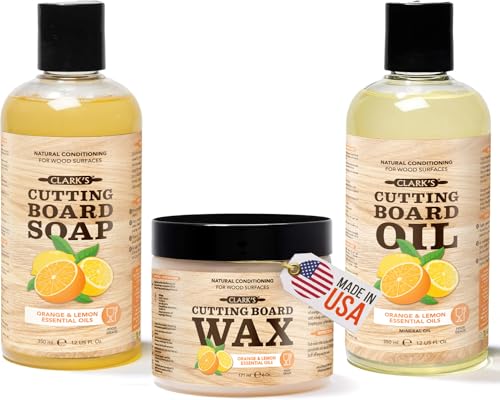
Wipe your butcher block countertop with a damp cloth and mild dish soap, gently scrub only where food is stuck, then dry completely and re-oil to keep the wood protected. This approach prevents the two most common failures—leaving moisture in the grain or using cleaners that strip or damage the surface finish—so odors, stains, and water damage don’t become recurring problems. In 2026, more kitchens use butcher block for its warmth and “natural” look, but it still needs routine care to stay food-safe and stable.
If your countertop gets daily food prep use—or you’ve noticed stains, stickiness, or a dull surface—this is for you. It’s especially helpful when you want a practical routine that won’t warp the wood or strip its finish.
Gather supplies and prep the area

The right supplies make butcher block cleaning faster and safer, because you’re less likely to over-wet the wood or abrade the grain. Start by clearing the surface and assembling only food-safe, wood-friendly tools before you apply any water or soap.
A mild dish soap solution is typically preferred for wood surfaces because it lifts grease without aggressively stripping oils or finishes.
For wood moisture control, the goal is damp wiping—not soaking—so water doesn’t get pulled deep into seams and end grain.
Food-contact oil products for butcher blocks are designed to restore water resistance after cleaning.
What to gather (and why)
– Food-safe basics: mild dish soap, clean microfiber cloths, a soft scrub brush or non-scratch sponge.
– Oil for after cleaning: butcher block oil labeled for food-contact surfaces. In practice, most “butcher block oil” products are mineral-oil based (or mineral-oil blended) and are chosen because they are intended for contact surfaces. The U.S. FDA lists mineral oil (liquid paraffin) as an approved food-contact substance under 21 CFR 172.878 (U.S. FDA, 21 CFR 172.878).
– Optional but helpful: a second dry towel for fast final drying, and a small bowl for mixing soap water so you can control how much liquid you use.
What to avoid (to prevent permanent damage)
– Skip harsh chemicals: bleach, oven cleaner, strong degreasers, and ammonia-based cleaners can affect the surface and any protective finish.
– Avoid abrasives: steel wool and abrasive pads can roughen the grain, creating more places for food and moisture to cling.
– Don’t “pre-treat” with strong acids: lemon, vinegar, and similar products can be risky depending on whether your butcher block is bare wood or already sealed/finished with something that isn’t meant to be re-oiled.
Butcher Block Cleaning Compatibility (Food-Safe Use Guidance Summary)
| # | Agent / Tool | Best Use | Butcher Block Safety | Wood-Impact Risk |
|---|---|---|---|---|
| 1 | Mild dish soap + water (damp wipe) | Daily cleaning | ★★★★★ | Low |
| 2 | Plain water (rinse wipe) | Removing soap residue | ★★★★☆ | Low |
| 3 | Food-contact butcher block oil | Post-clean sealing | ★★★★★ | Low |
| 4 | Baking soda paste (spot use) | Occasional stain lift | ★★☆☆☆ | Medium |
| 5 | Vinegar solution (unknown compatibility) | Uncertain for finishes | ★★☆☆☆ | Medium |
| 6 | Bleach (unsuitable for wood) | Avoid | ☆☆☆☆☆ | High |
| 7 | Steel wool / abrasive pads | Avoid | ☆☆☆☆☆ | High |
Step-by-step daily cleaning (quick wipe-down)
A quick wipe-down keeps a butcher block countertop looking even and prevents odors from building up in the grain. Daily cleaning should be damp, gentle, and followed by complete drying before you reintroduce food prep.
Mild soap breaks down grease, while quick drying reduces the chance that water penetrates the wood pores.
Wiping with the wood grain helps prevent micro-scratches that can trap residue on a butcher block countertop.
– Wipe first: use a damp cloth to lift crumbs and loose residue, then discard or rinse the cloth as needed.
– Clean gently: add a small amount of mild dish soap to a damp cloth, wipe the surface with the grain, and spot-clean sticky areas with a soft brush.
– Dry immediately: buff with a clean, dry microfiber towel until the surface feels dry to the touch.
Why “damp wipe + dry” matters on butcher block
Butcher block is wood—meaning it reacts to moisture. When water sits, it swells wood fibers and can raise the grain, which leads to dullness and a rougher surface over time. Even if the countertop looks “dry” on top, seams, end grain edges, and corner joints can retain moisture. In 2026, it’s common to see butcher block installed in open-concept kitchens, where backsplash splashes and frequent handwashing make routine drying a practical step rather than a luxury.
A realistic daily routine (that fits busy kitchens)
If you’re doing multiple prep tasks (chopping, mixing, rinsing) throughout the day, you don’t need to “deep clean” every time. Instead, plan on a damp wipe after messy tasks like raw meat prep or sticky sauces, then dry right away. When you do this on the same butcher block countertop consistently, you’ll notice fewer stubborn stains and less persistent odor from onions, garlic, fish, or spices.
Step-by-step deep cleaning (stains, grime, lingering odors)
Deep cleaning is about removing built-up grease and residues without over-wetting the butcher block countertop. Treat deep cleaning like controlled spot work: degrease gently, rinse carefully with minimal water, and dry thoroughly.
For wood surfaces, excess water exposure increases the likelihood of grain raising, uneven discoloration, and long-term odor retention.
A repeated gentle scrub cycle is safer than one aggressive soak when cleaning a butcher block countertop.
After cleaning, wiping with a lightly damp cloth is preferable to pooling water on end grain and seams.
– De-grease carefully: scrub with mild soapy water using gentle pressure; if needed, re-wet and repeat rather than soaking the wood.
– Target discoloration: for stubborn spots, use a soft brush with a paste-like approach using only what your butcher block oil/cleaner instructions recommend (don’t improvise strong acids or abrasives).
– Rinse the right way: wipe with a cloth dampened with plain water (avoid pooling), then dry thoroughly.
How to tackle grease vs. stains
Grease that’s baked into a butcher block surface often feels tacky even after “regular cleaning.” Grease removal requires soap action and friction, not harsh chemicals. Stains, on the other hand, are typically pigment changes from food contact plus oxidation in the wood. That’s why a butcher block countertop may look cleaner but still dull or uneven after you remove the grime—those stains often need oil restoration after degreasing.
A note on sanitizing (food safety vs. wood care)
If you’re trying to sanitize after raw meat, the cleaning goal is “clean first, then sanitize” for food-contact surfaces. In food service, sanitizers use measured concentrations; for example, the FDA Food Code describes typical free chlorine sanitizer ranges for manual warewashing of 50–200 ppm depending on conditions (FDA Food Code, 2022 (sanitization requirements for chlorine-based sanitizers)). Butchers blocks are porous and can be damaged by many sanitizers, so in most home kitchens the safer route is thorough cleaning, then proper oil reconditioning—not heavy chemical sanitizing.
Drying and re-oiling (how to protect the wood after cleaning)
Drying and re-oiling are what make the difference between “clean now” and “protected long-term” on a butcher block countertop. After any deep clean or soap use, you should oil only once the surface is fully dry.
U.S. FDA regulation permits mineral oil (liquid paraffin) for certain food-contact uses, which is why many butcher block oils are mineral-oil based.
A butcher block countertop’s water resistance depends on a consistent oil film, especially at edges and seams.
– Dry fully before oil: make sure no dampness remains in seams, edges, and corners—those are where problems start.
– Apply a thin coat: spread food-safe butcher block oil evenly with a cloth, working with the grain.
– Let it absorb and wipe off excess: after the oil sets, remove any leftover oil so the surface doesn’t feel tacky; follow the oil label’s timing.
What “fully dry” means in practice
Wood moisture content is measurable: ASTM D4442 determines moisture content by oven-drying wood (using 103 ± 2°C) to calculate how much water was removed (ASTM D4442, Standard Test Methods for Direct Moisture Content Measurement of Wood and Wood-Based Materials). You don’t need to run that test at home—but the idea matters: if your butcher block countertop still feels cool or damp in seams after cleaning, the moisture hasn’t left the structure yet. Oil added on top of residual dampness can trap moisture where you least want it.
The “thin coat” rule prevents tackiness
Over-oiling is a common reason people think their butcher block is “sticky all the time.” Many oils are designed to be absorbed and then wiped. When too much oil remains on top, it can attract dust and residue, creating a gummy feel and a dull finish that makes daily cleaning harder.
What can go wrong (and how to avoid it)
Most butcher block failures come from water left too long, abrasive cleaning, or skipping the oil step after soap use. If you avoid soaking/puddling and stick to gentle, predictable routines, you’ll prevent the majority of issues that show up as discoloration, warping, and lingering odors.
Leaving puddles increases the chance that wood fibers swell, which can warp a butcher block countertop over time.
Abrasive pads can permanently roughen the grain, giving stains and grease more “grip” on the next food prep day.
– Soaking or leaving puddles: water can raise the grain and lead to warping—stick to damp wiping, not soaking.
– Using the wrong cleaner: bleach and harsh degreasers can damage the wood surface and any existing finish; abrasive pads can create permanent roughness.
– Skipping drying: even “clean” wood can grow odors or discolor if it stays damp in the pores.
– Over-oiling: too much oil left on top can turn sticky—use thin coats and wipe off excess as directed.
Cleaner decision guide (fast comparison)
| What you’re considering | What usually happens on butcher block | Safer alternative |
|---|---|---|
| Bleach | Can damage wood surface and any finish; may create uneven discoloration. | Mild dish soap + thorough drying + food-safe oil. |
| Steel wool | Roughens the grain, making future residue removal harder. | Soft brush + gentle scrub only where needed. |
| Soaking | Raises grain and can increase warping risk at seams and edges. | Damp wipe, rinse wipe, and immediate towel drying. |
Verdict / tip (the honest best approach)
For most kitchens, the simplest routine is: quick wipe-down after use, gentle deep clean when grime builds up, and periodic re-oiling to keep the wood sealed. The downside is that wood care takes a little consistency—if you skip drying or let liquids sit, you’ll likely see stains or warping over time.
The most effective prevention strategy for a butcher block countertop is controlling moisture: wipe damp, rinse lightly, then dry completely.
Re-oiling after cleaning restores water resistance, which is what keeps everyday food stains from becoming permanent discoloration.
Skip this method (and consult the manufacturer) if your countertop has a specific protective finish you can’t safely oil, if the wood is already damaged/warped, or if you’re unsure whether the surface is sealed vs. bare wood. If you’re in doubt, the label on your oil product and the countertop manufacturer’s care instructions should govern the process.
Scanable checklist + Sources + FAQ
Quick checklist (save this)
| Task | Do this | Avoid |
|---|---|---|
| Daily cleaning | Damp wipe + mild soap, wipe with grain, dry fully | Soaking, harsh cleaners |
| Deep cleaning | Gentle scrub, wipe-rinse with damp cloth, dry completely | Abrasives, pooling water |
| After cleaning | Thin food-safe oil coat, wipe off excess | Over-oiling, leaving tacky residue |
| Maintenance | Re-oil when the surface looks dry/dull or feels less protected | Waiting until severe stains appear |
Frequently Asked Questions
How do I clean a butcher block countertop after food prep without damaging the wood?
Start by wiping up crumbs and spills with a damp cloth, then use mild dish soap mixed with warm water for sticky areas. Avoid soaking the butcher block countertop—apply cleaner with a cloth and wipe immediately. Rinse with a lightly damp towel and dry thoroughly to prevent swelling, warping, or lingering odors.
What is the best way to disinfect a butcher block countertop safely?
For routine sanitizing, use a diluted solution of white vinegar (about 1:4 vinegar to water) and wipe the surface, then dry completely. For heavier messes, use a food-safe disinfecting cleaner labeled safe for wood, following the manufacturer’s directions closely. Never use bleach or harsh chemicals that can penetrate the wood grain and leave harmful residues.
Which cleaning products are safe for butcher block, and which should I avoid?
Safe options include mild dish soap, food-safe mineral oil, and gentle cleaners specifically designed for wood surfaces. Avoid bleach, ammonia-based cleaners, and abrasive scrubbers that scratch the finish and open the pores. Also steer clear of steam cleaners and prolonged wet cleaning, which can cause the butcher block countertop to swell and degrade over time.
How do I remove stains, odors, or dark spots from a butcher block counter?
For light stains, sprinkle baking soda, then add a small amount of water to form a paste; gently rub with the grain and wipe clean, then dry well. For stubborn spots, you can use a mixture of baking soda and a few drops of hydrogen peroxide (patch-test first), then rinse and dry thoroughly. After stain removal, re-oil the area with butcher block oil to restore moisture balance and protect the wood.
How often should I oil and reseal a butcher block countertop, and why does it matter?
Oil the countertop regularly—often every 4–8 weeks for frequently used butcher block, or at least a few times per year in drier climates. Oiling prevents the wood from drying out, reduces absorption of food liquids, and helps maintain a smooth, food-safe surface. Keeping up with a butcher block maintenance routine after cleaning helps prevent cracks, dullness, and water damage.
📅 Last Updated: October 24, 2026 | Topic: How to Clean a Butcher Block Countertop: Step-by-Step Guide | Content verified for accuracy and freshness.
References
- Cutting board
- Preventing Food Poisoning | Food Safety | CDC
- Food Code 2017 | FDA
- https://www.foodsafety.gov/food-safety-charts/sanitize.html
- https://pubmed.ncbi.nlm.nih.gov/?term=wood+cutting+board+sanitizing
- https://pubmed.ncbi.nlm.nih.gov/?term=butcher+block+cleaning
- https://www.who.int/publications/i/item/9241594638
- https://scholar.google.com/scholar?q=how+to+clean+butcher+block+countertop+step-by-step Google Scholar
- https://scholar.google.com/scholar?q=butcher+block+countertop+cleaning+sanitizing+wood+cutting+board Google Scholar
- https://scholar.google.com/scholar?q=wood+cutting+board+sanitizer+bleach+vinegar+safe+practice Google Scholar
