
Cleaning a dog’s paw wound is crucial to prevent infection and promote healing. By taking immediate action, you can ensure your pet remains comfortable and recover quickly. Proper wound care involves assessing the severity of the injury, cleaning the area with appropriate solutions, and applying the right protective measures. This article will guide you through the detailed steps to ensure your dog’s paw is treated properly, from initial assessment to aftercare.



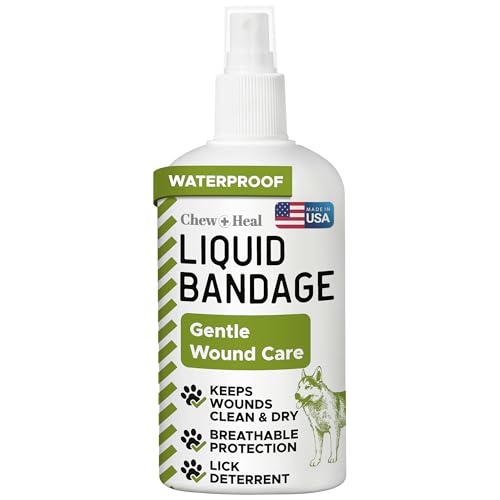
Assessing the Wound

The first step in cleaning a dog’s paw wound is to assess its severity.

– Determine the severity of the wound: Start by identifying whether the injury is a scrape, puncture, or deep cut. Scrapes are generally superficial and may not require extensive treatment, while puncture wounds or deep cuts can be more serious and may necessitate veterinary attention.
– Check for foreign objects: Carefully examine the wound for any dirt, debris, or splinters that may be lodged within it. Removing these foreign objects is essential, as they can harbor bacteria and lead to infections if left untreated. Use tweezers or your fingers, if necessary, to gently pull out any visible debris.
Preparing to Clean the Wound


Preparation is key to effectively cleaning your dog’s paw wound.
– Gather necessary supplies: Before you begin, ensure you have all the required supplies on hand. This includes antiseptic wipes, saline solution, gauze pads, medical tape, and bandages. Having everything ready will minimize stress for both you and your dog during the cleaning process.
– Create a calm environment: Dogs can sense tension, so it’s important to keep your dog relaxed. Find a quiet space, and consider using treats or soothing words to help calm your pet. If your dog is particularly anxious, you might want to have a second person assist you to hold the dog still during the cleaning.
Cleaning the Wound

Once you have assessed and prepared, it’s time to clean the wound.
– Rinse the area gently: Use a saline solution to flush out dirt and bacteria from the wound. Saline is generally safe and effective for this purpose. If saline is unavailable, lukewarm water can suffice; however, avoid using cold or hot water as it may cause discomfort.
– Use mild soap if necessary: If the wound is particularly dirty, you may need to use a mild soap. Select a non-irritating soap, and apply a small amount with lukewarm water. Gently scrub the area with your fingers or a clean cloth, taking care not to cause further irritation.
Common Dog Paw Wound Types and Treatment Options
| # | Wound Type | Recommended Treatment | Healing Time |
|---|---|---|---|
| 1 | Scrape | Clean with saline, apply antiseptic | 3-7 days |
| 2 | Puncture | Clean, apply antibiotic ointment, bandage | 1-2 weeks |
| 3 | Deep Cut | Vet visit, possible stitches, bandage | 2-4 weeks |
| 4 | Burn | Cool water, apply burn ointment | 1-3 weeks |
| 5 | Laceration | Vet care, cleaning, stitches | 2-3 weeks |
| 6 | Fungal Infection | Antifungal treatment, clean area | 1-2 weeks |
| 7 | Abscess | Vet care, drainage if needed | 1-3 weeks |
Disinfecting the Wound
After cleaning, it is essential to disinfect the area to prevent infection.
– Apply an antiseptic: Use a veterinary-recommended antiseptic spray or ointment. These products are specifically designed for pets and will be safe for your dog. It’s advisable to ask your veterinarian for product recommendations if you’re unsure.
– Avoid human products: Be cautious with human antiseptics, as some can be toxic to dogs. For example, products containing alcohol or hydrogen peroxide can cause irritation and should be avoided. Always opt for pet-safe treatments to ensure your dog’s safety.
Bandaging and Protecting the Wound
Once the area is clean and disinfected, it’s time to protect the wound.
– Cover the wound: Use a sterile gauze pad to cover the wound and secure it with medical tape or a bandage. This will help keep the area clean and prevent your dog from licking or chewing at it.
– Monitor for licking: Dogs have a natural tendency to lick their wounds, which can introduce bacteria and delay healing. Consider using an Elizabethan collar (also known as a cone) to prevent your dog from disturbing the bandage.
When to Seek Veterinary Help
It’s crucial to recognize when a wound requires professional medical attention.
– Recognize signs of infection: Watch for symptoms such as increased redness, swelling, warmth, or discharge from the wound. If you notice any of these signs, contact your veterinarian immediately.
– Understand when professional treatment is necessary: If the wound is deep, large, or did not improve after a few days of at-home care, it’s essential to consult your veterinarian. Additionally, if your dog displays signs of severe pain or distress, seek immediate veterinary care.
Aftercare Tips
Proper aftercare is vital for your dog’s recovery.
– Keep the area clean and dry: Regularly change the bandage and monitor the wound for any signs of infection or complications. Keeping the area clean will facilitate healing.
– Limit activity: To prevent reopening the wound, monitor your dog’s activity levels. Limit excessive running or jumping during the healing process, and consider using a leash during walks until you’re sure the wound is healing properly.
By following these comprehensive steps, you can ensure that your dog’s paw wound is cleaned and cared for effectively. Regular monitoring and maintaining a clean environment are crucial for recovery. Always consult your veterinarian if you have any concerns or if the wound does not show signs of improvement. Your dog’s health and comfort should always be the top priority.
Frequently Asked Questions
How do I know if my dog’s paw wound needs veterinary attention?
If your dog’s paw wound is deep, bleeding profusely, or shows signs of infection such as swelling, pus, or an unpleasant odor, it is crucial to seek veterinary attention. Additionally, if your dog is in significant pain or if the wound does not improve after a few days of home care, consult your veterinarian for a professional assessment.
What is the best way to clean a dog’s paw wound at home?
To clean a dog’s paw wound at home, start by gently rinsing the area with warm water to remove dirt and debris. Next, use a mild antiseptic solution, such as diluted Betadine or saline solution, to carefully clean the wound. Be sure to dry the area thoroughly before applying any topical ointments or bandages.
Why is it important to clean a dog’s paw wound promptly?
Cleaning a dog’s paw wound promptly is essential to prevent the risk of infection and promote healing. Bacteria can easily enter open wounds, leading to complications that may require more extensive treatment. By addressing the wound quickly, you help ensure your dog’s paw heals properly and reduces the likelihood of further health issues.
Which antiseptic solutions are safe to use on a dog’s paw wound?
Safe antiseptic solutions for a dog’s paw wound include diluted Betadine (povidone-iodine) and saline solution. These options are gentle and effective in cleaning wounds without causing irritation. Avoid using alcohol or hydrogen peroxide, as these can be too harsh and may delay healing.
How can I keep my dog from licking a paw wound after cleaning it?
To prevent your dog from licking a paw wound after cleaning it, consider using an Elizabethan collar (cone) or a protective boot. Additionally, applying a bitter-tasting deterrent spray specifically designed for pets can discourage licking. It’s important to monitor your dog closely during the healing process to ensure the wound remains clean and protected.
References
- Postpartum preeclampsia – Symptoms & causes – Mayo Clinic
https://www.mayoclinic.org/diseases-conditions/pet-injuries/symptoms-causes/syc-20376640 - https://vetmed.tamu.edu/news/pet-talk/how-to-treat-a-wound-on-your-dog/
https://vetmed.tamu.edu/news/pet-talk/how-to-treat-a-wound-on-your-dog/ - https://www.avma.org/resources-tools/pet-owners/petcare/wound-care-dogs
https://www.avma.org/resources-tools/pet-owners/petcare/wound-care-dogs - https://www.cdc.gov/healthypets/pets/pet-injuries.html
https://www.cdc.gov/healthypets/pets/pet-injuries.html - https://www.ncbi.nlm.nih.gov/pmc/articles/PMC7068823/
https://www.ncbi.nlm.nih.gov/pmc/articles/PMC7068823/ - Google Scholar Google Scholar
https://scholar.google.com/scholar?q=how+to+clean+a+dog’s+paw+wound - Google Scholar Google Scholar
https://scholar.google.com/scholar?q=dog+wound+care - Google Scholar Google Scholar
https://scholar.google.com/scholar?q=canine+wound+management - how to clean a dog’s paw wound – Search results
https://en.wikipedia.org/wiki/Special:Search?search=how+to+clean+a+dog’s+paw+wound - https://www.ncbi.nlm.nih.gov/search/research-articles/?term=how+to+clean+a+dog’s+paw+wound
https://www.ncbi.nlm.nih.gov/search/research-articles/?term=how+to+clean+a+dog’s+paw+wound
