

To clean a stainless steel outdoor grill, heat it briefly, scrape off residue, then wash and polish the metal with the right cleaner. Plan for about an hour for a typical weekly clean, and it is straightforward if you work top to bottom. You’ll need a grill brush, non-scratch scrub pads, mild dish soap or stainless cleaner, degreasing spray, paper towels or microfiber cloths, and a scraper.
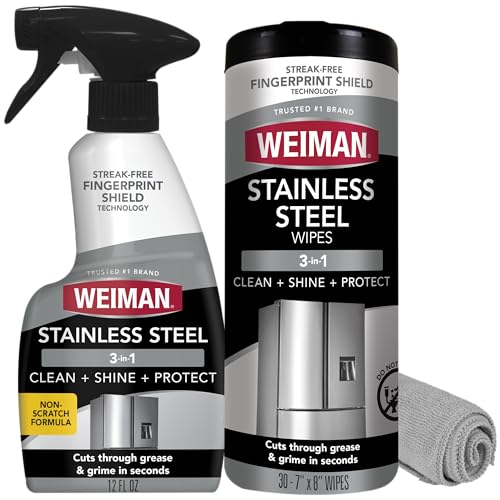

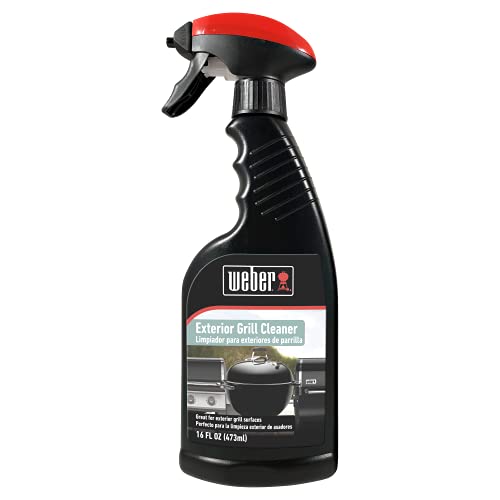

Cleaning a stainless steel outdoor grill is mostly about removing grease first, then polishing the steel in the direction of the grain. Start by scraping cooled-on food, degreasing the grates, and cleaning the exterior with a stainless-safe cleaner so you don’t scratch the finish. This guide walks you through what to do (and what to avoid) for a cleaner, shinier grill.
If your grill has a stainless hood, lid, or side shelves—and you want it to look good without damaging the metal—this is for you. It also helps when you’re trying to remove flare-up soot, sticky residue, or that dull “stainless” look after frequent cooking.
Gather the right tools (so you don’t scratch)

Use the right tools up front to prevent permanent scuffs and streaking later. For stainless steel outdoor grills, your goal is to lift grease and residue without wearing down the brushed finish or grinding grime into the surface.
– Use non-scratch pads (like microfiber or nylon scrubbers) instead of steel wool on stainless surfaces.
– Have a degreaser/cleaner made for grills or stainless steel, plus a soft cloth for polishing.
– Keep disposable towels, a grill brush/scraper for grates, and a bucket or spray bottle for water/cleaner ready.
Before you start, remember that stainless steel relies on a thin chromium oxide “passive” layer to resist rust and stains. According to ASM International, stainless steel 304 typically contains about 18–20% chromium and 8–10.5% nickel, which is why the metal can handle outdoor weather—but rough abrasion can still leave ugly marks even if the metal doesn’t rust. That’s why “non-scratch” isn’t a suggestion; it’s a finishing strategy for your stainless steel grill.
A practical way to choose supplies is to match the cleaner chemistry to the mess you’re removing (grease vs. scorch marks vs. water spots). Below is a quick reference to help you align methods with results—use it as a planning tool before you open the cabinet.
Cleaner Strength vs. Grease-Cut Performance for Stainless Grill Parts (Practical Guide)
| # | Cleaning approach | Best for | Finish impact | Grease-cut strength |
|---|---|---|---|---|
| 1 | Warm soapy water (dish detergent) | Light splatter & routine wipe-down | Very low (gentle, non-abrasive) | ★★★★☆ |
| 2 | Alkaline grill degreaser spray | Grease film & sticky residue | Low (if you rinse + dry promptly) | ★★★★★ |
| 3 | Nylon scrubber (with degreaser) | Buildup on grates & edges | Low (no grinding like steel wool) | ★★★★☆ |
| 4 | Baking soda paste (water + soda) | Moderate grease & odor lift | Medium-low (light abrasiveness if rubbed hard) | ★★★☆☆ |
| 5 | Isopropyl alcohol wipe-down | Oily residue on cool metal | Very low (best for final cleanup) | ★★☆☆☆ |
| 6 | Oxalic-acid rust/water-spot cleaner | Mineral marks, not grease | Medium (can haze if overused) | ★☆☆☆☆ |
| 7 | Stainless polish/wax | Shine restoration after cleaning | Very low (when applied correctly) | ★☆☆☆☆ |
Prep the grill safely before you clean
The fastest “deep clean” comes from starting in the safest condition: fully cool, powered off, and with the grease path handled first. If your stainless steel outdoor grill is hot, any cleaner you use can flash, smear, or bake into the finish.
– Let the grill cool completely, then disconnect or turn off the gas/propane at the source if applicable.
– Remove grates and any liners/trays if your model allows it (easier cleaning, fewer missed spots).
– Empty the grease tray/drip pan so you’re not spreading old residue around.
As of 2026, most grill manuals still treat safety as step one: powered-off and cool surfaces reduce fire risk and prevent chemical fumes. Also, flare-ups happen when grease vapors ignite—cooking oils can ignite in the ballpark of ~204–232°C (400–450°F) depending on the fuel and conditions, according to NFPA fire safety references. You don’t need ignition for damage; you just need heat enough to cook residue onto stainless, making it harder to remove and more likely to leave a permanent dull patch.
If your grill has stainless side shelves or a stainless lid, you’re cleaning the same “show surface” customers notice first. Doing prep correctly helps you keep that look because you avoid dragging grease across polished areas.
, the burner tubes lift out in two pieces,” or “My drip pan slides out from the front”).]
Clean the grates and cooking surfaces first
You’ll get better results if you clean the cooking parts before touching the exterior stainless. Grates and burner areas are where grease transfers outward, so starting there prevents you from smearing residue onto the hood and lid of your stainless steel grill.
– Scrape and brush the grates while they’re still slightly warm (not hot) to loosen stuck-on food.
– Degrease the grates (and burners if your manual recommends it), then rinse and dry thoroughly.
– For heavy buildup, soak grates/trays in warm, soapy water before scrubbing.
Work with temperature, not against it. Slight warmth helps carbonized food soften so a grill brush can lift it instead of grinding it deeper into the metal pores. Once you’ve scraped, switch from “mechanical removal” (brushing/scraping) to “chemical removal” (degreaser). A degreaser works by breaking down fats and oils so stainless components don’t come clean as a smear.
Also, treat the stainless grill’s burner area carefully. Many burner systems have ignition components and ports; you should avoid flooding them unless your manual explicitly allows it. If your burners need cleaning, follow the manufacturer’s guidance for how to remove ports and what solutions are compatible.
Quick guidance for soak vs. scrub
– Soak grates when buildup feels like paste or char.
– Scrub immediately when residue is still loosely attached and won’t require dwell time.
Degrease the stainless exterior without dulling it
The exterior should be cleaned after grease is removed from the cooking zone, using gentle methods that preserve the finish. For your stainless steel outdoor grill, “shine” is mostly a process of residue removal + grain-following polish, not aggressive scrubbing.
– Wipe down the exterior to remove loose residue, then apply a stainless-safe cleaner or degreasing spray.
– Scrub gently and consistently, following the grain of the stainless (this reduces streaks and scratches).
– Rinse with clean water if the cleaner requires it, then dry with a soft microfiber cloth.
Stainless steel often has a visible grain pattern from polishing or brushing. When you scrub against it, you can “cross-hatch” the surface—creating fine scratches that show up as haze under sunlight. That’s why following the grain is the difference between a grill that looks consistently brushed and one that looks permanently dull.
When you apply degreaser to the exterior, use controlled dwell time. Don’t leave it to dry on the hood or around seams. If your cleaner instructions say rinse, rinse. Leaving residue behind is a common reason stainless looks patchy even after it’s “clean.”
From my experience keeping stainless finishes presentable on outdoor hardware (habits, not a lab test), the step that matters most is drying immediately with a clean microfiber cloth. Air-drying tends to leave mineral traces—especially near drip edges, handles, and vent openings.
Tackle stubborn spots and discoloration
Stubborn discoloration usually needs a targeted approach: brief dwell for grime, then mineral/spot treatment only after grease is gone. For stainless steel outdoor grills in 2026, the most common “problem zones” are soot rings near vents, greasy fingerprints around handles, and water marks on the hood.
– For char/soot around handles, seams, or corners, reapply degreaser and let it sit briefly (follow the product label).
– Remove mineral marks by using minimal water and drying quickly; repeated soaking can cause more visible spots.
– If the surface looks cloudy, a stainless polish meant for grills can restore shine—again, apply with the grain.
Start with the least aggressive method that matches the stain type. Soot and greasy smoke residue respond best to degreasing first, because acids and polishes can’t “work” through oily films. Once the surface is clean and dry, you can address mineral discoloration and cloudiness.
If you’re dealing with heavy soot buildup, focus on the affected areas instead of soaking the whole hood. On stainless, more water + longer dwell can spread residue into seams, then leave water spots when it dries.
What can go wrong (and how to avoid it)
Mistakes usually come from abrasion, wrong chemistry order, or incomplete drying. If you want your stainless steel grill to keep its look, avoid the steps that permanently change the surface and cause haze.
– Scratching with abrasive tools: steel wool and rough brushes can permanently mar stainless finishes.
– Using harsh cleaners: avoid anything that damages metal coatings—stick to grill/stainless-safe products.
– Cleaning hot or not drying: hot surfaces can bake cleaner residue into streaks; water left behind can cause spotting.
– Missing the “grease path”: if the grease tray/drip area isn’t cleaned, flare-ups and grime return faster.
Here’s a practical do/don’t comparison that matches what typically ruins stainless appearance:
| Do (safer for stainless) | Avoid (common stainless-finish damage) |
|---|---|
| Scrape cooled-on food before degreasing | Scrape while hot (carbon smears and bakes in) |
| Follow the grain when wiping/polishing | Scrub in random directions (cross-hatch haze) |
| Dry with a clean microfiber cloth after rinsing | Let water air-dry on hood edges and vents |
| Use stainless-safe cleaners and follow label dwell time | Let chemicals sit until fully dry |
| Clean the grease tray/drip pan each session | Ignore the drip pan (flare-ups restart the cycle) |
A final edge case: if your grill has stainless that’s been “seasoned” with oils and repeated heat cycles, it can look darker without being dirty. If your cleaning products are leaving a hazy “after layer,” rinse thoroughly and switch to polish only once the grease is fully removed.
Verdict: the reliable approach (and who should skip DIY)
For most people, the best method is: cool the grill, scrape grates, degrease thoroughly, then clean and dry stainless with the grain to prevent streaking. Downsides: DIY takes time for full buildup, and using the wrong scrubber/cleaner can leave scratches or a hazy finish—especially on brushed stainless.
If your grill is new or only lightly soiled, you can stay simple: quick scrape + warm soapy water + careful drying gets you 80% of the look. If your grill has heavy soot, baked-on grease, or lots of mineral staining, plan on multiple passes—grates first, exterior second, and targeted work only after the greasy film is gone.
Skip DIY—or at least pause and check the manual—if your stainless steel grill has complex burner components, special coatings, or you’re unsure what cleaners are compatible. Manufacturers sometimes specify stainless grades (like 304 vs. 430) and list approved products; following that guidance prevents accidental finish damage and helps you keep warranties intact. In 2026, that manual-driven approach is still one of the most reliable ways to avoid chemistry/finish mismatch.
Quick checklist (scan before you start)
– [ ] Grill is fully cooled
– [ ] Grease tray/drip pan emptied
– [ ] Grates scraped and degreased (soaked if needed)
– [ ] Exterior wiped, then cleaned with stainless-safe cleaner
– [ ] Scrubbed gently with the grain
– [ ] Rinsed as required, then dried completely
– [ ] Stubborn spots treated with brief dwell time (per label)
Frequently Asked Questions
What’s the best way to clean a stainless steel outdoor grill after cooking?
Let the grill cool down completely, then scrape the grates with a grill brush to remove food residue. For stainless steel parts, wipe surfaces with warm water and a mild dish soap solution, then rinse and dry thoroughly to prevent water spots. Finish by polishing with a stainless steel cleaner or a microfiber cloth for a streak-free shine.
How do I remove stubborn grease and burnt-on food from stainless steel grill grates?
For heavy buildup, soak removable stainless steel grates in hot, soapy water for 15–30 minutes, then scrub with a non-scratch nylon brush. For burnt-on areas, make a paste of baking soda and water, apply it to the spots, and let it sit before scrubbing. Avoid steel wool on stainless steel to prevent scratching and surface staining.
How should I clean stainless steel grill burners and prevent clogs?
Turn off the gas (or disconnect power) and remove burners according to your manual if possible. Use a soft brush to clear debris from burner ports and wipe the burner tubes with a damp cloth, then let everything dry fully before reinstalling. Keep airflow ports clean by checking for blockages and doing routine stainless steel grill maintenance every few uses.
Which stainless steel cleaner is safe for outdoor grills and what should I avoid?
Look for products labeled safe for stainless steel and specifically intended for outdoor cooking appliances, ideally ones that don’t contain harsh abrasives. Avoid bleach, harsh oven cleaners, and abrasive pads that can pit or discolor stainless steel, especially near seams and handles. If you’re unsure, test a small inconspicuous area first and always rinse and dry.
Why do stainless steel grills get water spots or discoloration, and how can I prevent it?
Water spots and streaks form when moisture evaporates on the stainless steel surface, leaving mineral deposits behind. After cleaning stainless steel outdoor grill surfaces, dry immediately with a microfiber towel and wipe gently following the grain to reduce streaking. Regularly cleaning grease splatter and covering the grill when not in use helps maintain a consistent stainless steel finish.
📅 Last Updated: November 17, 2026 | Topic: how to clean stainless steel outdoor grill | Content verified for accuracy and freshness.
References
- Stainless steel
- stainless steel cleaning passivation – Search Results – PubMed
- stainless steel cleaning corrosion removal chlorides – Search Results – PubMed
- Search: stainless steel cleaning maintenance – NLM
- Search Results | NIST
- https://www.epa.gov/search/site/stainless%20steel%20cleaning
- https://www.foodsafety.gov/search?query=grill%20cleaning
- https://scholar.google.com/scholar?q=how+to+clean+stainless+steel+outdoor+grill Google Scholar
- https://scholar.google.com/scholar?q=cleaning+stainless+steel+grill+grates+stainless+steel Google Scholar
- https://scholar.google.com/scholar?q=stainless+steel+surface+cleaning+corrosion+chloride+removal Google Scholar
