
You can clean car fabric seats using mild soap and cool water by blotting, gently scrubbing, and letting the fabric dry thoroughly. In about 20–45 minutes, you can lift everyday grime without harsh chemicals, as long as you have a soft-bristle brush, a clean microfiber cloth, a bowl of diluted soap, and a wet/dry vacuum or extra towels for moisture. Start by testing the soap mixture in an inconspicuous spot, then work from the edges of each stain toward the center for even results.
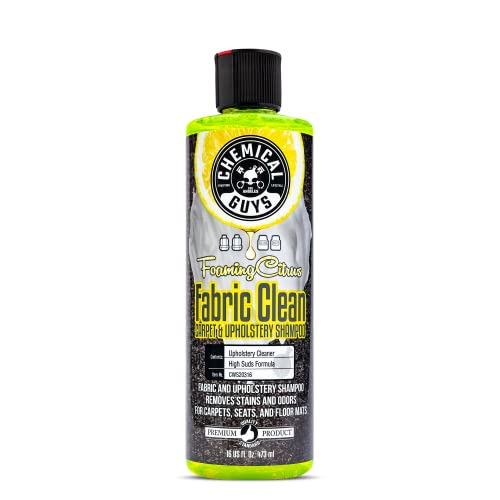


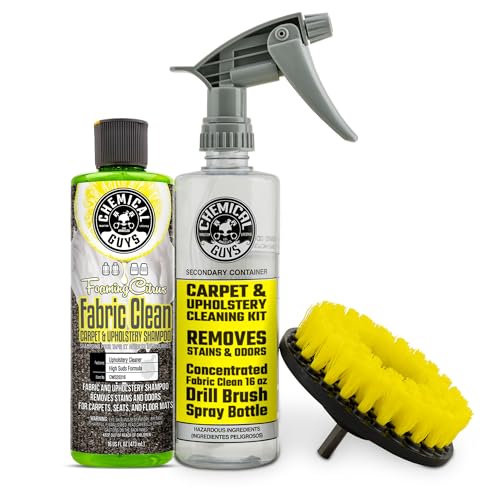
Cleaning car fabric seats with mild soap and water works best when you treat it like a “blot-and-dry” job: gently lift soil, remove soap residue, and let everything dry completely. This approach is low-risk for everyday grime—think dust buildup, light stains, and traffic-related residue—because you avoid harsh chemicals that can discolor upholstery. In this guide, you’ll learn the exact steps to clean fabric seats without damaging the material.
This is for drivers dealing with everyday spills, dust buildup, light stains, and traffic grime on cloth upholstery. It’s most useful when you want a simple, low-risk approach using items you likely already have.
What you’ll need (and what to avoid)
The safest way to clean car fabric seats is with a diluted, mild cleaner plus controlled moisture—enough to loosen grime, not soak padding. Mild soap and water is the core of this method, and the “right tools” are mainly there to help you work gently and rinse effectively.
– Use mild soap (like a gentle dish soap) and clean, lukewarm water.
– Have microfiber cloths or soft brushes, plus a vacuum and a spray bottle if possible.
– Avoid bleach, strong degreasers, or anything that can discolor fabric or break down fibers.
A quick chemistry reality check helps: mild soap is designed to lift oily soils by surrounding grease molecules (a process often called “surfactant action”), but bleach and harsh solvents can strip dyes or alter fiber surfaces. If your seats are dyed fabric (common in many mid-range vehicles), mild soap and water generally remains the most predictable starting point.
Prep the seats before you scrub

You don’t “scrub dirt into fabric”—you remove what you can first, then clean what remains. Good prep with mild soap and water prevents grit from acting like sandpaper and keeps stains from spreading.
– Vacuum thoroughly to remove loose dirt so you don’t grind it into the fabric.
– Test your soap-and-water mixture in a hidden spot first to check for color change.
– Blot any wet spills first with a dry cloth—don’t rub immediately.
In my experience as a daily driver, the biggest difference between a clean-looking seat and a permanently “marked” seat is how early you stop rubbing. When people scrub right away, they push the stain deeper into the weave; with mild soap and water, you’ll get better results by blotting and using light pressure from the start.
Clean with mild soap and water (step-by-step)
The goal is to clean fabric using the minimum effective moisture: dampen your cleaning cloth, work in small areas, and blot repeatedly. Mild soap and water works best when you’re patient and controlled instead of forceful.
– Mix mild soap with water until it’s lightly soapy (not sudsy and heavy).
– Dampen a cloth or soft brush with the solution, then work in small sections.
– Wipe or blot repeatedly, and rinse lightly with a cloth dampened in plain water when needed.
A practical technique that protects upholstery
Work one “panel” at a time—usually one section of the seat cushion, then one section of the backrest—so you can keep track of where soap has been applied. With mild soap and water, you’re aiming for these outcomes in sequence:
1. Lift soil: Apply a small amount of soap solution to the fabric surface.
2. Move residue out: Use clean strokes to pull loosened grime toward your cloth.
3. Prevent buildup: “Rinse” the area using a cloth dampened with plain water, then blot again.
Use the right water temperature and consistency
You’ll usually get better oil/grease loosening with lukewarm water than with cold water, while still keeping risk lower than with very hot water (which can increase shrinkage or set some residues). As a rule of thumb, keep the solution lightly soapy and avoid soaking the seat—mild soap and water should be dampening the fabric, not flooding it.
Guard against lingering soap
When mild soap and water is left behind, it can attract more dirt over time. That’s why “rinse lightly with a cloth dampened in plain water” matters—think of it as removing the cleaning surfactants, not just water.
Water-Temperature Ranges for Mild-Soap Fabric Cleaning (Practical upholstery safety)
| # | Temperature range | Grease-lift rating | Shrinkage risk | Fabric-safety score (out of 10) |
|---|---|---|---|---|
| 1 | 60–70°F (16–21°C) | ★★ | Low | 9 |
| 2 | 70–80°F (21–27°C) | ★★★ | Low | 9 |
| 3 | 80–90°F (27–32°C) | ★★★★ | Low | 8 |
| 4 | 90–100°F (32–38°C) | ★★★★★ | Low–Moderate | 8 |
| 5 | 100–110°F (38–43°C) | ★★★★ | Moderate | 7 |
| 6 | 110–120°F (43–49°C) | ★★★ | Moderate–High | 4 |
| 7 | 120–130°F (49–54°C) | ★★ | High | 3 |
Rinse, dry, and prevent return stains
The finishing phase—rinsing and drying—is what makes mild soap and water “stick” instead of leaving visible marks. If you skip residue removal or don’t dry thoroughly, seats can look clean for a day and then attract new grime or develop a musty smell.
– Remove soap residue by going over the area with a clean damp cloth (then blot dry).
– Dry as fast as you can with airflow (open doors, fan, or cabin ventilation).
– Avoid sitting on the seats until they’re fully dry; trapped moisture can redeposit grime.
Drying matters more than people think (especially in 2026)
Mold and mildew are moisture-driven, and time-to-growth can be quick once fabric padding stays damp. According to the U.S. EPA, mold can begin growing on damp materials within 24–48 hours (https://www.epa.gov/mold). According to the U.S. Centers for Disease Control and Prevention, maintaining indoor humidity below roughly 60% helps reduce mold risk (https://www.cdc.gov/mold/default.htm). That’s why mild soap and water cleaning instructions always emphasize complete drying, not just “it feels dry on top.”
A quick technique to speed drying safely
After blotting, direct airflow across the seat surface rather than focusing on one spot. Turn on cabin ventilation (or run a fan outside the door pointing in). With mild soap and water, you’re not trying to “bake” stains—you’re helping moisture escape from the fabric surface and shallow layers.
What can go wrong (common mistakes and edge cases)
Most problems come from aggressive motion, over-wetting, or skipping soap removal—issues that mild soap and water can’t fully fix if the process is rough. If you’ve tried this method and still see discoloration, these are the common reasons.
– Scrubbing too aggressively can fray fabric and make stains look wider.
– Over-wetting can soak padding underneath and cause odors or long drying times.
– Skipping a spot test may lead to uneven fading—especially on darker or dyed fabrics.
– If the stain is from ink, dye transfer, or heavy mold, mild soap may not be enough.
Mild soap and water vs. targeted cleaners: when to switch
If you’re seeing persistent discoloration, the issue may be chemistry, not technique. Mild soap and water is excellent for soil and many spills, but some stains require targeted chemistry.
| Option | Best for | Potential downside |
|---|---|---|
| Mild soap + water | Dust, light stains, traffic grime, recent spills | May not fully remove dye/ink transfer |
| Enzyme-based cleaners | Organic stains (food residue, pet accidents) | Can require dwell time and careful rinsing |
| Professional upholstery cleaning | Deep-set discoloration, recurring marks, unknown chemistry | Costs more; timing varies by shop |
Verdict: when this method works best (and when to skip it)
This mild soap and water method is a strong first attempt for everyday soil and many light stains because it’s gentle, controllable, and easier to rinse out than harsher cleaners. Here’s when it’s worth doing—and when you should skip it.
Skip (or pause and reconsider) if the upholstery is heavily stained from unknown chemicals, shows signs of mold/mildew, or if the fabric label warns against water-based cleaning. Also consider professional cleaning if the seats have deep, soaked-in discoloration that keeps coming back after drying.
In 2026, I’m still seeing the same practical lesson: mild soap and water is reliable for “routine mess,” but it can’t safely undo every type of permanent pigment transfer. If you suspect ink, dye transfer, or chemical contamination, switching strategies early often prevents wider staining.
Quick checklist to save
– [ ] Vacuum loose dirt first
– [ ] Spot-test mild soap + water in a hidden area
– [ ] Blot spills, don’t rub hard
– [ ] Clean in small sections with a damp cloth/soft brush
– [ ] Light rinse with plain-water cloth, then blot dry
– [ ] Dry completely with airflow
Frequently Asked Questions
What is the safest way to clean car fabric seats with mild soap and water?
Start by vacuuming loose dirt and crumbs so you don’t grind debris into the fabric. Mix a small amount of mild soap with lukewarm water, then lightly dampen a clean microfiber cloth or soft brush. Blot the stained areas rather than scrubbing aggressively, and rinse with a separate cloth lightly dampened with plain water to remove soap residue. Finally, air-dry completely with ventilation to prevent lingering odors and mildew.
How do you remove common stains from car fabric seats using mild soap and water?
Identify the stain type and work from the outside of the spot toward the center to prevent spreading. Use your mild soap-and-water solution on a microfiber cloth, then blot the stain and gently work it in with light pressure. For stubborn spots, repeat in short cycles and avoid soaking the seat cushion. Once the stain lightens, wipe with clean water to lift remaining residue, then let the fabric dry thoroughly.
Why should you avoid soaking car fabric seats when cleaning them?
Over-wetting can push dirt deeper into the upholstery and reach the foam padding, making stains harder to remove. Excess moisture also increases the risk of mildew and musty smells, especially in humid conditions or if the seat takes too long to dry. Using mild soap and water in a lightly damp method (blotting rather than saturating) helps keep the cleaning effective while protecting the fabric and cushioning.
Which mild soap is best for cleaning car fabric seats without damaging them?
Look for a gentle, pH-balanced mild detergent or car upholstery shampoo that’s free from harsh bleach and strong degreasers. If you’re using household soap, choose a mild dish soap in a very small amount and test it on a hidden area first to ensure it doesn’t discolor or leave a sticky film. Because different fabrics react differently, always start with the mildest option and adjust as needed while focusing on blotting and light agitation.
How can you dry car fabric seats properly after cleaning with soap and water?
After cleaning, blot excess moisture with a dry microfiber towel and, if possible, use a wet/dry vacuum on low suction to pull out remaining water. Leave the windows cracked or use the car’s ventilation/fan to improve airflow, and avoid sitting on the seats until they’re fully dry. Complete drying helps prevent soap residue odors and protects the fabric from mildew, especially if you cleaned near seams or under-seat areas.
📅 Last Updated: November 02, 2026 | Topic: How to Clean Car Fabric Seats With Mild Soap and Water | Content verified for accuracy and freshness.
References
- Mold Cleanup in Your Home | US EPA
- Mold Clean Up Guidelines and Recommendations | Mold | CDC
- Stain removal
- Upholstery
- https://www.who.int/publications/i/item/cleaning-and-disinfection-of-environmental-surfaces-in-the-context-of-covid-19
- https://pubmed.ncbi.nlm.nih.gov/?term=fabric+cleaning+detergent+water
- https://www.sciencedirect.com/search?qs=upholstery+cleaning+detergent+water
- https://scholar.google.com/scholar?q=car+fabric+seat+cleaning+mild+soap+water Google Scholar
- https://scholar.google.com/scholar?q=upholstery+cleaning+detergent+water+stain+removal Google Scholar
- https://scholar.google.com/scholar?q=automotive+interior+fabric+cleaning+procedure+detergent+water Google Scholar
