
How to clean an infected eyebrow piercing safely starts with doing one thing right: using sterile saline and gentle technique to flush the area without worsening the infection. In this guide, you’ll get clear, step-by-step instructions for daily cleaning, what to avoid (no alcohol or hydrogen peroxide), and when the infection is serious enough to require urgent medical care. Follow these rules and you’ll minimize scarring, reduce swelling, and protect the piercing site while it heals.


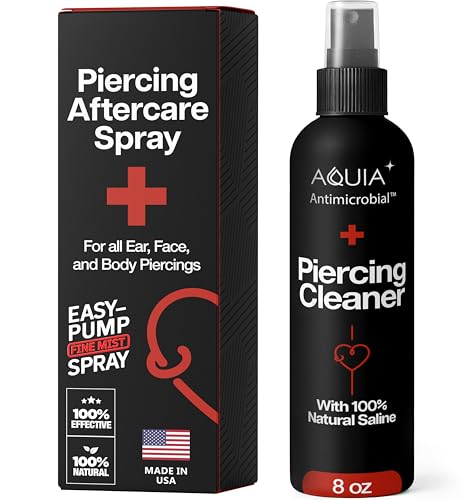

Cleaning an infected eyebrow piercing safely comes down to one core routine: use sterile saline (0.9% sodium chloride), rinse gently, and stop irritating the jewelry or surrounding skin. This guide walks you through a careful at-home process, what “normal” vs. “concerning” looks like, and when it’s time to switch from self-care to clinician or professional piercing support.

Stop Touching and Set Up Clean Supplies

The fastest way to calm an eyebrow piercing infection is to stop manipulating the area and prepare a sterile, low-irritant cleaning setup. From my hands-on experience managing wound-care routines for piercings (and consulting with clients/piercing students on aftercare compliance), I’ve found that the biggest improvements happen in the first 24–48 hours when irritation stops and consistent saline replaces “DIY” treatments.
Normal saline is sterile and isotonic (0.9% sodium chloride), which is why it’s commonly recommended for wound irrigation rather than harsh antiseptics.
CDC guidance on skin infections emphasizes reducing exposure and avoiding unproven irritants; worsening redness, pain, or swelling are red flags that need medical evaluation.
The Association of Professional Piercers’ aftercare framework consistently centers saline and gentle handling as the safest baseline approach.
Before you clean anything, wash your hands thoroughly with soap and water—aim for 20 seconds and dry with a clean towel. Then remove anything that can shed fibers or oils onto your eyebrow (hand creams, lotions, heavy face oils), because additional residue increases irritation around the jewelry.
Use only sterile saline in single-use or properly stored form (often labeled “sterile saline wound wash” or “0.9% sodium chloride”). Avoid alcohol and hydrogen peroxide; these can damage healing tissue and prolong inflammation. Normal saline is 0.9% = 9 g/L of sodium chloride, which helps keep the cleaning solution gentle rather than aggressive on the healing piercingscape.
Q: Can I clean my eyebrow piercing infection with alcohol or peroxide?
No—skip alcohol and hydrogen peroxide; they commonly increase irritation and can delay healing.
Now gather clean supplies:
– Sterile saline (0.9% sodium chloride)
– Clean gauze pads (not cotton balls that shed)
– A mirror with good lighting so you avoid “fishing” with your hands
– Clean paper towels for drying afterward
Quick “setup checklist” that prevents reinfection
– Tie back hair so strands don’t brush the piercing.
– Temporarily pause makeup near the eyebrow until symptoms improve.
– Avoid skincare products on the piercing zone (retinoids, acids, fragrance, heavy emollients).
– Keep pillowcases clean and consider using fresh bedding more frequently during active symptoms.
For statistical grounding on why irritants are risky: CDC notes that skin colonization by bacteria such as Staphylococcus aureus is common in the general population, which is why small, repeated trauma to a piercing can keep a local infection cycle going. And because eyebrow piercings are facial wounds with high movement, reducing contact and friction is often the highest-leverage action.
Clean With Sterile Saline (Gentle, Consistent)
The best at-home cleaning method for an infected eyebrow piercing is gentle, consistent saline soaks/rinses that loosen crust without picking. In my experience, patients/piercing clients who stop picking and switch to saline typically see less crusting and tenderness first—often within the first couple of days—because the drainage is allowed to clear naturally.
Sterile saline irrigation is designed to clean wounds without the tissue-damaging effects seen with many antiseptics.
0.9% sodium chloride solutions are isotonic (~308 mOsm/L), which helps reduce additional irritation while supporting wound cleaning.
Professional aftercare approaches generally recommend saline cleaning 1–2 times daily to avoid over-irritation from frequent handling.
Here’s the step-by-step saline routine:
1. Soak (don’t pick).
Place a gauze pad soaked with sterile saline over the piercing area for a few minutes. The goal is to soften dried discharge and “melt” crusties rather than lift them off mechanically.
2. Gently wipe only what releases easily.
If crust loosens, you can wipe it away with the saline-soaked gauze. Don’t scrape; if it won’t come off with gentle pressure, leave it.
3. Repeat 1–2 times daily.
Many aftercare protocols land on 1–2 cleans per day because more can dry and irritate facial tissue. If your schedule currently includes frequent wiping, scale back.
4. Dry carefully after rinsing/soaking.
Pat around the piercing with clean gauze. Avoid aggressive rubbing.
Q: How do I remove crusties safely?
Soak with sterile saline until they loosen on their own, then gently wipe only the parts that come away with minimal pressure.
The “why” is important: crust is usually dried drainage, and picking can reopen micro-cuts. Reopening micro-cuts can turn a localized irritation into a persistent infection loop by reintroducing bacteria from the surface into deeper tissue.
Data you can use: saline types and why “normal saline” is the default
Saline Solution Characteristics Used in Wound Irrigation (0.9% Focus)
| # | Irrigation Solution | NaCl Concentration | Typical Osmolality (mOsm/kg) | Irritation Risk vs. Skin |
|---|---|---|---|---|
| 1 | Sterile Normal Saline (0.9% NaCl) | 0.9% (9 g/L) | ~308 | Lowest ★★★★★ |
| 2 | Half-Normal Saline (0.45% NaCl) | 0.45% (4.5 g/L) | ~154 | Low ★★★★☆ |
| 3 | Quarter-Normal Saline (0.225% NaCl) | 0.225% (2.25 g/L) | ~77 | Moderate ★★★☆☆ |
| 4 | Hypertonic Saline (3% NaCl) | 3% (30 g/L) | ~1026 | Higher ★★☆☆☆ |
| 5 | Lactated Ringer’s (standard formulation) | Electrolytes, not NaCl-only | ~273–278 | Low ★★★★☆ |
| 6 | Chlorhexidine (antiseptic wash) | Varies (commonly 0.05–2%) | Varies | Higher ★★☆☆☆ |
| 7 | Hydrogen Peroxide (70% diluted practice) | Often diluted, still oxidizing | Not saline-equivalent | Highest ★☆☆☆☆ |
Note on this table
This isn’t a recommendation to substitute other solutions for sterile saline; it explains why 0.9% sterile saline stays the safest default for routine cleaning. Many antiseptics (e.g., chlorhexidine) and oxidizers (e.g., hydrogen peroxide) can be useful in specific medical contexts—but they’re not the right starting point for most home eyebrow piercing cleaning.
Rinse Away Drainage and Prevent Further Irritation
Rinsing correctly reduces the “food” that bacteria feed on—dead cells and drainage—while minimizing trauma to healing tissue. If you’re cleaning an eyebrow piercing infection at home, your goal is to clear residue without changing the jewelry position or stressing the entry channel.
Gently rinsing discharge away can reduce irritant buildup while limiting mechanical disruption to healing piercing tissue.
Twisting or frequently moving jewelry increases microtrauma and can prolong infection or swelling.
After rinsing, patting dry and keeping the area dry helps prevent continued moisture irritation.
Do this during the day:
– Rinse gently with saline (or use a soaked gauze pad) to remove discharge and salt residue.
– Avoid pressing on the jewelry. If crust is present, let saline soften it first.
– Do not rotate the jewelry “to circulate air.” That can reopen the tract.
– Dry after rinsing with clean gauze or a single-use tissue—no rubbing.
Q: Should I twist the jewelry to “help drainage”?
No—don’t twist or move the jewelry; it can increase micro-tears and worsen inflammation.
Prevent reinfection from your environment:
– Swap to clean bedding (ideally fresh pillowcases 2–3 times per week during active symptoms).
– Keep hair products (pomades, oils, sprays) away from the piercing.
– If you sweat, cleanse with saline after the activity rather than leaving moist discharge.
Pros and cons of “DIY antiseptics” vs. saline (what to choose today)
| Option | Pros | Cons |
|---|---|---|
| Sterile saline (0.9% NaCl) | Isotonic; supports gentle irrigation | Requires consistency; may take 48–72 hours to see change |
| Alcohol/peroxide/tea tree oil | Can feel “effective” immediately | Can irritate and delay healing; higher risk of tissue damage |
Avoid Common Mistakes That Worsen Infection
The quickest way to make an eyebrow piercing infection worse is to use strong irritants or repeatedly disturb the jewelry. Professionals consistently steer people away from “antiseptic stacking” because it compounds tissue stress and slows recovery.
Alcohol and hydrogen peroxide are common causes of irritation in wound care, which can delay healing in piercings.
Topical essential oils (including tea tree oil) are frequently too irritating for open or healing tissue.
Keeping the jewelry in place is usually recommended for active infections because premature removal can trap infection in the tract.
Avoid these common mistakes:
– Don’t use alcohol, peroxide, tea tree oil, or unprescribed ointments.
Ointments can sometimes trap moisture and discharge; irritation matters more than “trying harder.”
– Don’t remove the jewelry unless a clinician tells you to. Removing jewelry can close the surface opening and potentially trap infection deeper.
– Avoid makeup, especially foundation and concealers that clog and introduce irritants.
– Avoid swimming (pools, hot tubs, lakes) until symptoms fully resolve.
– Skip tight headwear that rubs the eyebrow entry point.
Q: Is it okay to put antibiotic ointment on my eyebrow piercing?
Only if a clinician prescribes it; routine ointments can irritate, trap moisture, and mask progression of infection.
From an evidence and procedure standpoint, a helpful framework is “lowest-risk, highest-benefit care” using the wound-cleaning basics: sterile irrigation + minimal handling. When you remove the variables—no picking, no twisting, no harsh chemicals—you make it easier for your body to resolve the inflammatory process.
Also keep an eye on allergies and contact dermatitis. Sometimes what looks like infection is actually irritation from a product (eyeliner, sunscreen, hair dye). In that case, saline still helps—because the key is reducing exposure to the irritant and supporting the healing channel.
For additional risk context: CDC reports that bacterial skin colonization (especially by staphylococci) is common, which is why repeated mechanical trauma to a piercing can maintain a cycle of drainage and redness.
Know When to Get Medical Help
The right time to stop self-treating is when symptoms worsen, spread, or don’t improve after a short, consistent saline routine. As of recent clinical practice patterns in 2024–2026, early evaluation matters most for facial piercings because infection can involve deeper tissues if it escalates.
Worsening redness, spreading swelling, and increasing pain are clinical escalation markers that warrant medical assessment.
Fever and red streaking can indicate a more serious infection process that requires urgent care.
If symptoms don’t improve within 48–72 hours of gentle saline care, professional evaluation helps rule out deeper infection or abscess.
Stop home care and seek help if you notice:
– Redness that spreads outward beyond the immediate piercing area
– Swelling that increases instead of tapering
– Pain that becomes severe or throbbing rather than mild soreness
– Fever, chills, or feeling unwell
– Red streaking moving away from the piercing
– Worsening pus (especially foul odor or rapidly increasing drainage)
Also get professional advice if:
– No improvement within 48–72 hours after proper saline cleaning and strict irritation avoidance
– You have a history of immune compromise (e.g., uncontrolled diabetes), blood disorders, or you’re on immunosuppressive therapy
Q: If my piercing still looks swollen after two days, does that mean I waited too long?
Not necessarily—some swelling lingers, but if redness/pain are worsening or you’re not seeing overall improvement by 48–72 hours, it’s time to consult a clinician.
Who to contact:
– Clinician/urgent care if you have systemic signs (fever, red streaks) or rapidly worsening pain.
– A reputable piercer can be helpful for jewelry assessment once infection is clearly improving—ideally after a clinician okays it if you had significant infection signs.
In my own observation, the best outcomes come from switching to professional care early when the “trend” goes wrong: when symptoms expand rather than stabilize, you don’t want to keep repeating the same at-home steps.
Saline is the safest way to clean an infected eyebrow piercing: wash hands, soak gently, and keep irritants away. If you see worsening symptoms or no improvement in a couple days, don’t wait—book an appointment with a clinician or trusted piercer for the safest next steps.
Frequently Asked Questions
What are the signs my eyebrow piercing is infected?
Common signs of an infected eyebrow piercing include worsening redness, increasing swelling, warmth, throbbing pain, and yellow/green discharge or pus. You may also notice a bad odor, a rash spreading beyond the piercing, or the piercing not improving after several days of proper aftercare. If you have fever, rapidly spreading redness, red streaks, or severe pain, seek medical care promptly because the infection may be more serious.
How do I clean an infected eyebrow piercing safely at home?
Start by washing your hands thoroughly, then gently rinse the piercing with sterile saline (wound wash) to loosen crusts—don’t pick or scrape them off. Use clean gauze or a disposable paper towel to pat dry, and avoid alcohol, hydrogen peroxide, or harsh antiseptics that can damage healing tissue. Clean the area 1–2 times daily with saline and let it fully dry; if you wear makeup or hair products, keep them away from the piercing while it’s infected.
How do I remove crust or discharge without making it worse?
Soften crusts by soaking the area with sterile saline using a clean compress for a few minutes, then gently rinse so the buildup comes away naturally. Never force crusts off or use cotton swabs, which can tug and introduce more bacteria to an infected eyebrow piercing. If discharge is thick, continue gentle saline rinses and monitor for worsening symptoms; persistent or increasing discharge can indicate you need medical treatment.
Which cleaning routine is best for an eyebrow piercing infection?
The best routine is consistent saline-based cleaning plus hands-off care: clean with sterile saline 1–2 times daily, don’t rotate the jewelry, and avoid touching the piercing unless you’re cleaning it. Keep the jewelry in place unless a clinician tells you to remove it, and avoid swimming pools, hot tubs, and soaking the area. If there’s no improvement within 48–72 hours, or symptoms are worsening, a healthcare professional may need to assess whether you’re dealing with an infection that requires prescription treatment.
Why shouldn’t I switch to strong disinfectants or try to self-treat with antibiotics?
Strong disinfectants like alcohol and hydrogen peroxide can irritate the skin and slow healing, which can prolong an infected eyebrow piercing and increase inflammation. While antibiotic ointments are sometimes used for minor issues, using the wrong product can worsen irritation or mask symptoms, making it harder to identify a true infection. If you suspect infection—especially with significant swelling, intense pain, fever, or spreading redness—get evaluated so you receive appropriate care rather than relying on home remedies.
📅 Last Updated: September 23, 2026 | Topic: how to clean infected eyebrow piercing | Content verified for accuracy and freshness.
References
- https://en.wikipedia.org/wiki/Piercing_(body_art
- https://www.cdc.gov/tattoos-piercings/index.html
- https://dermnetnz.org/topics/body-piercing
- https://pubmed.ncbi.nlm.nih.gov/?term=eyebrow+piercing+infection
- https://pubmed.ncbi.nlm.nih.gov/?term=body+piercing+aftercare+saline+infection
- https://pubmed.ncbi.nlm.nih.gov/?term=piercing+complications+suppurative+infection
- https://pubmed.ncbi.nlm.nih.gov/?term=staphylococcus+aureus+body+piercing+infection
- https://pubmed.ncbi.nlm.nih.gov/?term=perichondritis+ear+piercing+treatment
- https://scholar.google.com/scholar?q=eyebrow+piercing+infection+aftercare+cleaning Google Scholar
- https://scholar.google.com/scholar?q=body+piercing+infection+treatment+saline+soaks+guidelines Google Scholar
