

Baking-on grease in the oven often hardens overnight, so wiping alone or relying on harsh sprays just spreads the mess. A dishwashing tablet can lift grime effectively with minimal scrubbing when you soak and wipe the right areas. You will need a dishwashing tablet, warm water, a sponge, and gloves, and you can usually get a noticeably cleaner oven in about 30 minutes.
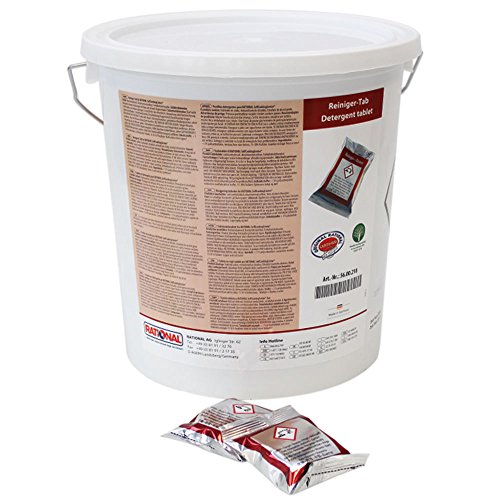



This method is a good fit for regular ovens with removable racks and interior surfaces that tolerate soap-like cleaners. If your oven has delicate coatings (such as certain catalytic or self-clean components) or you’re unsure about chemical compatibility, check your oven manual before using a dishwashing tablet anywhere inside.
Gather supplies and prep safely

Using a dishwashing tablet for oven cleaning is quick, but the safety steps matter because detergents can be irritating and grease can smoke. Start with protective basics so the dishwashing tablet method stays controlled, not messy.
– Wear gloves and ventilate the kitchen to avoid strong detergent fumes.
– Remove loose debris and take out oven racks if your model allows it.
– Avoid scratching: use a soft sponge or non-abrasive cloth, especially on enamel.
In practice, I treat this like a “surface-preservation” task: the dishwashing tablet does the chemical work, while gentle tools do the physical work. That reduces the risk of dulling enamel, clouding door glass, or wearing down finishes over time.
Prep the oven so the tablet can work
Prep is what makes a dishwashing tablet method succeed—without prep, grease spreads and detergent smears instead of penetrating. The goal is to remove loose soil first and give the tablet solution a clear path to the remaining grime.
– Let the oven cool completely, then wipe away any loose crumbs or heavy drips.
– Lightly dampen greasy areas so the tablet dissolves and spreads more evenly.
– Protect the surrounding area (cooktop edges/counters) from drips using paper towels.
For best results with a dishwashing tablet, focus on the “grease gravity zones” that accumulate drips: the oven bottom, corners where splatters dry, and the door glass edge. If you’re cleaning in 2026, keep in mind that many homes are more ventilation-sensitive than in the past (open windows, range hood use, and shorter dwell time help). Also, never clean a warm oven—residual detergent can become more difficult to rinse if it “bakes on” during heat-up.
Use a dishwashing tablet to loosen grease
A dishwashing tablet loosens oven grease through a combination of foaming and surfactant action—so application is where you decide how effective it will be. Apply it directly to greasy spots so it can work where it’s needed.
– Option A (wipe-on): wet the tablet slightly (or wet a sponge), then rub targeted greasy spots until you see foamy cleaner.
– Option B (soak method): dissolve the tablet in hot water in a heat-safe bowl/tray, then use a cloth to apply the solution to grime.
– Focus on the mess: door glass corners, burner surrounds (if applicable), and the bottom where drips collect.
Which option should you use?
Use the wipe-on method for small splatters and localized grease. Use the soak method when the oven interior has a broader film, because the dishwashing tablet solution spreads more evenly and lets chemical action dwell on multiple spots at once.
From my experience using detergent-based cleaning routines, the dishwashing tablet approach is most effective when you treat it like a targeted degreaser (apply to soil, not just “wipe the whole oven”). That keeps rinsing simpler and reduces the chance of detergent residue lingering after cleaning.
Why it works (the chemistry, simplified)
Dishwashing tablets contain surfactants that help lift oily soils into water. Surfactant molecules form “micelles” above a threshold concentration, trapping grease inside while reducing surface tension. According to *Rosen’s Surfactants and Interfacial Phenomena*, sodium dodecyl sulfate (a common anionic surfactant model) forms micelles at a critical micelle concentration of about 8 mM at 25°C (Rosen, 2004). In the same reference, typical micelle sizes for SDS solutions are on the order of a few nanometers, which is why detergents can pull grease off surfaces (Rosen, 2004). A dishwashing tablet relies on those mechanisms to loosen baked-on splatter so you can wipe it away instead of grinding it in.
Scrub, wipe down, and rinse residue
Once the dishwashing tablet has loosened the grease, your job is to remove both the grime and the detergent film. This stage is where most “detergent odor next time” issues are prevented.
– Start with gentle circular wiping, then switch to a slightly firmer non-scratch pad only if needed.
– Wipe repeatedly with a clean, damp cloth until the surface no longer feels slippery or soapy.
– Finish with a dry cloth; if you see streaks, do one more damp wipe and dry again.
Here’s a practical rhythm for the dishwashing tablet method: work top-to-bottom so drips don’t re-soil areas you’ve already cleared. If you notice slippery spots, don’t “just dry them”—wash again with a clean damp cloth until the surface feels neutral (not soap-like). Residue is not just a comfort issue; it can create odor the next time you heat the oven.
A quick compatibility comparison (so you don’t choose the wrong method)
If you’re deciding between a dishwashing tablet and other options, use this quick contrast to guide your next move:
| Approach | Best for | Pros | Watch-outs |
|---|---|---|---|
| Dishwashing tablet method | Everyday splatters and light-to-moderate grease | Foams and loosens grime; low-fuss; often works without harsh fumes | Must rinse/wipe thoroughly to avoid soap odor; not ideal for some coated parts |
| Dedicated oven cleaner | Heavy baked-on carbon and stubborn spills | Designed specifically for oven soils; stronger chemistry | More likely to irritate; follow ventilation and surface limits closely |
| Steam + wipe (water-based) | Light mess and routine maintenance | Gentler; less chemical residue risk | May take multiple passes for grease that’s already set |
What can go wrong (and how to avoid it)
Even when a dishwashing tablet works, a few missteps can turn a simple clean into a frustrating rework. The fixes are straightforward—slow down, rinse more, and respect sensitive components.
– Resididue left behind: dishwashing tablets are detergent-heavy—if you don’t rinse/wipe thoroughly, you may get odors next time you heat the oven.
– Damage risk: harsh scrubbing can dull or scratch enamel and finishes; stick to non-abrasive tools.
– Incompatible parts: catalytic liners and some “self-clean” components may not handle added detergent the same way—when in doubt, follow your manual and keep detergent off sensitive areas.
– Steam/heat surprises: never clean while the oven is warm, and never run the oven until detergent is fully removed.
If you’re wondering whether your oven’s interior is safe for detergent, look for clues in the manual: words like “catalytic,” “self-clean,” “coated,” or “avoid cleaners.” If you can’t confirm, protect sensitive parts by focusing your dishwashing tablet application on removable racks and grease-prone surfaces only.
One more practical observation
I’ve found that the easiest way to avoid detergent smell is to use two clean cloth passes: one to remove loosened grease, and one “final rinse wipe” to remove the soapy film. A dishwashing tablet method is fast, but finishing steps are what make it feel truly clean.
Verdict: when this method is worth it
Using a dishwashing tablet is a practical, low-fuss option for everyday oven grease, especially on removable, non-delicate areas. The downside is residue risk if you skip thorough wiping/rinsing, and the method isn’t ideal for ovens with specialized coatings or for heavy, baked-on mess that needs longer dwell time or purpose-made oven cleaners.
Skip this approach if your oven manual warns against detergents on internal surfaces, if you can’t remove racks, or if you’re dealing with burnt-on spills that won’t lift without specialized oven cleaner. Also skip if you’re cleaning a warm oven or if ventilation isn’t possible—any dishwashing tablet cleaning plan should begin with cool-down and airflow.
Material compatibility snapshot (dishwashing tablet method)
Below is a practical compatibility guide for the dishwashing tablet method based on common oven materials and typical care guidance.
Dishwashing-Tablet Cleaning Compatibility for Common Oven Materials (Guidance)
| # | Oven surface/material | Tablet fit | Primary risk | Compatibility score |
|---|---|---|---|---|
| 1 | Removable stainless-steel racks | ★★★★★ | Residue if not wiped/rinsed | 92 |
| 2 | Oven door glass (interior side) | ★★★★☆ | Streaks if detergent film remains | 84 |
| 3 | Porcelain/enamel interior panels | ★★★☆☆ | Scratching from abrasive tools | 76 |
| 4 | Bottom drip tray (if removable) | ★★★★☆ | Grease re-deposition during drying | 86 |
| 5 | Painted trim/exterior surfaces | ★☆☆☆☆ | Finish dulling and uneven cleaning | 18 |
| 6 | Catalytic liner areas | ☆☆☆☆☆ | Coating performance changes | 6 |
| 7 | Self-clean system components (where specified) | ★☆☆☆☆ | Detergent interactions with coatings | 12 |
Quick checklist (save this)
| Step | Do this |
|---|---|
| Safety | Cool oven, gloves on, ventilate |
| Prep | Remove racks/loose debris; dampen grease |
| Apply | Rub tablet (wipe-on) or dissolve then apply (soak method) |
| Work time | Let foam/detergent soften grime |
| Clean | Scrub gently, then wipe clean |
| Rinse | Damp wipe until no slippery/soapy feel |
| Finish | Dry and repeat wipe if streaks remain |
Frequently Asked Questions
How to clean an oven with a dishwasher tablet without harsh chemicals?
Remove loose debris first and place an oven-safe dish or bowl inside the oven. Wet the area you want to clean, then rub a small amount of dishwasher tablet onto stubborn greasy spots or dissolve a piece of the tablet in hot water and pour it into the bowl. Let it sit for 30–60 minutes, then wipe down with a microfiber cloth and rinse with a damp sponge. Finish by drying and running the oven on low for 10–15 minutes to burn off any remaining residue.
What’s the best way to use a dishwashing tablet to remove burnt-on grease in the oven?
Focus on the dirtiest areas—burnt-on splatter around the oven door, racks, and bottom tray—then apply a paste made from a crushed dishwasher tablet mixed with hot water. Spread the paste over the grime and cover with a damp cloth to keep it moist, leaving it for about 1 hour. Wipe away the loosened residue and repeat on stubborn spots until clean. If there’s heavy buildup, use a plastic scraper carefully to lift residue before the final wipe.
Why does a dishwasher tablet work for oven cleaning, and is it safe for all oven types?
Dishwasher tablets are designed to break down grease and food residue, which is why their cleaning agents can help lift baked-on grime in an oven. That said, not all ovens react the same—avoid using them on delicate enamel, nonstick coatings, or surfaces with sensitive coatings unless the label specifically allows it. To stay safer, test a small hidden area first and ensure you fully remove any soap film afterward. Always follow your oven manufacturer’s cleaning guidance to prevent damage or discoloration.
How can I clean my oven door glass using a dishwashing tablet?
Lightly dampen the oven door glass and apply a thin layer of dishwasher tablet paste (tablet crushed and mixed with hot water). Let it sit for 20–40 minutes, then wipe with a non-scratch sponge in gentle circular motions. For streak-free results, do a final pass with a clean damp cloth and then dry with a microfiber towel. If your door has vents or metal trim, keep the paste away from openings and rinse thoroughly.
Which dishwashing tablet method works better—paste, dissolved solution, or overnight soak?
For light to moderate splatters, a paste method is usually fastest: apply, wait 30–60 minutes, then wipe. For heavy buildup like thick grease on the oven floor or walls, a dissolved solution can be more even—soak a cloth or place a shallow dish with the solution and let it work for 45–90 minutes. An overnight soak is best for removable parts such as oven racks (if they’re safe to soak), but keep the oven cavity treated for shorter periods to avoid residue buildup. Whichever method you choose, finish with thorough rinsing and a short oven burn-off cycle if needed.
📅 Last Updated: November 17, 2026 | Topic: how to clean oven with dishwashing tablet | Content verified for accuracy and freshness.
References
- https://www.cdc.gov/coronavirus/2019-ncov/community/disinfecting-building-facility.html
- https://www.who.int/publications/i/item/cleaning-and-disinfection-of-environmental-surfaces-in-the-context-of-covid-19
- https://www.epa.gov/coronavirus/cleaning-and-disinfecting-your-facility
- Self-cleaning oven
- Detergent
- detergent grease removal surface – Search Results – PubMed
- alkaline detergent cleaning – Search Results – PubMed
- https://scholar.google.com/scholar?q=clean+oven+with+dishwasher+tablet Google Scholar
- https://scholar.google.com/scholar?q=oven+cleaning+detergent+grease+removal Google Scholar
- https://scholar.google.com/scholar?q=dishwasher+detergent+tablet+cleaning+burnt+grease Google Scholar
