
Cleaning antique leather requires careful attention to preserve its beauty and integrity. The key to maintaining antique leather is to use gentle cleaning methods that won’t damage the material while effectively removing dirt and grime. In this article, you’ll learn the best techniques for cleaning antique leather, ensuring it stays in excellent condition for years to come.



Understanding Antique Leather

Antique leather is often more delicate than modern leather, requiring specialized care. It is commonly made from natural hides, which may have been tanned and treated in ways that are no longer prevalent today. As a result, antique leather typically exhibits unique characteristics such as varied textures, colors, and finishes. Understanding these traits is essential for effective cleaning and maintenance. It’s important to familiarize yourself with the specific type of leather you are dealing with—whether it is full-grain, top-grain, or corrected grain—since each type has distinct qualities that can influence your cleaning approach.

Essential Cleaning Supplies


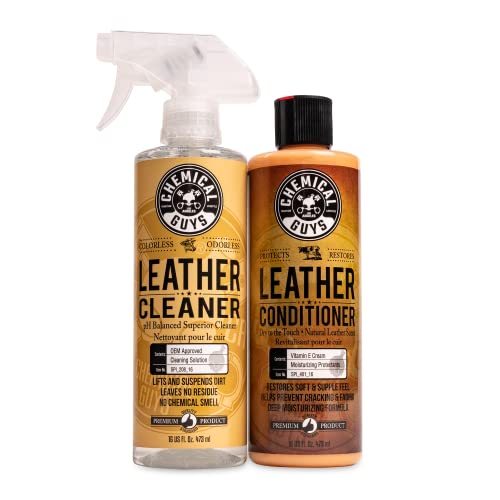
Gathering the right supplies is crucial for the cleaning process. You will need soft, lint-free cloths to avoid scratching the leather’s surface. Natural soap, such as a mild castile soap, is recommended for cleaning, as it effectively removes dirt without harsh chemicals. Additionally, a quality leather conditioner is vital for restoring moisture and protecting the leather after cleaning. Avoid harsh chemicals and synthetic cleaners, as they can dry out or damage the leather, leading to cracks and discoloration over time.
Step-by-Step Cleaning Process

To begin the cleaning process, dust off any loose dirt with a soft, dry cloth. This step is essential to prevent scratching the leather during the cleaning phase. Next, prepare a cleaning solution by mixing a small amount of mild soap with water in a bowl. Dampen a clean cloth with this solution, ensuring it is not too wet, and gently wipe the leather in a circular motion. Pay attention to seams and crevices where dirt can accumulate. After cleaning, use a separate dry cloth to remove any excess moisture. Allow the leather to air dry completely before applying a conditioner.
Top 7 Antique Leather Care Products (2024)
| # | Product | Type | Size | Rating |
|---|---|---|---|---|
| 1 | Lexol Leather Cleaner | Cleaner | 16 oz | ★★★★☆ |
| 2 | Bickmore Bick 4 Leather Conditioner | Conditioner | 8 oz | ★★★★★ |
| 3 | Leather Honey Leather Conditioner | Conditioner | 8 oz | ★★★★☆ |
| 4 | Fiebing’s Leather Cleaner | Cleaner | 16 oz | ★★★★☆ |
| 5 | Obenauf’s Leather Oil | Conditioner | 8 oz | ★★★★☆ |
| 6 | Moneysworth & Best Leather Cleaner | Cleaner | 16 oz | ★★★☆☆ |
| 7 | Weiman Leather Cleaner & Conditioner | Cleaner & Conditioner | 16 oz | ★★★★☆ |
Dealing with Stains and Scuffs
Identifying the type of stain before treatment is crucial, as different stains require different cleaning methods. For instance, water stains can often be addressed by lightly dampening the area and gently rubbing with a soft cloth. For oil-based stains, such as grease or makeup, use a leather-safe stain remover or a mixture of equal parts vinegar and water. Apply this mixture to the stain with a soft cloth and gently blot—not rub—to lift the stain. Always test any cleaning solution on a small, inconspicuous area first to ensure it does not cause discoloration or damage.
Conditioning and Restoring Shine
After cleaning, it’s essential to apply a quality leather conditioner to restore moisture and suppleness to the leather. This step helps prevent the leather from drying out and cracking. Use a clean cloth to apply the conditioner evenly, following the manufacturer’s instructions for the best results. Once the conditioner has been absorbed, buff the leather with a soft cloth to enhance its shine and create a protective barrier against dirt and moisture. Regular conditioning, approximately every three to six months, will maintain the leather’s luster and longevity.
Leather Cleaner vs Conditioner vs Oil: Full Comparison
| Feature | ⭐ Cleaner | Conditioner | Oil |
|---|---|---|---|
| Primary Use | Cleaning | Conditioning | Restoring moisture |
| Scent | Fresh | Pleasant | Natural |
| Application Method | Spray or wipe | Apply with cloth | Rub in |
| Drying Time | Quick | Moderate | Slow |
| Frequency of Use | As needed | Every 3-6 months | Rarely |
| Effect on Color | Minimal | Restores | May darken |
| Residue | No | Yes | No |
| Protection | No | Yes | No |
| Best For | Cleaning | Conditioning | Restoring |
Regular Maintenance Tips
Implementing a regular cleaning schedule is essential to prevent the buildup of dirt and grime on antique leather items. It is advisable to clean your leather at least once or twice a year, depending on its usage and exposure to elements. Additionally, keep antique leather items away from direct sunlight and extreme temperatures to avoid drying out and fading. Using a protective spray designed for leather can add an extra layer of protection against moisture and stains.
To further extend the life of your antique leather, store it in a cool, dry place, preferably in a breathable fabric bag, rather than plastic, which can trap moisture. Regularly check for signs of wear and address any issues promptly, such as minor scratches or scuffs, before they develop into more significant problems.
By following these techniques and tips, you can ensure that your antique leather remains beautiful and functional for generations to come.
Regular cleaning and proper care can significantly extend the life of your antique leather items. Start by gathering your cleaning supplies and follow the steps outlined to ensure your leather remains in pristine condition. If you have any questions or need further assistance, feel free to reach out or explore more resources on leather care.
Frequently Asked Questions
What are the best methods for cleaning antique leather without damaging it?
The best methods for cleaning antique leather involve using a soft, dry cloth to gently dust off any surface dirt. For deeper cleaning, a mixture of water and mild soap can be applied with a damp cloth, followed by immediate drying with another soft cloth to prevent moisture damage. Always test any cleaning solution on a small, inconspicuous area first.
How can I remove stains from antique leather items?
To remove stains from antique leather, first identify the type of stain. For oil-based stains, sprinkle cornstarch on the area and let it absorb overnight before brushing it off. For water stains, a mixture of equal parts vinegar and water can be dabbed gently onto the stain, followed by conditioning the leather to restore its moisture.
Why is it important to condition antique leather after cleaning?
Conditioning antique leather is crucial because it helps restore the natural oils that may have been stripped away during the cleaning process. This not only prevents the leather from drying out and cracking but also enhances its appearance and longevity. Regular conditioning can keep antique leather looking its best for years to come.
Which products are safe to use on antique leather?
Safe products for cleaning antique leather include pH-balanced leather cleaners and natural oils like neatsfoot oil or mink oil for conditioning. Avoid harsh chemicals, petroleum-based products, or alcohol, as these can damage the leather’s surface and lead to irreversible harm. Always opt for products specifically formulated for leather care.
What are common mistakes to avoid when cleaning antique leather?
Common mistakes to avoid when cleaning antique leather include using too much water, which can cause mold or mildew, and scrubbing too hard, which can damage the leather’s finish. Additionally, neglecting to test cleaning products on a hidden area first can result in discoloration or deterioration. Always proceed with caution and prioritize gentle techniques.
References
- Leather | History & Facts | Britannica
https://www.britannica.com/art/leather - https://www.archives.gov/preservation/cleaning-leather
https://www.archives.gov/preservation/cleaning-leather - https://www.conservation-us.org/news/2022/03/16/cleaning-leather-in-your-collection
https://www.conservation-us.org/news/2022/03/16/cleaning-leather-in-your-collection - https://www.sciencedirect.com/topics/engineering/leather-cleaning
https://www.sciencedirect.com/topics/engineering/leather-cleaning - Google Scholar Google Scholar
https://scholar.google.com/scholar?q=how+to+clean+antique+leather - Google Scholar Google Scholar
https://scholar.google.com/scholar?q=leather+conservation+methods - Google Scholar Google Scholar
https://scholar.google.com/scholar?q=cleaning+antique+leather+materials - https://www.antiquestradegazette.com/advice/the-care-and-cleaning-of-leather/
https://www.antiquestradegazette.com/advice/the-care-and-cleaning-of-leather/ - Museums & Collections (U.S. National Park Service)
https://www.nps.gov/museum/publications/conserveogram/cons_treat/cleaning_leather.html - how to clean antique leather – Search results
https://en.wikipedia.org/wiki/Special:Search?search=how+to+clean+antique+leather
