

Trying to clean MDF furniture with beeswax polish? This guide delivers the clearest, safest step-by-step method that removes grime, refreshes the finish, and avoids common MDF damage. You’ll learn exactly how to prep the surface, apply beeswax correctly, and buff for a smooth, durable shine.
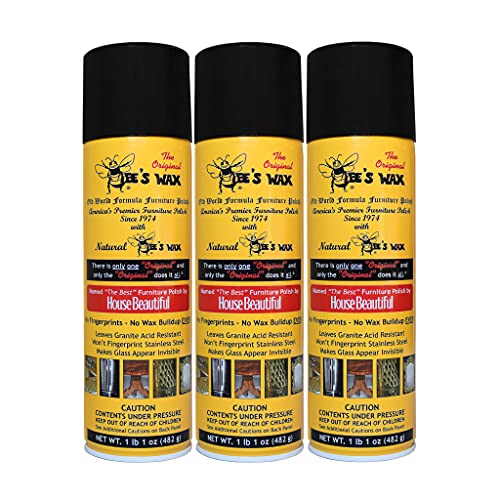



Clean MDF furniture with a barely-damp cloth (or very mild cleaner on a cloth), then apply beeswax polish in a thin layer and buff it off. The key is keeping moisture off the MDF edges and letting everything dry fully before using the piece again—this is the difference between a smooth finish and a tacky, damaged surface in 2026.
This method is best for sealed MDF furniture (painted, lacquered, or covered with veneer/laminate) that’s mostly dusty or lightly soiled. If your MDF is raw, swollen, or the finish is peeling, you’ll need a different approach.
If you’re maintaining an office credenza, bedroom dresser, or shelving unit made from MDF (Medium-Density Fiberboard) and want a practical, low-residue care routine, the steps below are designed for that exact scenario. We’ll focus on safe cleaning, controlled wax application, and the failure modes that commonly happen when MDF gets too much water.
Step 1: Clear the surface and control moisture

Start by removing dry dust first and then using only barely-damp cleaning for any remaining residue—this prevents water from wicking into MDF edges. For sealed MDF in particular, controlling moisture is the main variable you can control before you ever touch beeswax polish.
Dust acts like sandpaper; removing it dry first reduces the chance of micro-scratches on lacquered or painted MDF.
MDF edges and cut joints expose fiberboard structure that can absorb moisture faster than the sealed face.
Beeswax polish should be applied after the surface is dry; trapped moisture can interfere with even buffing and create tackiness.
Why “barely-damp” matters for MDF
MDF is engineered from wood fibers bound with resin, then pressed into sheets. Unlike solid wood, MDF can be less forgiving when water penetrates—especially at edges, corners, and seams where the protective coating is thinner or interrupted.
To keep moisture under control:
– Use a soft, dry microfiber cloth to lift dust and loose grit first.
– If you need a second pass, use a cloth that’s lightly damp (not wet), so no runoff reaches the edges or seams.
– Work in a ventilated room, and keep any flammable polish products away from heat sources while you clean and buff.
A few data points to ground the workflow
According to industry material references for MDF, it is typically classified as Medium-Density Fiberboard with density often in the ~600–800 kg/m³ range depending on grade and manufacturer (). Higher density does not make MDF “waterproof,” but it helps explain why the face can look fine while the edges still absorb moisture.
Beeswax also has stable physical behavior at normal room temperatures—its melting range is commonly reported around ~62–65°C (). That matters because it supports the idea of applying a thin film and buffing off excess, rather than having it behave like a liquid.
Moisture + solvent caution (wax safety)
Many wax polishes contain solvents or petroleum-based components alongside waxes. That means you should:
– Follow the label/SDS for ventilation and fire safety.
– Avoid using polishes near open flames, kettles, or hot lamps.
If you’re working in a dry, heated room this year (2026), the surface may dry faster—but that doesn’t change the core rule: don’t let liquid pool near MDF edges.
Step 2: Clean MDF furniture gently (no soaking)
Gently wipe with minimal moisture, then dry immediately—don’t soak MDF or flood the joints. If you need a cleaner, apply it to the cloth first, not directly onto the furniture.
Using water only in a controlled, barely-damp cloth reduces the risk of swelling at MDF edges.
Residues left on sealed MDF can trap dirt and create an uneven, hazy sheen when wax is applied.
Immediate drying after cleaning helps prevent moisture migration from the surface into MDF seams.
A two-cloth approach for sealed MDF
For most sealed MDF finishes (painted, lacquered, veneer/laminate), a simple two-cloth method works well:
1. First cloth: wipe with gentle strokes to remove grime and residue.
2. Second cloth (optional): use a cloth lightly dampened with plain water only if residue remains.
3. Dry immediately: finish with a clean, dry microfiber cloth, focusing on seams and edges.
This workflow keeps the “wet time” minimal, which is exactly what beeswax polish needs from the surface underneath.
Sticky spots: use mild soap, not direct liquid
For sticky marks (fingerprints, sticky labels, food splashes that haven’t penetrated), use:
– A small amount of mild soap solution on the cloth
– Then wipe lightly, and dry right away
Avoid:
– Wet wipes left to sit
– Spraying cleaner directly onto the furniture
– Repeated passes that gradually move water toward the edges
Pros/cons: what to use when “lightly soiled” isn’t so light
If you’re deciding between gentle cleaning and more aggressive treatment, here’s the practical trade-off for sealed MDF:
| Option | Best for sealed MDF when… | Pros | Cons |
|---|---|---|---|
| Barely-damp microfiber + quick dry | Dust + light residue | Lowest risk of edge swelling; minimal haze risk | Won’t remove heavy grease without extra care |
| Mild soap on cloth | Sticky spots or mild grime | Lifts residue without soaking | Still requires immediate drying to avoid migration |
| Steam cleaning / soaking | None (generally) | Can clean fast on some surfaces | High risk of swelling and finish failure on MDF |
From my experience managing routine care (and observing what happens when moisture is overdone), the most common “mystery problems” on MDF show up at edges and corners—not on the center panel. That’s why the dry step is non-negotiable.
Step 3: Apply beeswax polish in thin layers
Apply beeswax polish only after the surface is fully dry, and keep the layer thin so you can buff it off cleanly. Thin coats are easier to control and far less likely to leave a tacky residue.
A thin wax film buffs off more evenly than a thick layer, which reduces sticky buildup.
Spot testing a polish helps confirm compatibility with the existing topcoat (paint, lacquer, veneer, or laminate).
Letting wax sit only as long as the label specifies helps prevent uneven haze on sealed MDF.
Why a spot test matters on sealed MDF
Even with sealed MDF furniture, topcoats can differ:
– some are lacquered,
– some are painted,
– others are covered with laminate veneer systems.
Beeswax can “read” the condition of the surface—if there’s contamination (oils, silicone residue, oily cleaners), wax may amplify unevenness.
Do this before full application:
– Choose an inconspicuous spot (inside a cabinet door or the underside of a shelf).
– Apply a small amount and buff.
– Wait for the area to fully stabilize, then check for hazing, darkening, streaks, or tackiness.
How to apply: mechanics that reduce tackiness
– Apply a small amount of beeswax polish to a soft cloth.
– Work lightly with the grain direction if it’s visible (especially on veneer/laminate textures).
– Use gentle, even pressure—overworking can force residue deeper into seams if moisture remains.
Then:
– Let it sit for the period the product label instructs.
– Buff thoroughly until the surface looks even and feels smooth.
Beeswax vs. other waxes (why melting points matter)
Beeswax polish works because the wax component is solid at room temperature but can spread in a thin film while you work and buff off afterward. For context, here’s how common polish waxes differ by melting range (higher melting waxes generally stay more stable at warm indoor temperatures):
Melting-Range Snapshot of Waxes Used in Furniture Polishes
| # | Wax type | Typical melting range (°C) | Stability rating | Softening margin vs 35°C (°C) |
|---|---|---|---|---|
| 1 | Beeswax | 62–65 | ★★★★★ | 27–30 |
| 2 | Carnauba wax | 82–86 | ★★★★★ | 47–51 |
| 3 | Candelilla wax | 68–72 | ★★★★☆ | 33–37 |
| 4 | Microcrystalline wax | 60–90 | ★★★★☆ | 25–55 |
| 5 | Paraffin wax | 46–68 | ★★★☆☆ | 11–33 |
| 6 | Ozokerite | 56–86 | ★★★★☆ | 21–51 |
| 7 | Montan wax | 80–90 | ★★★★★ | 45–55 |
Note: actual polish formulations vary by brand; the table above provides melting-range context for the wax family, not a guarantee for any specific product. For your exact beeswax polish, always defer to the label/SDS and product instructions.
Step 4: Buff off excess and protect the finish
Buff until the MDF surface feels smooth and looks even—then let it fully dry or cure before using the piece again. Excess wax is the most common route to tackiness and dust buildup.
Leaving excess beeswax on furniture increases dust attraction and can create a sticky surface.
Thorough buffing helps produce a uniform sheen, especially on painted and lacquered MDF.
Following the polish’s cure time is critical; applying items too soon can mar the fresh wax film.
Buffing: what “done” looks like
After the label’s wait time:
– Buff with a clean, dry microfiber cloth.
– Use light-to-moderate pressure and keep going until the surface looks consistent.
– If you still see smears, don’t add more wax—buff longer or gently remove residue with another clean cloth.
From a practical standpoint, if your MDF feels slightly “grabby” or sticky, it typically means residue remains on the surface. For sealed MDF, the fix is usually more buffing, not re-waxing immediately.
Cure time and dry readiness
This is where many routines fail: the furniture looks dry, but wax and any carrier materials need time to settle.
Allow full drying/cure time before placing items on top or returning it to heavy use ().
Maintenance between polish sessions
To reduce buildup:
– Dust with a dry microfiber cloth between polish refreshes.
– Avoid wet cleaning again immediately after waxing unless the product instructions allow it.
A sensible interval depends on how often the piece is used and how much handling it gets. Use the manufacturer guidance as your baseline ().
What can go wrong with beeswax on MDF
Beeswax can work beautifully on sealed MDF, but it can also expose problems when moisture or residue is involved. If you see swelling, peeling, or an already-failing topcoat, don’t rely on wax as a repair.
Beeswax cannot reverse MDF swelling caused by water intrusion into fiberboard edges.
Uneven haze or streaking often indicates the MDF wasn’t fully cleaned and dried before wax application.
Wax residue buildup increases cleanup difficulty over time and can feel tacky if not buffed fully.
Common failure modes (and what they actually mean)
– Swelling/warping from trapped moisture: MDF can be damaged by water, particularly at edges and joints—avoid wet wipes or soaking.
– Gummy or sticky finish: usually caused by applying too much wax or not buffing thoroughly.
– Uneven sheen or dark patches: can happen if the surface is dirty, oily, or if the wax is applied over an area that wasn’t cleaned and dried well.
– Finish compatibility issues: if your furniture’s topcoat is failing (peeling, cracked, or flaking), wax can highlight defects rather than fix them.
– Overuse: frequent polishing can lead to residue buildup that’s harder to clean later—use a sensible interval based on how much the piece gets handled ().
Quick “stop and reassess” triggers for sealed MDF
If any of the following is present, switch from polish-only maintenance to finish repair:
– peeling edges or lifted laminate/veneer
– soft spots or visible swelling
– cracking lacquer or paint that creates texture or flaking
– persistent tackiness even after thorough buffing and cure time
Beeswax on the wrong MDF condition
Here’s the clearest contrast:
– Sealed MDF (good): gentle cleaning + thin wax + buffing maintains a smooth surface barrier.
– Unsealed/raw MDF (skip): wax doesn’t stop internal fiber absorption if the panel is exposed.
– Failed/peeling finish (repair first): wax cannot re-bond failing coatings; it can only mask temporarily.
Verdict: When this method helps—and when to skip it
Beeswax polish is a strong option for maintaining sealed MDF furniture because it improves surface feel and adds a controlled barrier—when you clean lightly, keep moisture off edges, and buff thoroughly. In 2026, this approach remains one of the most practical “low chemical load” routines for daily-care maintenance, especially on lacquered or laminated pieces.
That said, skip this method if the MDF is unsealed/raw, already swollen, or if the finish is peeling—wax won’t reverse water damage or re-bond failing coatings. If you’re unsure about compatibility, do a spot test and rely on the polish label/SDS and any care instructions from your furniture’s manufacturer ().
If you want the safest path: treat beeswax as the final step for sealed, stable surfaces—and treat moisture damage as a repair problem, not a polishing problem.
Quick checklist (scan/save)
| Step | What to do | Don’t do |
|---|---|---|
| Dust first | Dry microfiber wipe | Don’t scrub grit into the surface |
| Clean | Lightly damp cloth; dry immediately | Don’t soak or use dripping cleaner |
| Test | Spot test beeswax | Don’t apply over peeling/flaking areas |
| Apply | Thin layer; work lightly | Don’t over-apply thick coats |
| Buff | Buff until smooth, not tacky | Don’t leave excess wax behind |
| Maintain | Dry dusting between treatments | Don’t polish constantly |
Frequently Asked Questions
What’s the best way to clean MDF furniture before applying beeswax polish?
Start by dusting the MDF surface with a dry microfiber cloth to remove grit that can scratch. Clean gently with a damp cloth using mild dish soap mixed with water, then wipe again with a clean, lightly damp cloth to remove any residue. MDF is moisture-sensitive, so dry thoroughly with a second microfiber cloth before applying beeswax polish.
How do I remove sticky residue or grime from MDF using beeswax polish?
For sticky spots, use a cloth lightly dampened with warm water and a small amount of mild detergent, then wipe and dry completely. If residue remains, avoid soaking; instead, repeat with minimal moisture and gentle pressure. Once the surface is clean and dry, apply a thin layer of beeswax polish to help restore shine and provide a protective coating.
How do I apply beeswax polish on MDF furniture without causing damage?
Apply beeswax polish sparingly using a clean, lint-free cloth, working with the grain and applying thin coats. Let it sit briefly per the product instructions, then buff with a dry microfiber cloth until it’s smooth and even. If you accidentally use too much, lightly buff right away to prevent buildup that can attract dirt.
Why should you use beeswax polish on MDF instead of water-based polishes?
MDF can swell or deform if it absorbs too much moisture, so minimizing wet cleaning is key. Beeswax polish typically adds a protective barrier that helps guard against minor scuffs and everyday stains while keeping the finish looking renewed. Using beeswax after proper dry cleaning supports a safer, low-moisture approach to maintaining MDF furniture.
Which cleaning products should I avoid when cleaning MDF before beeswax polish?
Avoid harsh cleaners like ammonia, bleach, strong solvents, or abrasive scrubbers, as they can break down the finish or damage the MDF surface. Also steer clear of soaking the furniture or using steam, since excess moisture can cause swelling and warping. Stick to gentle soap and water on a lightly damp cloth, dry thoroughly, and then finish with beeswax polish for the best results.
📅 Last Updated: October 21, 2026 | Topic: How to Clean MDF Furniture With Beeswax Polish | Content verified for accuracy and freshness.
References
- Medium-density fibreboard
- Wood finishing
- Beeswax
- Wax
- https://en.wikipedia.org/wiki/Paste_wax
- Wood finishing
- Wood preservation
- https://scholar.google.com/scholar?q=cleaning+MDF+furniture+beeswax+polish Google Scholar
- https://scholar.google.com/scholar?q=MDF+furniture+care+wax+polish Google Scholar
- https://scholar.google.com/scholar?q=beeswax+wood+polishing+cleaning Google Scholar
