

Preparing for Cleaning

Before you begin the cleaning process, it’s crucial to prepare adequately. Start by unplugging the freezer to ensure safety and prevent any electrical hazards while cleaning. This will also allow the freezer to defrost completely, making the removal of ice and mold easier.


Next, remove all food items from the freezer. Check each item carefully, discarding any that show signs of mold or spoilage. This is not only important for hygiene but also prevents the spread of mold spores to clean food.
To manage the melted ice and water effectively, lay down towels or absorbent mats around the base of the freezer. This will soak up any water from the defrosting process and keep your cleaning area tidy.
Cleaning Solutions to Use


Alternatively, you can create a gentle abrasive cleaner by mixing baking soda with water to form a paste. This paste is effective at scrubbing away stubborn mold without scratching the freezer’s surfaces.
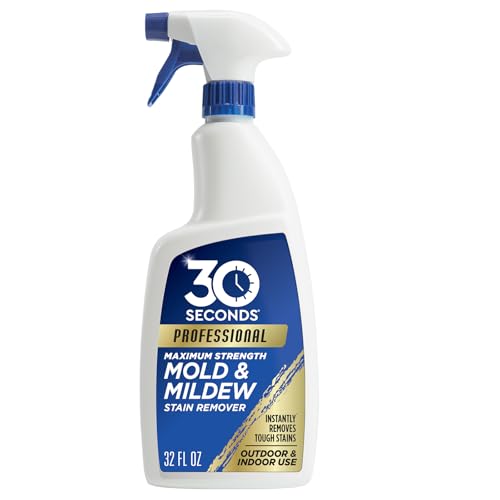
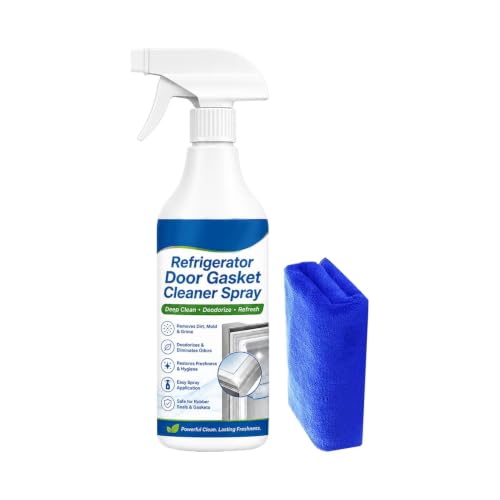
If you prefer a commercial option, ensure that the mold remover is safe for food storage areas. Always read the label carefully to check for any harmful chemicals.
Scrubbing the Mold Away

With your cleaning solution in hand, it’s time to scrub away the mold. Use a soft brush or cloth to apply your chosen cleaning solution to the moldy areas. Be thorough, ensuring you pay special attention to corners, seals, and any crevices where mold may hide.
For areas with heavy mold buildup, let the cleaning solution sit for a few minutes before scrubbing to allow it to penetrate the mold. After scrubbing, it’s crucial to rinse with clean water and wipe dry with a towel to remove any residue from the cleaning solution.
Disinfecting the Freezer
Once you’ve scrubbed away the visible mold, the next step is to disinfect the freezer. A diluted bleach solution is highly effective for this purpose; mix 1 tablespoon of bleach per quart of water. Apply this solution carefully to all surfaces, ensuring that it reaches any previously scrubbed areas.
Allow the disinfectant to sit for 5-10 minutes to effectively kill any remaining mold spores, then wipe it away with a clean cloth. Ensure proper ventilation during this step to avoid inhaling any bleach fumes, as they can be harmful.
Preventing Future Mold Growth
To prevent mold from returning, establish a routine for maintaining your freezer. Regularly check and clean your freezer every few months, especially after long periods of inactivity.
Keep the freezer at the correct temperature, ideally 0°F (-18°C) or lower, to inhibit mold growth. Additionally, ensure that the freezer door seals tightly to prevent moisture from entering, which can create an ideal environment for mold.
Final Steps After Cleaning
After cleaning and disinfecting, allow the freezer to dry completely before plugging it back in. This ensures that no moisture remains, which can lead to mold growth.
Once dry, restock the freezer with fresh, clean food items. It may also be beneficial to place an open box of baking soda inside to absorb odors and moisture, further preventing mold from developing.
Common Mold Types Found in Freezers
| # | Mold Type | Appearance | Health Risks |
|---|---|---|---|
| 1 | Aspergillus | Green or black mold | Allergic reactions, respiratory issues |
| 2 | Penicillium | Blue-green mold | Allergic reactions, respiratory issues |
| 3 | Rhizopus | White to grey mold | Food spoilage, allergic reactions |
| 4 | Cladosporium | Olive-green mold | Respiratory issues, allergic reactions |
| 5 | Alternaria | Dark green to black mold | Respiratory issues, skin irritation |
| 6 | Fusarium | Pink mold | Allergic reactions, food spoilage |
| 7 | Mucor | Grayish-white mold | Respiratory issues, food spoilage |
Effectiveness of Cleaning Solutions Against Mold
Cleaning mold out of your freezer is essential for food safety and appliance longevity. By following the steps outlined in this guide, you can effectively remove mold and take preventive measures to keep your freezer clean. Start your cleaning today and ensure your freezer is a safe storage space for your food!
Frequently Asked Questions
What are the best methods to clean mold out of a freezer?
The best methods to clean mold out of a freezer include using a mixture of warm water and mild detergent or a solution of vinegar and water. First, unplug the freezer and remove all food items. Use a sponge or cloth to scrub the affected areas, ensuring you reach all corners and crevices, then wipe with a clean damp cloth to remove any residue.
How do I prevent mold from growing in my freezer?
To prevent mold from growing in your freezer, ensure it is set to the proper temperature of 0°F (-18°C) or lower. Regularly check for any spills or food residue, and clean the freezer every few months. Additionally, ensure that food items are stored in airtight containers to minimize moisture and condensation.
Why is mold growing in my freezer, and is it dangerous?
Mold can grow in your freezer due to improper sealing, high humidity, or food spoilage before freezing. While most mold types are not harmful at freezing temperatures, some can produce allergens or toxins. It’s essential to clean any mold promptly to maintain a safe food storage environment.
Which cleaning products are safe for removing mold from a freezer?
Safe cleaning products for removing mold from a freezer include natural solutions like vinegar, baking soda, or commercial mold removers that are labeled as food-safe. Avoid using bleach or harsh chemicals, as these can leave harmful residues that contaminate food. Always rinse thoroughly after cleaning to ensure no cleaning solution remains.
How long does it take to thoroughly clean mold out of a freezer?
Thoroughly cleaning mold out of a freezer typically takes about 1 to 2 hours, depending on the severity of the mold and the size of the freezer. This includes the time spent removing food, cleaning surfaces, and allowing the freezer to air out before restocking. Taking your time ensures all areas are properly cleaned and disinfected.
References
- https://www.cdc.gov/mold/cleanup.html
https://www.cdc.gov/mold/cleanup.html - Mold | National Institute of Environmental Health Sciences
https://www.niehs.nih.gov/health/topics/agents/mold/index.cfm - https://www.who.int/news-room/questions-and-answers/item/mould-and-health
https://www.who.int/news-room/questions-and-answers/item/mould-and-health - Mold Cleanup in Your Home | US EPA
https://www.epa.gov/mold/mold-cleanup-your-home - https://www.mayoclinic.org/healthy-lifestyle/consumer-health/in-depth/mold/art-20045386
https://www.mayoclinic.org/healthy-lifestyle/consumer-health/in-depth/mold/art-20045386 - https://www.hud.gov/program_offices/healthy_homes/mold
https://www.hud.gov/program_offices/healthy_homes/mold - https://www.nytimes.com/2020/09/16/smarter-living/how-to-clean-mold.html
https://www.nytimes.com/2020/09/16/smarter-living/how-to-clean-mold.html - Google Scholar Google Scholar
https://scholar.google.com/scholar?q=clean+mold+freezer - Google Scholar Google Scholar
https://scholar.google.com/scholar?q=removing+mold+from+appliances - Google Scholar Google Scholar
https://scholar.google.com/scholar?q=mold+cleaning+methods+freezer
