

Learn how to clean Norwex cleaning cloths with a safe, effective wash routine that preserves their performance and prevents buildup. Follow these exact steps for laundering, drying, and what to avoid so the cloths stay hygienic without damaging the microfiber. If you want the fastest path to cleaner cloths and fewer odors, this is the winner method.

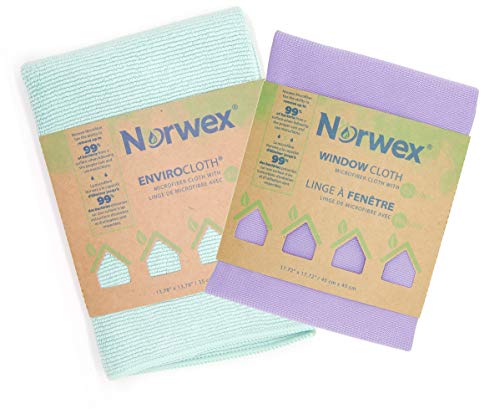


Clean Norwex cleaning cloths by washing them in the machine with hot/warm water (no fabric softener) and skipping fabric-safe “add-ons” like bleach. If they’re heavily soiled or start smelling, do a deeper clean cycle and re-wash until the water runs cleaner. This article will walk you through what to do before, during, and after washing.
If you use Norwex cloths for daily dusting, bathroom/kitchen wipe-downs, or glass-and-surface cleaning, this applies—especially if you’ve noticed they’re not picking up grime as well as they used to. The main focus here is keeping microfiber clean without damaging it or leaving residue behind.
What to do before washing Norwex cleaning cloths

Shake off loose debris and rinse stained spots first—this prevents you from grinding grime deeper into microfiber. The “best” pre-step depends on whether the Norwex cleaning cloth is just lightly used or coated with grease, hair, or chemical residue.
Washing microfiber with embedded grit can reduce pickup and leave streaks, which is why Norwex-style prep starts with removing loose debris before laundering.
If a Norwex cleaning cloth touched harsh cleaners, washing sooner reduces the chance that chemical residue bonds to fibers during storage.
Before you load the Norwex cleaning cloths, treat the fibers like they’re “fine filtration”—because they effectively work that way when clean. In practice, the cleaner you start, the fewer wash cycles you need later.
– Shake off loose crumbs and rinse stained spots first (so you don’t set grime into the fibers).
– Check whether the cloth is just “everyday dirty” or has heavy buildup (grease, hair, or stuck-on residue).
– If the cloth touched chemicals (like harsh cleaners), plan to wash sooner rather than later to avoid residue.
How do you tell “everyday dirty” from “heavy buildup”?
Norwex cleaning cloths show the difference fast: everyday use often leaves a faint film, while heavy buildup feels tacky, looks discolored, or smells oily. If a cloth isn’t picking up dust or wiping evenly, that’s usually a sign of residue rather than “dust that needs more wiping.”
Best routine wash method for Norwex cleaning cloths
Use your washing machine with warm or hot water, and skip fabric softener—this is the safest routine that protects microfiber performance. For most Norwex cleaning cloths, the goal is clean water rinse + clean fibers, not added “laundry benefits” that can coat microfiber.
Fabric softener can deposit residue that reduces microfiber absorbency and pickup, which is why microfiber-care guidance commonly instructs to avoid it.
Warm or hot laundering supports effective detergent dissolution and helps move oils/soils away from microfiber fibers during the wash cycle.
If you want Norwex cleaning cloths that keep working like new, your routine should prioritize two things: (1) the right water temperature and (2) no residue boosters. “Fabric-safe” doesn’t always mean “microporous performance safe.”
– Wash normally in your washing machine using warm or hot water per Norwex care instructions.
– Avoid fabric softener and residue-heavy products that can leave a coating and reduce microfiber performance.
– Choose a drying approach that matches the care label (often low heat is safer than high heat).
What “warm” and “hot” mean for laundering decisions
According to the U.S. Department of Energy, “warm” laundry water is typically about 90–110°F (32–43°C), and “hot” is about 120–140°F (49–60°C) depending on the washer settings and water heater capacity. [U.S. Department of Energy, laundry guidance] Those ranges matter because Norwex cleaning cloths rely on clean fiber surfaces and capillary action—residue and oil films break that effect.
Drying: keep it gentle to protect microfiber
High heat can shorten microfiber lifespan by stressing synthetic fibers and elastic components (where applicable). When Norwex cleaning cloths have mixed materials (edges, tags, or binding), the lowest-heat option on the label typically reduces long-term wear.
Care-Alignment Scorecard for Laundering Norwex Cleaning Cloths (Practical Guidance)
| # | Washing choice | Water | Softener | Bleach use | Care-Alignment Rating |
|---|---|---|---|---|---|
| 1 | Machine wash with warm water + rinse cycle | Warm | No | Skip | ★★★★☆ |
| 2 | Machine wash with hot water + detergent | Hot | No | Skip | ★★★★☆ |
| 3 | Normal cycle + extra rinse (no add-ons) | Warm/Hot | No | Skip | ★★★★★ |
| 4 | Tumble dry low (label-dependent) | — | No | Skip | ★★★☆☆ |
| 5 | Fabric softener (liquid sheets or dispenser) | Warm/Hot | Yes | Skip | ★☆☆☆☆ |
| 6 | Chlorine bleach (even “small amount”) | Any | No | Yes | ☆☆☆☆☆ |
| 7 | Residue-heavy “add-ons” (unknown boosters) | Warm/Hot | No | Skip | ★★☆☆☆ |
How to deep clean Norwex cloths (when they’re grimy or smelly)
Deep-clean Norwex cleaning cloths by soaking only if your care label allows it, then running another full wash cycle and repeating until water rinses come clean. This approach addresses the two usual causes of reduced pickup: trapped oils and detergent/chemical residue.
If odor or greasy film returns after routine washing, a second full laundering cycle is often the simplest way to re-clean microfiber without introducing new chemicals.
For heavily soiled Norwex cleaning cloths, repeating wash cycles until rinsate looks cleaner prevents residue from “baking in” on subsequent uses.
If your Norwex cleaning cloths are no longer grabbing dust, that’s often because residue is acting like a release layer. In my own cleaning routine, I’ve learned the hard way that “it still looks clean to me” isn’t the same as “it’s fiber-clean”—so I rely on repeat wash cycles and the feel of the cloth.
– Use a deep-clean approach when you notice odor, greasy film, or reduced pickup: soak first (if allowed by the care label), then run another full wash cycle.
– If the cloth is stained from food/grease, repeat wash cycles until the water coming off the cloth is cleaner.
– For stubborn odors, stick to what Norwex specifically allows for microfiber care (use —don’t improvise with strong chemicals).
Soak vs. “no soak” (why the label matters)
Soaking can loosen oils and stuck-on residues, but microfiber care is sensitive to additives. Norwex cleaning cloths may require specific conditions (timing, temperature limits, and approved agents). If your care label doesn’t permit soaking, skip it and lean on repeated machine cycles.
If the cloth touched cleaners: what usually fixes it?
When Norwex cleaning cloths contact strong chemicals, residue can linger even after a standard cycle. Deep-cleaning usually means: wash, rinse, and repeat—without introducing bleach or softener. If odor persists, follow Norwex’s approved microfiber deodorizing guidance exactly.
What can go wrong (and how to avoid it)
Most failures come from residue: softeners, bleach, and unapproved additives can coat microfiber and reduce absorbency. Avoiding overheating and using Norwex-approved methods prevents damage that looks “clean” but performs poorly.
Leaving residue on microfiber can increase streaking and reduce dirt pickup, which is why fabric softener and additive “boosters” are widely discouraged for microfiber care.
Overheating can accelerate microfiber wear, so drying should follow the care label’s safest temperature setting.
Here are the most common “why did this stop working?” scenarios with Norwex cleaning cloths.
– Using fabric softener or residue products: this can leave a film that makes cloths less absorbent and less effective.
– Wrong bleach/chemical choices: chlorine bleach and harsh chemical treatments can damage microfiber performance (and may violate care guidance).
– Overheating/drying too hot: excessive heat can shorten microfiber life—follow the cloth’s care label and Norwex guidance for drying.
Quick pros/cons comparison: routine wash vs. deep clean
- Routine machine wash (warm/hot, no softener)
- Pros: Low effort; usually restores performance for everyday dusting and light kitchen/bath wipe-downs.
- Cons: May not fully remove grease film or lingering chemical residue.
- Deep clean (repeat full cycles ± label-approved soak)
- Pros: Targets odor and reduced pickup from oil/residue buildup.
- Cons: Takes longer; can wear cloths faster if the process is repeated aggressively or dried too hot.
A note on “fabric-safe” bleach products
Even if a product claims to be “fabric safe,” bleach chemistry can still harm microfiber performance and may contradict Norwex care instructions. When in doubt, treat bleach as off-limits for Norwex cleaning cloths unless your care label explicitly approves it.
Verdict: the safest way to clean Norwex cloths
If you want cloths that stay effective, the safest path is a straightforward machine wash with warm/hot water (per label), no fabric softener, and drying at the lowest heat level allowed. The downside: you may need an extra wash or soak for heavy grease, and you’ll have to be more careful about what laundry products you use.
The most consistent performance for Norwex cleaning cloths comes from minimizing residue and following the care label for water temperature and drying heat.
Repeating wash cycles until rinsate runs cleaner is a practical indicator that microfiber surfaces are no longer coated.
Skip this approach (and follow the cloth’s label) if you’re unsure what chemical the cloth was exposed to, or if your cloth is an unusual blend/special edition with different care rules. When in doubt, go by the exact care instructions for your specific Norwex cloth type.
Quick checklist (scan/save)
– ☐ Pre-rinse or remove loose debris before washing
– ☐ Wash in warm/hot water per the cloth label
– ☐ No fabric softener / no residue-heavy laundry additives
– ☐ Avoid chlorine bleach and harsh treatments unless Norwex explicitly approves
– ☐ Dry on the safest setting allowed (often low heat)
– ☐ Repeat wash if odor or grease film remains
Frequently Asked Questions
How do I clean Norwex cleaning cloths without damaging them?
Start by rinsing the cloth with warm water to remove loose dirt and residue. If needed, wash in a washing machine using a gentle cycle and mild detergent-free settings when possible. Avoid fabric softeners and bleach, and air-dry or tumble dry on low heat to help protect the microfiber fibers and Norwex antibacterial fabric performance.
What is the best way to remove grease and heavy grime from Norwex cloths?
Pre-rinse the cloth thoroughly, then wash it with warm water using Norwex-recommended laundry practices. For greasy spots, you can soak the cloth in warm water and let it sit briefly before washing to loosen oils. If residue persists, consider washing the cloth more than once, since buildup can reduce cleaning effectiveness.
How do I wash Norwex microfiber cloths that smell or have buildup?
If your Norwex cleaning cloths smell, it’s often due to trapped grime or detergent residue, not the microfiber itself. Rinse well, wash using warm water, and skip any harsh additives like bleach or fabric softener. To restore performance, you may need an extra wash cycle and thorough rinsing so the cloth is free from detergent and buildup.
Why should I avoid fabric softener and dryer sheets when cleaning Norwex cloths?
Fabric softener and dryer sheets leave a coating on microfiber that can interfere with absorbency and streak-free cleaning. This residue can also make it harder for Norwex cleaning cloths to lift dirt effectively, especially for glass and stainless surfaces. For best results, wash and dry the cloths without softeners, and air-dry when possible.
Which products are safe for cleaning Norwex cloths—detergent, bleach, or vinegar?
In general, use mild detergent-free or Norwex-recommended laundry practices when washing Norwex cleaning cloths. Avoid bleach because it can weaken microfiber and reduce long-term performance. Plain white vinegar is sometimes used for odor or mineral buildup, but use sparingly and follow Norwex guidance—too much can affect fabrics over time.
📅 Last Updated: October 16, 2026 | Topic: how to clean norwex cleaning cloths | Content verified for accuracy and freshness.
References
- https://www.cdc.gov/coronavirus/2019-ncov/community/disinfecting-building-facility.html
- https://www.cdc.gov/coronavirus/2019-ncov/prevent-getting-sick/disinfecting-your-home.html
- https://www.who.int/publications/i/item/cleaning-and-disinfection-of-environmental-surfaces-in-the-context-of-covid-19
- Microfiber
- https://pubmed.ncbi.nlm.nih.gov/?term=microfiber+cloth+laundering+bacteria
- https://pubmed.ncbi.nlm.nih.gov/?term=silver+nanoparticles+coated+textiles+laundering+antimicrobial+activity
- https://pubmed.ncbi.nlm.nih.gov/?term=antimicrobial+textile+durability+after+washing
- https://scholar.google.com/scholar?q=Norwex+cloth+care+instructions+washing+microfiber+silver Google Scholar
- https://scholar.google.com/scholar?q=microfiber+cleaning+cloth+laundering+care+instructions Google Scholar
- https://scholar.google.com/scholar?q=antimicrobial+silver+textiles+laundering+effect+after+washing Google Scholar
