

Faded, gritty pavers and spreading weeds are often the result of cleaning them with the wrong pressure or cleaners. You can restore the original color and remove grime safely with a simple rinse, targeted detergent, and gentle scrubbing suited to your paver type. Gather a stiff brush, a garden hose or pressure washer on low, a paver cleaner, and a few clean tools, and you can complete the job in a couple of hours.



If your pavers look dull or stained, the fastest reliable path is to sweep first, then use the mildest paver-safe cleaner that matches the stain—soap and water for everyday grime, a paver cleaner for general discoloration, and only then consider stronger options like degreasers. That sequence matters because aggressive methods can damage joints and make stains come back faster; this article walks you through a practical order so you get real results without unnecessary risk. In 2026, this “clean-to-correct, not clean-to-force” approach is still the most consistent way we see pavers restored without weakening the surface or washing out joint sand. You’ll also learn common mistakes to avoid and how to finish so pavers stay cleaner longer.
If you have patio, walkway, or driveway pavers with everyday grime, algae, mildew, or stubborn spots, this is for you. It’s especially useful if you want a repeatable routine you can do seasonally without guesswork or harsh trial-and-error—because most paver problems are either surface contamination, biological growth in damp areas, or specific stains that need a targeted chemistry.
Gather Your Supplies (Before You Start)

– Use basic essentials first: stiff broom, hose or bucket, and a paver-safe cleaner (not just any household chemical). For baseline cleaning, warm water plus a pH-neutral detergent is usually the least risky way to lift dirt from pavers.
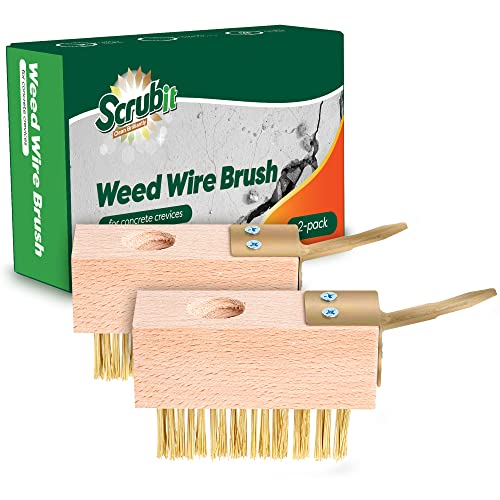
– Choose tools based on the mess: nylon brush for general scrubbing; a sprayer or pressure washer only if your pavers and joints can handle it. Nylon bristles are firm enough for routine pavers, while metal brushes can scratch textured surfaces and encourage faster re-soiling.
– Protect nearby plants and outdoor features by rinsing vegetation and keeping runoff controlled. pavers don’t just look cleaner—runoff control reduces streaking and helps prevent cleaners from migrating into landscape beds.
Prep the Area and Remove Loose Debris
Prep is the difference between “cleaned” and “stained again,” because grit trapped on pavers during washing can grind into the surface. Before you apply any cleaner, do a quick but thorough pre-clean so the chemistry can work on stains instead of sand.
– Sweep thoroughly to get grit and leaves off the surface—grit can “grind in” during washing. This is especially important for pavers with shallow profiles, where dust and sand pack into texture.
– Wet the pavers lightly before applying cleaner to help it work evenly and reduce patchiness. pavers that are fully dry often create cleaner “hot spots” that dry at different rates.
– Clear weeds between joints if they’re actively growing (and avoid digging so hard you lift or break edges). If weed roots are wedged deep, treat gently—damaged edges can shift pavers, making future cleaning less effective and less uniform.
Clean Light Grime and Everyday Stains
For everyday grime, your best outcome comes from a gentle, repeatable method: pre-wet, use a pH-neutral cleaner, scrub lightly, and rinse until runoff is clear. This step is where most pavers recover their “like new” look without needing harsher chemistry.
– Start with warm water and a pH-neutral cleaner or mild dish soap solution for routine dirt buildup. “Neutral” is defined as pH 7 at standard conditions, so you’re avoiding extremes that can stress finishes or jointing materials NIST (pH scale definition).
– Scrub in small sections with a nylon brush, then rinse until water runs clear. Work in manageable areas so you don’t let soap residue dry on the pavers.
– Repeat only if needed—multiple gentle passes usually beat one aggressive attempt. On many paver surfaces, the second pass removes what the first pass loosened but didn’t fully lift.
Cleaner Options for Common Paver Stains (Safety-to-Joints Snapshot)
| # | Cleaner category | Typical chemistry (pH) | Primary target on pavers | Joint-sand safety |
|---|---|---|---|---|
| 1 | Water rinse + pre-wet | ~6.5–8.5 (varies by source) | Loose dirt & dust | ★★★★★ |
| 2 | pH-neutral detergent / gentle soap | ~7 (neutral) | Everyday grime | ★★★★★ |
| 3 | Paver cleaner (surface-active) | Often near-neutral to mildly alkaline | General discoloration | ★★★★☆ |
| 4 | Algae/mildew cleaner (bio-targeting) | Varies (commonly ~5–9) | Green film & biological growth | ★★★☆☆ |
| 5 | Degreaser (alkaline surfactants) | Often mildly to strongly alkaline | Oil & grease transfer | ★★☆☆☆ |
| 6 | Rust stain remover (acidic) | Acidic (commonly ~1–3) | Iron/metal oxidation stains | ★☆☆☆☆ |
| 7 | Efflorescence remover (acidic) | Acidic (commonly ~1–3) | Salt haze on pavers | ★☆☆☆☆ |
Note on pavers: the “joint-sand safety” rating above reflects typical chemistry risk (neutral cleaners are least disruptive; strong acids and heavy degreasers are most likely to affect jointing). Always follow the product label for your exact pavers and joints, since polymeric sand and bedding sand respond differently.
Remove Algae, Mildew, and Green Film
Green film is rarely a “surface-only” issue—algae and mildew are living growths that need a bio-targeted cleaner and enough dwell time to work. If you’ve seen recurring spots after rain, this is the section for restoring pavers without chasing symptoms.
– For organic growth, use a cleaner designed for algae/mildew on pavers (follow label directions closely). These products are formulated to break down or inhibit biological growth rather than just lifting surface dirt off pavers.
– Let the cleaner dwell for the recommended time, then scrub and rinse thoroughly. Skipping dwell time is one reason pavers can look “clean” immediately but re-green within weeks.
– Keep the area drier where possible (better drainage and sunlight reduces regrowth). Even the best algae cleaner performs better when pavers dry faster after rain and foot traffic.
A practical chemistry note for pavers: if your area freezes, water trapped in micro-pores can expand when it turns to ice, potentially worsening surface breakdown over time. According to USGS (water expansion on freezing), water expands by about 9% when it freezes—so protecting pavers from trapped moisture and residue matters, especially during 2026 freeze-thaw seasons.
Tackle Tough Spots (Oil, Grease, Rust)
Tough stains behave differently than grime, so you need targeted chemistry and controlled scrubbing. If you treat oil like algae (or treat rust like dirt), the stain often “sets,” spreads, or reappears as a halo on pavers.
– Use a degreaser or stain-specific remover that’s rated for pavers; apply carefully to avoid spreading. Apply to the stain area first, and don’t flood the surrounding pavers—migration is what makes spots look larger.
– Work from the outside of the stain toward the center to prevent halo marks. This is one of the simplest visual wins for pavers because it controls how oils and dyes travel.
– Avoid metal-brush scrubbing on textured surfaces—scratches can make stains reappear. If the stain is rust or metal-related, choose a rust stain remover made for masonry/pavers and keep contact time strictly to the label.
Here’s a quick pros/cons comparison for pavers when selecting a stain strategy:
| Stain type on pavers | Best-fit method | Pros | Watch-outs |
|---|---|---|---|
| Grease / oil | Paver-safe degreaser | Cuts hydrophobic residue | Can stress joint sand if over-applied |
| Green film | Algae/mildew cleaner | Targets biological growth | Needs dwell time + thorough rinse |
| Rust / iron marks | Rust stain remover (paver/masonry-rated) | Breaks down oxidation stains | Typically acidic—use sparingly and exactly per label |
| Salt haze (efflorescence) | Efflorescence remover made for pavers | Improves “white film” appearance | Can leave residue if rinse/drying isn’t complete |
From what I’ve seen during routine property maintenance troubleshooting, this “stain category → targeted cleaner” mapping is what reduces rework. The pavers don’t just need cleaning; they need the right chemistry for the contaminant present.
Rinse, Let Dry, and Consider Sealing
Rinsing and drying correctly is what prevents “clean but spotted” results—especially on pavers with joints filled by sand. After you’ve treated the stain, use the least aggressive rinse that achieves clean runoff, then finish drying before you seal.
– Rinse using the least aggressive method that achieves clean runoff; over-washing can wash out jointing material. For many paver surfaces, hand rinsing with a hose plus careful brushing gives better control than blasting.
– Allow pavers to dry completely before sealing (timing depends on weather and product instructions). Sealing over moisture can trap residue and create darker patches that attract dirt sooner.
– If you seal, choose a sealer meant for pavers and apply evenly to reduce future staining and fading. (Example considerations to decide: freeze-thaw frequency, rainfall pattern, sun exposure, and whether you’re protecting concrete pavers versus natural stone pavers.)
In 2026, more owners are also prioritizing low-VOC products and stain-reduction performance that doesn’t seal in algae nutrients. Even the best pavers benefit from proper drainage and periodic maintenance washing—sealing isn’t a one-time “never clean again” solution.
What Can Go Wrong (Common Cleaning Mistakes)
Most paver setbacks come from skipping the sequence or using a more aggressive method than the stain requires. When mistakes happen, you usually see either joint damage, discoloration halos, or faster regrowth of green film.
– Using the wrong chemical can discolor pavers or weaken joint sand; always match the cleaner to the stain and paver material. A common example is using degreaser-like chemistry on green film, which may not address the growth and can leave residue.
– Pressure washing too close or too powerful can erode joints and create uneven surfaces. This is one of the fastest ways to create pavers that look “clean” for a day and uneven within a season.
– Skipping the rinse or sealing too soon can trap residue, leading to spots that look worse after drying. If runoff still feels soapy, keep rinsing—residue is one of the biggest causes of streaky pavers.
– Cleaning only the surface while ignoring algae in joints can cause faster return of the green film. If the joints stay damp, pavers often re-develop algae even after surface cleaning.
Verdict / Tip (What to Do First)
Start with sweeping, then a gentle paver-safe cleaner and scrubbing—this approach is the safest for most patios and walkways. Upgrade only if you still see stains: algae/mildew needs an organism-targeting product, while grease and oil need degreasing. Skip stronger chemicals and aggressive pressure settings if your pavers have loose joints, delicate surfaces, or you’re unsure what material they are (e.g., certain stones and finishes). If you want, tell us your paver type and the stain (green film, oil, rust, etc.) and we can suggest the safest next step.
Scan-Save Checklist: How to Clean Pavers
| Step | What to Do |
|---|---|
| 1 | Sweep to remove grit and loose debris |
| 2 | Wet lightly (optional but helps even cleaning) |
| 3 | Use pH-neutral soap/cleaner for light grime |
| 4 | Scrub with a nylon brush in sections |
| 5 | Rinse thoroughly until runoff clears |
| 6 | For algae/mildew: use algae/mildew paver cleaner |
| 7 | For oil/grease/rust: use stain-specific remover |
| 8 | Let dry fully; seal only if appropriate |
What’s the safest way to clean pavers?
Sweep first, then use pH-neutral cleaner and a nylon brush, and rinse thoroughly. Save stronger treatments for specific stain types.
Can I use a pressure washer to clean pavers?
You can, but use caution: high pressure and close distances can erode joints. If you try it, keep it controlled and avoid blasting sand out of the gaps.
How do I clean green algae from pavers without damaging them?
Use an algae/mildew cleaner made for pavers, let it sit for the label-recommended time, scrub gently, then rinse well.
Will sealing pavers help keep them cleaner?
Often yes—sealers can reduce how easily dirt and stains soak in. Make sure the pavers are fully dry and follow the product’s directions.
How often should I clean pavers?
For general maintenance, a seasonal wash or as-needed spot cleaning usually works best. Heavy staining may require repeat treatments until the cause is addressed.
Cleaning pavers is all about using the right method in the right order: sweep and prep first, start gentle for everyday grime, then switch to stain-specific cleaners for algae, mildew, grease, or rust. If you rinse well and avoid harsh scrubbing that damages joints or surface finishes, you’ll get cleaner results with less risk. Pick your stain type, follow the steps above, and tackle one section at a time—then finish by letting everything dry and sealing only if it makes sense for your setup.
Frequently Asked Questions
What’s the best way to clean pavers without damaging them?
Start by sweeping off loose debris and rinsing the pavers with a garden hose to remove grit that can scratch. Use a paver-safe cleaner or a diluted detergent solution, scrubbing with a stiff bristle brush for textured surfaces. Avoid harsh chemicals like bleach or muriatic acid unless the label explicitly says they’re safe for pavers. After cleaning, rinse thoroughly so no residue remains that could attract dirt.
How do I remove algae, moss, or mildew from pavers?
Apply an algae and mildew cleaner made for pavers, following the product instructions for dwell time. Scrub affected areas with a brush, then rinse well to wash away loosened growth. For recurring algae, improve drainage, trim nearby plants, and consider mild periodic treatments to keep pavers from staying constantly damp. Always test the cleaner in a small, hidden area first to confirm color safety.
Which pressure washer settings are safest for cleaning pavers?
Use a fan tip and keep the nozzle at least 8–12 inches from the paver surface to reduce the risk of surface damage. Start with the lowest effective pressure and work in sections, moving the wand steadily rather than holding it in one spot. Pressure washing can also dislodge polymeric sand between pavers, so be ready to re-sand the joints afterward if needed. For very old or uneven pavers, stick to gentle scrubbing and hose rinsing instead.
How can I clean pavers with stubborn stains like grease or rust?
For grease, use an appropriate degreaser or absorbent powder designed for outdoor stone, then scrub and rinse thoroughly. Rust stains often respond to a paver-safe rust remover, applied carefully and rinsed after the recommended time. Avoid soaking the joints excessively, since cleaners can migrate and affect joint sand. Repeat treatment in small increments rather than using stronger chemicals all at once.
Why does my paver driveway look dirty even after cleaning?
If pavers still look dull or gray, the issue may be surface residue, embedded dirt in the pores, or algae returning due to moisture. Make sure you rinse completely after using cleaners, and consider a deeper wash with a paver cleaner formulated for the specific buildup (organic growth vs. mineral staining). Also check the condition of joint sand—missing or washed-out joints can trap debris and make pavers look uneven. Regular sweeping and prompt stain treatment help keep pavers looking clean with less frequent deep cleaning.
📅 Last Updated: November 17, 2026 | Topic: how to clean pavers | Content verified for accuracy and freshness.
References
- https://www.cdc.gov/mold/default.htm
- Mold | US EPA
- https://www.epa.gov/mold/mold-cleanup-and-remediation
- Pressure washing
- Efflorescence
- Algae
- algae removal concrete – Search Results – PubMed
- https://scholar.google.com/scholar?q=cleaning+pavers+pressure+washing Google Scholar
- https://scholar.google.com/scholar?q=efflorescence+removal+concrete+pavers Google Scholar
- https://scholar.google.com/scholar?q=algae+removal+outdoor+concrete+and+stone Google Scholar

[…] Warm water + pH-neutral detergent […]
[…] with mild soap and water, and rinse off pollen, dirt, and leaves promptly. For heavier residue, use gentle scrubbing rather than abrasive pads. Adding routine cleaning as part of your outdoor furniture maintenance […]