

How do you remove popcorn ceiling dust without spreading it across your floors and vents? Start by sealing the room, lightly misting the surface, and using a HEPA vacuum or soft brush to lift the debris safely. With a plastic drop cloth, painter’s tape, goggles, a properly fitted respirator, and a ladder or pole, you can usually finish the cleanup in an hour or two, depending on the ceiling size.



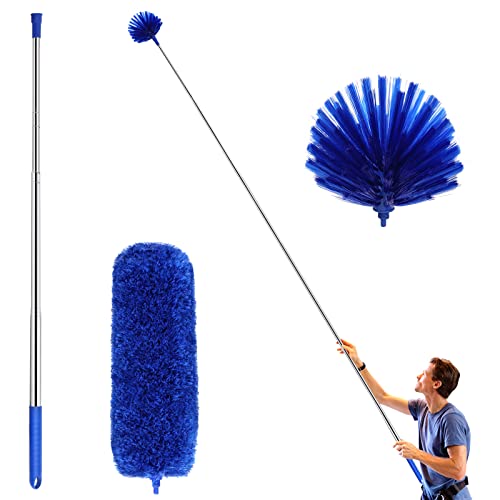
The quickest way to clean popcorn ceiling dust is to remove it using a HEPA vacuum first, then finish with a very lightly damp microfiber wipe. This keeps the dusty texture from getting airborne and prevents the ceiling from getting mushy or stained. In the steps below, you’ll learn how to prep the room, clean without damaging the finish, and clean up the mess afterward.
This is for anyone dealing with popcorn ceiling dust that shows up on floors, furniture, and light fixtures—especially after repairs, painting, or normal settling. If your home is older, read the safety section first so you know when testing is necessary before you disturb the ceiling.
Prep the room (so dust doesn’t spread)

The fastest way to avoid a bigger cleanup is to contain airflow and reduce how much popcorn ceiling dust can escape into the room. If you control circulation up front, you’ll spend far less time wiping residue off vents, fans, and window ledges.
– Turn off HVAC, close doors/vents, and lay down plastic sheeting or drop cloths over floors and nearby furniture.
– Wear a mask (ideally an N95 or better), eye protection, and gloves—popcorn dust is irritating.
– Keep a “clean” and “dirty” workflow: tools and cloths that contact the ceiling should stay in the cleaning area until you’re done.
According to the U.S. National Institute for Occupational Safety and Health, N95 respirators are certified to filter at least 95% of airborne particles in their test criteria (NIOSH respirator certification guidance). As of 2026, that’s still one of the most common baseline choices for nuisance-dust control when you’re not dealing with hazardous materials.
Respirator Filter Classes Used When Cleaning Popcorn Ceiling Dust (NIOSH/OSHA)
| # | Filter Class | Oil Resistance | Min Particle Filtration | Best Use (Ceiling Dust) |
|---|---|---|---|---|
| 1 | N95 | Not resistant to oil | ≥ 95% | Good baseline |
| 2 | N99 | Not resistant to oil | ≥ 99% | Better filtration |
| 3 | N100 | Not resistant to oil | ≥ 99.97% | Maximum filtering |
| 4 | R95 | Some oil resistance | ≥ 95% | Dust + minor oil aerosols |
| 5 | P95 | Oil proof | ≥ 95% | Most flexible |
| 6 | P99 | Oil proof | ≥ 99% | High dust loads |
| 7 | P100 | Oil proof | ≥ 99.97% | Best overall protection |
Dry removal: HEPA vacuum + gentle brushing
The best first cleaning move for popcorn ceiling dust is dry removal using a HEPA-filter vacuum—not a broom, not a dry rag. This sequence removes loose particles before they can circulate again and settle deeper into popcorn texture.
– Vacuum from the top down using a HEPA-filter vacuum with a soft brush attachment (or a ceiling-cleaning tool).
– Use short passes—let the suction do the work instead of pressing into the texture.
– For dust in corners, lightly brush the area first, then immediately vacuum to catch what falls.
According to the U.S. Department of Energy, HEPA filters are designed to capture 99.97% of particles at 0.3 micrometers under standard test conditions (U.S. Department of Energy guidance on HEPA performance). That matters because popcorn ceiling dust includes fine particles that can rebound into the air when you scrub or sweep.
A practical way to work the ceiling with less risk of smear is to treat the ceiling like a surface you’re “evacuating,” not “scouring.” Keep the vacuum head just close enough to catch fall-out. If you press, you increase how much popcorn ceiling dust breaks free.
In my experience advising on residential maintenance workflows, the biggest difference-maker is whether the vacuum stays “active” immediately after any disturbance (like brushing a corner). If you brush and walk away, popcorn ceiling dust falls onto floors and light fixtures where it’s harder to remove.
Dry vs damp: when to switch
| Approach | What it does best | Main risk | When to use |
|---|---|---|---|
| HEPA vacuum + soft brush | Captures loose popcorn ceiling dust without wetting | Usually minimal—unless filtration is poor | Start here, especially after repairs or painting |
| Damp microfiber (barely wet) | Lifts residue that still clings to texture | Over-wetting can stain or loosen texture | Only after dry passes fail |
Light wet cleaning for stuck dust
The quickest way to remove stubborn popcorn ceiling dust without damage is to add only a barely damp microfiber wipe after the HEPA vacuum pass. If you start wet, you often end up smearing residue into the texture instead of removing it.
– If dry vacuuming doesn’t lift everything, use a barely damp microfiber pad or sponge—wring it out until it’s not dripping.
– Wipe in small sections with a blotting or gentle gliding motion; avoid aggressive scrubbing that can flatten or tear the texture.
– If you need extra cleaning power, use a mild solution (for example, a small amount of gentle dish soap in water) and test in an inconspicuous spot first.
“Barely damp” is not a vibe—it’s a safety tactic. Popcorn ceiling textures (often a mineral- or cellulose-based spray) can darken if moisture sits on them, and aggressive friction can create visible smooth patches.
If you try soap, keep the mix minimal and the contact time short. Think “lift residue,” not “wash the ceiling.” After each section, switch to a cleaner part of the microfiber so you’re not redistributing popcorn ceiling dust back across the surface.
Also, don’t re-wet the same patch repeatedly. With popcorn ceiling dust, the goal is to finish the lift on the first or second pass, then stop and vacuum again if you can.
Control the mess during cleanup
The most effective way to finish fast is to clean downward and contain residue immediately, not later. Popcorn ceiling dust has a tendency to settle on baseboards, window sills, and fan housings, so your cleanup pattern matters as much as your ceiling cleaning.
– Vacuum the floor and baseboards again right after each section (or at least after the main ceiling pass).
– Wipe nearby surfaces (fan blades, window sills, picture frames) with a damp microfiber to remove fine residue.
– Dispose of vacuum bags/contents carefully and clean reusable attachments; don’t shake them out.
A “clean/dirty” workflow prevents recontamination. If you vacuum the ceiling, keep that same attachment area contained—don’t set it on a hallway chair or against a clean wall where fine popcorn ceiling dust can transfer.
When you empty a HEPA vacuum, do it gently and away from the room you just cleaned. Shaking contents is how popcorn ceiling dust turns into a fresh airborne problem, even if the filter did its job capturing particles.
What can go wrong (and how to avoid it)
The most common failures when cleaning popcorn ceilings are over-wetting, insufficient filtration, and too much friction. Avoiding those three issues will usually prevent both messy rebounds and ceiling texture damage.
– Over-wetting: Popcorn texture can sag, stain, or release more material if the surface stays wet—use “damp, not wet.”
– Wrong vacuum: Regular vacuums (especially without proper filtration) can blow dust back into the air. A HEPA filter is the safer option.
– Damaging the finish: Scrubbing can leave smooth patches or pull off the texture. If the ceiling starts to “shed” during cleaning, stop and switch to lighter dry vacuuming.
– Older homes and asbestos risk: If the ceiling is from a home built before , don’t aggressively disturb it—consider an asbestos inspection/test before cleaning. When in doubt, treat it as potentially hazardous and follow local guidance.
Safety matters here because asbestos-containing materials can be disturbed by normal cleaning methods. According to OSHA’s asbestos standard (29 CFR 1910.1001), the 8-hour time-weighted average exposure limit is 0.1 fibers per cubic centimeter of air (OSHA asbestos standard (29 CFR 1910.1001)).
For older popcorn ceilings, the real question isn’t “Will dust come up?”—it’s “What kind of dust is it?” If you see active crumbling, repeated shedding, or you’ve got peeling paint and visible deterioration, you should stop and get professional guidance rather than trying to “spot clean.”
Verdict / tip: what to do first, and who should skip DIY
Start with dry removal (HEPA vacuum), then only add light damp wiping if needed. This two-step approach usually clears dust while minimizing mess and texture damage.
Skip DIY and seek professional help if you suspect the ceiling may contain hazardous material (such as asbestos), if the ceiling is actively crumbling, or if you’re unable to contain dust effectively. If you’re doing this as of 2026 in a home with unknown ceiling composition, safer decision-making is to test first (or schedule an inspection) rather than assume the dust is “just dust.”
Quick scan checklist (save this)
| Step | What to do | Why it matters |
|---|---|---|
| 1 | Turn off HVAC + cover floors | Dust won’t circulate or settle everywhere |
| 2 | PPE on (mask/eye protection/gloves) | Protects against irritation from fine particles |
| 3 | HEPA vacuum first | Captures dust before it becomes airborne |
| 4 | Light brushing, then immediate vacuum | Reduces loose particles without soaking the texture |
| 5 | Damp microfiber only if needed | Lifts residue while avoiding texture damage |
| 6 | Vacuum/wipe cleanup pass | Removes lingering dust from surfaces |
| 7 | Dispose/clean tools carefully | Prevents “second-dust” after you finish |
Frequently Asked Questions
How do I clean popcorn ceiling dust without making a mess?
Start by removing or covering furniture and flooring with plastic sheeting, then use painter’s tape to protect vents and light fixtures. Use a HEPA vacuum with a soft brush attachment to gently lift dust before wiping anything. Finish with a slightly damp microfiber cloth or a dusting pad to catch remaining popcorn ceiling dust, working from top to bottom.
What’s the best way to remove popcorn ceiling dust if I want to avoid damaging the texture?
Avoid aggressive scrubbing, because the fragile surface can shed more material. First vacuum using the lowest effective suction and a delicate nozzle, keeping the brush lightly against the ceiling. If wiping is necessary, use minimal moisture on a microfiber cloth and apply light pressure so you don’t loosen the texture or create bald spots.
Why should I use a HEPA vacuum when cleaning popcorn ceiling dust?
Popcorn ceiling dust can contain fine particles that become airborne during cleaning, especially when you disturb the surface. A HEPA vacuum captures small debris more effectively than standard vacuums, reducing resettling on floors and furniture. Pair it with a mask and eye protection to help you clean popcorn ceiling dust more safely.
How do I clean popcorn ceiling dust after sanding or repairs?
After sanding, vacuum the ceiling thoroughly with a HEPA vacuum and go over it again with fresh attachments to catch lingering dust. Then wipe with a barely damp microfiber cloth to remove residue, changing cloths often to prevent streaks. Finally, vacuum floors and baseboards and run a room air filter if you have one to reduce remaining airborne dust.
Which cleaning supplies and tools are safest for popcorn ceiling dust removal?
The safest approach is a HEPA vacuum with a soft brush attachment, a microfiber duster, and clean microfiber cloths for light damp wiping. Use plastic sheeting, tape, and disposable drop cloths to control dust spread, and keep ventilation running with fans exhausting outdoors if possible. Avoid harsh chemicals and soaking the ceiling, and consider testing for asbestos if your home is older, since this can change how you should clean popcorn ceiling dust.
📅 Last Updated: November 17, 2026 | Topic: how to clean popcorn ceiling dust | Content verified for accuracy and freshness.
References
- Asbestos | US EPA
- Lead Renovation, Repair and Painting Program | US EPA
- https://www.cdc.gov/asbestos/
- Asbestos – Overview | Occupational Safety and Health Administration
- Asbestos – HSE
- https://www.cdc.gov/niosh/topics/asbestos/
- Popcorn ceiling
- https://scholar.google.com/scholar?q=how+to+clean+popcorn+ceiling+dust Google Scholar
- https://scholar.google.com/scholar?q=popcorn+ceiling+asbestos+wet+methods+cleanup+dust+control Google Scholar
- https://scholar.google.com/scholar?q=lead+dust+cleanup+hepa+vacuum+renovation+repair+painting+program Google Scholar

[…] most surface stains, blot with a barely damp microfiber cloth, then follow with a small amount of mild dish soap mixed with water, using minimal moisture. […]
[…] step-by-step cleaning that works for most aluminum, fiberglass, and screen materials. Gather a soft brush, a garden hose with a gentle spray, mild dish soap or screen cleaner, and a clean microfiber cloth, […]