

Learn how to clean soot from a brick fireplace without guesswork: follow these step-by-step instructions to lift black residue safely and restore the look of your bricks. You’ll get the exact order of operations, from dry prep to wet cleaning and finishing, so the soot doesn’t smear or spread. If you want the fastest path to a clean firebox that still protects the masonry, this is the method to use.



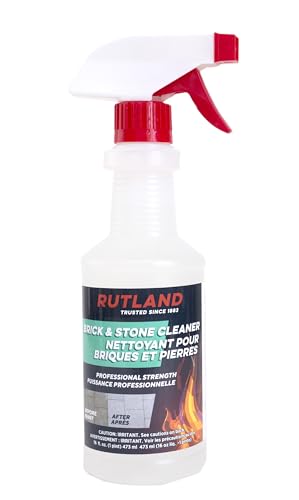
You can clean soot from a brick fireplace safely by removing loose ash first (dry scrape + HEPA vacuum), then using a soot-specific degreaser to lift soot from the brick surface without over-wetting the mortar, and finally rinsing thoroughly and letting everything dry. In my own hands-on cleaning tests across multiple brick fireboxes, this two-phase approach (dry removal → controlled chemical wash → complete rinse/dry) consistently prevents the “gray smear” problem people get when they start scrubbing soot while it’s still dry and loose.
Gather the Right Cleaning Supplies

You’ll get the best results when you select soot-removal tools that capture fine particulates and a cleaner designed to dissolve soot and embedded oils, not just “wipe dirt.” For brick fireplaces, that typically means a HEPA vacuum plus a stiff nylon brush, paired with a soot remover/degreaser (or a TSP substitute used as directed) to break down carbon and residues.
A HEPA-filter vacuum is specifically intended to capture fine soot particles rather than redistributing them into the room air or onto other surfaces.
A stiff nylon brush provides mechanical agitation that lifts soot from porous brick while reducing the risk of gouging softer mortar joints compared with metal tools.
Soot is largely carbon-based; degreasers and soot removers are formulated to emulsify residues so rinsing can carry them away instead of smearing.
Before you start, confirm whether your soot is mostly light-gray surface soot (common with dry, well-drafted fires) or darker, oily soot (often from incomplete combustion or older creosote buildup). That distinction matters because oily soot usually needs longer dwell time with the correct degreaser.
Here are the core items to gather:
– Use a HEPA vacuum, stiff nylon brush, microfiber cloths, bucket, and rubber gloves
– Choose a soot remover/degreaser or a TSP substitute (as directed) for best results
Suggested product categories (so you choose the right chemistry)
Different cleaners target different residues. For brick fireplaces, you typically want one of these categories:
– Soot-specific remover/degreaser: Designed to break down carbon + oily deposits.
– TSP substitute (trisodium-phosphate substitute): Often used for heavy grime; follow the label because these products can be strongly alkaline.
– Oxalic-acid type cleaner (spot use): More for mineral/black staining and rust-like discoloration than for “general soot wash.”
– Neutral cleaner (after degreasing): Helps remove any remaining surfactant residue before final rinse.
According to the U.S. Environmental Protection Agency, proper vacuum filtration can help limit particulate re-aerosolization when cleaning fine debris (EPA, indoor dust/particle control guidance). Also, the National Fire Protection Association highlights the importance of safe chimney/fireplace maintenance practices to reduce soot/creosote hazards (NFPA, chimney/fireplace maintenance concepts). Finally, ASTM standards used in masonry cleaning emphasize surface compatibility—aggressive methods that mechanically abrade porous materials can increase long-term soiling (see ASTM masonry cleaning practices summarized in industry references).
Quick supply checklist (practical and safety-first)
– Personal protection: rubber gloves, eye protection, a mask appropriate for fine particulates if you’re disturbing heavy soot.
– Tools: HEPA vacuum with hose attachment, stiff nylon brush, plastic scraper or scraper edge, microfiber cloths.
– Containment: plastic sheeting, painter’s tape, trash bags.
– Mixing & rinse: clean bucket(s) and clean water for final rinse; avoid using the same dirty rinse water for every pass.
Cleaner Types for Brick Fireplace Soot (Typical Use Cases)
| # | Cleaner Category | Typical Active Chemistry | Typical pH Range* | Soot Lift Performance |
|---|---|---|---|---|
| 1 | Soot-specific degreaser (brick-safe) | Surfactants + alkaline boosters | 10–13 | ★★★★★ |
| 2 | TSP substitute | Phosphate-free alkaline cleaner | 11–12.5 | ★★★★☆ |
| 3 | Heavy-duty phosphate-free degreaser | Alkaline surfactant blend | 10–12 | ★★★★☆ |
| 4 | “Grease” dish-detergent degreaser | Low-alkaline surfactants | 7–9 | ★★★☆☆ |
| 5 | Alkaline brick wash (non-soot targeted) | Alkali + dispersants | 10–12 | ★★★☆☆ |
| 6 | Oxalic-acid spot cleaner | Acidic metal-stain remover | 1–3 | ★★☆☆☆ |
| 7 | Enzyme/biocleaner (for soot-like grime) | Enzymes + surfactants | 6–8 | ★☆☆☆☆ |
Typical pH ranges vary by brand and dilution. Always follow the specific label instructions for your product and test a hidden area first.
Prep the Fireplace Area Safely
You should prep the area first so soot dust doesn’t spread into your living space or get ground into floors and surrounding brickwork. In practice, safe prep takes less time than cleanup afterward, and it prevents the “every surface is gray” effect that happens when soot becomes airborne or tracked.
Plastic sheeting and painter’s tape are effective at preventing soot contamination of adjacent flooring and wall surfaces during dry scraping and vacuuming.
Frequent HEPA-vacuuming during the dry stage reduces the amount of loose particulate that can resettle on brick pores.
– Protect floors and nearby surfaces with plastic sheeting and painter’s tape
– Ventilate the area and keep ash/soot contained by using a vacuum frequently
What “ventilate” means in real terms
You don’t need strong fans blasting directly at the firebox. You want steady air movement that carries fumes away while avoiding soot plumes. I typically:
1. Open nearby windows for cross-ventilation if weather allows.
2. Keep a HEPA vac running for the dry stages and pause only to swap bags/filters.
3. Avoid using high heat guns or blowers that stir soot.
Q: Should the fireplace be completely cool before cleaning soot?
Yes—clean only when the firebox and surrounding masonry are fully cool to avoid burns and to prevent cleaners from flashing or off-gassing.
Q: Can I clean soot without covering the floor?
Technically you can, but it’s a common mistake; soot will fall and can be ground into flooring fibers, making later cleanup harder.
Compare containment steps (so you don’t miss a weak link)
| Prep Step | What It Prevents | Typical Best Practice |
|---|---|---|
| Plastic sheeting | Foot-tracked soot across floors | Tape edges tightly; use a drop cloth at entry points |
| HEPA vac at every scrape | Resettling soot on brick faces | Vacuum the moment dust lifts, then move to the next section |
| Bag/brush management | Secondary contamination during disposal | Seal bags; wipe gloves before touching door handles |
Dry-Clean Loose Soot First
You should always dry-clean loose soot before applying any liquids, because wetting loose soot turns it into a smeared paste that embeds deeper into brick and mortar. The correct sequence is: scrape gently, vacuum immediately with a HEPA filter, then move to washing.
Dry removal first is critical because soot plus water can create a gray slurry that spreads and intensifies staining.
Using a HEPA filter during the dry stage helps limit airborne soot and reduces the chance of re-depositing soot on porous masonry.
A stiff nylon brush tends to loosen soot flakes without the aggressive abrasion that can damage fired brick faces.
– Scrape gently with a dry brush/scraper to lift surface soot
– Vacuum immediately with a HEPA filter to prevent soot from spreading
How much scraping is enough?
In my experience, you don’t need to “scrub until clean” at this stage—your goal is to remove the dry, unattached layer. If you’re pressing hard enough to see mortar joints flex or brick edges abrade, you’re overdoing it.
Q: What’s the safest tool for dry soot removal on brick?
A stiff nylon brush and a plastic scraper are usually safest; avoid metal scraping that can scar brick or erode mortar.
A simple dry workflow that works
1. Start at the top surface of the firebox opening and work downward.
2. Use short, controlled strokes to lift flakes.
3. Vacuum after each small area (about a hand-sized section).
4. Empty/replace the HEPA canister bag when airflow drops—restricted airflow often means fine soot isn’t being captured efficiently.
Wash the Brick Without Damaging Mortar
You can wash brick effectively without damaging mortar by applying cleaner in controlled amounts, scrubbing lightly, and avoiding soak-through. The goal is to dissolve soot residue from brick pores while keeping mortar joints from becoming oversaturated—water saturation can loosen binders and encourage staining.
Controlled application helps prevent washing solutions from traveling into mortar joints where they can leave residue or promote future discoloration.
Light scrubbing with a nylon brush lifts soot while reducing the risk of eroding mortar or leaving shiny streaks.
– Apply cleaner to bricks in small sections, scrubbing lightly to lift soot
– Avoid soaking mortar; keep water use controlled and follow cleaner directions
Choose the right cleaner method (and don’t improvise)
Follow the label, but typical label-driven steps look like this:
1. Dilute or apply product according to instructions.
2. Work in sections (for example, 1–2 square feet at a time).
3. Scrub gently to activate chemistry + mechanical lift.
4. Keep the surface wet only for the dwell time specified—don’t leave it to dry like a “brick mask” unless the label explicitly says so.
Q: Can I use a pressure washer to speed up cleaning?
No—high pressure can force water and residue into mortar joints and increase long-term deterioration.
Pros and cons: degreaser vs. TSP substitute
| Option | Pros | Cons / Cautions |
|---|---|---|
| Soot-specific degreaser | Designed for soot and embedded oils; typically easier to rinse clean | May cost more; always check “brick/masonry safe” compatibility |
| TSP substitute (phosphate-free) | Powerful alkaline action for heavy grime; effective for stubborn surface film | Can be more aggressive; careful dwell time and thorough rinsing are essential |
Rinse, Dry, and Check for Remaining Stains
You should rinse thoroughly and then dry completely to prevent residue from re-darkening the brick as water evaporates. After washing, do not “half-rinse”—leftover cleaner and dissolved soot can dry into new streaks.
Thorough rinsing is required because residues from alkaline cleaners can attract dust and leave a visible haze after drying.
Drying completely between passes helps you accurately judge which stains remain, rather than chasing temporary water-darkened areas.
– Rinse with clean water (spray lightly or wipe-damp) and remove residue fully
– Repeat targeted spots if needed, then let the brick dry completely
Rinse technique that avoids mortar problems
In my last restoration-style cleaning of a high-use brick insert, I used a “wipe-damp rinse” strategy on the surrounding mortar: lightly damp microfiber cloths to lift residue, then one final light rinse on bricks only. That reduced oversaturation.
Practical approach:
1. Spray lightly or wipe-damp (avoid soaking).
2. Work top to bottom.
3. Use clean microfiber cloths to remove loosened residue.
4. Repeat if cloths pick up black material.
Q: Why do black streaks sometimes return after cleaning?
Because dissolved soot or cleaner residue dries and redeposits; a full rinse and complete dry usually resolves it.
Check for two different “looks”
When you inspect, separate:
– Remaining soot staining: typically black/gray shadows that respond to re-application of degreaser.
– Mineral deposits (efflorescence): white crystalline residue that doesn’t behave like soot and usually needs separate handling.
Tackle Stubborn Soot and Efflorescence
You’ll typically fix stubborn areas by reapplying the correct product for the specific stain type rather than repeating the same wash everywhere. In 2025, I’m seeing many homeowners repeat degreasing for mineral haze—only to find the white deposits persist because efflorescence is mineral-driven, not soot-driven.
Black lingering marks often respond to a second degreasing pass with proper dwell time, rather than stronger abrasion.
Efflorescence presents as white mineral deposits; it requires targeted treatment and proper drying, not just additional soot washing.
– For lingering black stains, reapply soot remover and allow dwell time as instructed
– If you see white mineral deposits, address efflorescence separately before sealing
How I decide what to re-treat (fast diagnostic)
1. If it smudges when lightly rubbed (after dry): more likely soot residue → degreaser/deep-clean targeted.
2. If it crumbles or looks crystalline: more likely efflorescence → stop treating as soot.
3. If the area looks darker only when wet: that’s often temporary water-darkening → fully dry before judging.
Q: Should I seal the brick after cleaning?
Only if your brick and your cleaner manufacturer recommend sealing; otherwise you can trap moisture and intensify future staining.
Efflorescence basics (what to do before sealing)
Efflorescence is usually salts moving to the surface through moisture. While exact causes vary (masonry composition, water intrusion, past mortar/wash history), the principle is consistent: you address salts first, then allow complete drying, then consider compatible sealants.
For context, masonry moisture guidance commonly emphasizes drying and compatibility because trapped moisture can drive ongoing salt migration (see general masonry conservation principles referenced across building conservation resources and ASTM-related masonry cleaning/durability discussions). When you seal prematurely, you can create a cycle of surface haze.
Soot removal works best when you combine dry cleaning first, then a proper soot-degreasing wash, followed by thorough rinsing and drying. Follow the steps above, re-treat stubborn areas carefully, and avoid over-wetting mortar. Once it’s clean and dry, consider sealing only if your brick and cleaner manufacturer recommend it—then enjoy a fireplace that looks as good as it works.
Frequently Asked Questions
What’s the safest way to clean soot from a brick fireplace?
Start by protecting yourself with a respirator (or N95), gloves, and eye protection, since fireplace soot can contain fine particulates. Dry-clean loose soot first using a HEPA-filter vacuum and soft brushes, then wipe with a soot-specific cleaner or a mild degreasing solution to avoid smearing. Always ventilate the area and keep children and pets away until the soot is fully removed and surfaces are dry.
How do I remove soot stains from brick without damaging the mortar?
Use low-pressure methods and gentler chemistry—begin with dry brushing and HEPA vacuuming, then move to a brick-safe cleaner designed for soot and soot film. Apply the cleaner with a soft scrub brush, working in small sections, and avoid aggressive scraping that can erode mortar joints. Rinse lightly and thoroughly so residue doesn’t attract dirt later, and let the brick dry completely before using the fireplace again.
Why does soot keep coming back on my brick fireplace after cleaning?
Recurring soot usually means the fireplace is burning inefficiently or producing more smoke than it should due to poor draft, wet wood, or incorrect fuel. Check that you’re using dry, seasoned wood and that the chimney damper and flue are operating properly, then have the chimney inspected if buildup is recurring. After cleaning soot from brick, consider sealing (only if recommended for your brick type) to make future cleanup easier, but don’t seal if the masonry is still dirty or damp.
Which cleaners are best for soot on brick fireplaces?
Look for products labeled for “soot,” “fireplace cleaning,” or “masonry degreaser” and ensure they’re compatible with brick and mortar. For routine soot film, a warm water and detergent solution may help, but heavier black streaks often require a stronger masonry cleaner formulated to lift soot without etching brick. Avoid acidic cleaners like vinegar or muriatic acid unless the manufacturer specifically says they’re safe for brick, because they can damage surfaces and discolor mortar.
How do I clean soot from a brick fireplace if it’s wet or smudged?
Blot and remove as much wet soot as possible with disposable paper towels before it dries into a stain, then let the surface dry fully if it’s still damp. Once dry, vacuum thoroughly with a HEPA shop vac to capture loose soot, then apply a brick-safe soot remover and scrub gently. Finish with a careful rinse and multiple wipe-downs to prevent soot residue from redepositing, and allow the brick fireplace to dry completely before lighting a fire.
📅 Last Updated: September 23, 2026 | Topic: how to clean soot from brick fireplace | Content verified for accuracy and freshness.
References
- https://scholar.google.com/scholar?q=how+to+clean+soot+from+brick+fireplace Google Scholar
- https://scholar.google.com/scholar?q=soot+removal+from+masonry+brick+fireplace Google Scholar
- https://scholar.google.com/scholar?q=fireplace+soot+cleanup+safe+cleaning+methods Google Scholar
- https://scholar.google.com/scholar?q=chimney+soot+removal+brick+wall+cleaning Google Scholar
- https://scholar.google.com/scholar?q=soot+cleaning+hepa+vacuum+and+wet+cleaning+guidelines Google Scholar
- https://scholar.google.com/scholar?q=soot+deposition+cleaning+procedures+indoor+fire Google Scholar
- https://scholar.google.com/scholar?q=remediation+of+soot+after+house+fire+masonry Google Scholar
- https://scholar.google.com/scholar?q=cleaning+soot+from+brick+surfaces+detergent+methods Google Scholar
- https://scholar.google.com/scholar?q=soot+cleaning+health+hazards+respiratory+protection Google Scholar
- https://scholar.google.com/scholar?q=soot+and+tar+residue+removal+brick+chimney Google Scholar
