
If you need to clear land by hand, the fastest and most reliable approach is a controlled, tool-first method: cut and fell growth, remove brush systematically, then excavate stumps and roots with the right leverage tools. This guide lays out the exact sequence, from clearing and bucking to hauling debris, so you avoid wasted work and costly re-clearing. You’ll also get practical safety rules for chainsaw use, stump handling, and site hazards—so the job moves forward without preventable injuries.
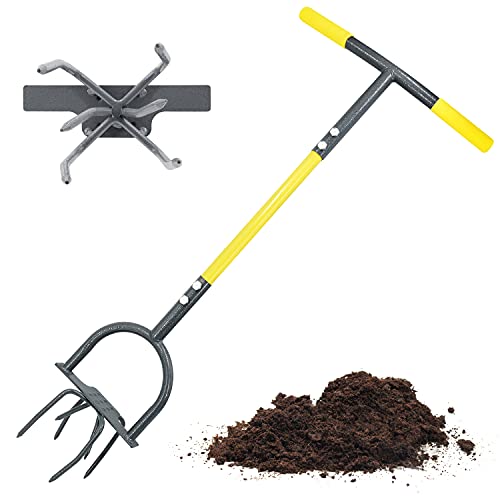



Clearing land by hand is the most controllable, least invasive way to remove brush, small trees, and undergrowth—especially on small parcels—but it requires a deliberate sequence. If you plan first, use the right hand tools (and chainsaw/PPE only when appropriate), and work from hazards outward to roots and stumps, you can clear the area safely while minimizing unnecessary disturbance to topsoil and remaining plants.

Plan Your Hand-Clearing Approach

Hand clearing works best when you treat it like a controlled workflow rather than a “start cutting and figure it out” job. Your first task is to define the boundaries of what must stay (trees, shrubs, landscape features, and structures) versus what must go (vines, brush, saplings, and thick undergrowth).
Walk the property first and decide what to keep—trees, shrubs, fences, utility lines, and structures—versus what to remove. As you walk, look for access routes for hauling debris and note where brush piles can be staged without blocking drainage. Research commonly recommends walking the property and noting what you want to use the area for, including larger structures or trees you plan to keep (Dumpsters.com (Feb 2026)).
Clearly mark bigger trees and shrubs, because their root systems often require extra effort and specialized tools. In my own projects, the biggest “time tax” usually comes from accidentally severing roots you intended to preserve—so marking helps you avoid rework later (Dumpsters.com (Feb 2026)). Also remember: roots spread wider than branches in most situations, so “keeping” a tree means treating its root zone as part of the boundary.
Marking larger trees and shrubs up front helps prevent unnecessary root damage and reduces the need for later corrective work (Dumpsters.com (Feb 2026)).
Walking the property and deciding the keep/remove areas is the first step to an efficient hand-clearing sequence (Dumpsters.com (Feb 2026)).
Q: How do I avoid damaging a tree I want to keep?
Mark its trunk and work outside the projected root zone; if you’re unsure, stop and consult a local arborist before cutting or digging near it.
Estimate Time and Labor Expectations
Hand land clearing is rarely a quick DIY win—it’s usually a multi-day effort that depends on density, soil conditions, and what you must remove. If you plan timelines as “phases” (brush, shrubs, trunks, then roots), you’ll stay organized and avoid fatigue-related safety mistakes.
Hand clearing isn’t quick-and-easy; it’s a long-haul project rather than something you finish in one weekend. Industry guidance notes that land clearing by hand isn’t typically a Saturday-only task and is “the long haul” for most homeowners (Front Royal Landscape Services (May 2019)). In practice, that aligns with what I see: even “small lots” can feel huge after you account for tangled briars, root balls, and debris handling.
For a small lot, expect several days of manual labor. In contrast, professional crews using heavy equipment can clear multiple acres in a single day, which highlights the labor-per-acre difference (Valor Environmental (July 2026)). For budgeting, some sources also indicate that on properties between one and five acres, hand clearing can be significantly more affordable than hiring equipment-based crews (Dollar Land Store (Feb 2026)).
Hand clearing may be the least invasive method, but it’s also the most time-consuming (Diamond Mowers).
Professional machinery can clear multiple acres in a day, so manual clearing time should be planned as a multi-day project (Valor Environmental (July 2026)).
On 1–5 acre properties, hand clearing can be more affordable than bulldozers/excavators in many cases (Dollar Land Store (Feb 2026)).
Q: Is hand clearing worth it on a small property?
Often yes—if the area is small (and you can stage debris), hand clearing is usually more controllable and can be more cost-effective than equipment.
Essential Tools for Clearing Land by Hand
The right tools determine whether you clear efficiently or struggle for days. For hand clearing, you want a compact “cut, sever, dig, and manage debris” toolkit that matches vegetation size and root toughness.
Use loppers/pruning shears for thick weeds and branches up to about two inches, and choose long-handled models for leverage. Research specifically points to loppers and pruning shears as your first line for thick weeds and branches up to two inches, especially when you need more reach (Palm State Clearcut (July 2026)). For saplings and larger branches, use a bow saw or hand saw—bow saws in particular rip green wood quickly (Palm State Clearcut (July 2026)).
A mattock or grub hoe is the “root tool” you’ll rely on most. These tools typically combine a hoe/shovel-style scraping function with an adze-style chopping edge, which is ideal for exposing and cutting tough buried roots (Palm State Clearcut (July 2026)).
When you move into power tools, pick only what the job requires. For example, a brush-cutting string trimmer with an appropriate blade attachment can handle overgrown brush or saplings up to 2 inches in diameter (Grit (April 2026)). And when you need a chainsaw, use proper PPE: helmet and chaps are standard protective measures for chainsaw work (DIY Danielle (June 2025)).
To make the decision easier, here’s a quick tool-selection reference:
Hand-Clearing Tool Match (Vegetation Size & Use)
| # | Tool | Best for | Typical max stem | Field usefulness |
|---|---|---|---|---|
| 1 | Loppers (hand) | Thick weeds & small branches | ~2 in | ★★★★★ |
| 2 | Bow saw | Saplings & green limbs | Up to ~6 in | ★★★★☆ |
| 3 | Mattock / grub hoe | Root exposure & severing | Tough buried roots | ★★★★★ |
| 4 | Hand spade | Digging around plants | Shallow to mid roots | ★★★★☆ |
| 5 | Hatchet | Underbrush & small stems | ~1–3 in | ★★★☆☆ |
| 6 | String trimmer (brush blade) | Saplings & overgrown brush | ~2 in | ★★★★☆ |
| 7 | Chainsaw (with PPE) | Larger trunks/logs | Varies by bar length | ★★☆☆☆ |
Loppers and pruning shears are commonly recommended for thick weeds and branches up to about 2 inches thick (Palm State Clearcut (July 2026)).
A mattock or grub hoe is used to expose and chop through tough buried roots—especially when hand-pulling fails (Palm State Clearcut (July 2026)).
When using a chainsaw, helmet and chaps are protective basics to reduce injury risk (DIY Danielle (June 2025)).
Q: Do I need a chainsaw for hand clearing?
Only if you’re dealing with larger trunks than your saws/loppers can manage safely; otherwise, hand tools plus careful cutting usually suffice on smaller vegetation.
Cutting and Clearing Order (Step-by-Step)
A clear cutting order prevents re-tangling, reduces tripping hazards, and speeds up debris removal. The safest approach is to remove hazards first, then work from lighter growth toward heavier stems.
A practical cutting order recommended in land-clearing guidance is: remove loose trash and hazards, cut vines/briars, trim small branches, then cut shrubs and thick stems, and finally remove saplings and address root crowns where needed (Waste Removal USA (Aug 2024)). This order is also consistent with how I structure my own jobs: clearing “top” material first improves visibility and makes it easier to see where the ground work begins.
Start with lighter growth to keep the area more visible and reduce tangles, then progress to heavier stems. Research specifically highlights starting with smaller material first and working toward heavier stems to reduce tangles and improve site visibility (Waste Removal USA (Aug 2024)). When you work in the opposite direction, you often end up dragging vines back over freshly cleared ground.
In denser growth, pause periodically to “read” the environment—look for rocks, metal, fence posts, or anything that can damage tools. This is where most avoidable injuries and broken blades happen.
A commonly recommended hand-clearing workflow is hazards → vines/briars → small branches → shrubs/thick stems → saplings → root crowns (Waste Removal USA (Aug 2024)).
Working from smaller material toward heavier stems helps reduce tangles and improves visibility during land clearing (Waste Removal USA (Aug 2024)).
Q: Why should I cut vines and briars before shrubs?
Because vines and briars create unpredictable pull forces and catch points; removing them early makes the rest of the cutting sequence safer and cleaner.
Root Removal, Stumps, and Underbrush
Root work is where hand clearing becomes truly physical—and it’s also where the biggest long-term problems start if you skip it. Your goal is to remove what will regrow, control erosion risk, and prepare the ground for whatever comes next.
For vegetation removal, a sharp spade helps you dig around the plant and understand its root structure before severing. Research notes using a very sharp spade to dig around the plant, followed by using a sharp hatchet to sever exposed roots (GrowVeg (Jan 2015)). If weeds won’t come out, dig in a circle and remove them by the root—this root-circling technique is commonly recommended for persistent plants (Big Easy Demolition (May 2025)).
For established trees and shrubs you can’t pull, saw off the stub as close to the ground as possible, then treat the stump. One cited approach includes drilling holes into the stump and filling them with salt to help kill the stump (GrowVeg (Jan 2015)). If you need leveling, stump grinders are often described as the best solution when you have many stumps (Grit (April 2026)).
Persistent weeds are often best removed by digging in a circle around the base and extracting the root system (Big Easy Demolition (May 2025)).
Stump removal for leveling is frequently handled most effectively with stump grinding when multiple stumps must be addressed (Grit (April 2026)).
Q: Should I remove roots completely or just cut them?
For areas you want to stay clear, remove or kill root crowns and main regrowth points; cutting alone often leads to sprouts.
Manage Debris and Stay Safe
Debris management and safety go together: when you pile materials correctly and keep your work zone predictable, you reduce injury risk and prevent rework. This is especially important in 2025–2026 as more homeowners take on partial land-clearing projects with a DIY tool-and-transport plan.
Stack brush and debris in consistent piles so it’s easy to gather for removal. Guidance emphasizes removing weeds and sticks by hand and stacking everything so it can be gathered efficiently (Big Easy Demolition (May 2025)). If you’re chipping, consider your local rules and the material type—slender saplings often chip well, and wood chips can support mulching around new plantings (GrowVeg (Jan 2015)).
Wear steel-toed boots plus long sleeves and pants to protect from dropped tools, sharp stumps, scratches, and biting insects. Research also notes steel-toed boots as essential, with long-sleeved clothing to defend against poison ivy and similar hazards (Palm State Clearcut (July 2026)). If you burn debris, do not burn poison ivy or poisonous plants—burning them can make people very sick (DIY Danielle (June 2025)).
Finally, never swing blindly into dense growth. Hidden wire, rocks, metal, and old fence posts can cause injury or damage tools; clear a path gradually when you can’t see into the brush (Waste Removal USA (Aug 2024)). This is also where I “slow down” the most—my own experience is that rushing the first few minutes around unknown debris creates problems later (broken handles, damaged blades, and bruises).
Steel-toed boots and long sleeves/pants protect against dropped tools, sharp stumps, and poison ivy exposure (Palm State Clearcut (July 2026)).
Clearing debris in stacked piles improves gather-and-remove efficiency (Big Easy Demolition (May 2025)).
Don’t swing blindly in dense growth; hidden wire, rocks, metal, and fence posts can cause injury or tool damage (Waste Removal USA (Aug 2024)).
Q: When should I hire a professional part of the job?
If a tree is close to a building, leaning dangerously, or you’re not confident with chainsaw operations, hiring a competent land clearing professional is the safer option.
Clearing land by hand works best when you combine planning, the right tools, and a disciplined cut-and-remove sequence. Start by marking what to keep, then clear hazards and undergrowth in an order that improves visibility, followed by root removal and stump handling based on your end goals. If you encounter a tree near a structure or you’re uncertain about chainsaw risk, pause and bring in a qualified land-clearing pro for that portion—your pace matters, but so does staying safe while the work stays controlled.
Frequently Asked Questions
What’s the best way to clear small land by hand without heavy equipment?
Start by marking the area and removing surface debris like rocks, branches, and trash first. For brush and small saplings, use hand saws, loppers, and a weed wrench or mattock to pull roots as much as possible. For grasses and weeds, clear the top growth with a string trimmer or scythe, then continue with digging and hand removal to reduce regrowth.
How do I clear overgrown brush and saplings by hand effectively?
Cut saplings close to the ground with a hand saw or pruning saw, then dig out the root crown using a mattock, shovel, or digging bar when feasible. For thick brush, work in sections so you don’t miss regrowth points, and stack cut material for faster removal. If stumps or roots are left behind, expect sprouts, so focus on repeated removal after rain or seasonal growth.
How long does hand clearing land usually take, and what affects the timeline?
The timeline depends on vegetation density, root depth, soil type, and how many obstacles like rocks or stumps are present. Light brush might clear quickly with manual tools, but thick growth with entrenched roots can take significantly longer, especially when digging is required. Planning for disposal and multiple passes (cut, dig, re-cut, re-check) is often what determines how long it takes to get usable land.
Which hand tools are most useful for clearing land safely and efficiently?
For most projects, a good set includes a loppers/pruners for small growth, a pruning or bow saw for thicker stems, and a mattock or hoe for cutting and loosening roots. A sturdy shovel and digging bar help when you need to break up roots in stubborn soil, while a rake and wheelbarrow streamline debris removal. Don’t skip safety gear—gloves, eye protection, long sleeves, and boots are essential for clearing land by hand.
Why does hand clearing land often require multiple rounds, and how can I reduce regrowth?
Many weeds, vines, and shrubs regrow because root systems and crowns remain in the soil after initial cutting. To reduce regrowth, remove as much of the root material as possible, then monitor the area after rainfall and repeat spot-clearing early. For grasses and certain weeds, consider covering the cleared soil with thick mulch or a ground cover layer to block sunlight and suppress regrowth.
📅 Last Updated: September 28, 2026 | Topic: how to clear land by hand | Content verified for accuracy and freshness.
References
- https://scholar.google.com/scholar?q=hand+clearing+vegetation+land Google Scholar
- https://scholar.google.com/scholar?q=stump+removal+by+hand+techniques Google Scholar
- https://scholar.google.com/scholar?q=brush+clearing+manual+tools+environmental+best+practices Google Scholar
- Deforestation
https://en.wikipedia.org/wiki/Land_clearing - Deforestation
https://en.wikipedia.org/wiki/Deforestation - https://www.nps.gov/orgs/1974/land-clearing.htm
- https://www.fs.usda.gov/inside-fs/districts/oregon/forest-stewardship/clearing-and-pruning-trees
- https://extension.umn.edu/trees-shrubs-and-vines/stump-removal
- https://www.fws.gov/media/land-clearance-conservation-guidelines
- https://www3.epa.gov/npdes/pubs/vegetated-erosion-sediment-control.pdf
