

To clean the bottom of your pool effectively, start by using a pool vacuum or a manual skimmer to remove debris and dirt. Regular maintenance, including brushing and checking the filtration system, will keep your pool sparkling. In this article, we’ll explore the best methods and tools to ensure your pool stays clean and inviting.



Understanding Pool Types and Their Maintenance Needs

Different pool surfaces such as vinyl, fiberglass, and concrete require specific cleaning techniques due to their unique properties. For instance, vinyl pools are more susceptible to scratching, meaning that a soft brush is essential to avoid damage during cleaning. In contrast, concrete pools are more durable but are prone to algae growth, necessitating more rigorous scrubbing and chemical treatments. Understanding the composition of your pool surface will guide you in selecting the right cleaning tools and methods.
Knowing the type of filtration system installed in your pool is equally crucial. Different systems, such as sand filters, cartridge filters, or diatomaceous earth filters, have varying maintenance schedules and cleaning requirements. Regularly checking the efficiency of your filtration system can significantly enhance water clarity and quality, making your cleaning efforts more effective.
Essential Tools for Pool Cleaning


A pool vacuum, whether automatic or manual, is crucial for removing debris from the bottom of your pool. Automatic vacuums, such as robotic cleaners, can efficiently navigate the pool floor and walls, ensuring thorough cleaning without requiring much manual effort. On the other hand, manual vacuums offer more control and are often more suitable for quick clean-ups, allowing you to direct suction to specific areas.
In addition to vacuums, a skimmer net is an essential tool for quick surface cleaning. This tool is excellent for removing floating leaves, insects, and other debris before they sink to the bottom, making the cleaning process easier. Investing in a quality skimmer net can save you time and effort in the long run.
Step-by-Step Cleaning Process

1. Skim the Surface: Begin by skimming the surface of the water using your skimmer net. This step removes leaves and debris that could lead to further contamination if they sink to the bottom.
2. Vacuum the Bottom: Next, vacuum the bottom of the pool. Focus on corners and steps where dirt tends to accumulate. If using a manual vacuum, move slowly to ensure that you capture all debris. For automatic vacuums, ensure that the unit is set up correctly to cover the entire pool surface.
3. Check and Clean the Filter: Once you have vacuumed the pool, check your filtration system. Clean or replace the filter as necessary, as a clogged filter can lead to murky water.
Top 7 Pool Cleaning Tools and Their Features
| # | Tool | Type | Efficiency | Price Range |
|---|---|---|---|---|
| 1 | Automatic Vacuum | Automatic | High | $300-$700 |
| 2 | Manual Vacuum | Manual | Medium | $100-$300 |
| 3 | Skimmer Net | Manual | High | $15-$50 |
| 4 | Pool Brush | Manual | Medium | $20-$100 |
| 5 | Robot Skimmer | Automatic | High | $200-$600 |
| 6 | Leaf Blower | Manual | Medium | $50-$150 |
| 7 | Pool Cover | Manual | High | $100-$400 |
Brushing and Scrubbing Techniques
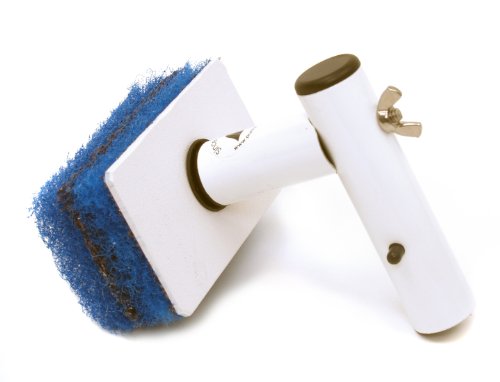
Using a pool brush to scrub the walls and floor of your pool is vital for maintaining cleanliness. Focus on areas where algae or stains are present, as these can quickly spread if left untreated. The bristles of the brush should be appropriate for your pool surface; use softer bristles for vinyl and fiberglass, while stiffer bristles are ideal for concrete.
Regular brushing not only prevents the buildup of dirt and algae but also keeps the pool surfaces smooth and inviting. Establish a routine brushing schedule—ideally once a week—to maintain optimal cleanliness and hygiene in your pool.
Checking and Maintaining Pool Equipment
To ensure your pool remains clean and safe, it’s essential to regularly check and maintain your pool equipment. Make sure your filter is clean and functioning correctly. A clean filter improves water clarity and reduces the load on the cleaning equipment, leading to a more efficient cleaning process.
Regular inspections of hoses, connections, and the skimmer basket are equally important. Look for leaks, blockages, or wear and tear that may affect their performance. Addressing these issues promptly can save you time and money in the long run.
Frequency of Pool Cleaning
Establish a cleaning schedule based on your pool usage and the surrounding environment. For example, pools surrounded by trees may require more frequent cleaning due to falling leaves and debris. Generally, it’s a good practice to skim and check the pool at least once a week, while vacuuming and scrubbing might be done every one to two weeks.Seasonal cleaning tips can help prepare your pool for summer or winter. Before closing your pool for winter, ensure it is thoroughly cleaned to prevent algae growth during the off-season. Conversely, ensure your pool is ready for summer by checking equipment and performing a deep clean.
Troubleshooting Common Cleaning Issues
Cloudy water is a common issue faced by pool owners and can often be resolved with proper chemical balance and effective filtration techniques. Testing your water regularly and adjusting the chemical levels as needed can help maintain clarity and safety.
Algae growth is another prevalent issue that can be tackled with shock treatments and thorough scrubbing. If you notice any discoloration or slime on the surfaces, it’s essential to treat the water with an appropriate algaecide and brush the affected areas to prevent further spread.
Cleaning Frequency Recommendations
Maintaining the cleanliness of your pool’s bottom is essential for both aesthetics and safety. By following these steps, you can ensure your pool remains in top condition for enjoyment. Regular cleaning, along with the right tools and techniques, will create a welcoming swimming environment for family and friends. Start implementing these tips today for a cleaner, healthier pool!
Frequently Asked Questions
What are the best tools for cleaning the bottom of a pool?
The best tools for cleaning the bottom of a pool include a manual pool vacuum, a robotic pool cleaner, and a leaf rake. Manual vacuums allow for precise cleaning of dirt and debris, while robotic cleaners automate the process, saving you time and effort. Additionally, a leaf rake helps to remove larger debris before vacuuming.
How often should I clean the bottom of my pool?
You should clean the bottom of your pool at least once a week to prevent algae buildup and maintain water clarity. If your pool is surrounded by trees or experiences heavy use, consider cleaning it more frequently, potentially every few days. Regular maintenance not only keeps the pool looking good but also ensures a healthier swimming environment.
Why is it important to clean the bottom of the pool regularly?
Cleaning the bottom of the pool regularly is crucial to prevent algae growth, bacteria, and sediment buildup, which can affect water quality and clarity. A dirty pool can lead to costly repairs and can pose health risks to swimmers. Regular cleaning enhances the overall enjoyment of your pool and extends its lifespan.
Which cleaning method is most effective for removing algae from the pool bottom?
A combination of manual vacuuming and using algaecide is the most effective method for removing algae from the pool bottom. Start by vacuuming the affected areas to physically remove the algae, then treat the water with an appropriate algaecide to kill any remaining spores. Following up with proper filtration and brushing will help prevent future algae growth.
How can I prevent debris from accumulating on the bottom of my pool?
To prevent debris from accumulating on the bottom of your pool, consider installing a pool cover when not in use, and regularly use a skimmer to remove floating debris. Additionally, maintaining proper water circulation and using a pool cleaner can help keep the bottom clean. Regularly checking and cleaning your pool’s filter will also enhance its efficiency in trapping debris.
References
- Swimming pool
https://en.wikipedia.org/wiki/Swimming_pool - https://www.epa.gov/healthywater/drinking/swimming/pool-cleaning.html
https://www.epa.gov/healthywater/drinking/swimming/pool-cleaning.html - https://www.cdc.gov/healthywater/swimming/pools/cleaning-pools.html
https://www.cdc.gov/healthywater/swimming/pools/cleaning-pools.html - https://www.unh.edu/healthy-unh/pool-water-quality-and-cleaning
https://www.unh.edu/healthy-unh/pool-water-quality-and-cleaning - https://www.ncbi.nlm.nih.gov/pmc/articles/PMC6732179/
https://www.ncbi.nlm.nih.gov/pmc/articles/PMC6732179/ - https://www.sciencedirect.com/topics/agricultural-and-biological-sciences/pool-cleaning
https://www.sciencedirect.com/topics/agricultural-and-biological-sciences/pool-cleaning - https://www.britannica.com/science/pool-cleaning
https://www.britannica.com/science/pool-cleaning - Google Scholar Google Scholar
https://scholar.google.com/scholar?q=how+to+clean+the+bottom+of+the+pool - Google Scholar Google Scholar
https://scholar.google.com/scholar?q=pool+cleaning+methods+and+techniques - how to clean the bottom of the pool – Search results
https://en.wikipedia.org/wiki/Special:Search?search=how+to+clean+the+bottom+of+the+pool
