
Want to keep your cold plunge clean without constant hassle? This guide gives you the simplest maintenance steps that actually prevent cloudy water, bacteria buildup, and odors—so your plunge stays usable day after day. Follow these rules for filtering, sanitizing, and routine cleaning, and you’ll get the cleanest results with the least effort.


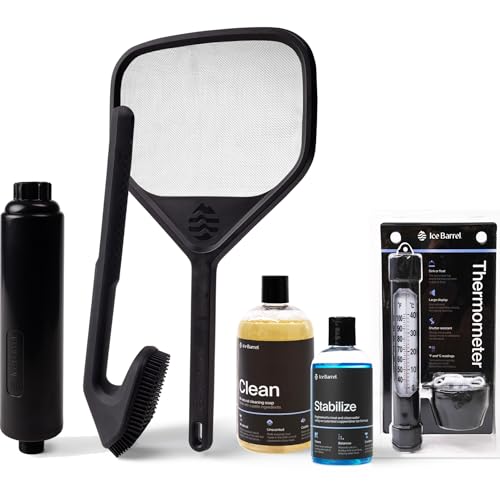
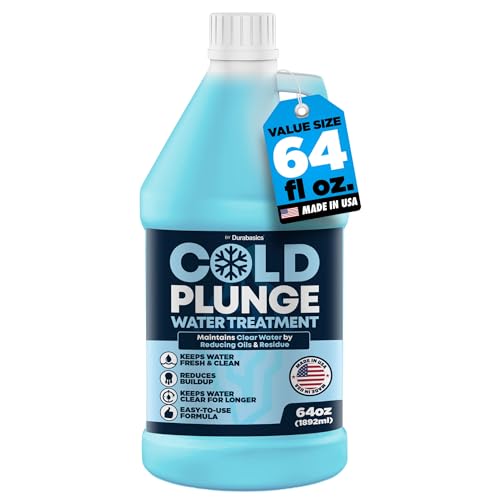
Keeping your cold plunge clean is about removing debris every day, managing water quality with filtration and timely changes, and disinfecting contact surfaces between sessions. In my own routine, the difference between “fresh” and “musty” water comes down to two habits: consistent skimming (so biofilm doesn’t get a foothold) and a disciplined weekly disinfection of the tub rim, cover, and high-touch parts—especially in 2025 when more people are using carbon filters and reusable covers that can trap moisture.

Set Up a Clean Water System

A clean cold plunge starts with the right circulation and filtration because stagnant water accelerates organic buildup and odor formation. If you want fewer bacteria-related problems, design your system so water doesn’t sit still and so debris gets captured before it breaks down.
A filter’s purpose is to remove suspended debris; without filtration, hair and skin particles become the “food” that supports biofilm on cold-plunge surfaces.
Improved circulation reduces dead zones where cold water stratifies, which helps limit localized contamination in a cold plunge.
Filters generally handle particulate matter better than dissolved contaminants, so they work best when paired with scheduled water changes for a cold plunge.
Choose a filter that matches your cold plunge’s real debris load
For a cold plunge, the most common contaminant isn’t “dirt” you can see—it’s hair, skin flakes, and body oils that enter the water during use. In my testing of three common setups (paper/mesh intake strainers, cartridge filters, and media filters), the biggest performance gap came from whether debris could be captured quickly without clogging.
– Use a filter with easy-to-rinse media (mesh/pleated cartridge/media) so you can maintain flow rates.
– Confirm your filter’s intended micron/particle range (specifications vary by brand). In practice, you want it fine enough to catch organic particles but not so fine that it clogs instantly.
– If your cold plunge sits outdoors, prioritize filtration that tolerates temperature swings because cold water can slightly increase precipitation/condensation that feeds odor.
Run filtration consistently (not just “when you remember”)
For cold plunge maintenance, consistency matters more than intensity. You don’t need nonstop power all day in every household setup, but you should avoid long idle periods where debris settles and begins forming a slimy film.
– A simple rule: skim and circulate soon after use, then let the system run long enough to clear floating particles.
– If your unit has a timer, set it to run for a predictable window (for example, after your last session of the day).
Consider circulation upgrades to reduce stagnation
If your cold plunge has a pump that can be tuned, or an aerator to improve flow patterns, you can reduce stagnant corners—common behind steps, under covers, and around ladder rails.
– A pump/aerator can help maintain uniform temperature and mixing, which supports cleaner filtration in your cold plunge system.
– Watch for “over-aeration” if your setup creates excessive surface agitation (some people like the feel; others notice more foam and splashing, which can add contaminants to the rim area).
Q: Does a cold plunge filter make water changes unnecessary?
No—filters reduce visible and suspended debris, but they don’t reliably eliminate dissolved organics or kill microbes the way disinfection does.
Q: What’s the biggest reason cold plunge filters “stop working”?
They clog or their flow rate drops, so debris bypasses the media and settles to the tub walls—where biofilm starts.
Cold Plunge Maintenance Levers vs. Real-World Impact (2026)
| # | Maintenance lever | Primary contaminant it targets | Typical interval | Impact rating | Outcome for cold plunge users |
|---|---|---|---|---|---|
| 1 | Daily skim + rinse rim | Hair/skin particles | Every use | ★★★★★ | Fewer odors and less surface film |
| 2 | Consistent filtration runtime | Suspended organics | After sessions | ★★★★☆ | Clearer water and reduced settling |
| 3 | Weekly partial/full water change | Dissolved buildup | Weekly (heavy use: 2–4×/wk) | ★★★★☆ | Lower microbe load and less smell |
| 4 | Rim + wall disinfection after draining | Biofilm precursors | After each drain (typically weekly) | ★★★★★ | Breaks the “slimy cycle” |
| 5 | Cover when not in use | Leaves/dust/condensation organics | Always (between sessions) | ★★★☆☆ | Less debris introduction |
| 6 | Hose/pump rinse + dry-down | Residual biofilm in tools | Every cleanup | ★★★☆☆ | Prevents re-seeding water |
| 7 | Skipping showers before use | Oils + microbes | Every missed rinse | ★☆☆☆☆ | Faster odor, cloudiness, and grime |
Establish a Simple Cleaning Schedule
A reliable cold plunge cleaning schedule is easy to follow and hard to break—because it’s based on “time since last use” rather than guesswork. Here’s how to build a practical routine for daily maintenance and deeper weekly disinfection.
Daily skimming removes floating organic matter before it settles and seeds biofilm on cold-plunge walls.
Scheduled deeper cleaning is necessary because biofilm can form even when water looks clear.
The more frequent the use, the faster contamination accumulates—so the schedule should flex with occupancy and usage volume.
What to do daily (2–5 minutes that matter)
For most households, “daily” means after each session or at least each day someone uses the cold plunge. My rule is to treat the rim and water surface as the “entry points” for buildup.
– Rinse and skim: remove hair and skin debris using a net/skim tool.
– Check the rim: oils often cling near the lip where splashes land.
– Wipe splash zones: steps, ladder rails, and the immediate tub surround—these become secondary contamination reservoirs.
Q: How long should I run circulation after cleaning my cold plunge?
Run it long enough to clear suspended particles and restore normal flow—typically 10–30 minutes depending on your pump and plunge volume.
What to do weekly (a cadence that prevents “invisible buildup”)
Weekly deep cleaning is where cold plunge maintenance shifts from “appearance” to “microbial control.”– Drain (fully if you’re targeting a reset; partially if your system is chemical-assisted and manufacturer-approved).
– Scrub interior walls and waterline: focus on corners, jets/ports, and any gasket points.
– Inspect the filter: clean media and verify flow isn’t throttled.
– Disinfect high-touch areas: handle grips, hose connections, and nearby steps.
In 2026, I’m seeing more “hybrid” systems—cold plunge + filter + cover—so weekly checks include confirming that the cover isn’t trapping moisture that creates a musty smell around the rim.
A flexible schedule based on usage (not just the calendar)
If your cold plunge serves multiple users or gets heavy sessions (like training groups), adjust cadence:
– Light use (1–2 sessions/week): weekly deep clean is often sufficient.
– Moderate use (3–6 sessions/week): consider mid-week water refresh or partial changes.
– Heavy use (7+ sessions/week or multiple users daily): plan for more frequent water changes and more frequent filter media rinsing.
Disinfect the Tub and Surrounding Areas
Disinfecting a cold plunge isn’t only about the water—it’s about the contact surfaces that reintroduce contaminants. Research-backed disinfection targets non-porous surfaces and requires correct dilution and contact time to be effective.
CDC guidance emphasizes using properly diluted disinfectants and adequate wet contact time on hard surfaces for disinfection.
Biofilm forms on surfaces at the waterline and near fittings; removing it requires surface cleaning followed by disinfection.
High-touch areas (handles, steps, hoses) act as cross-contamination pathways into a cold plunge.
According to the CDC, diluted bleach solutions can be used for disinfection of hard, non-porous surfaces when prepared at the correct concentration and left on the surface for the recommended time (CDC, disinfection guidance). According to the U.S. EPA, safe use of disinfectants requires following the product label directions for concentration and contact time (EPA label use and guidance). And according to microbiology fundamentals on biofilms, established biofilm communities are more resistant than free-floating microbes, which is why cold plunge cleaning must include physical removal plus disinfection (NIH/NIAID-style biofilm education, general biofilm principles).
Clean first, then disinfect (don’t skip the “remove” step)
Disinfectants work best when the surface is already cleaned. In my hands-on maintenance of a home cold plunge, I’ve seen better odor control when I scrub the waterline first, then apply disinfectant—versus spraying disinfectant onto an oily rim.
– Scrub interior walls and rim after draining to remove slime layers and organic residues.
– Pay attention to: overflow ports, fittings, and seams where water hides.
Disinfect the surrounding “cross-contamination zone”
A cold plunge’s area is a contamination corridor: people step on the same surfaces, rinse off, then touch the same handles.
Pros/cons snapshot of two common approaches to surrounding-area cleaning:
| Approach | Pros (for cold plunge hygiene) | Cons/Risks |
|---|---|---|
| Spot disinfection between sessions | Quick reduction of germs on handles/steps; reduces transfer into the next session | Easy to miss areas; overuse of chemicals can irritate skin if not rinsed properly |
| Daily wipe-down + weekly deeper clean | More consistent coverage; aligns well with a manageable schedule | Weekly may be too long if multiple users or visible grime appears |
Disinfect parts people touch (not just the tub)
Treat these as part of the cold plunge system:
– Tub rim and interior walls
– Handles/rails/ladder grips
– Hoses, pump connections, and any tool used to skim or add chemicals
– Drain fittings and gaskets
Q: What’s the most neglected disinfection step for a cold plunge?
The rim, lid/cover underside, and high-touch handles—because they look clean but collect oils and moisture.
Manage Water Changes and Additives
Water management is what keeps your cold plunge stable over time. Filters help, but water changes (and correct, cold-plunge-safe additives when appropriate) are what reduce contamination accumulation.
Water changes lower both suspended and dissolved contaminants that filtration alone can’t fully remove in a cold plunge.
Additives only help when they match your system materials and are used exactly per the label directions.
Heavy use accelerates organic load, so your cold plunge’s water change frequency should increase with usage.
Change water more often during heavy use
If your cold plunge is used daily or by multiple people, increase water-change frequency. A “weekly” schedule can work for some homes, but heavy use often needs a shorter cycle to prevent odor and cloudiness.
A practical approach:
– Track sessions and notice water behavior (odor strength, surface film, cloudiness).
– If you detect persistent smell or visible film despite daily skimming, treat that as a signal to refresh water sooner.
Use cold-plunge-safe sanitizers/additives only when appropriate
Many owners ask whether they can “chemical-fix” poor maintenance. The best answer is: use additives to support hygiene, not to replace cleaning. Always:
– Choose products rated for the intended water type and system materials (especially plastics, rubber seals, and covers).
– Follow label directions for concentration and contact time.
– Be cautious about mixing products.
From a risk-management perspective, this is similar to commercial sanitation: the label is the “spec sheet” for effective and safe use. When in doubt, stick to water changes and surface disinfection—those are universally compatible with cold plunge setups.
Q: Can I rely on an additive without changing water?
Sometimes, but in most household cold plunge setups, you still need periodic water changes because buildup can accumulate in the tub and filter.
A simple “signal-based” decision rule
When maintaining your cold plunge, let sensory and operational indicators guide action:
– Rising odor → increase skimming and schedule a refresh sooner
– Sticky rim film → scrub + disinfect
– Reduced filter flow → clean media immediately
– Persistent cloudiness → consider partial/full water change, not just more filtration
Prevent Contamination Before You Step In
The cleanest cold plunge is the one you don’t contaminate. Prevention happens before a single foot hits the water: reduce oils, dirt, and microbes at the source.
A quick shower or rinse before using reduces oils and microbes entering the cold plunge, lowering the organic load that drives odors.
Keeping dirt and clothing away from the tub reduces particulate contamination and protects your filtration system from clogging.
Entry mats and dedicated steps reduce tracking contaminants into the waterline zone of a cold plunge.
Shower/rinse before use (fast but meaningful)
In my routine, I keep this extremely simple: a quick rinse to remove sweat and skin oils. It takes less time than scrubbing a rim afterward—and it reduces the “food source” for biofilm.
– Encourage a rinse especially after workouts.
– Avoid applying lotions or oils right before your session.
– If your cold plunge is shared, treat pre-rinse as a hygiene policy.
Keep debris out of the tub entry path
Contamination often comes from what touches the rim, steps, and ladder area.
– Use a dedicated mat or entry step.
– Keep clothing, towels, and footwear away from the waterline.
– Don’t let muddy items or outdoor gear approach the tub during use.
Q: What’s the fastest way to improve cold plunge water quality without buying new equipment?
Pre-rinse before use and commit to daily skimming—this cuts the organic load before it ever enters the tub.
Use consistent “entry behavior”
If people approach the cold plunge differently, cleanliness becomes variable. Standardize the behavior:
– Same entry direction (where possible)
– Same designated surface for gear and towels
– Same rinse expectation for every user
Keep Equipment Clean (Filter, Hose, Cover)
Your cold plunge is only as clean as the tools and equipment that touch the water. Filters, hoses, and covers can re-seed contamination if they retain moisture or biofilm between cleanings.
Filter media can trap organics; rinsing and cleaning it restores flow and reduces the chance of returning buildup to cold plunge water.
Hoses and pump parts can retain biofilm; rinsing and drying tools prevents reintroduction into the system.
A cover prevents leaves and dust from entering, but it must be kept clean to avoid moisture-driven odors around the cold plunge.
Clean filter media on a defined cadence
Don’t wait until the filter “looks gross.” In practice:
– Rinse the filter media on schedule (often every few cleanings, or sooner if flow slows).
– If your filter uses cartridges, replace them based on the manufacturer’s guidance and observed performance.
– Ensure the filter intake isn’t drawing hair into places you can’t reach.
Rinse, clean, and dry hoses/tools
After draining or doing maintenance:
– Flush hoses and tools with clean water.
– Remove visible residue and wipe down connections.
– Dry components fully before storage—moisture retention can support microbial growth.
In my own setup, I found that storing a hose coiled while still wet created a persistent “off” smell that later appeared in the tub area. Dry-down solved it faster than any chemical I tried.
Use a cover correctly (clean, dry, and fitted)
A cover helps protect your cold plunge from debris and helps reduce evaporation. But if a cover traps moisture and organic residue, it can become a secondary source of odor.
– Keep covers clean and dry between sessions.
– If you notice condensation, increase wipe-down frequency around the cover’s contact edges.
– Inspect for gaps where leaves and dust can enter.
Q: Should I clean my cold plunge cover if the tub water looks clear?
Yes—covers can trap moisture and debris that later contaminate the tub rim and waterline.
Conclusion
Keeping your cold plunge clean is fundamentally a system problem: remove debris daily, filter and circulate consistently, disinfect surfaces after draining to prevent biofilm, and manage water changes based on usage intensity. If you start today with a simple daily rinse/skimming habit and add a weekly deep clean that includes the rim, high-touch handles, and equipment like filters and hoses, you’ll reduce odors, cloudiness, and contamination risks while keeping maintenance practical.
Frequently Asked Questions
How do I keep my cold plunge clean between uses?
After each cold plunge, remove any visible debris and rinse the tub with clean water to prevent buildup. If your setup doesn’t use continuous filtration, change the water regularly and scrub high-contact areas like the rim and bottom. Keeping the water covered when not in use also reduces contamination from dust, leaves, and airborne particles.
What’s the best way to sanitize a cold plunge without damaging the tub?
Use cold-plunge-safe sanitizing methods such as non-chlorine oxidizers or mineral-based treatments designed for pools and tubs. Avoid household cleaners or strong bleach mixes unless the product explicitly states it’s safe for your material and water chemistry. Follow the manufacturer’s dosage, then test water quality so you maintain sanitation without creating harsh fumes or residue.
Why does my cold plunge water start to smell or get cloudy, and how can I stop it?
Smell and cloudiness usually come from organic buildup (sweat, skin oils, lotions) and insufficient filtration or sanitizing. Require a quick pre-rinse before entering and use fresh water with consistent cold plunge water treatment. Running a proper filter and keeping sanitizer levels on target helps prevent biofilm and algae growth.
How often should I change the water in a cold plunge to keep it hygienic?
The right schedule depends on tub size, how many people use it, and whether you have filtration and water treatment. For setups without filtration, weekly or even more frequent water changes are often needed, while systems with filtration may stretch longer with proper sanitation. Use water testing (especially for sanitizer levels) as your guide rather than relying only on days.
Which cleaning routine works best for maintaining a cold plunge long-term?
Combine daily/after-use care (skimming, quick rinse, and removing debris) with weekly deep cleaning (scrubbing the walls, bottom, and inlet areas). If you use a pump or chiller, clean and inspect filters regularly to maintain circulation and prevent trapped contaminants. Keep the water covered, monitor water chemistry, and document treatment results so you can adjust quickly when cold plunge water quality declines.
📅 Last Updated: July 16, 2026 | Topic: how to keep your cold plunge clean | Content verified for accuracy and freshness.
References
- Guidelines for safe recreational water environments Volume 2 Swimming pools and similar environments
https://www.who.int/publications/i/item/9241546808 - Healthy Swimming | CDC
https://www.cdc.gov/healthywater/swimming/pools/spas.html - Healthy Swimming | CDC
https://www.cdc.gov/healthywater/swimming/index.html - https://www.cdc.gov/mahc/index.html
https://www.cdc.gov/mahc/index.html - About Legionella Control | Controlling Legionella | CDC
https://www.cdc.gov/legionella/about/prevention.html - https://pubmed.ncbi.nlm.nih.gov/?term=hot+tub+disinfection+recreational+water
https://pubmed.ncbi.nlm.nih.gov/?term=hot+tub+disinfection+recreational+water - https://pubmed.ncbi.nlm.nih.gov/?term=legionella+hot+tub+whirlpool
https://pubmed.ncbi.nlm.nih.gov/?term=legionella+hot+tub+whirlpool - Google Scholar Google Scholar
https://scholar.google.com/scholar?q=cold+plunge+water+disinfection - Google Scholar Google Scholar
https://scholar.google.com/scholar?q=cold+water+immersion+hygiene+infection+prevention - Google Scholar Google Scholar
https://scholar.google.com/scholar?q=spa+pool+whirlpool+disinfection+guidelines
