

You open the tailgate and run a hose over your truck bed cover, only to watch grime smear and streak across the surface. Washing it safely takes about 30–45 minutes if you prepare with a bucket of cool water, mild car-wash or vinyl/paint-safe cleaner, a soft brush or microfiber pad, and plenty of rinse time. Working from top to bottom and avoiding aggressive solvents helps protect seals, hinges, and the finish, so you get a clean cover without damage.


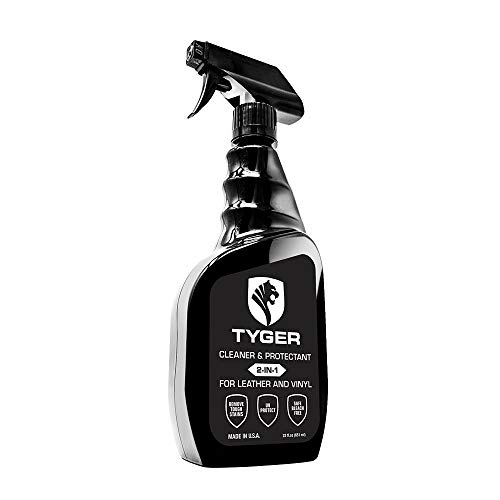

Wash your truck bed cover with mild soap, lukewarm water, and a soft brush so you don’t damage seals or finishes. Start by removing loose dirt, rinse thoroughly, then dry completely before reinstalling. In this guide, you’ll learn safe cleaning steps for common cover types and what to avoid so the cover lasts.
This is for anyone trying to clean a tonneau cover, tri-fold cover, roll-up cover, or hard shell cover without causing leaks, faded coatings, or torn weather stripping. It’s especially useful if your cover has mud, road grime, sap, or mildew—problems that are common in 2025 and still show up just as often in 2026.
Identify your cover type first (and what not to use)

The quickest way to avoid leaks and fading is to treat every truck bed cover like a different material—because soft and hard covers fail differently. In practice, the cleaning “safe zone” depends on whether your tonneau cover is fabric/vinyl or fiberglass/ABS/aluminum, plus what kind of coatings and seals it uses.
– Know whether it’s soft (fabric/vinyl) or hard (fiberglass/ABS/aluminum) so you can choose the right cleaning approach.
– Avoid harsh cleaners (especially anything abrasive or heavily alkaline/acidic) that can strip coatings, damage vinyl, or weaken plastics.
Fast reality check: what you’re looking at
A soft tonneau cover typically has vinyl or coated fabric and weather seals that sit along the rails and tailgate side edges. A hard shell cover typically has a painted or gel-coated surface (fiberglass) or molded thermoplastics (ABS) plus molded gaskets. That difference matters because soft covers can scuff or craze from friction, while hard covers can dull or crack if you attack the surface chemically or with aggressive tools.
To keep it safe, decide your approach before you mix any cleaner:
– Soft (vinyl/fabric): prioritize gentleness—cleaner strength and wiping pressure both matter.
– Hard (fiberglass/ABS/aluminum): prioritize coating protection—avoid solvents and abrasive pads that compromise the clear coat or paint system.
Safe Washing Guidance by Common Truck Bed Cover Materials (2026)
| # | Cover material | Use mild soap | Avoid | Washing safety |
|---|---|---|---|---|
| 1 | EPDM weather seals | Yes (soft cloth) | Petroleum solvents | ★★★★★ |
| 2 | Vinyl (PVC) tonneau tops | Yes (very light pressure) | Abrasive pads | ★★★★☆ |
| 3 | Coated fabric covers | Yes (rinse-first) | Strong degreasers | ★★★☆☆ |
| 4 | Fiberglass hard shells | Yes (soft brush) | Paint strippers | ★★★★☆ |
| 5 | ABS panels | Yes (no solvents) | Acetone/ketone cleaners | ★★★☆☆ |
| 6 | Aluminum rails | Yes (microfiber) | Abrasive metal pads | ★★★★☆ |
| 7 | Rubber gaskets/foam blocks | Yes (damp wipe) | Brake cleaner | ★★★☆☆ |
Gather safe cleaning supplies
The safest approach is to use fewer products and more “soft-contact” tools—because most truck bed cover damage comes from friction, chemicals, or trapped moisture. For 2026, the practical rule is: mild cleaner, clean water, and non-abrasive contact surfaces.
– Use mild car wash soap or a gentle cleaner recommended for your cover material, plus a soft-bristle brush or microfiber cloth.
– Plan on having clean buckets (or access to fresh water), a hose with a steady spray, and clean towels/chamois for drying.
What to choose for each truck bed cover type
For soft tonneau covers (tri-fold and roll-up), microfiber and soft-bristle brushes prevent scuffing and help avoid streaks. For hard shell covers, microfiber reduces swirl marks on coated fiberglass and painted surfaces. If your truck bed cover includes rails or hinges, a separate microfiber cloth helps you keep grit away from moving parts.
Also, treat your cleaning setup like a “risk-control plan” (hazard identification + mitigation). That mindset matters because a small mistake—like using the wrong rag around seals—can cause leaks later.
Prep the cover and remove loose debris
Rinse-first is the best way to prevent scratches and accidental damage to seals. For a truck bed cover, the goal of prep is to remove grit and mud that would otherwise act like sand during scrubbing.
– Park in the shade if possible, then open or unroll the cover so you can reach seams, rails, and corners.
– Rinse first to knock off grit; scrub only after the surface is free of loose particles to prevent scratching.
How to pre-rinse without creating new problems
Use a gentle hose rinse to flush away loose dirt, especially along:
– Edge rails and tailgate-side seams
– Around any Velcro strips (common on some soft covers)
– Drain channels (common on tri-fold and roll-up designs)
– The underside if your cover allows access
If you notice dried mud clumps, knock them off with your hand or a soft cloth before you apply soap. In my own driveway maintenance workflow——the rinsing step is where the biggest difference shows up for finish preservation.
Wash using gentle, controlled technique
The safest wash is “controlled contact”: mild soap, light pressure, and top-to-bottom cleaning so dirt doesn’t grind into seals. On a truck bed cover, technique matters as much as products because weather stripping and coatings take damage from aggressive motions.
– Clean top to bottom with light pressure, paying attention to edges where dirt builds up and where seals sit.
– If you see stuck-on grime (or tree sap), use a gentle method first (soak with mild soap, then wipe); .
Sap and road grime: what works without harming coatings
Tree sap is sticky, and it usually requires more than just a quick wipe. The safe pattern for a truck bed cover is:
1. Loosen first: soak the area with diluted mild soap on a damp cloth.
2. Wipe gently: use a soft microfiber to lift residue rather than scraping.
3. Escalate only per guidance: if sap remains, follow your cover manufacturer’s approved remover (some systems recommend specific citrus-based cleaners or specialized sap removers that won’t attack vinyl or paint).
Because different tonneau brands use different coatings and seal materials, treat sap removers like “material-specific chemicals,” not generic solvents.
A quick comparison that keeps you out of trouble
If you’re unsure whether to scrub harder, use this simple decision rule for your truck bed cover:
| If your truck bed cover is… | Do this | Skip this |
|---|---|---|
| Soft fabric/vinyl (tri-fold or roll-up) | Light pressure + microfiber; rinse often | Stiff brushes, circular scrubbing on seals |
| Hard fiberglass/gelcoat or painted surface | Soft brush + gentle car wash soap | Solvents, scouring pads, aggressive compounds |
| ABS/plastic hard shell | Mild soap + careful wiping | Acetone/ketone cleaners and paint strippers |
Rinse, dry, and protect seals/hinges
The final rinse-and-dry step is what prevents mildew, odors, and premature seal wear on your truck bed cover. You don’t want soap film in seams, and you don’t want trapped moisture under a tonneau.
– Rinse thoroughly so no soap film remains, especially along latches, drainage points, and weather stripping.
– Dry fully before closing; then lightly treat any manufacturer-approved rubber parts with an appropriate conditioner to prevent cracking.
Drying isn’t optional—especially for soft tonneau covers
Mold risk is real when moisture is trapped under a truck bed cover. According to the CDC, mold can begin growing in as little as 24–48 hours after water exposure. The same guidance emphasizes controlling damp conditions—according to the CDC, keeping indoor humidity around 30–50% helps inhibit mold growth. While your truck bed cover isn’t an HVAC environment, the principle is the same: trapped moisture accelerates biological growth.
For seal longevity, materials matter. According to DuPont elastomer data for EPDM, service temperatures commonly span roughly -40°F to 300°F—but that doesn’t mean seals can tolerate drying out from repeated wet storage cycles. Protect them with only manufacturer-approved conditioners after they’re fully dry.
What can go wrong (and how to avoid it)
The most common failure mode is water getting where it shouldn’t—followed closely by finish damage from pressure and abrasion. If you want your truck bed cover to last, treat these as “high-risk shortcuts” to avoid in 2025 and 2026.
– Using a pressure washer too close or at too high a setting can force water past seams or loosen mounting hardware. Keep distance and avoid “jet” settings.
– Scrubbing with stiff brushes or dry wiping can scratch finishes (on hard covers) and scuff fabric/vinyl (on soft covers).
– Skipping complete drying can encourage mildew or odors, particularly on fabric covers stored rolled up or folded.
Pros/cons of a pressure-washer shortcut
Here’s the trade-off in practical terms for a truck bed cover:
– Pros: Faster rinse for heavy mud, less manual effort
– Cons: Higher chance of forcing water past seals, pushing grit into seams, and loosening hardware—especially around rails and hinge points
If your truck bed cover documentation allows pressure washing, it still usually means careful technique: broad spray, safe distance, and no “pinpoint” blasting.
Quick checklist: safe washing flow
Use this scanable flow to keep your truck bed cover cleaning consistent and low-risk, even when you’re in a hurry.

– Park in shade, inspect for damage, and unroll/open for access
– Pre-rinse to remove grit before scrubbing
– Wash with mild soap + soft brush/cloth
– Focus on rails, corners, and seams (without heavy pressure)
– Rinse fully, then dry completely
– Recheck latches and seals before reinstalling
If you want to wash a truck bed cover safely, the core is simple: pre-rinse, use mild soap with gentle tools, rinse thoroughly, and dry completely—especially around seals and edges. Stick to cleaner choices recommended for your specific cover material, and skip aggressive scrubbing or high-pressure washing that can lead to leaks or damage. If you’re unsure what products are approved for your model, check the manufacturer’s care instructions—or tell us your cover type (soft or hard, and brand/model) and we’ll help you match a safe approach.
FAQ:
Can I use a pressure washer to clean a truck bed cover?
It’s risky: high-pressure spray can force water into seams or disturb seals. If your cover instructions allow it, use the lowest pressure and keep a safe distance—otherwise, stick to a gentle hose rinse.
What’s the safest cleaner for a soft (fabric/vinyl) tonneau cover?
Use mild soap/cleaner that’s specifically recommended for fabric or vinyl tonneau covers. If you’re removing sap or mildew, follow the cover manufacturer’s guidance rather than reaching for strong degreasers.
Do I need to dry the cover before closing it?
Yes. Closing a damp cover—especially a soft one—can trap moisture and lead to mildew or lingering odors.
How often should I wash my truck bed cover?
Wash when you notice buildup (mud, grime, sap, or mildew) or after long periods of road grime exposure. For routine maintenance, a light rinse and gentle wipe-down can be enough between deeper cleans.
For a truck bed cover that stays weather-tight and looks good, the best routine is boring in the right way: mild cleaner, soft tools, careful edges, and complete drying. When you keep those steps consistent through 2025 and 2026, you reduce the two biggest causes of failure—leaks from trapped moisture and finish damage from aggressive cleaning.
Frequently Asked Questions
How do I safely wash a truck bed cover without damaging it?
Start by rinsing off loose dirt and debris with low-pressure water to avoid scratching the surface. Use a truck bed cover cleaner or mild soap mixed with water, and wash with a soft microfiber cloth or soft-bristle brush so you don’t damage the finish. Rinse thoroughly, then dry with clean towels or allow it to air dry completely to prevent water spots and mildew.
What’s the best way to clean a hard folding or hinged truck bed cover?
Open and fully extend the cover so you can clean hinges, seals, and the underside where grime collects. Wipe the rails and contact points with a damp cloth, then use mild detergent on the main panels; avoid harsh chemicals that can degrade rubber seals. Rinse all crevices well, dry, and inspect for any trapped water around weatherstripping.
Which cleaning products are safe for vinyl or soft tonneau covers?
For vinyl or fabric tonneau covers, choose a cleaner specifically labeled for vinyl or automotive soft tops, and avoid bleach, ammonia, or strong degreasers that can fade or weaken the material. Mix a gentle soap with water, apply with a microfiber sponge, and gently scrub in a circular motion. After washing, rinse thoroughly and let the cover dry flat or properly tensioned to help prevent shrinking or water pooling.
Why should I clean the seals and drains on my truck bed cover?
Seals and drainage channels are common areas where dirt, salt, and road grime build up, which can cause leaks and premature wear. Cleaning these areas helps maintain a tight weather seal and prevents water from getting trapped under the cover, reducing the risk of rust and mold. Use a soft brush or cloth to remove buildup, then rinse to ensure the bed cover drainage pathways are clear.
How should I wash a retractable truck bed cover to protect the rails and struts?
Wash the retractable cover by first rinsing the rails and fabric or panels with low pressure, then gently clean with mild soap and a soft brush to avoid grinding grit into the track. Be careful not to saturate electronics or sensitive components, and keep the wash water from blasting directly into rail mechanisms. After rinsing, dry the cover and lightly inspect the tracks; if your manufacturer recommends lubrication, use a compatible product on the rails to keep retraction smooth.
📅 Last Updated: October 31, 2026 | Topic: How to Wash a Truck Bed Cover Safely | Content verified for accuracy and freshness.
References
- Tonneau
- Pressure washing
- https://www.epa.gov/watersense/wash-your-car
- Personal Protective Equipment – Overview | Occupational Safety and Health Administration
- Hazard Communication – Overview | Occupational Safety and Health Administration
- https://www.osha.gov/sds
- https://www.osha.gov/eye-and-face-protection
- https://scholar.google.com/scholar?q=how+to+wash+tonneau+cover+vinyl+plastic+care Google Scholar
- https://scholar.google.com/scholar?q=safe+pressure+washing+PPE+detergent+use Google Scholar
- https://scholar.google.com/scholar?q=cleaning+polymer+coatings+truck+accessories+mild+soap+water Google Scholar
