

To clean a butcher block countertop effectively, you need the right tools and supplies first. This guide names the clear winners—so you know exactly which cleaner, scrubber, and sanitation step to use to remove food residue without damaging the wood. You’ll finish with a practical checklist built for day-to-day grime and deeper cleanup alike.


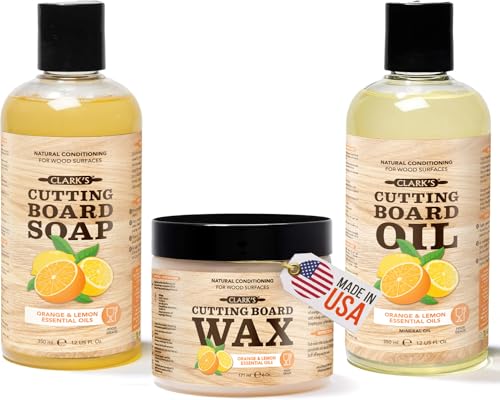
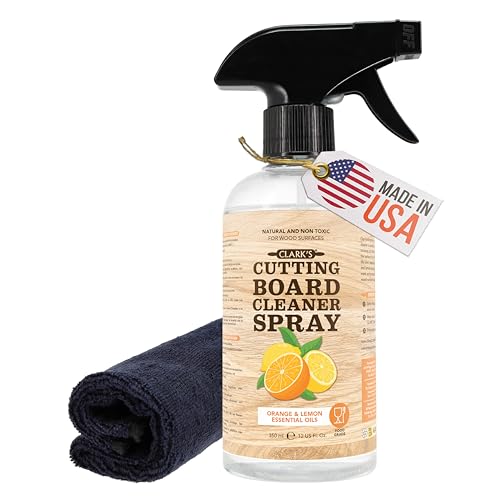
Clean a butcher block countertop with gentle tools (soft cloth, mild soap) and re-condition the wood afterward with a food-safe oil. Routine cleaning removes grease and grime, and re-oiling prevents the wood from drying out, dulling, and absorbing odors. Skip bleach and harsh abrasives unless your countertop’s manufacturer explicitly approves them for your specific finish.
If you cook on your butcher block daily—or you just noticed sticky grime, odors, or dark spots—this is for you. It’s also helpful if your countertop needs regular maintenance but you’re not sure which tools and supplies actually matter.
Tools for routine butcher block countertop cleaning

You get the best results using low-abrasion tools that wipe away debris without scratching the grain. For most daily messes, microfiber plus mild soap and thorough drying is the core “toolkit.”
What to use for quick wipe-downs
For routine cleanup, the priority is minimizing abrasion and keeping water exposure low. Butcher block is porous, so residue and standing moisture can linger in the wood pores.
Microfiber cloths are designed to trap particles instead of grinding them, which helps reduce the risk of surface scratches on porous wood.
A soft sponge or non-scratch pad is preferred for wood surfaces because it removes grease without gouging or creating deep channels that later collect grime.
– Use microfiber cloths or soft cleaning cloths to wipe away debris without scratching the surface
– Microfiber is especially useful for sticky residues because it lifts off film and crumbs without leaving lint behind.
– Keep a non-scratch sponge, soft scrub brush, or nylon brush for stuck-on residue
– Nylon bristles are a good compromise: firm enough to loosen grease, gentle enough to avoid heavy abrasion.
– Have a dedicated dry towel (or clean lint-free cloth) for thorough drying after washing
– After cleaning, dry immediately and fully so water doesn’t penetrate deeper into the end grain and micro-gaps.
How to use these tools effectively (without over-wetting)
Start by clearing crumbs, then clean in small sections. Use a lightly damp cloth (not a dripping sponge), wipe with mild soap, and immediately wipe/dry until the surface is no longer wet. This approach aligns with standard food-surface hygiene logic: clean first, then protect the material finish rather than relying on harsh chemistry.
Cleaning with soap and friction is typically the first and most important step before any optional sanitizing step on food-contact surfaces.
Cleaning supplies for grime, grease, and stains
You can handle most butcher block messes with mild dish soap, warm water, and targeted spot treatment. The goal is lifting grease and loosening dark spots without soaking the wood.
Core cleaning chemicals (what to reach for first)
Mild dish soap is effective because it emulsifies fats and oils, which are common on kitchen counters after food prep.
Dishwashing detergents are formulated to break up grease so it can be lifted away with water rather than smeared across porous surfaces.
Warm water generally improves grease removal compared with cold water because fats dissolve and disperse more readily.
– Mild dish soap (look for a gentle, fragrance-free option if you’re sensitive) plus warm water for everyday cleaning
– Use a small amount of soap; too much residue can leave a film that attracts more dirt.
– Baking-soda “paste” (baking soda + a little water) as an optional spot treatment for stubborn spots—used lightly and rinsed/wiped away
– Baking soda is mildly abrasive, so treat it like a spot tool, not a full-counter scrub. Keep pressure gentle and rinse/wipe residue off completely.
– A plastic scraper or bench scraper for dry, stuck-on food (use the edge gently to avoid gouges)
– Plastic is safer than metal because it reduces gouging, which matters because scratches can trap grime and change how oil soaks in.
What “stain vs. damage” looks like
A dark spot caused by food staining often improves with cleaning plus re-oiling, while burn marks, deep mildew, or significant warping may require sanding/refinishing (or professional help). If your countertop’s surface is coated, what looks like “staining” might be residue trapped under a finish layer—different approach, same rule: follow the manufacturer’s care instructions.
Butcher block countertops are typically designed for periodic re-conditioning (oiling), which means cleaning supplies should support maintenance rather than strip the finish.
Sanitizing without damaging the wood
You don’t need aggressive disinfectants for every cleaning session—proper cleaning and complete drying usually deliver the hygiene most kitchens require. If sanitizing is necessary, use only products labeled safe for food-contact surfaces and compatible with your butcher block finish.
Clean first, then decide whether sanitizing is needed
Soap and friction remove most food soils. Sanitizing is an added step for specific situations (like certain health requirements or high-risk food handling), and it must be done in a way that protects wood.
Health guidance for food-contact surfaces emphasizes cleaning prior to sanitizing because soil can reduce sanitizer effectiveness.
– Prioritize cleaning first: friction + soap + proper drying usually does more for butcher block hygiene than aggressive disinfectants
– If you need true sanitizing, use only products that are explicitly labeled safe for food-contact surfaces and are compatible with wood/your finish—follow the label’s dilution and contact time
– According to the FDA Food Code, chlorine-based sanitizers are commonly specified in the range of 50–200 ppm free chlorine for food-contact surface sanitizing (values depend on the specific system and application method).
– Avoid soaking the countertop; instead, dampen cloths/supplies and work in small sections so water doesn’t penetrate deep
– Porous materials can hold moisture, which is exactly what you don’t want when the goal is to sanitize a surface that must remain protected.
A practical hygiene note you can use in 2026
If you’re sanitizing and you’re also doing “hands-on” food prep, hygiene has two tracks: surface treatment and personal hygiene. For hand hygiene, CDC guidance is clear—wash for at least 20 seconds with soap and water for effective removal of germs.
And if you’re using bleach-based disinfectants anywhere in your kitchen routine, remember CDC also emphasizes preparing bleach solutions fresh because chlorine strength degrades over time—commonly the solution should be made fresh daily for disinfection use.
Conditioning tools and food-safe products to restore the finish
You restore a butcher block’s look and protection by re-oiling with food-safe products after the surface is fully dry. This step is what prevents dullness, dryness, and odor absorption over time.
The oil application workflow (what matters most)
Even if you clean perfectly, wood can still dry out. Conditioning restores moisture resistance and supports an even appearance.
Food-safe butcher block oil is used to re-condition wood by replacing protective moisture balance on the surface.
Clean, lint-free cloths help apply and buff oil evenly, reducing streaks and preventing trapped fibers.
– Use food-safe butcher block oil (commonly mineral oil or a “butcher block” oil) to keep the wood from drying out
– Mineral oil is widely used for food-contact surfaces; ensure the product is labeled food-safe for wood and compatible with your finish system.
– Use clean, lint-free cloths (separate from cleaning rags) to apply and buff oil evenly
– Mixing oil cloths with general cleaning rags can re-introduce detergent film or grit.
– If your countertop was originally finished with a wax or sealant system, only use the same type of compatible product (or follow the manufacturer’s maintenance instructions)
– Compatibility matters: the “wrong oil” can sit on top of a sealed finish or create a sticky film.
Why compatibility beats “generic wood care”
If your butcher block has a factory-applied coating (or a specific oil/sealant system), your cleaning and re-conditioning products must match that chemistry. As of 2026, product labels and countertop manuals increasingly emphasize finish compatibility for food-contact areas—so it’s worth checking the exact care guidance printed with your countertop or provided by the manufacturer.
For wood surfaces used around food, sanitizing and conditioning products should be chosen based on label statements for food-contact compatibility and finish compatibility.
What can go wrong (common mistakes and limits)
You can damage a butcher block—especially its look and stain resistance—by using abrasive cleaning tools, over-wetting, or the wrong chemicals. The material is porous, so some problems can’t be “cleaned away” and may require sanding or refinishing.
Common mistakes that degrade the surface
Scratches and raised grain are the two biggest long-term “snowball” effects. They create micro-channels that trap grease and increase how much oil the wood needs.
Abrasive pads and steel wool can scratch wood, and scratches can later hold residue and change how oil penetrates.
Over-wetting porous wood can raise the grain and promote lingering odors by trapping moisture in pores.
– Using abrasive pads/steel wool can create scratches that trap more dirt and change how the surface absorbs oil
– Over-wetting the wood (soaking, lots of standing water, or leaving cleaning solution to sit) can raise grain and promote lingering odors
– The biggest limitation: butcher block is porous—deep stains, burns, or mildew may require sanding/refinishing rather than “cleaning supplies” alone
– If your butcher block has a factory-applied coating or specific finish, generic “wood cleaning” habits may not match what that finish can handle
Wood hardness affects scratch risk (why it matters)
In practice, scratches form where cleaning tools meet grit. Harder woods generally resist denting and abrasion better, but no wood is scratch-proof—so technique still matters.
Relative Scratch Resistance of Common Butcher-Block Woods (Janka Hardness Basis)
| # | Wood species | Janka hardness (lbf) | Relative to hard maple | Scratch-resistance rating |
|---|---|---|---|---|
| 1 | Hard maple (Acer saccharum) | 1450 | 1.00× | ★★★★☆ |
| 2 | Hickory (Carya spp.) | 1820 | 1.26× | ★★★★★ |
| 3 | White oak (Quercus alba) | 1360 | 0.94× | ★★★☆☆ |
| 4 | Red oak (Quercus rubra) | 1290 | 0.89× | ★★★☆☆ |
| 5 | Beech (Fagus grandifolia) | 1300 | 0.90× | ★★★☆☆ |
| 6 | Birch (Betula alleghaniensis) | 1260 | 0.87× | ★★☆☆☆ |
| 7 | Walnut (Juglans nigra) | 1010 | 0.70× | ★☆☆☆☆ |
Notes: Relative scratch-resistance is calculated by dividing each species’ Janka hardness by hard maple’s value (1450 lbf).
Verdict / tip: what to buy (and what to skip)
If you want an easy, safe setup, stock the basics: microfiber cloths, a non-scratch sponge/brush, mild dish soap, an optional baking-soda spot paste, and food-safe butcher block oil plus clean cloths for application. The downside is ongoing maintenance—wood needs periodic re-oiling to stay protected and look even.
What to buy (high-confidence essentials)
– Microfiber cloths, a non-scratch sponge/brush, mild dish soap
– A soft baking-soda option for spot work (used lightly and rinsed/wiped away)
– Food-safe butcher block oil (and separate lint-free cloths for conditioning)
What to skip (until the manufacturer says otherwise)
Skip this approach (or pause and confirm the right method) if:
– Your countertop isn’t true butcher block wood (e.g., it’s sealed, laminate, or a different material)
– You’re dealing with heavy mold, deep cracks, or burn damage—those situations often call for refinishing rather than routine cleaning
– You’re tempted to use bleach or strong disinfectants “because it sanitizes”—these can harm the finish and don’t always behave well on porous surfaces
Quick “do vs don’t” comparison (so decisions are faster)
| Decision | Do this | Avoid this |
|---|---|---|
| Routine mess | Soap + warm water on a lightly damp cloth, then dry immediately | Leaving the surface wet or letting soap film dry |
| Stuck-on food | Plastic scraper used gently, then wash and dry | Steel wool or deep scraping that gouges grain |
| Spot stains | Mild baking-soda paste briefly, wipe/rinse, then re-oil | Repeated abrasive scrubbing that changes absorption |
| Sanitizing need | Label-approved sanitizers for food-contact surfaces compatible with wood/finish | Bleach or “general disinfectants” not approved for your finish |
Tools you need to clean a butcher block countertop: Quick checklist + FAQs
| Item | What it’s for | Why it matters |
|---|---|---|
| Microfiber cloths | Wipe and dry | Reduces scratches + helps prevent water penetration |
| Soft sponge/nylon brush | Gentle scrubbing | Gets residue off without gouging |
| Mild dish soap | Routine cleaning | Cleans grease without damaging typical finishes |
| Baking soda paste (optional) | Spot treatment | Helps with stubborn stains when used lightly |
| Plastic scraper (optional) | Lift stuck-on food | Safer than metal tools on wood |
| Food-safe butcher block oil | Re-condition | Replaces moisture protection and improves appearance |
FAQ
– Can I use bleach on a butcher block countertop?
Generally, avoid bleach unless your countertop’s manufacturer or the specific finish system explicitly allows it for food-contact surfaces.
– Is vinegar safe for butcher block?
It can be used in some wood-cleaning routines, but only do so if your countertop’s care guidance doesn’t warn against acidic cleaners; when in doubt, stick to mild soap + thorough drying.
– Do I need to sanitize butcher block every time I clean it?
Often, good cleaning and drying are the main need. For specific hygiene requirements, use only manufacturer-approved or label-approved sanitizers for food-contact surfaces compatible with your finish.
– How often should I oil after cleaning?
Follow your countertop’s care instructions; as a practical indicator, re-oil when the surface looks dry/dull or water no longer beads/stands up as expected (don’t over-oil).
Sources:
In summary, the most reliable butcher block cleaning “system” is simple: gentle cleaning with mild soap, immediate thorough drying, then food-safe oil when the wood looks dull or dry. If you treat scratches, water exposure, and sanitizer compatibility as the decision points—not the cleanser hype—you’ll keep the surface hygienic, attractive, and easier to maintain through 2026 and beyond.
Frequently Asked Questions
What tools do I need to clean a butcher block countertop safely?
To clean a butcher block countertop safely, you’ll want a soft microfiber cloth or a non-scratch sponge, mild dish soap, and warm water. For deeper cleaning, use a nylon brush to work soap into the grain without gouging the wood. You’ll also need clean, dry towels for thorough drying and a food-safe butcher block conditioner or mineral oil to help maintain the wood after washing.
How should I disinfect a butcher block countertop without damaging the wood?
Use a mild solution—such as diluted dish soap—and then rinse with clean water and dry completely, since standing water can damage butcher block. For sanitation, many people use a food-safe approach like a diluted white vinegar spray (lightly applied) followed by a rinse and full drying. Avoid harsh chemicals and soaking, because aggressive cleaners can strip finishes and lead to drying, warping, or lingering odors.
Why is the right cleaning supplies important for butcher block countertops?
Butcher block is porous and can absorb liquids, which means the wrong cleaners or too much water can penetrate the wood and create odors or discoloration. Using non-abrasive tools helps prevent scratches that trap food particles and make the surface harder to keep clean. After cleaning, applying food-safe oil or conditioner replaces moisture and protects the grain, helping your countertop stay hygienic and durable.
Best way to remove stains and odors from butcher block—what supplies work?
For light stains and lingering smells, use baking soda as a gentle abrasive: make a paste with a small amount of water, rub with the grain using a soft cloth, and rinse well. For tougher spots, a mixture of hydrogen peroxide (used cautiously) or a specialty wood-safe cleaner designed for butcher block can help, but always test a small hidden area first. After any stain treatment, dry thoroughly and re-oil or condition the surface to restore moisture balance and protect the butcher block finish.
Which products should I avoid when cleaning a butcher block countertop?
Avoid steel wool, abrasive scrubbers, and harsh scouring powders because they can damage the wood fibers and compromise the butcher block surface. Skip bleach, ammonia, and strong degreasers unless the product is specifically labeled as safe for food-contact wood and you follow the manufacturer’s directions. Also, don’t use excessive water—never soak the countertop—and avoid leaving cleaners on the surface, since moisture and chemical residue can linger in the grain.
📅 Last Updated: October 24, 2026 | Topic: Tools and Supplies You Need to Clean a Butcher Block Countertop | Content verified for accuracy and freshness.
References
- Butcher block
- Cutting board
- Mineral oil
- https://www.cdc.gov/hygiene/cleaning/index.html
- Cleaning and Disinfecting with Bleach | Water, Sanitation, and Environmentally Related Hygiene (W…
- https://www.foodsafety.gov/keep-food-safe/food-safety-basics/cleaning-and-sanitizing
- https://pubmed.ncbi.nlm.nih.gov/?term=wooden+cutting+board+sanitizer+efficacy
- https://scholar.google.com/scholar?q=cleaning+sanitizing+wooden+cutting+boards+bleach+heat Google Scholar
- https://scholar.google.com/scholar?q=butcher+block+countertop+care+mineral+oil+sanding Google Scholar
- https://scholar.google.com/scholar?q=food+contact+surfaces+cleaning+sanitizing+guidelines Google Scholar
