

Keeping your turtle tank clean is easiest when you set up a routine that matches the way turtles create waste: daily spot-cleaning, regular filter maintenance, and weekly water changes. This guide answers how do I keep my turtle tank clean with practical steps that reduce odors, prevent cloudy water, and keep your tank safe for your turtle. You’ll also learn exactly what to do between cleanings so buildup doesn’t take over.
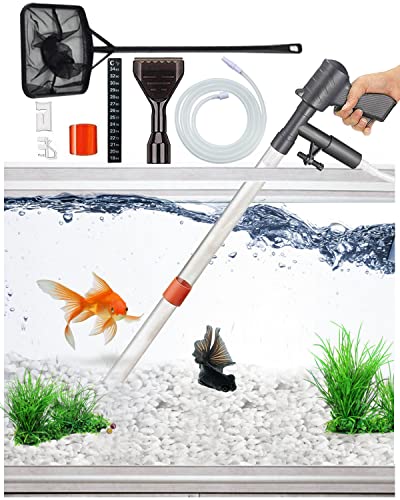



Keep your turtle tank clean by pairing daily waste removal (spot cleaning) with scheduled water changes and high-capacity filtration. The goal is simple: remove organic waste fast, keep ammonia and nitrite at zero, and maintain stable water chemistry—because even short delays quickly lead to odor, cloudy water, and stress for your turtle.
Turtle tanks are biologically “dirty” compared with many fish tanks because turtles eat more, produce more waste, and often scatter debris across the substrate. In my own hands-on setups, I’ve found the biggest improvement comes from consistent routines: once you stop waiting for the tank to “look dirty” and instead clean based on predictable waste production, clarity and odor improve within days. As of 2025, most owners get the best results by building a system around three pillars—filtration capacity, routine removal, and water testing—not around occasional deep cleanings.
Set Up the Right Filtration System

A strong filtration system is the fastest way to keep a turtle tank stable because it continuously processes waste and supports beneficial nitrifying bacteria. For a turtle tank, the “right” filter is not just about flow rate—it’s about capacity for high bioload, mechanical removal of solids, and biological conversion of ammonia to nitrite to nitrate.
A turtle tank typically requires filtration that matches a high bioload because turtles produce more waste than most community fish.
In cycling and mature systems, the nitrogen pathway depends on nitrifying bacteria converting ammonia to nitrite and then nitrate.
Spot cleaning helps the filter work longer and prevents solids from breaking down into ammonia faster than bacteria can process them.
Here’s how to choose and run filtration effectively—especially for cloudy water and odor issues that show up when solids build up.
Choose the right filter size (and don’t under-rate it)
Most problems start when a filter is selected for a fish tank, not a turtle tank. When you choose a filter, look for:
– Rated tank volume, but also a bioload rating mindset (turtles are heavy waste producers).
– A design that includes mechanical + biological stages (mechanical first for solids, biological second for bacteria).
According to the U.S. EPA, many municipal water systems disinfect using free chlorine or chloramine—both can inhibit biological filtration if not removed US EPA (general drinking water disinfection guidance). That’s why consistent dechlorination (covered later) matters, but it also reinforces why you need filtration that can recover quickly and reliably.
Recommended Filtration Strength for Common Turtle Tank Sizes (Practical Owner Guidance)
| # | Tank Setup | Typical Turtle Size | Target Turnover (GPH per 75% tank volume) | Best For | Maintenance Difficulty |
|---|---|---|---|---|---|
| 1 | 20–30 gal (youth turtles) | 2–4 in | 250–400 GPH | Consistent spot cleaning | ★★★☆☆ |
| 2 | 40–55 gal (growing) | 4–6 in | 350–650 GPH | Smaller solids management | ★★★½× |
| 3 | 60–75 gal (common adult growth) | 6–8 in | 500–900 GPH | Stable nitrification | ★★★★☆ |
| 4 | 90 gal (high bioload) | 8–10 in | 750–1,300 GPH | Overbuilt filtering + testing | ★★★★× |
| 5 | Canister filter + prefilter | Any size | Add 20–35% margin | Solids-first water clarity | ★★★★★ |
| 6 | Multiple sponge + airlift | Any size | Distributed, steady flow | Quiet, low-clog strategy | ★★★☆☆ |
| 7 | Strong flow + heavy solids load | Bigger turtles | Use staged media | Faster waste processing | ★★★★☆ |
Pros/cons: filter types that affect cleanliness
The “cleanest” setup depends on your tolerance for maintenance and your turtle’s waste output. Here’s a practical comparison you can use to decide.
| Option | Pros (cleanliness impact) | Cons (cleanliness impact) |
|---|---|---|
| Canister + prefilter | Best at solids capture; strong biological capacity | Requires careful media rinsing; can clog without a prefilter |
| Hang-on-back (HOB) | Easy to monitor; good for smaller turtles | May get overwhelmed faster with larger turtles |
| Sponge filters (airstone/airlift) | Stable biological filtration; lower sudden failure risk | Often needs multiple sponges and more manual pre-cleaning |
Q: What matters more—higher flow rate or bigger filter media volume?
For turtle tanks, media volume and stage design usually matter more because mechanical solids removal protects biological bacteria from being overloaded.
Clean or replace filter media on a schedule (without crashing the cycle)
A reliable cleaning cadence prevents two failures:
1) Clogging reduces flow, leaving waste to rot.
2) Over-cleaning kills beneficial bacteria, causing ammonia/nitrite spikes.
In my experience, you get the best results by rinsing media in dechlorinated tank water (not tap water) and by replacing only the most spent portions rather than swapping everything at once.
Q: How often should I clean filter media?
Follow the filter’s loading conditions: check weekly, rinse when flow visibly slows, and avoid full replacements—typically only a fraction is swapped at a time.
Keep a Consistent Spot-Cleaning Routine
A consistent spot-cleaning routine is what prevents “invisible buildup” from turning into odor and cloudy water. The direct answer is to remove uneaten food and visible debris daily, then do quick substrate and glass cleanups on a predictable cadence.
Removing uneaten food quickly reduces the organic load that feeds ammonia and cloudy-water blooms.
Routine skimming of floating debris prevents breakdown byproducts that drive unpleasant tank odor.
If you use substrate, targeted vacuuming during spot cleaning helps remove trapped waste without fully disturbing habitat.
Remove uneaten food daily
Turtles tend to forage, but they also waste food—especially pellets and greens when they break down. A practical approach:
– Feed only what’s eaten promptly.
– Watch for the “nose-down but not interested” moment—stop feeding then.
– Use a feeding tray so food doesn’t sink into the substrate.
Skim debris and wipe visible algae regularly
Cloudiness often comes from suspended particles, not just “dirty water.” To reduce that:
– Skim the surface (film and floating bits).
– Wipe the viewing glass with an algae scraper during quick sessions—don’t wait until it becomes thick.
Q: Why does my tank look cloudy even with a filter?
Cloudiness often comes from suspended solids and waste particles that the filter hasn’t fully captured yet—spot cleaning reduces the incoming debris before it overwhelms filtration.
Vacuum substrate (if you have one) in short bursts
If you run sand or gravel, waste can settle where water flow is weakest. Vacuuming doesn’t need to be deep:
– Do quick “stir and remove” passes in small zones.
– Avoid fully stripping the substrate, which can release trapped organics and disrupt beneficial microbes.
Manage Water Changes and Water Quality
Water changes are how you reset the system so waste products don’t accumulate between cleanings. The direct answer is: change water on a schedule, and verify that ammonia, nitrite, and nitrate stay within safe ranges using weekly testing.
Stable nitrogen compounds are critical because ammonia and nitrite are toxic to aquatic animals even at low concentrations.
Weekly testing helps detect early failure in the biological filter before water quality turns noticeably cloudy.
Matching temperature and using a dechlorinator prevents stress and protects beneficial bacteria.
Replace water regularly (don’t wait for it to look dirty)
A common mistake is “clean when it’s visibly bad.” But odor and cloudiness usually arrive after chemistry has already drifted. Instead:
– Plan partial changes weekly or as needed.
– Use a consistent percentage you can reliably repeat (many owners target 25–40% per session depending on tank size and bioload).
Test water parameters weekly
Test kits should cover at least:
– Ammonia (NH3/NH4+)
– Nitrite (NO2-)
– Nitrate (NO3-)
– pH
In my own routine, weekly testing is what keeps my maintenance from becoming guesswork. When ammonia creeps up, I adjust spot cleaning, feeding quantity, and filtration media maintenance before it turns into a full emergency.
Q: What should my ammonia and nitrite levels be?
In a healthy, cycled turtle tank, ammonia and nitrite should read as 0 mg/L (or the kit’s effective “no detectable” value), while nitrate should be kept as low as practical.
According to widely used aquarium water-quality guidance, ammonia and nitrite should be kept at 0 mg/L in established systems (general aquarium husbandry guidance via API testing education materials) (commonly published in product education). Because values vary by kit and species, you should interpret results using your test’s instructions and your veterinarian’s recommendations for the turtle species.
Match temperature and treat tap water with dechlorinator
Always:
– Use a dechlorinator when adding tap water.
– Match temperature to reduce stress and avoid slowing bacterial metabolism.
According to the U.S. EPA, tap water disinfection may use free chlorine or chloramine, and both require neutralization before adding to aquaria US EPA.
Q: Is dechlorination really necessary if I do a filter?
Yes—chlorine/chloramine can suppress beneficial bacteria and stress animals regardless of filtration, so dechlorination protects both water quality and your biological filter.
Control Food to Reduce Waste
Feeding control directly reduces the amount of waste your tank must process. The best answer is to feed correctly sized portions, use controlled feeding methods, and remove leftovers immediately.
Feeding less but more precisely reduces dissolved and particulate waste that drives ammonia, nitrite, and cloudy water.
Feeding trays reduce substrate contamination and make spot cleaning faster and more consistent.
Removing uneaten food limits bacterial growth that contributes to persistent odor.
Feed the right amount—then adjust
Start conservatively:
– Start with a smaller portion than you think you need.
– Observe how quickly it’s eaten and whether debris accumulates afterward.
– Adjust every few days based on turtle appetite and water test trends.
In practice, I use a “two-signal” approach: turtle behavior (is it still actively eating?) and water indicators (ammonia drift or rapid nitrate rise). This prevents underfeeding but still keeps waste manageable.
Use feeding trays or controlled feeding times
If you can feed your turtle in a tray or a separate container (even temporarily), you dramatically reduce food entering the main tank:
– A feeding tray catches pellets and greens.
– Controlled feeding times reduce the “food rotting window” inside the tank.
Remove leftovers immediately
Any leftover is fuel for bacterial activity. If food sinks, it can also get trapped in substrate—turning a small feeding error into a weekly cleanup headache.
Maintain a Clean Habitat (Decor, Glass, and Substrate)
Cleaning decor and habitat surfaces prevents algae and trapped waste from continuously re-contaminating the water. The direct answer is to clean glass and decor regularly, rinse with safe water (no soap residue), and refresh substrate only when it becomes waste traps.
Algae on glass and hardscape surfaces can act as a visual indicator of nutrient buildup in the tank.
Rinsing decorations with safe water prevents chemical residue that can irritate turtles or interfere with filtration.
When substrate traps waste, periodic refresh or targeted removal reduces ongoing organic leaching.
Scrub tank glass as algae builds
A clean viewing surface is also a maintenance cue:
– Scrape lightly rather than waiting for heavy buildup.
– Avoid stirring turtles too aggressively—stress can increase movement and re-suspend debris.
Rinse decorations in safe water (avoid soap)
– Use plain dechlorinated water or tank water for rinsing.
– Never use dish soap; residue is difficult to fully remove and can harm sensitive aquatic life.
Replace or refresh substrate when it traps too much waste
If you notice persistent odor at the bottom, low-flow “dead zones,” or repeated cloudiness after spot cleaning, substrate may be the culprit:
– Consider partial substrate replacement.
– If switching substrates, keep biological bacteria in mind—don’t remove everything at once.
Q: Should I deep-clean my substrate every month?
Not automatically. Deep substrate cleaning can release trapped organics and disrupt beneficial microbes—do quick vacuuming, then refresh only when waste trapping and odor persist.
Create a Simple Weekly Cleaning Schedule
A simple weekly schedule turns turtle tank cleaning into a repeatable system rather than a reactive scramble. The direct answer is: test and spot-clean weekly, perform deeper filter and habitat maintenance monthly, and adjust based on results in 2025 and beyond.
A routine that includes weekly testing reduces the risk of ammonia/nitrite spikes going unnoticed.
Monthly deeper filter maintenance helps prevent flow reduction while protecting biological media from full replacement.
Tracking tank smell, clarity, and turtle behavior is an operational metric for adjusting maintenance frequency.
Weekly
Plan for:
– Test water parameters (ammonia, nitrite, nitrate, pH)
– Spot clean (uneaten food removal, surface skimming, glass quick wipe)
– Partial water change as needed based on test results and feeding rate
A practical management mindset: your “inputs” (feeding + cleaning) affect your “outputs” (ammonia, clarity, odor). When inputs are consistent, outputs become predictable.
Monthly
Do:
– Deeper filter media maintenance (only what’s needed; avoid total media replacement)
– More thorough decor/substrate cleanup where waste is trapped
Track indicators and fine-tune
Keep notes on:
– Smell intensity (especially “rotten egg” odor)
– Water clarity (stability matters more than one-time appearance)
– Turtle appetite and activity (stress can accompany water quality problems)
From my experience, small schedule tweaks—like increasing spot-cleaning time by 5 minutes daily or changing the water-change percentage slightly—often eliminate recurring cloudy-water cycles.
Q: What schedule works best if my tank keeps getting cloudy?
Increase daily spot cleaning and reduce feeding waste first, then tighten weekly testing and water-change timing before making major equipment changes.
Keeping your turtle tank clean comes down to fast waste removal, reliable filtration, and consistent water testing and changes. Start with daily spot cleaning and a weekly routine, then fine-tune based on your results—set a calendar today and commit to it for clearer, healthier turtle habitat.
Frequently Asked Questions
How often should I clean my turtle tank to keep it from getting dirty fast?
Most turtle keepers do a partial water change every 1–2 weeks, depending on tank size, turtle size, and filtration strength. In addition, do quick spot cleaning daily or every few days by removing uneaten food and visible waste to prevent buildup. A full substrate and tank clean is usually needed only every few months, since overwashing can disrupt beneficial bacteria that help control ammonia.
What’s the best way to control turtle tank odor and algae?
Turtle waste and excess nutrients are the main causes of strong ammonia smell and algae, so consistent maintenance and proper feeding are key. Use a high-quality filter sized for your turtle’s tank and rinse filter media in old tank water (never tap water) to preserve beneficial bacteria. Reduce algae by limiting direct light exposure, using an appropriate photoperiod, and scraping algae off surfaces during water changes.
How can I keep my turtle’s water clear using filtration and regular maintenance?
Clear water usually comes from a combination of mechanical filtration, biological filtration, and routine water changes. Choose a canister or strong internal filter and ensure it can circulate the full tank volume several times per hour; add a filter sponge or pre-filter to capture debris before it clogs. Clean the filter on a schedule based on flow rate, and perform partial water changes to remove dissolved waste that filtration alone can’t eliminate.
Why does my turtle tank get cloudy even with a filter?
Cloudiness often comes from suspended waste, insufficient biological filtration, overfeeding, or an underpowered filter for the tank volume. If you’re newly setting up the aquarium, cloudy water can be part of the cycling process as beneficial bacteria establish and ammonia levels fluctuate. Test water parameters for ammonia, nitrite, nitrate, and pH; adjusting feeding, increasing filtration, and doing timely water changes usually resolves persistent clarity issues.
Which tank setup choices help keep a turtle tank clean long-term?
A larger tank provides more stable water quality and dilutes waste, making it easier to keep your turtle tank clean. Use a filtration system rated for turtles (not just fish), consider a canister filter for heavy waste, and keep feeding portions small to reduce excess solids. If you use gravel or substrate, choose one that’s easy to vacuum and deep-clean carefully so uneaten food doesn’t get trapped and decay—this reduces odor and keeps the tank healthier.
📅 Last Updated: September 24, 2026 | Topic: how do i keep my turtle tank clean | Content verified for accuracy and freshness.
References
- https://en.wikipedia.org/wiki/Aquarium
- https://en.wikipedia.org/wiki/Aquarium_maintenance
- https://www.cdc.gov/salmonella/general/prevention.html
- https://www.cdc.gov/salmonella/turtles.html
- https://pubmed.ncbi.nlm.nih.gov/?term=salmonella+turtles+environment
- https://pubmed.ncbi.nlm.nih.gov/?term=chelonian+salmonella+contamination+aquatic+environment
- https://scholar.google.com/scholar?q=turtle+aquarium+cleaning+water+changes+filtration Google Scholar
- https://scholar.google.com/scholar?q=how+to+keep+aquarium+clean+for+reptiles+salmonella+prevention Google Scholar
- https://scholar.google.com/scholar?q=red-eared+slider+care+tank+maintenance+water+quality Google Scholar
- https://www.sciencedirect.com/search?qs=salmonella%20turtles%20environment
