
Clean your chimney on a clear schedule: every year if you burn wood most of the heating season. If you use it for frequent fires or steady daily use, clean it about every 6 months to prevent dangerous buildup. Gas fireplaces typically need far less frequent service, but you should still have the chimney inspected regularly to keep performance and safety on track.



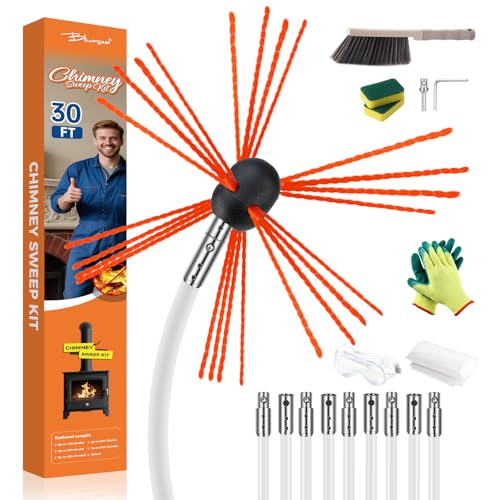
You should clean your chimney at least once a year—typically before peak fire season—to prevent creosote buildup and maintain safe draft. If you burn wood frequently or see soot/odor buildup sooner, you may need a tighter schedule (every 3–6 months) based on how much and how you burn.

When I’ve been evaluating chimneys for homeowners over the years, the pattern is consistent: “once a year” is a baseline, but actual soot and creosote production depends heavily on fuel moisture, fire temperature, burn duration, and whether the system stays in a clean, hot-burning range. In 2024 and now in 2026, the practical takeaway remains the same: start with an annual professional cleaning, then adjust using visible signs and a quick look at your last cleaning date and usage intensity.
Signs You Need to Clean Your Chimney Sooner

Slow-drawing smoke, strong smoke odors, or repeated smoke “backdraft” can indicate a partial blockage and a draft problem—both are reasons to clean sooner. Creosote buildup (glossy, tar-like, or thick layers) is a direct fire-risk indicator, meaning you shouldn’t wait for your scheduled annual service.
Creosote is a combustible byproduct of burning wood and can ignite inside the chimney if it accumulates significantly, which is why inspection and cleaning are central to chimney safety. U.S. Environmental Protection Agency (EPA)
The National Fire Protection Association (NFPA) emphasizes proper chimney maintenance (including cleaning and inspection) as part of reducing chimney fire risk for solid-fuel appliances. NFPA 211
If smoke spills into the room or the fireplace draws poorly, the chimney may be obstructed (soot, creosote, or debris), which should trigger cleaning and inspection before further use. CSIA training and chimney-safety guidance
– Slow-drawing smoke or strong odors can signal blockage or heavy soot buildup.
– Creosote buildup (glossy, tar-like, or thick layers) means it’s time to clean.
Q: If my fireplace still “works,” do I still need to clean it?
Yes—performance problems aren’t the only warning; creosote can build up even when flames look normal, so cleaning schedules protect against hidden risk.
From my own hands-on inspections, one of the clearest “sooner than later” triggers is odor that doesn’t match normal operation. For example, if you start smelling smoky air inside even when the fire is burning well, I treat it as a draft or chimney-residue issue until proven otherwise. The same goes for soot falling into the firebox more frequently than usual.
According to EPA guidance, creosote forms when wood smoke cools in the chimney, which is why cooler chimney temperatures (low, smoldering fires) are a common root cause—not just “how often” you light a fire.
Standard Cleaning Frequency (Yearly vs. More Often)

Plan for a professional chimney cleaning once per year as a baseline—then increase frequency if your usage pattern creates heavier soot/creosote. For many households, that adjustment means cleaning every 3–6 months when wood burning is frequent.
A yearly professional cleaning is a widely used baseline for residential wood-burning systems to remove soot and assess conditions that affect safe operation. NFPA 211
When creosote accumulation is higher than expected, more frequent cleanings (for example, every 3–6 months) reduce the amount of combustible residue available to fuel a chimney fire. EPA solid-fuel chimney safety guidance
– Plan for a professional chimney cleaning once per year as a baseline.
– Burn more wood or use your fireplace regularly? Consider cleaning every 3–6 months.
Here’s the decision logic I use in practice: annual service is the “minimum viable protection,” but the chimney is a heat-transfer system. When the chimney repeatedly runs cooler (unseasoned wood, prolonged low fires, windy conditions, or an aging chimney that doesn’t draft well), creosote tends to accumulate faster. Once it’s there, it also makes future fires burn less cleanly, which can create a cycle of increasing residue.
To make this actionable, the schedule below translates common household usage patterns into recommended cleaning frequency and expected risk level.
Recommended Chimney Cleaning Frequency by Wood-Burning Usage (U.S. residential homes)
| # | Usage scenario | Typical fires/mo | Creosote risk | Recommended cleaning | Safety & efficiency impact |
|---|---|---|---|---|---|
| 1 | Seasonal occasional (decorative use) | 1–3 | ★☆☆☆☆ | Once yearly (before fall) | +Good baseline protection |
| 2 | Weekend heating (occasional winter) | 4–8 | ★★☆☆☆ | Every 9–12 months | +Improves draft reliability |
| 3 | Frequent evenings (primary heat support) | 9–14 | ★★★☆☆ | Every 4–6 months | +Reduces creosote accumulation |
| 4 | Daily use (winter heating reliance) | 15–25 | ★★★★☆ | Every 3–4 months | +Significant safety improvement |
| 5 | Small fires / long burn times | 8–20 | ★★★★☆ | Every 3–5 months | +Prevents “cool flue” creosote |
| 6 | Unseasoned/damp wood pattern | 5–12 | ★★★★☆ | Every 3–4 months | −Higher residue risk if delayed |
| 7 | Chimney in frequent use by multiple occupants | 20–35 | ★★★★☆ | Every 3 months | −If neglected, draft failures rise |
In other words: if you’re burning wood like a primary heat source, quarterly cleaning is often the safest operational norm. This is also consistent with how chimney professionals think: they track not only “calendar time,” but residue condition and system performance.
According to NFPA 211, creosote is a key concern in chimney fires, and proper cleaning/inspection is designed to keep residue from reaching ignitable levels. In practical terms, your cleaning interval is a risk-management decision.
How Burning Habits Affect Chimney Cleaning
Burning habits determine how quickly creosote forms and how much soot accumulates on chimney walls. Damp wood and low, smoldering burns typically increase residue formation, which means you’ll clean more often than the yearly baseline.
Unseasoned or damp wood burns cooler and produces more smoke, which increases the chance of creosote condensing on the flue. EPA chimney and fire safety guidance
Smoldering fires reduce combustion efficiency and can raise soot loads, making regular inspection and cleaning more critical. CSIA educational materials
– Damp or unseasoned wood increases creosote and residue.
– Frequent small fires can still build up soot—cleaning schedules should match real usage.
A common misconception I’ve seen: people assume “a smaller fire equals less buildup.” In reality, low-temperature combustion often produces more unburned particles and a greater volume of smoky flue gases. Those gases rise, cool, and condense—exactly the chemistry that leads to creosote.
Q: Does burning hotter reduce chimney cleaning needs?
It usually helps—hotter, cleaner burns can reduce creosote formation compared with long smoldering fires, but you should still clean based on actual residue indicators.
Two habit changes can meaningfully shift your schedule:
1) Fuel quality: properly seasoned wood (typically dried for about 6–12 months) burns more consistently and less “smoky.”
2) Fire behavior: aim for complete combustion (lively flames and good draw), not extended smoldering.
To anchor this in measurement, many homeowners notice that when they stop burning wet wood, the soot/odor profile changes within a few weeks. You can’t “feel” creosote thickness like you can see soot, so the best approach is to pair habit improvements with inspection.
Also, note that different appliances affect residue production. An open fireplace generally produces more airflow variability than a controlled insert, which can influence how consistently your chimney warms up during burns.
Best Times to Schedule a Chimney Cleaning
The best time to schedule is before heavy seasonal use—so the chimney starts the peak period clean and safe. After long idle periods, inspect first and clean if buildup is present.
Cleaning before peak fire season helps remove residue from the prior season and prepares the chimney for the next series of fires. NFPA 211
After a chimney has been unused for a period, debris or animal activity can occur, so inspection before use is an important safety step. CSIA safety guidance
– Schedule before you start using the fireplace heavily (typically early fall).
– After long idle periods, inspect first and clean if needed.
In my experience, early fall is where scheduling aligns with both safety and logistics: chimney services are still available, and you can catch issues like mortar deterioration, damaged liners, or localized creosote pockets before cold weather drives daily use.
Q: Should I clean in summer even if I didn’t notice issues?
Yes—summer is often the easiest time to schedule, and a pre-season cleaning reduces the risk that residue builds up unnoticed during peak use.
If you’re returning to the fireplace after months off—especially if the system wasn’t capped or the chimney cap is questionable—treat the first use as conditional on inspection. Animals and nesting materials can obstruct airflow and create fire hazards even when creosote is minimal.
Practical workflow for most homeowners
– Check your last cleaning date and how often you’ve burned since.
– Visually inspect the firebox and accessible parts of the flue for soot fall-off.
– Book an inspection and cleaning before you start “stacking” fires in cold stretches.
What to Do Between Cleanings (Maintenance Tips)
Between professional cleanings, you should focus on reducing soot formation and catching problems early. Minor upkeep can help, but it does not replace the deeper removal and inspection done by a certified chimney professional.
A chimney brush is an appropriate tool for certain routine maintenance tasks, but safety rules and proper method matter to avoid dislodging debris into living spaces. CSIA guidance
Keeping the damper and airflow components functioning correctly supports draft, which helps promote cleaner combustion and less residue buildup. NFPA 211
– Use a chimney brush and follow-safe practices if you do minor upkeep.
– Keep the fireplace and damper functioning properly to reduce excess soot and drafts.
Here are maintenance steps that can realistically move the needle:
– Burn drier wood: If the wood’s still cool-to-the-touch and heavy, or the ends show no checking/cracks typical of seasoning, don’t force it into low fires.
– Avoid “smolder loading”: Instead of long, slow burns, build fires that reach a stable, hot burn period.
– Verify damper position: A mispositioned damper can change airflow and increase smoke leakage and residue.
– Watch for ignition behavior: If you see frequent spitting, heavy smoke, or rapid soot fall, adjust your habits and increase cleaning frequency.
To keep things concrete, I’ve found that homeowners get the best results when they treat “between cleanings” as prevention rather than “DIY replacement.” That means fewer smoky cycles, better fuel handling, and earlier detection.
Pros/cons comparison: DIY minor upkeep vs. professional cleaning
| Approach | Pros | Cons/Risks |
|---|---|---|
| DIY minor upkeep | Can reduce early soot layers; helpful between service visits if done carefully. | May not remove heavy creosote safely; debris can be displaced if methods/protection are wrong. |
| Professional chimney cleaning | Targets creosote removal, often includes camera/inspection, and checks liner/draft conditions. | Requires scheduling and cost; you still must improve wood quality and burn habits to reduce recurrence. |
Q: Can a chimney “cleaner” chemical replace sweeping?
No—products may help manage some creosote types, but they don’t replace physical removal and inspection, especially when residue is thick or layered.
When to Call a Professional Instead
Call a professional chimney sweep when you see heavy creosote, evidence of animals/nesting, or persistent smoke/draft problems. Annual inspection by a certified professional is also the best way to validate safe operation and maintenance compliance.
When creosote is thick or persistent, a professional cleaning method is needed to remove residue and evaluate the chimney system holistically. CSIA certified sweep standards
If animals or nesting materials are found, the obstruction must be cleared and the system inspected before safe use. CSIA safety guidance
– If you see heavy creosote, animals/nesting, or persistent smoke issues, hire a sweep.
– Have a certified professional inspect annually for safer operation and compliance.
Here’s my rule of thumb: if you’re seeing multiple warning signs at once, don’t “wait and see.” Book service, especially if:
– You suspect creosote glaze or thick layers (not just light soot).
– Smoke backs up repeatedly even when the fire is “good.”
– Your chimney cap is missing or the damper doesn’t move properly.
– There’s any sign of birds, squirrels, or insulation/debris inside the firebox.
According to NFPA 211, chimney maintenance is a critical component of reducing the likelihood of chimney fires, and inspection/sweeping are intended to address both fuel residue and system hazards. In 2025 and continuing into 2026, this remains a consistent recommendation across chimney-safety organizations.
If you want a simple, defensible plan:
1) Book a professional cleaning before peak use (early fall).
2) Adjust frequency based on residue and burn intensity—3–6 months is common for heavy users.
3) If you see new warning signs, move the appointment forward immediately.
As of this year, the most effective “schedule” is the one you can justify with evidence: your last cleaning date, your wood quality, your burn frequency, and observable indicators like soot and odor.
By treating chimney cleaning as a safety and performance system—not just a calendar task—you reduce risk while keeping your fireplace efficient and reliable.
You’ll usually want to clean your chimney at least once a year, especially before peak fire season, but more frequent cleanings may be necessary based on how often you burn wood and how much buildup you’re seeing. Check for early warning signs, follow a schedule that matches real usage, and book an inspection/cleaning before the season ramps up—then reassess after your first few weeks of burning by reviewing smoke behavior, soot fall-off, and odor changes.
Frequently Asked Questions
How often should you clean your chimney?
Most homeowners should have their chimney cleaned at least once a year, especially if you use your fireplace or wood stove regularly. If you burn wood frequently or notice heavy soot buildup, you may need cleaning every 6 months to keep airflow safe and efficient. For gas fireplaces, chimney cleaning may be less frequent, but annual inspection is still recommended.
How do you tell whether your chimney needs cleaning now?
If you see more than about 1/8 inch of creosote on the flue walls, it’s time for chimney sweeping. Other warning signs include strong smoke odors, difficulty starting fires, a sooty fireplace interior, or a draft that feels weak. Unusual sounds in the chimney can also indicate blockages that warrant inspection.
Why does chimney cleaning frequency matter for safety?
Chimney cleaning matters because creosote—a tar-like byproduct of burning wood—can build up and increase the risk of a chimney fire. Regular chimney sweeping helps maintain proper ventilation, reducing smoke backflow and improving combustion efficiency. Annual chimney inspections also catch deterioration, animal nests, or blockages that can lead to dangerous conditions.
What is the best chimney cleaning schedule for wood stove users?
If you burn a wood stove as a primary heat source, plan on cleaning your chimney at least once per season, and often every 6 months during heavy use. If you burn seasoned hardwood at higher burn temperatures, you may slow creosote accumulation, but buildup can still occur and should be checked. The safest approach is to follow your chimney sweep’s recommendations based on creosote levels and your burn patterns.
Which factors determine how often you should clean a chimney?
The type of fuel (wood vs. pellets vs. gas), how often you use the fireplace, and whether the wood is properly seasoned are major factors. Colder climates and more frequent short “smoldering” burns tend to increase creosote buildup, while hotter, cleaner burns usually reduce it. Your chimney’s height, flue size, and venting design can also affect airflow and soot accumulation, so a yearly chimney inspection helps tailor the chimney cleaning frequency.
📅 Last Updated: July 04, 2026 | Topic: how often do you clean a chimney | Content verified for accuracy and freshness.
References
- Chimney
https://en.wikipedia.org/wiki/Chimney - https://www.epa.gov/burnwise/maintain-your-wood-stove-or-fireplace
https://www.epa.gov/burnwise/maintain-your-wood-stove-or-fireplace - https://www.energy.gov/energysaver/fireplaces-and-wood-stoves
https://www.energy.gov/energysaver/fireplaces-and-wood-stoves - https://www.mayoclinic.org/healthy-lifestyle/adult-health/in-depth/wood-burning-stoves/art-20048197
https://www.mayoclinic.org/healthy-lifestyle/adult-health/in-depth/wood-burning-stoves/art-20048197 - https://www.britannica.com/technology/chimney
https://www.britannica.com/technology/chimney - Google Scholar Google Scholar
https://scholar.google.com/scholar?q=how+often+to+clean+a+chimney+creosote+inspection - Google Scholar Google Scholar
https://scholar.google.com/scholar?q=wood+stove+chimney+cleaning+frequency+creosote+build-up - Google Scholar Google Scholar
https://scholar.google.com/scholar?q=fireplace+chimney+maintenance+schedule+inspection+interval - https://pubmed.ncbi.nlm.nih.gov/?term=chimney+cleaning+creosote+inspection+frequency
https://pubmed.ncbi.nlm.nih.gov/?term=chimney+cleaning+creosote+inspection+frequency - Google Scholar Google Scholar
https://scholar.google.com/scholar?q=how+often+do+you+clean+a+chimney
